
In Extremis: A Photographer’s Portrait of America’s Historic Ships
By Jeanne Craig
In 2012, while leaving an Ikea parking lot in Philadelphia, photographer and journalist Pim Van Hemmen happened upon an imposing ocean liner whose hull bore rust and whose funnels were streaked with peeling paint. It was the SS United States, once the pride of the U.S. merchant marine and still the holder of the Blue Riband. Moved by the ship’s neglected grandeur, Van Hemmen raised his iPhone and snapped a photo through his windshield—an image that would help spark a larger, long-term project.
Back home he told his wife about the sighting. She encouraged him to turn that single photograph into a broader effort to document America’s historic vessels and suggested a name for the undertaking: In Extremis. In maritime doctrine, “in extremis” describes the extraordinary measures warranted when a vessel is in imminent danger—a fitting title for a project that captures ships at a moment when they may be at risk of being forgotten.
The Project and the Exhibition
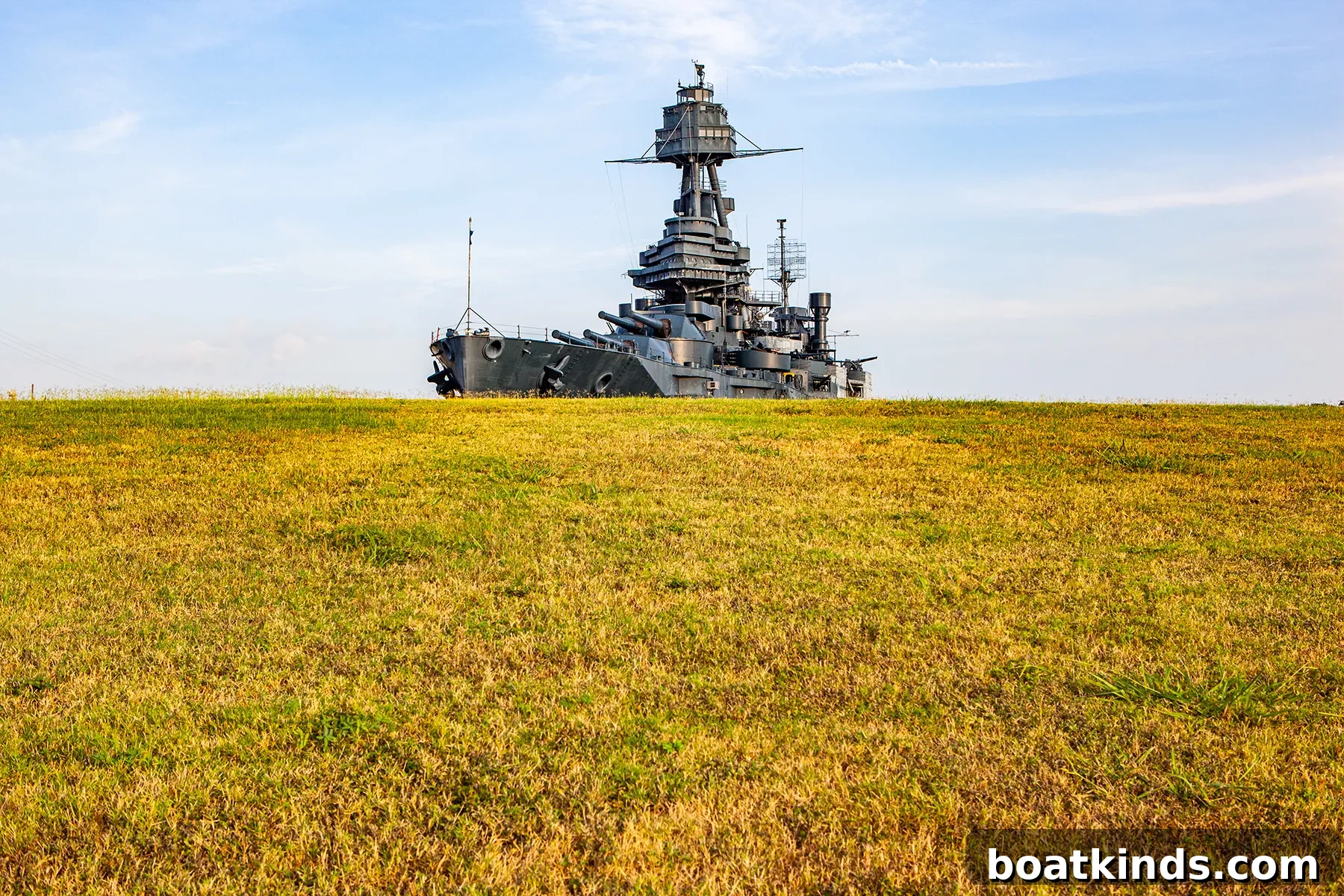
That project, titled “In Extremis: Historic Ships in America,” is currently on display at the Penobscot Marine Museum in Searsport, Maine, through August 5. The exhibition gathers images Van Hemmen shot across the United States—on both coasts, around the Great Lakes and in inland waterways—presenting a diverse portrait of maritime America.
Rather than advocate for or against the restoration of any particular vessel, Van Hemmen aims to create a visual record and to invite viewers to consider the layered histories these ships represent. Some photographs in the series render their subjects with near-pristine clarity, while others emphasize decay and dereliction. Together they form a balanced archive of form, texture and story—ships shown at rest, ships in decline, ships that still bear the dignity of their service.
Roots in a Maritime Life
Van Hemmen’s connection to ships runs deep. Born in the Netherlands, he grew up in a culture closely tied to the sea. He recalls relatives who sailed professionally and family members who worked in the maritime industry, which fostered his lifelong curiosity about ships and seafaring life. That personal background informs his photographic eye: he seeks to reveal not only surface detail but also the resilience and utility that have defined these vessels over decades.
He has observed that many Americans are unaware of how central ships have been to national history. For centuries, ships were the principal means by which people arrived in the country, fought wars, transported goods and connected communities. Van Hemmen’s photographs are intended to remind viewers of that legacy while documenting the physical condition of these vessels today.
Photography as Preservation
The In Extremis images function as both art and archival record. Through careful composition, attention to light and an emphasis on material details—peeling paint, rusted fittings, the sweep of a hull—Van Hemmen captures the aesthetic power of ships even when they show signs of heavy wear. In his view, beauty and decay coexist: a vessel’s weathered surfaces can be as compelling as its original lines.
Exhibitions such as this invite reflection on preservation, memory and the practical challenges of maintaining large historic craft. Van Hemmen does not offer solutions but instead provides moments of encounter where viewers can weigh the historical value of a ship against the costs and realities of restoration. The photographs stand as testimony to what remains, and as prompts for conversation about what we choose to save.
Visiting the Exhibition
Visitors to the Penobscot Marine Museum will find a range of images that vary in mood and condition, united by an attentive visual style. The show is accessible to anyone interested in maritime history, photography, or American industrial heritage. Each photograph offers a pause for consideration—of material culture, of individual vessels’ pasts, and of the broader currents that brought them into being and may one day carry them away.