
Brothers Ollie and Harry Ferguson Launch Model Replicas of HMS Erebus and HMS Terror to Circumnavigate Antarctica
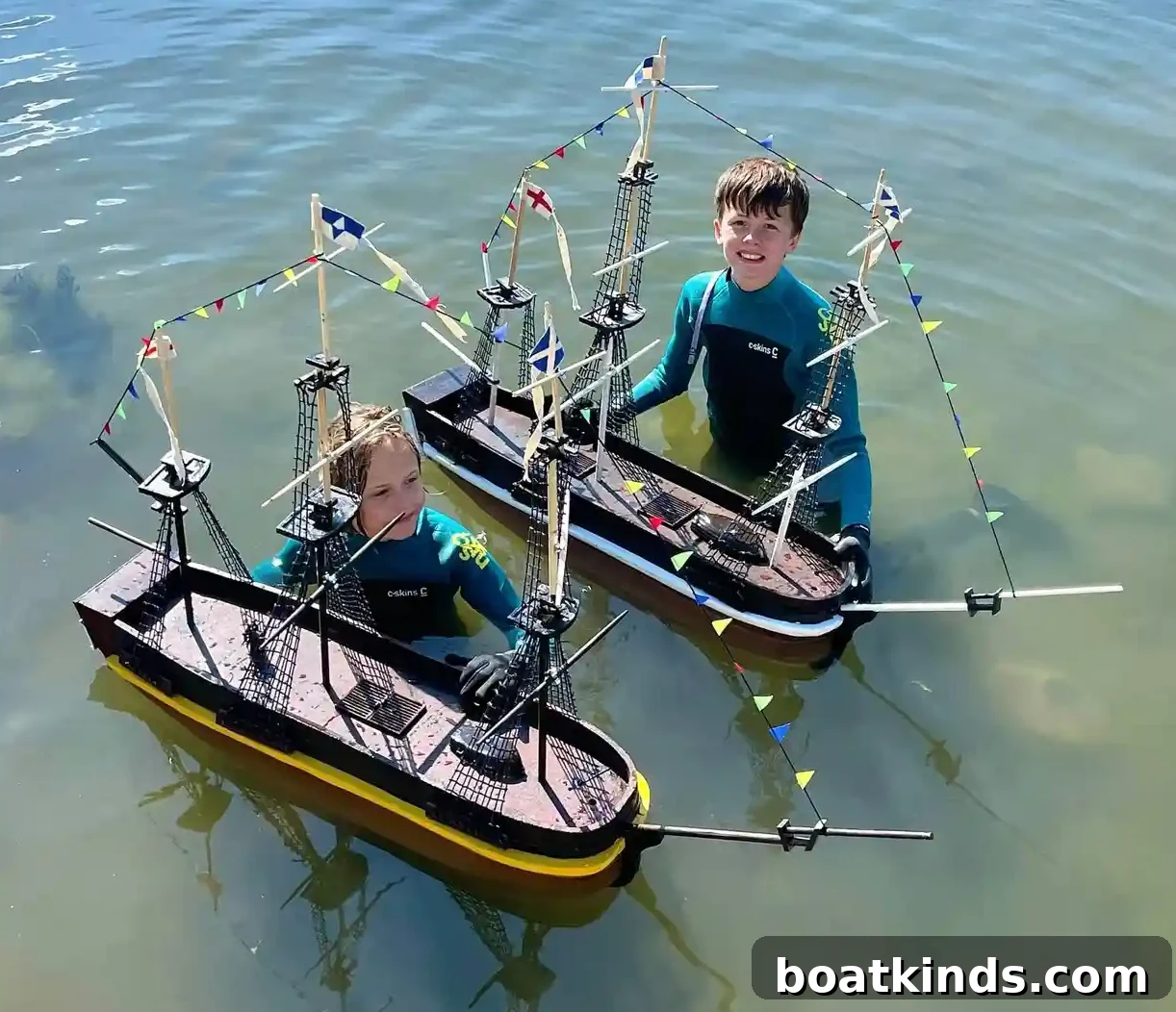
In what may be a world first, brothers Ollie Ferguson (13) and Harry Ferguson (11) from Aberdeenshire, Scotland, have launched detailed model replicas of the historic ships HMS Erebus and HMS Terror with the aim of circumnavigating Antarctica. Their project is inspired by the nineteenth‑century Ross scientific expedition (1839–1843), which explored the Southern Ocean and discovered the Ross Ice Shelf. The brothers spent two years building and outfitting the models before sending them on their long journey.
Project Overview and Route
The miniature ships, each over three feet long, were designed to ride the Antarctic circumpolar current. The planned route follows the powerful circumpolar flow that circles the continent, covering more than 12,500 nautical miles. Organizers estimate the voyage could take two years or more depending on weather, sea ice, and ocean conditions encountered along the way.
Support, Aims and Scientific Value
Ollie and Harry are supported by their parents: MacNeill Ferguson, an ecological specialist, and Vicki Ferguson, a school principal. The project blends hands‑on learning with environmental science. While the models travel, they will collect basic oceanographic and atmospheric data including geolocation, air and sea temperatures, and water pH. The data will provide lightweight, educational observations that help the brothers and their supporters learn more about conditions in the Southern Ocean and the impacts of climate change.
MacNeill explained that one of the models is also equipped with a camera to capture wildlife sightings — penguins, whales and other Southern Ocean species — providing visual records and engaging material for Harry, whose interest in climate issues motivated much of the project. For both boys, the endeavor is intended to be fun, educational and a way to contribute small-scale citizen science from a unique platform.
Construction, Materials and Electronics
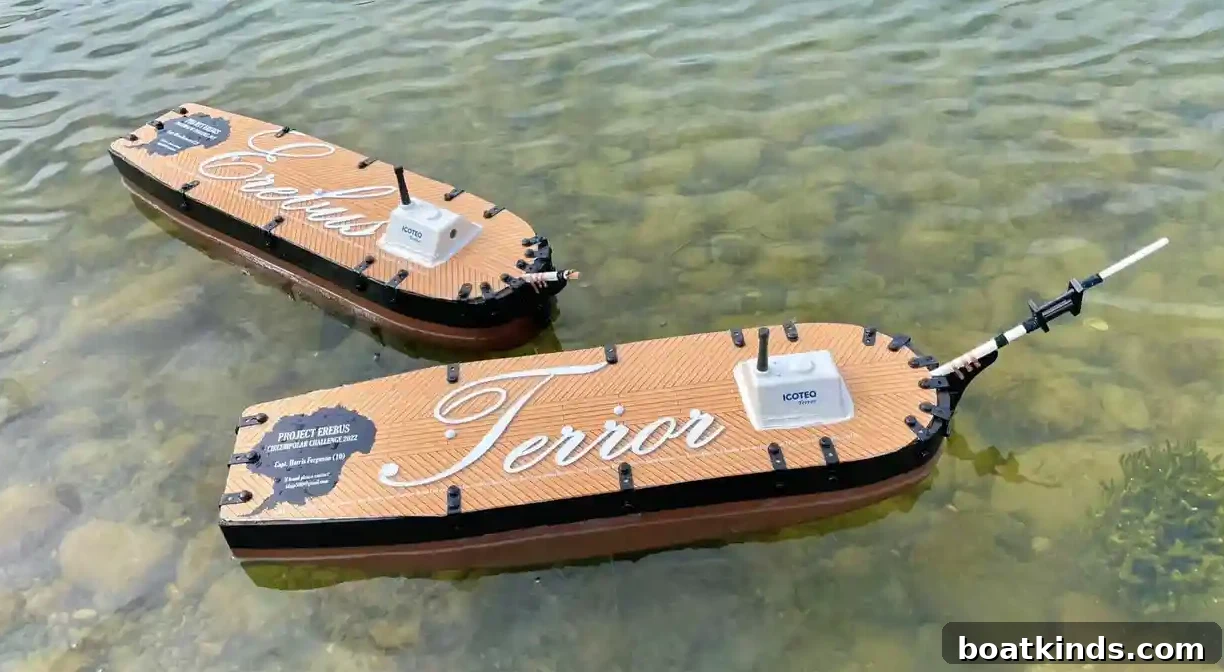
The ships were carefully crafted using reclaimed materials, including a piece of elm wood reportedly around 200 years old and copper detailing to reflect historic shipbuilding. The models are fitted with tracking devices supplied by Icoteq and contain batteries with a reported life exceeding six years, ensuring prolonged operation of transmitters and sensors. The builders emphasized the use of sustainable materials so that, should a model be lost to ice or extreme conditions in the Antarctic, it would minimize environmental impact.
Transport and Launch
Before deployment, the models were sent to family friends in the Falkland Islands for safekeeping while the team sought official launch approval. On Tuesday, July 11, the boats were transported aboard the Pharos SG, a South Georgia fisheries patrol vessel, and released into the circumpolar current to begin their voyage around Antarctica.
Reflections from the Young Crew
“It’s so exciting. We’ve been trying to do it for two years now and we’ve finally got them in, and it feels amazing,” Harry said after the launch. Both brothers expressed enthusiasm for collecting environmental data and curiosity about the ultimate fate of their models: whether the boats will complete the circumnavigation and whether they will ever be recovered or photographed again.
Past Achievements and Ongoing Ambitions
The Fergusons have experience with long‑distance toy‑boat projects. The brothers previously set a world record for the longest distance travelled at sea by a toy boat, and they say this Antarctic mission is one step toward a larger personal challenge: completing a list of 500 adventures before they turn 18. That goal frames this expedition as part of a broader commitment to exploration, learning and raising awareness about the marine environment.
How the Project Is Being Tracked and Shared
The tracking devices on board will provide live location updates as the models move with the circumpolar currents. The data collection and tracking make the project suitable for educational use, allowing teachers, family and interested members of the public to follow the boats’ progress and learn from the observations they record. Media outlets have reported on the launch, highlighting the combination of youthful ambition, craftsmanship and environmental interest that the brothers bring to the project.
This voyage of model replicas of HMS Erebus and HMS Terror is an inventive mix of maritime history, hands‑on engineering and grassroots science. Whether the boats complete a full circumnavigation of Antarctica or not, the project will provide lasting lessons about ocean currents, climate monitoring and the value of curiosity-driven learning.