
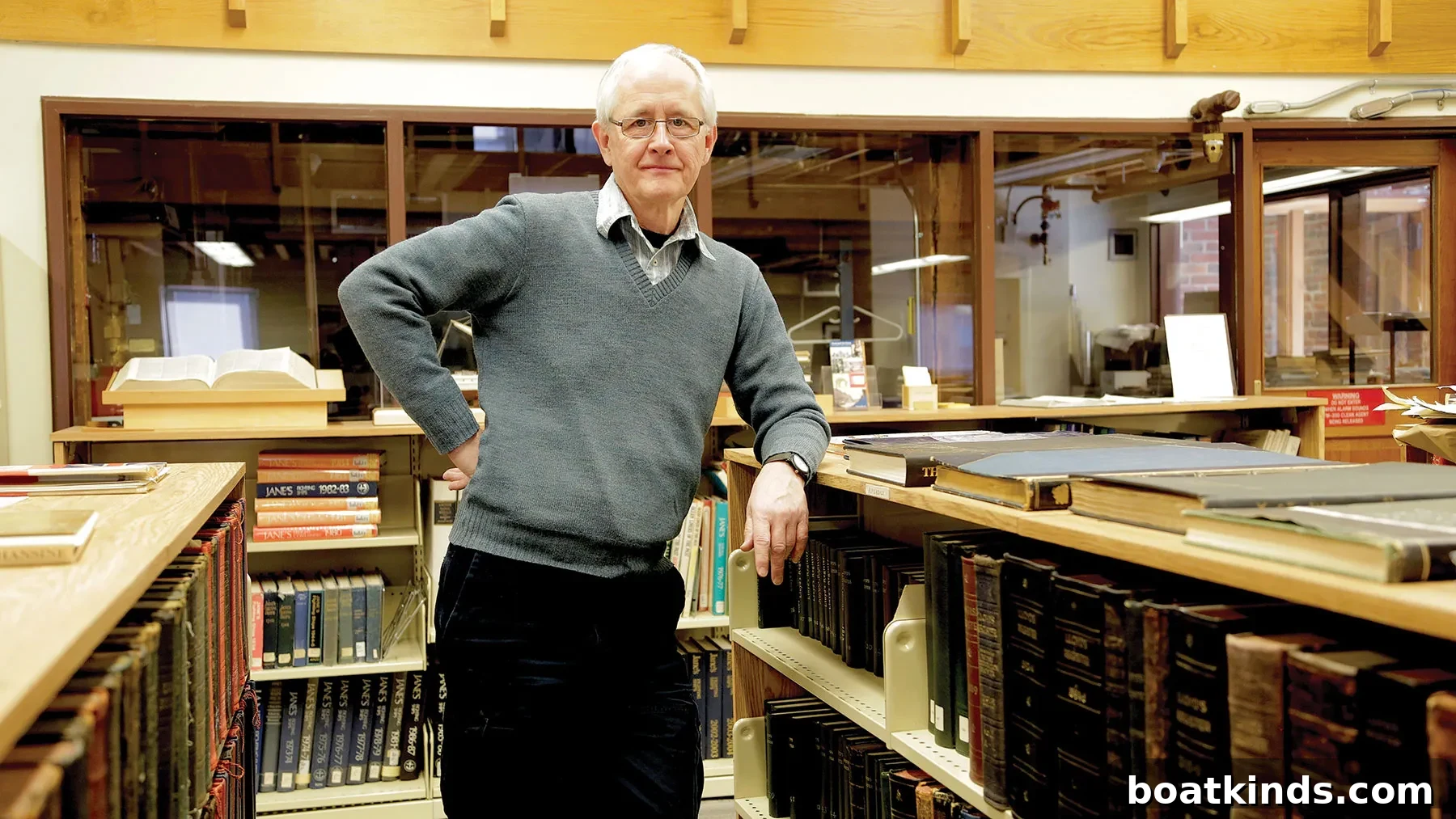
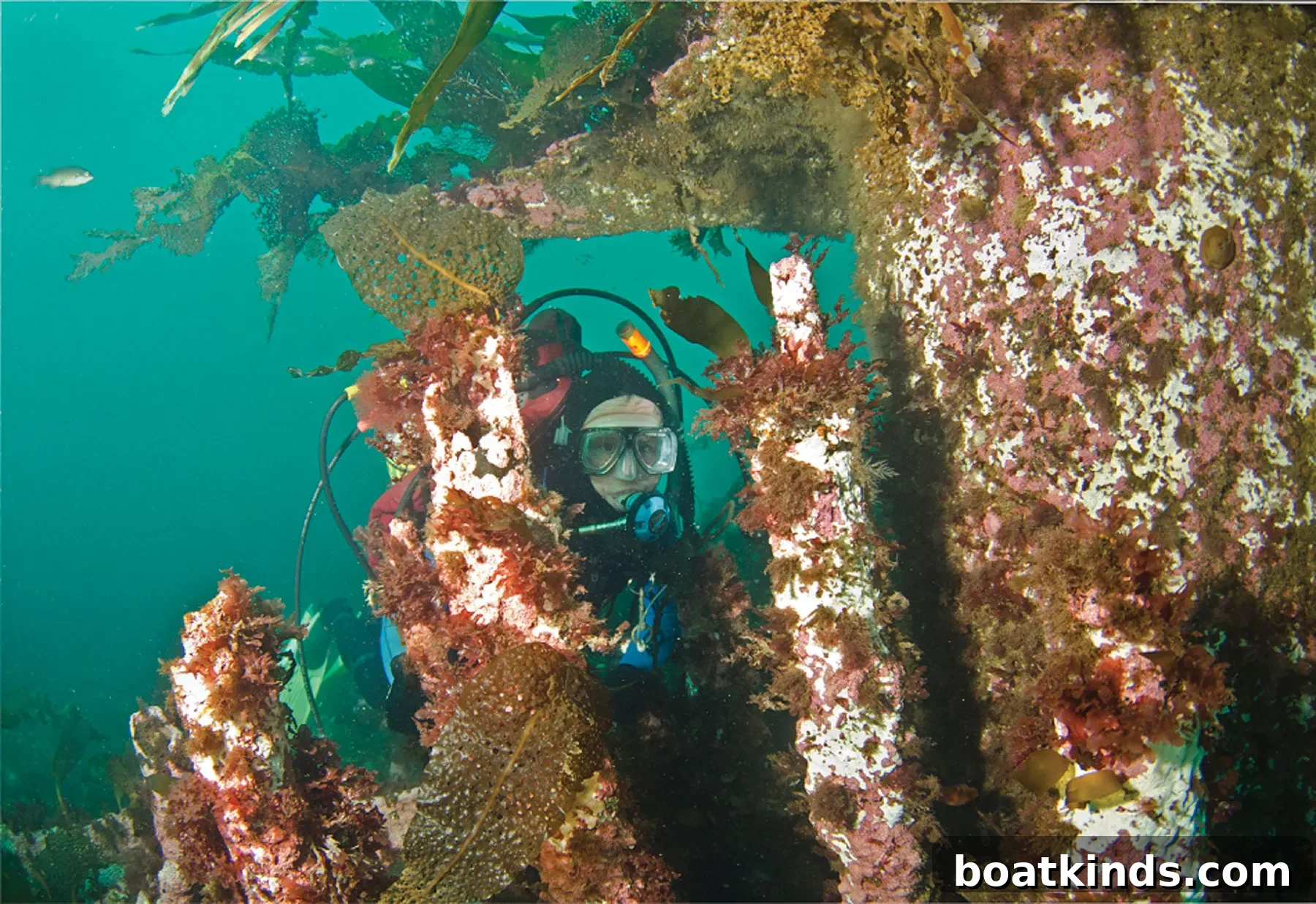
Bob Chaulk lives roughly a half hour from the wreck site of the SS Atlantic off the coast of Nova Scotia. He routinely heads out there in a 17-foot boat he built himself, a modest homage to his family’s schooner-building past. For nearly three decades Chaulk has donned a dry suit and dove into the icy waters near Halifax to examine the remains of what was, in its time, the worst transatlantic passenger disaster in history. His work combines underwater investigation, archival research on land, and conversations with descendants of survivors as he seeks to answer lingering questions about why the Atlantic was lost.
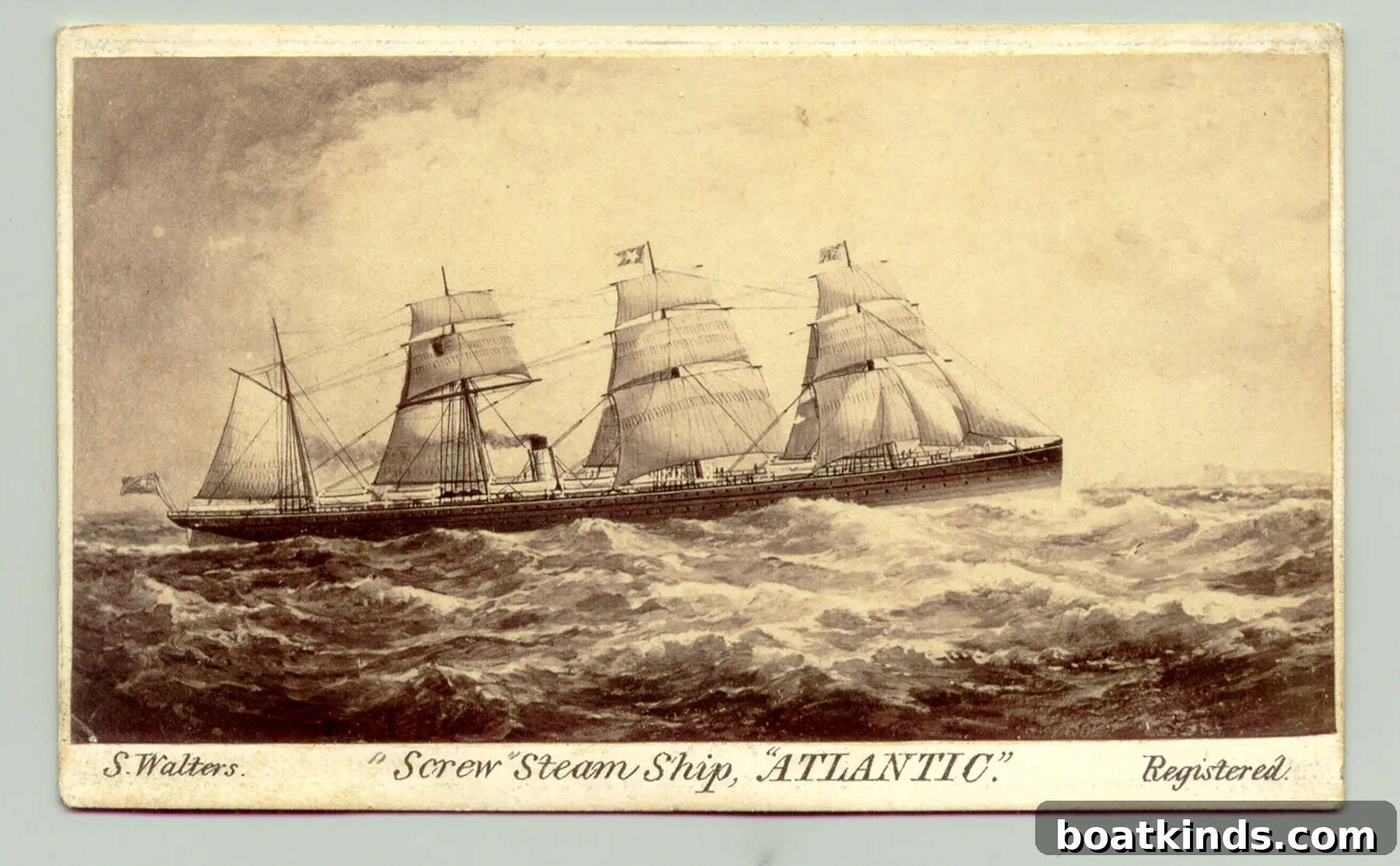
The wreck occurred on April 1, 1873, and made headlines well beyond Canada because the Atlantic was among the first vessels built by the White Star Line—decades before the company would gain global infamy with the RMS Titanic. With 952 people aboard, the steamer had diverted to Halifax to pick up extra coal en route to New York. The ship struck rocks near Lower Prospect and Terence Bay; more than 560 people died, including all the women on board and all but one of the children.
Contemporary press accounts blamed Captain James Williams, alleging he was intoxicated, and painted a lurid picture of male passengers abandoning women and children to save themselves. Chaulk, who serves as historian for SS Atlantic Heritage Park, says those early reports may be misleading. His recently published book, Atlantic’s Last Stop, aims to reassess the record, separate myth from documented fact, and place the disaster in a clearer historical context.
“It was the worst combination of incompetence and bad luck that you could possibly have,” Chaulk says, summarizing why the wreck remains compelling more than a century later. He first explored the tragedy in print in 2009, co-authoring SS Atlantic: The White Star Line’s First Disaster at Sea with Greg Cochkanoff. After Cochkanoff died suddenly, Chaulk completed the project, but he continued to uncover unanswered questions that demanded more investigation.
One central mystery involved the ship’s second officer, Henry Metcalf, who was also a first cousin of Thomas Ismay, the founder of the White Star Line. Chaulk notes the uncomfortable parallels with later White Star controversies, such as the role of Bruce Ismay in the Titanic disaster, and he wanted to understand whether family ties affected the chain of command on the Atlantic. Metcalf was the only deck officer who died in the wreck, and Chaulk’s research eventually showed that Metcalf was the senior officer on duty after midnight when catastrophe struck.
According to Chaulk’s reconstruction, the captain had lain down in full uniform for a short nap, leaving the 26-year-old Metcalf in charge while the fourth officer took orders from him. The captain’s last pre-watch instruction was explicit: maintain a close lookout for a stationary light—Sambro lighthouse—which would indicate the coastline; a moving light would signify another ship. The captain directed that the moment a stationary light was sighted he should be called immediately.
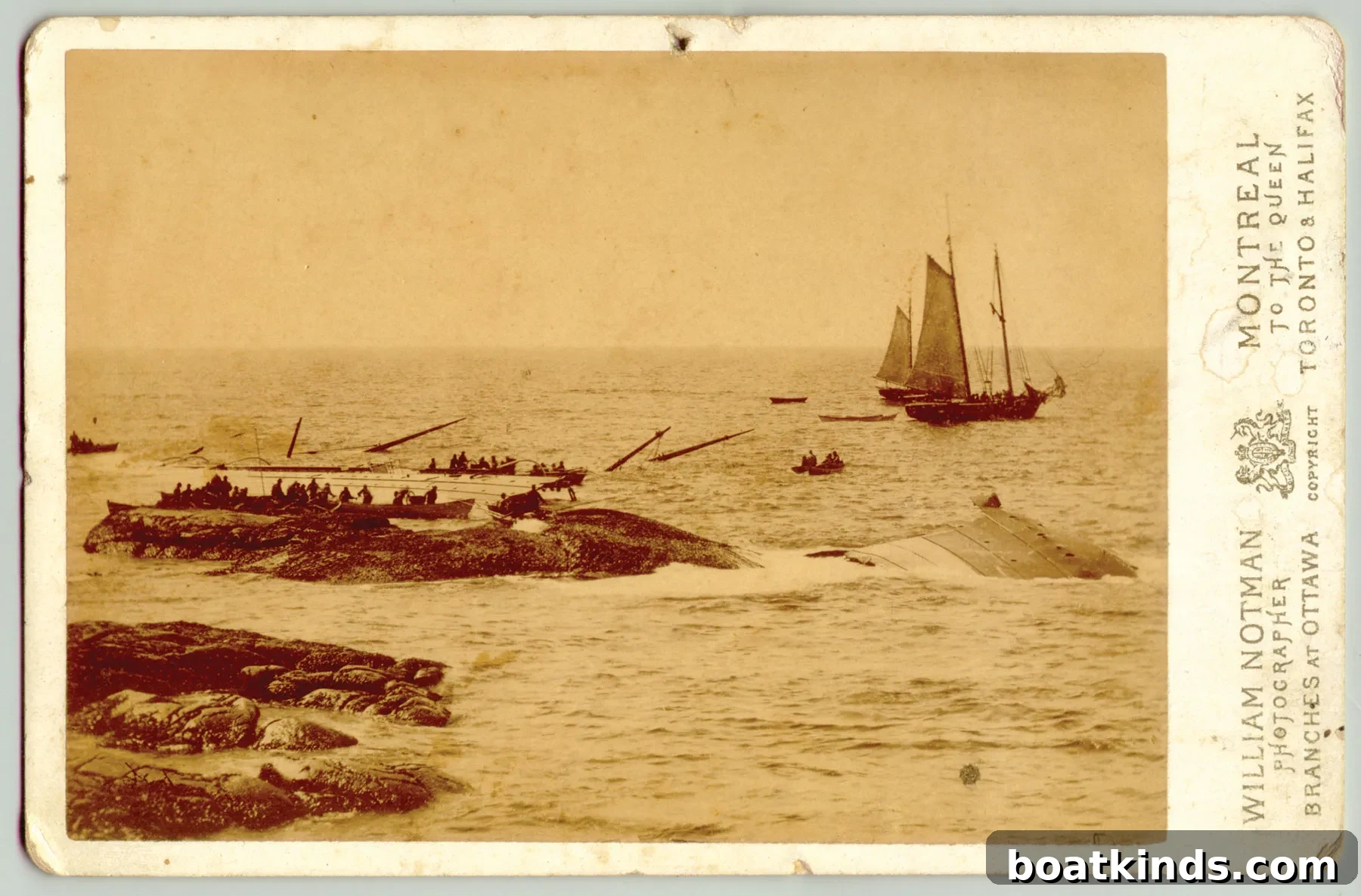
They never called the captain. Chaulk’s account describes an argument at the helm shortly before the collision. Ten minutes later the ship struck the rocks. The bow was driven up and became high and dry on the rocks, while the stern flooded and sank rapidly. Chaulk emphasizes how this physical division of the hull explains several enduring myths: single women, who were accommodated in the stern, were trapped and perished in their berths when the ship went down; single men, many of whom were located forward, survived. In Chaulk’s view, the catastrophe was not the result of drunkenness or outright cowardice by the captain, but rather a sequence of human errors, poor judgment, and misfortune.
Beyond the technical causes of the wreck, Chaulk wanted to ensure the human stories surrounding the disaster were not forgotten. For years he was bothered by the lack of documentation about the survivors and about the local fishermen who launched their small boats in the dead of night to rescue people from freezing, rock-strewn waters. The dramatic image of hundreds of survivors being housed by Halifax residents—“400 people ended up in Halifax, sleeping in other people’s beds”—demanded reconstruction.
Chaulk located records in the Court of Vice-Admiralty in Halifax that listed the names of survivors, the owners of the rescue boats, and who was in each small craft. He interviewed descendants of those rescuers and of officers and crew, tracing family memories down through generations. He also tracked down relatives of the captain and of other officers to learn how the wreck’s legacy lived on in family narratives. These sources feature prominently in Atlantic’s Last Stop, published in October 2021, and they add personal depth to the technical and procedural analysis of the disaster.
The result is a book that aims to restore nuance to a story often simplified by sensational headlines. Chaulk combines archaeological dives, court records, personal interviews, and archival material to reconstruct what happened on that cold April night in 1873 and to give voice to the people who survived and those who risked everything to save them.
This article was originally published in the March 2022 issue.