
Compiling a list of the 10 saltiest sailors in Soundings’ 60-year publishing history was never going to be easy. Our initial longlist included dozens of candidates — many legendary names such as Lin and Larry Pardey had already appeared in earlier anniversary issues — and narrowing it to ten required difficult choices. To acknowledge additional deserving figures, we included a short list of other notable salty souls below. If you think someone is missing, email us at [email protected] and we may publish the most persuasive suggestions in an upcoming issue.
Sir Francis Chichester
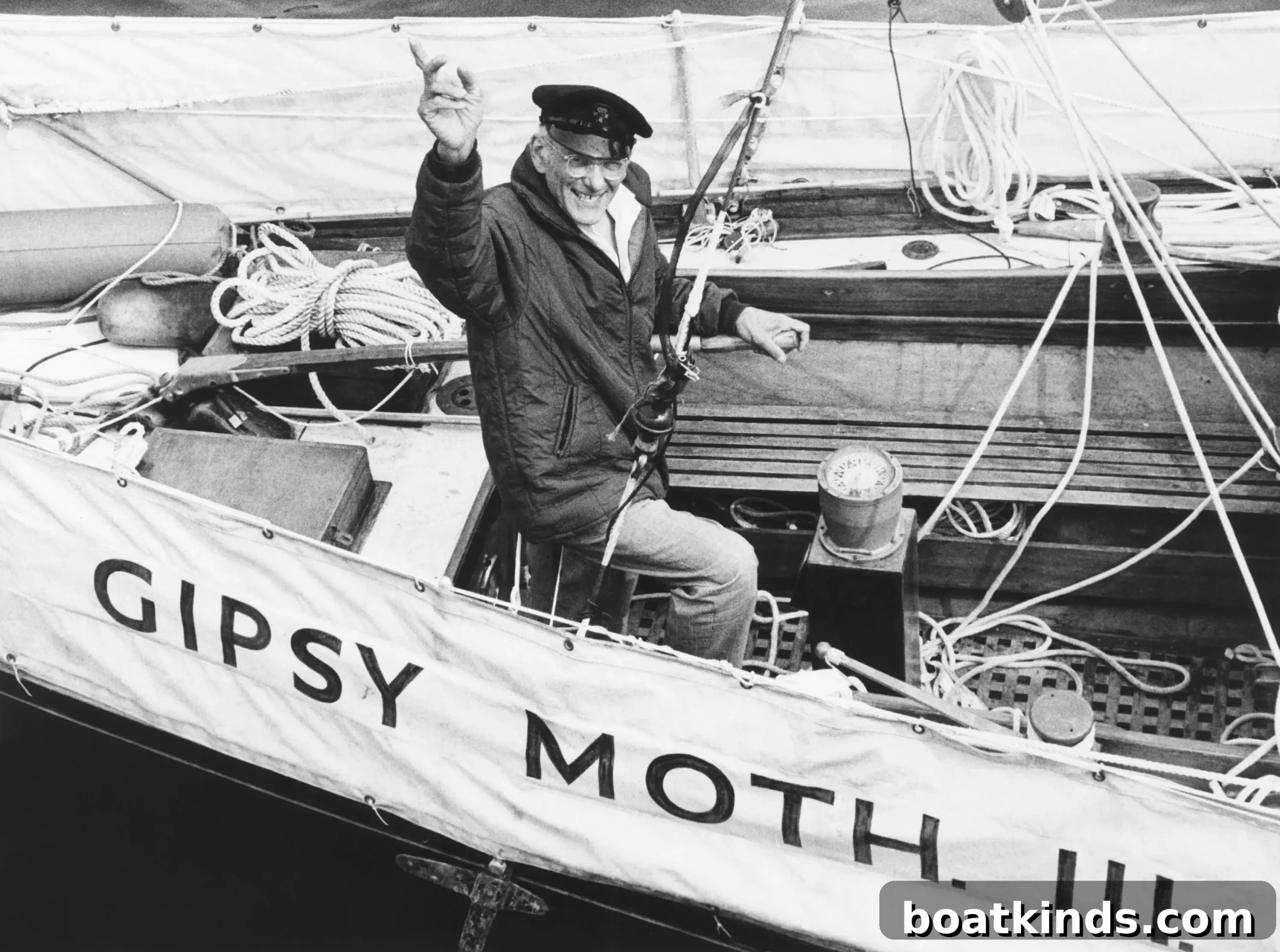
When 65-year-old Sir Francis Chichester returned to Plymouth, England, in May 1967 aboard his 54-foot ketch Gipsy Moth IV, he completed the first solo circumnavigation via the great Capes with a single stop in Australia. His 226-day voyage made him a national hero: half a million people greeted him on his return and Queen Elizabeth II later knighted him with the same sword used to knight Sir Francis Drake.
Chichester was also an entrepreneur and aviator. In 1929 he flew a de Havilland Gipsy Moth from England to Australia and later became the first to cross the Tasman Sea by air. After winning the first Observer Single-Handed Trans-Atlantic Race (OSTAR) in 1960, he continued to pursue ocean sailing with characteristic eccentricity — famously donning a dinner jacket in the middle of the Atlantic to celebrate his birthday. He died in 1972, but Gipsy Moth IV endures as an iconic vessel, even appearing inside British passports.
Éric Tabarly
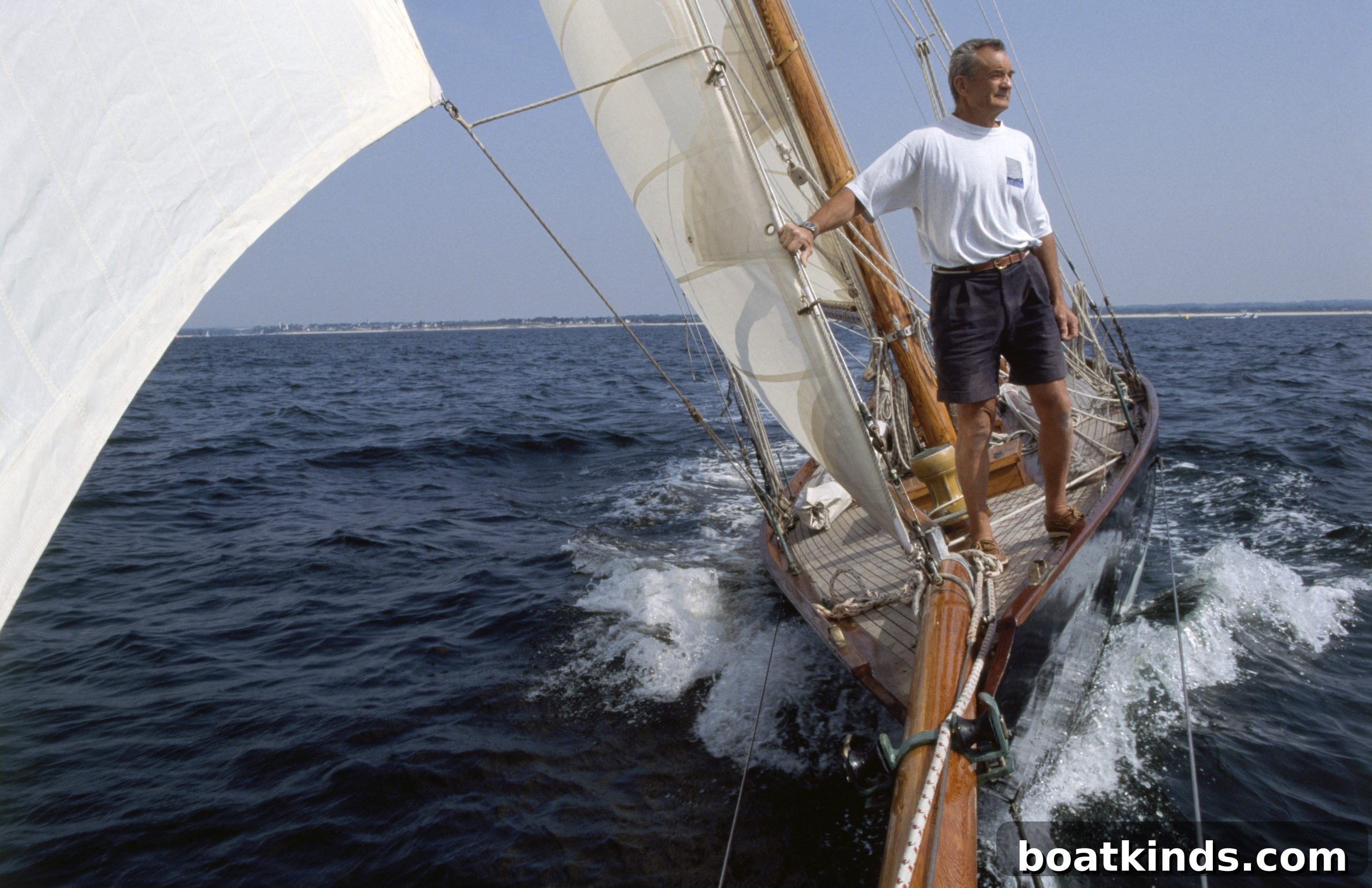
Éric Tabarly transformed offshore racing in the 1960s. The French naval officer won the 1964 OSTAR aboard his custom-built plywood ketch Pen Duick II, beating a field that included Britain’s best and raising French interest in ocean racing to new heights. Decorated by President Charles de Gaulle, Tabarly went on to win many of the world’s premier races and continually pushed yacht design and technique.
Tabarly’s innovations included lightweight, planing hulls and the use of water ballast. He won the Trans-Pacific race in 1969 on Pen Duick V, and in 1976 again topped the OSTAR fleet in his 73-foot Pen Duick VI. In 1988 he crossed the Atlantic on the hydrofoil trimaran Paul Ricard in just over 10 days, breaking a long-standing record. Tabarly continued sailing competitively until his death in 1998, after being swept overboard while sailing the hundred-year-old Pen Duick.
Ted Turner
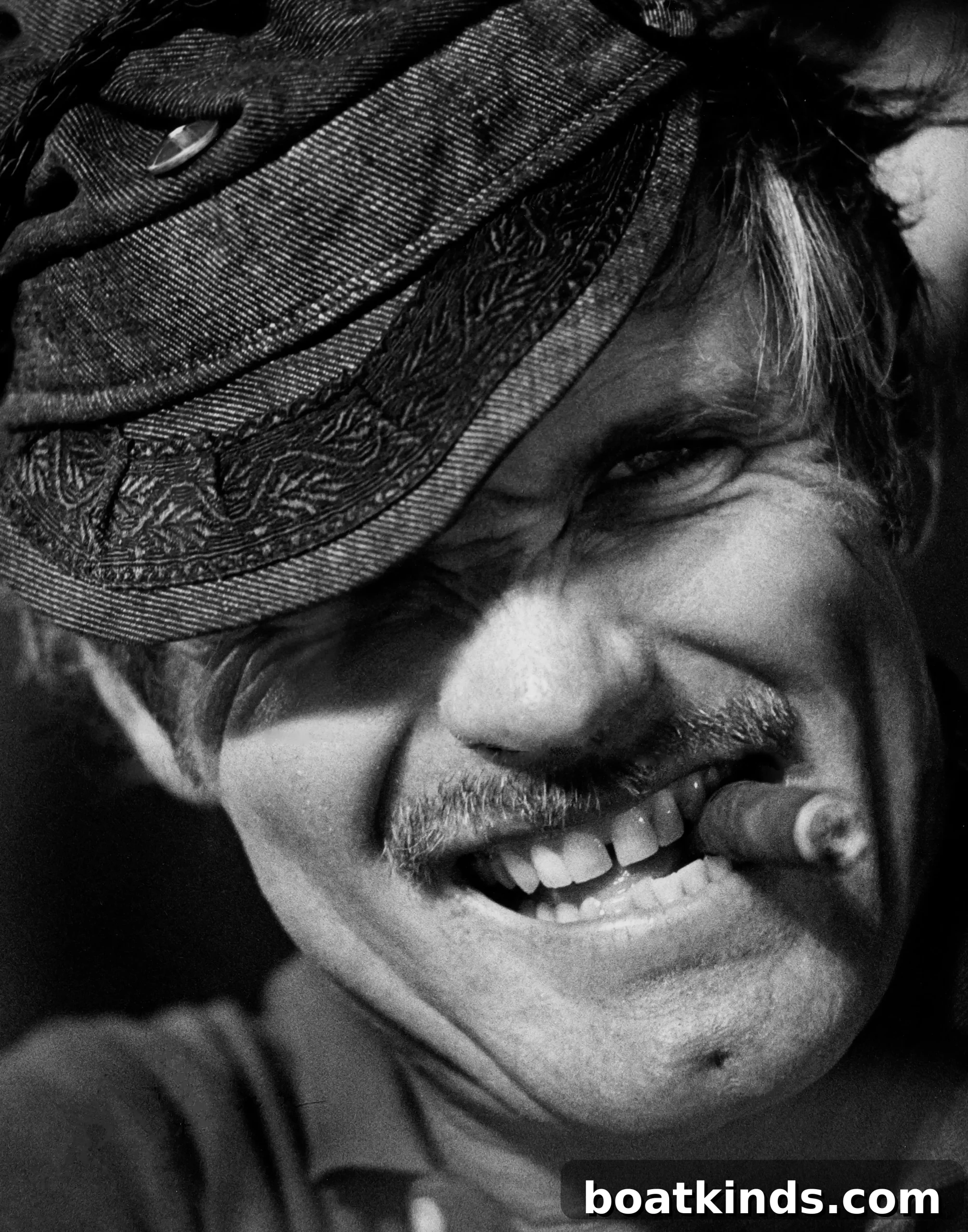
Ted Turner is as well known for his media career as for his sailing achievements, but his sailing résumé is impressive: roughly 500 race wins, including the 1965 Flying Dutchman Worlds and the 1972 Sydney–Hobart. Turner skippered Courageous to victory in the 1977 America’s Cup defense and famously returned in 1980 to defeat Australia 4–0.
Turner’s win in the brutal 1979 Fastnet Race — a storm that capsized dozens of boats and cost 15 lives — remains one of his most significant accomplishments; he and his crew pressed on aboard the 61-foot sloop Tenacious to win on corrected time. Known for a fiery temper and outspoken personality, Turner was inducted into the America’s Cup Hall of Fame (1993) and the National Sailing Hall of Fame (2011), and is the only four-time recipient of US Sailing’s Sailor of the Year award.
Dame Naomi James
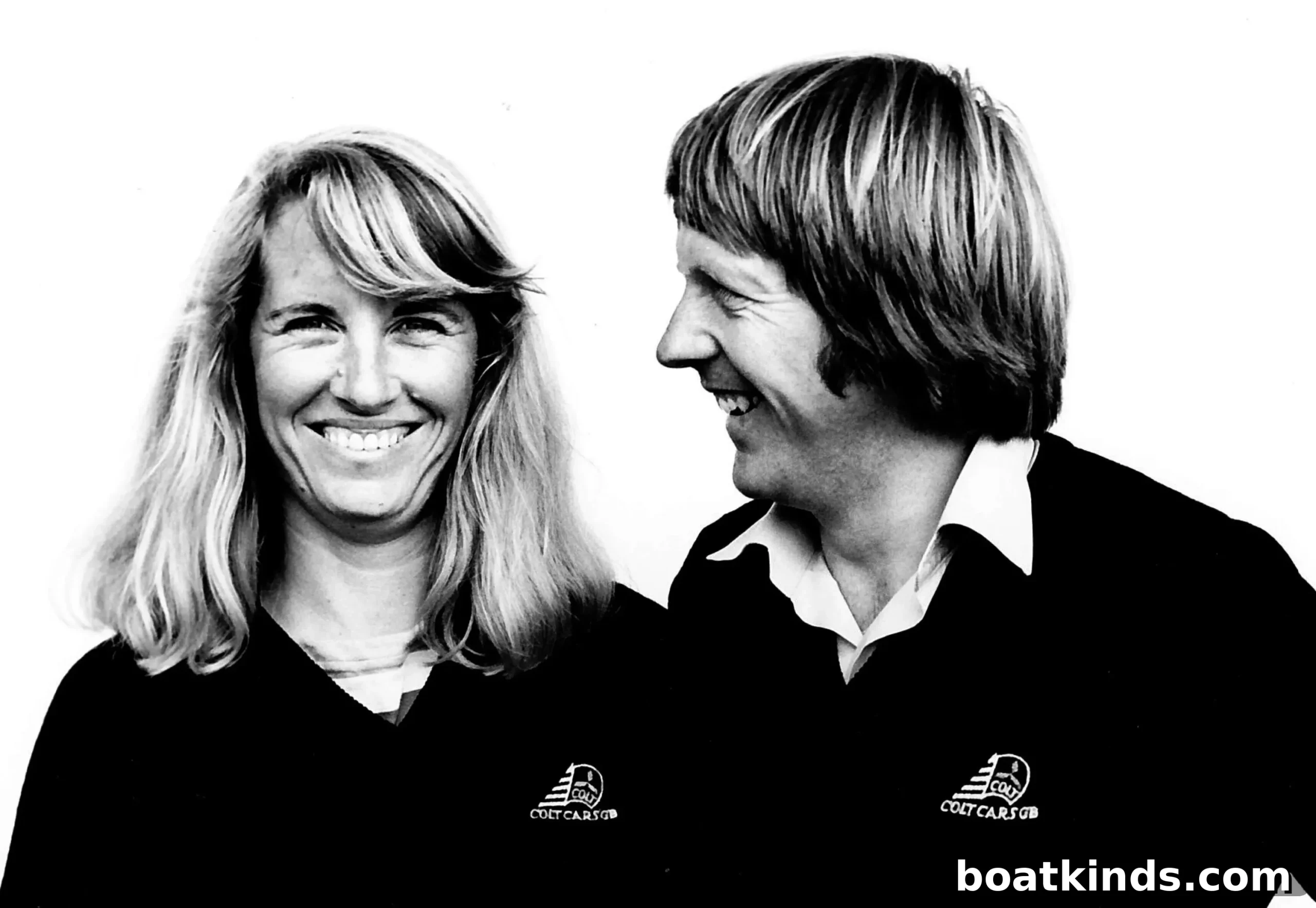
In 1978 Naomi James became the first woman to complete a solo circumnavigation via the great Capes, proving women could match the toughest singlehanded challenges. A former hairdresser from inland New Zealand, James learned sailing later in life and began her voyage in 1976. Her passage included equipment failures, near-misses and a dramatic capsize in the Southern Ocean, yet she persevered and returned a heroine, receiving a Damehood for her achievement.
James later set the women’s singlehanded transatlantic record in 1980 and won the double-handed Round Britain Race in 1982 with her husband Rob James, who tragically drowned in 1983. She subsequently stepped back from competitive sailing.
Conny van Rietschoten
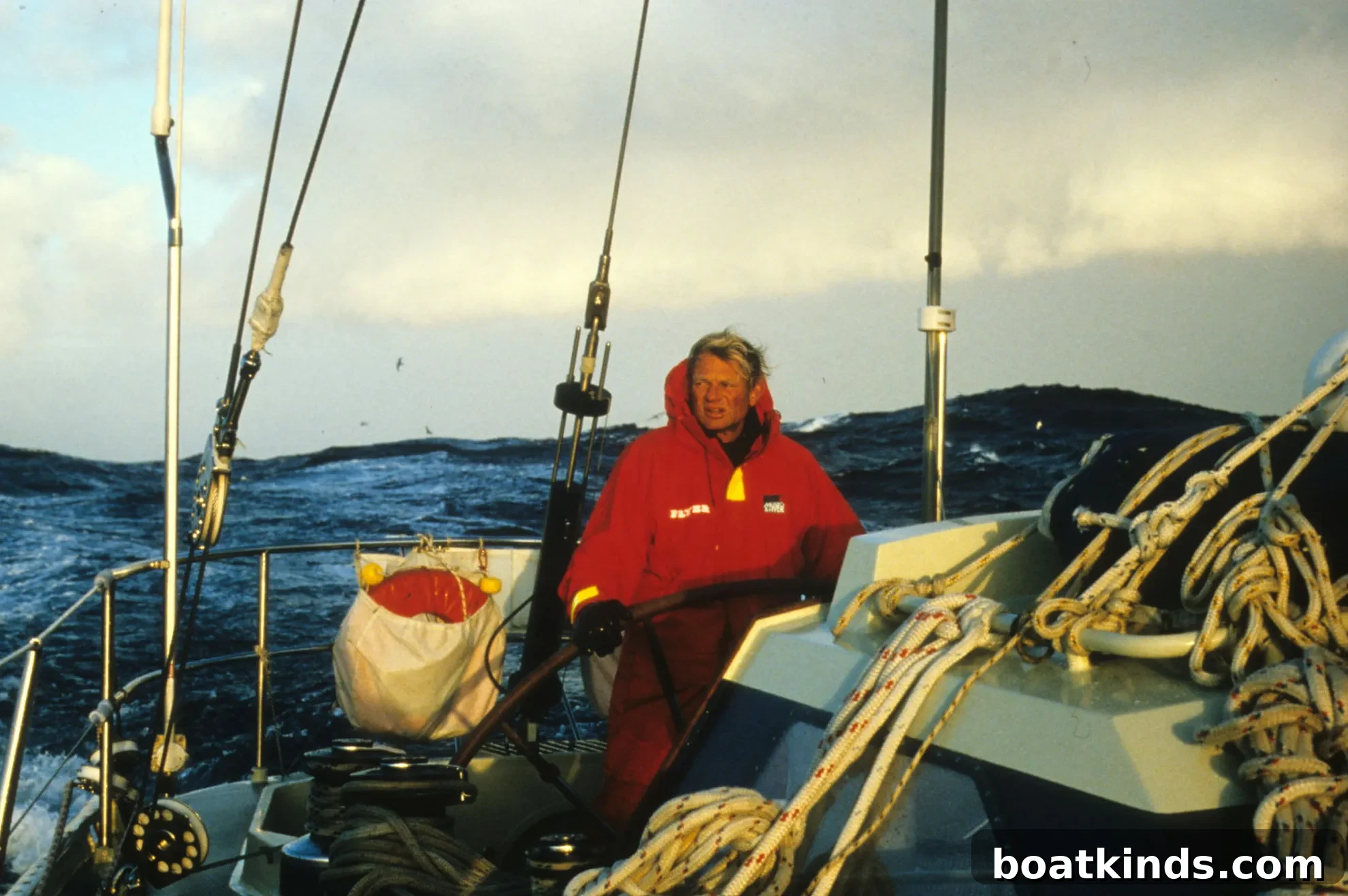
Conny van Rietschoten professionalized offshore racing. After recovering from tuberculosis and selling his family business, he organized a meticulous Whitbread campaign that combined rigorous trials, crew training and technical research. His custom Sparkman & Stephens ketch Flyer won the 1977–78 Whitbread Round the World Race, and four years later his follow-up effort with Flyer II secured a second Whitbread title. Van Rietschoten’s attention to organization, equipment and crew selection earned him the nickname “The Flying Dutchman” and set new standards for professional ocean racing.
“Mau” Piailug
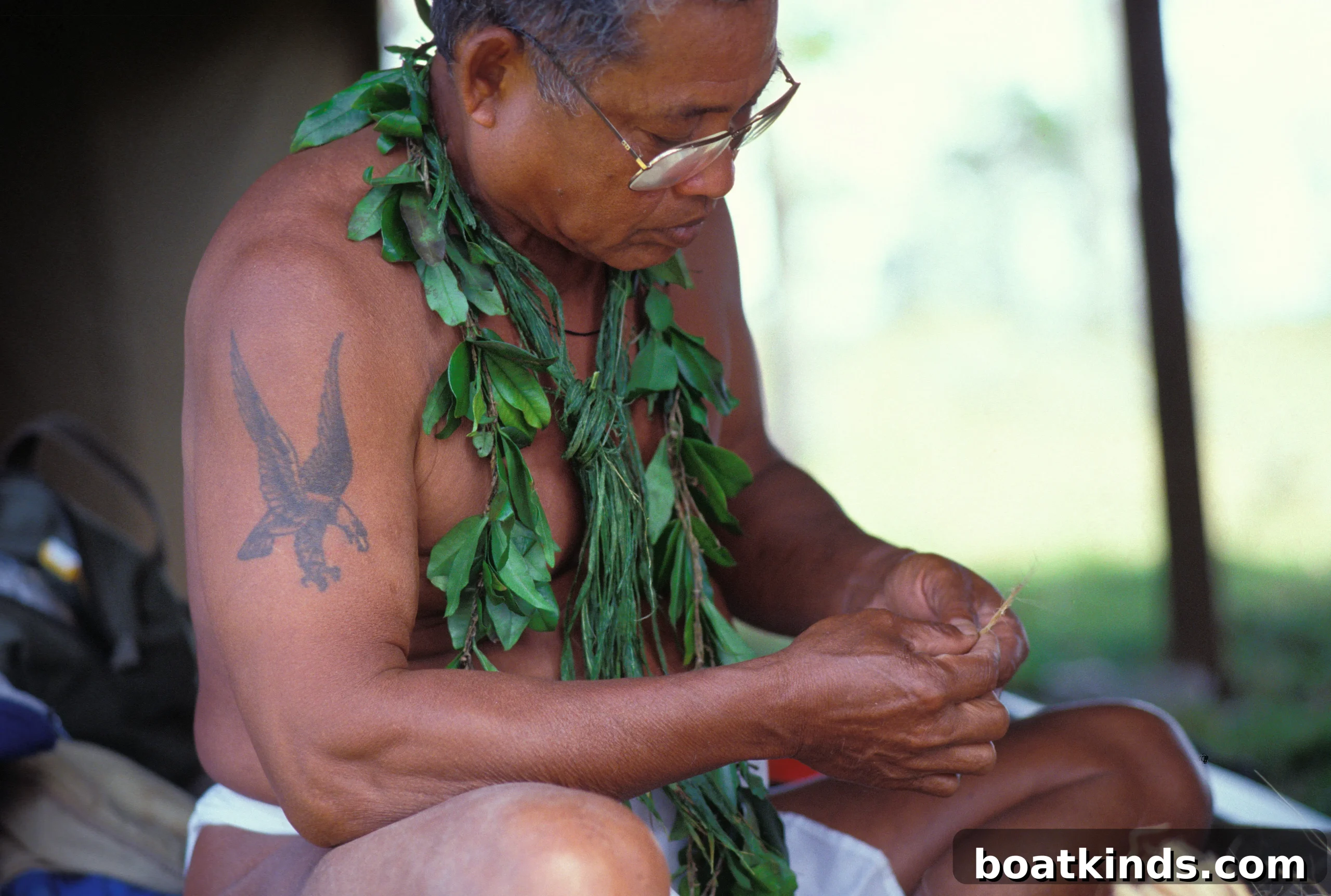
Mau Piailug, a Micronesian master navigator, played a crucial role in reviving traditional Polynesian non-instrument navigation. Trained by his father and grandfather, Piailug became a palu — a master navigator using stars, swells, wind, clouds and wildlife instead of instruments. In 1976 he navigated the voyaging canoe Hōkūleʻa from Hawaii to Tahiti, demonstrating that intentional two-way Polynesian voyaging was feasible and supporting the Asiatic origin theory for Polynesians. His work sparked a renaissance in canoe building and wayfinding across the Pacific.
Sir Peter Blake
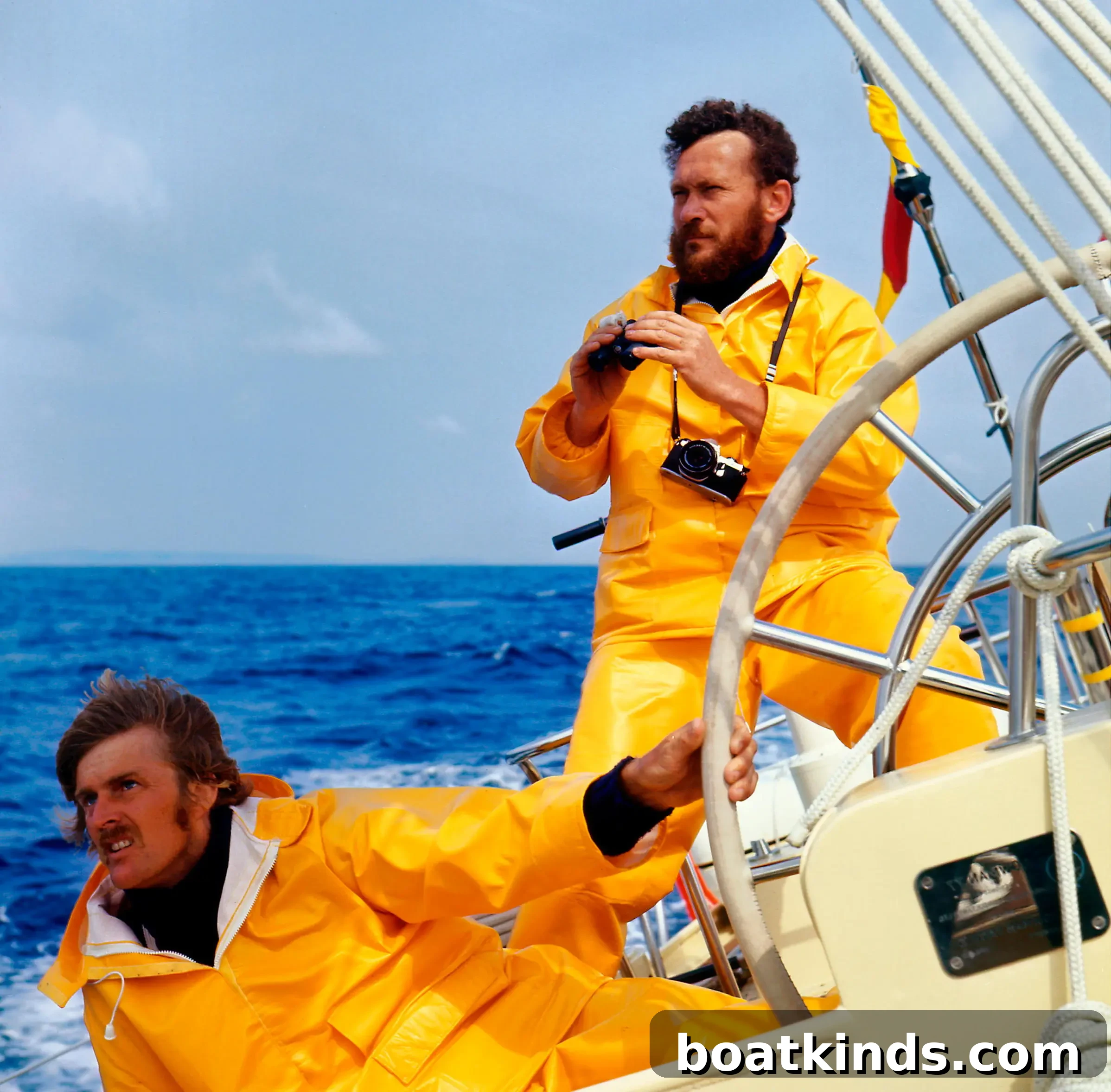
Peter Blake was a towering figure in modern yacht racing. Beginning to sail as a child, he rose quickly through offshore ranks: watch captain in two Whitbread races, line honors in the 1979 Fastnet, and overall victory in the 1989–90 Whitbread with Steinlager 2, winning every leg on line and handicap. He also managed New Zealand’s successful America’s Cup campaigns in the 1990s and shared the Jules Verne Round-the-World record. Blake was killed by pirates in 2001 while on a UN mission to monitor pollution and climate impacts; his death was mourned worldwide and he remains a national hero in New Zealand.
Tracy Edwards
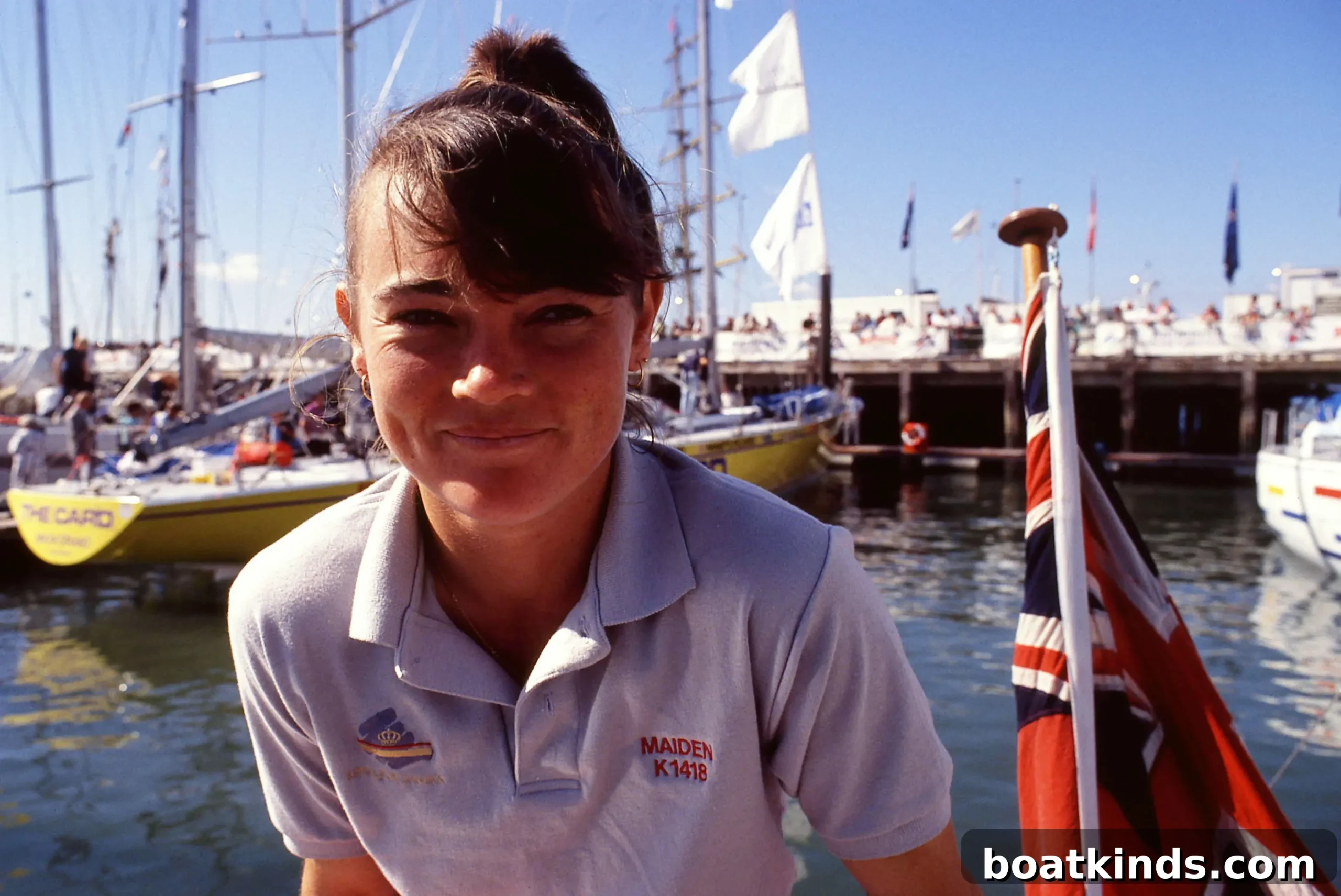
Tracy Edwards challenged the male-dominated world of ocean racing by assembling an all-female crew for the 1989 Whitbread Round the World Race. Despite harsh criticism and derisive press, Edwards secured sponsorship, prepared the Farr-designed 58-foot yacht she renamed Maiden, and proved critics wrong by winning two legs and finishing second in class overall. Her leadership changed perceptions in yacht racing and she was later honored as a Member of the Order of the British Empire.
Dame Ellen MacArthur
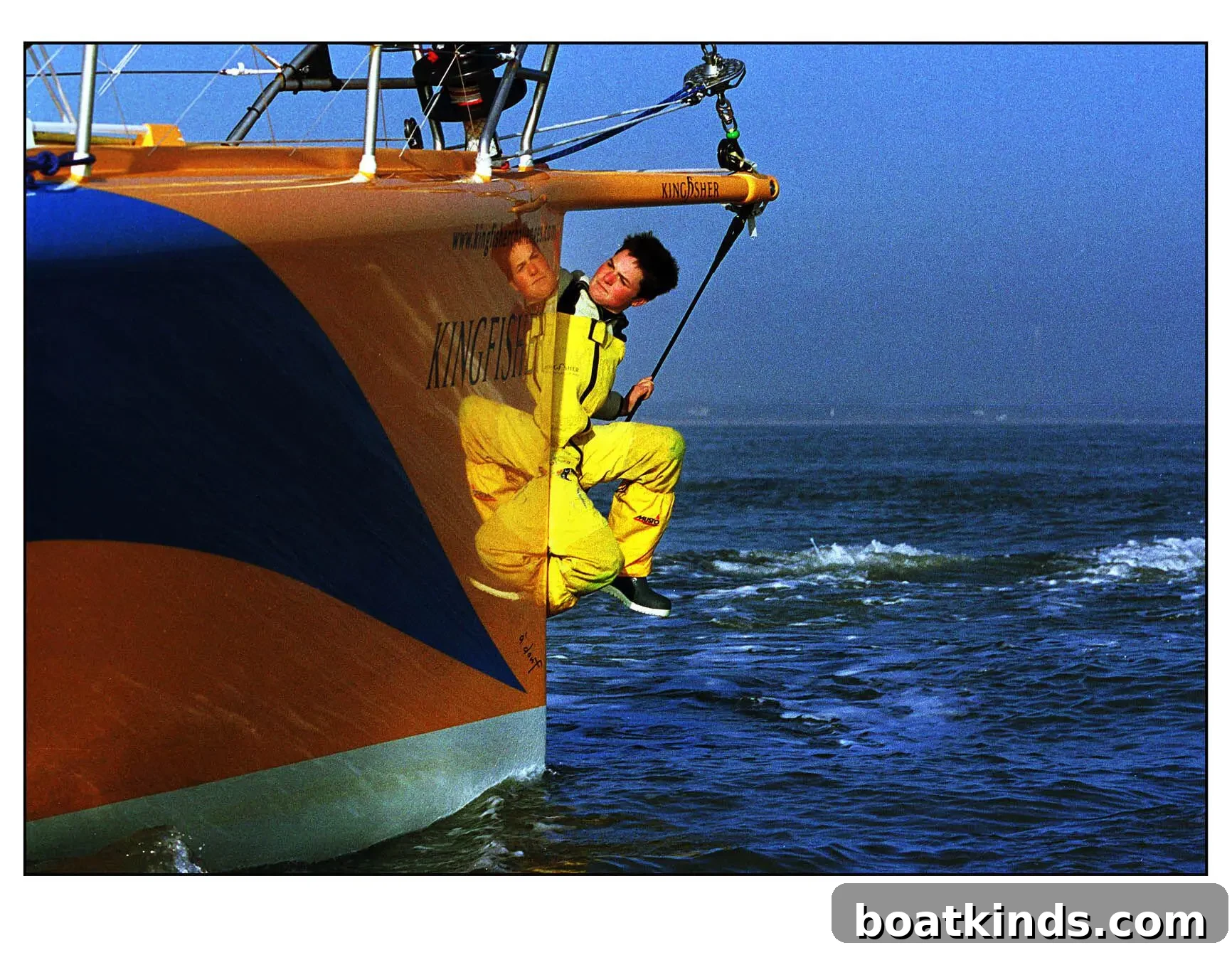
Ellen MacArthur’s record-breaking solo performances redefined modern singlehanded sailing. Beginning her career as a teenager, she set multiple records: youngest U.K. Yachtmaster Offshore, youngest OSTAR winner since Chichester, Vendée Globe podium finisher, and holder of the solo transatlantic and solo circumnavigation speed records. Her 2005 solo nonstop circumnavigation on a 75-foot trimaran set the fastest singlehanded circumnavigation record and earned her a Damehood. Since retiring from top-level racing, she has focused on environmental work through the Ellen MacArthur Foundation.
Kenichi Horie
Kenichi Horie first gained international attention in 1962 when, at 23, he sailed his 19-foot sloop Mermaid nonstop across the Pacific from Japan to San Francisco — an unannounced voyage that ended with his arrest and a warm reception from locals. Over decades he continued daring and often environmentally themed voyages: multiple Pacific crossings, circumnavigations, and inventive projects using recycled materials, solar power, pedal power and wave energy. Horie remains driven by curiosity and adventure into his later years.
More Salty Souls
Robin Knox-Johnston
Robin Knox-Johnston became the first person to complete an unassisted, non-stop, single-handed circumnavigation via the great Capes, winning the 1968–69 Golden Globe Race.
Kirsten Neuschafer
Kirsten Neuschafer won the 2022 Golden Globe Race, the first woman to win that non-stop event and the first woman to win any round-the-world race via the three great capes.
Marvin Creamer
In 1984 geography professor Marvin Creamer and a rotating crew demonstrated that circumnavigation without instruments was possible, navigating his 36-foot Globe Star by traditional methods and proving those techniques could work even around Cape Horn.
Dawn Riley
Dawn Riley served as a watch captain aboard Maiden, became the first woman to manage an entire America’s Cup syndicate, and was the first American to sail in three America’s Cup campaigns.
Bill Pinkney
Bill Pinkney became the first Black sailor to circumnavigate the world via the great capes in 1992, marking a milestone in the sport’s history.
This story originally appeared in the June 2024 issue.