
Calling All Readers: Tell Soundings Which Classic Boats Deserve a Feature
Ten years ago, Soundings introduced a new department in its fall issue dedicated to celebrating boats from another era. The section, titled “Classics,” was created to spotlight antique and classic craft — both power and sail — and to tell the stories behind the people who designed, built, owned and sailed them. From antique hulls built between 1919 and 1942 to classic models produced from 1943 through 1975, and later the “late classics” that date into the 1970s through the late 1990s, the department has aimed to preserve and share the design, craftsmanship and history of these notable vessels.
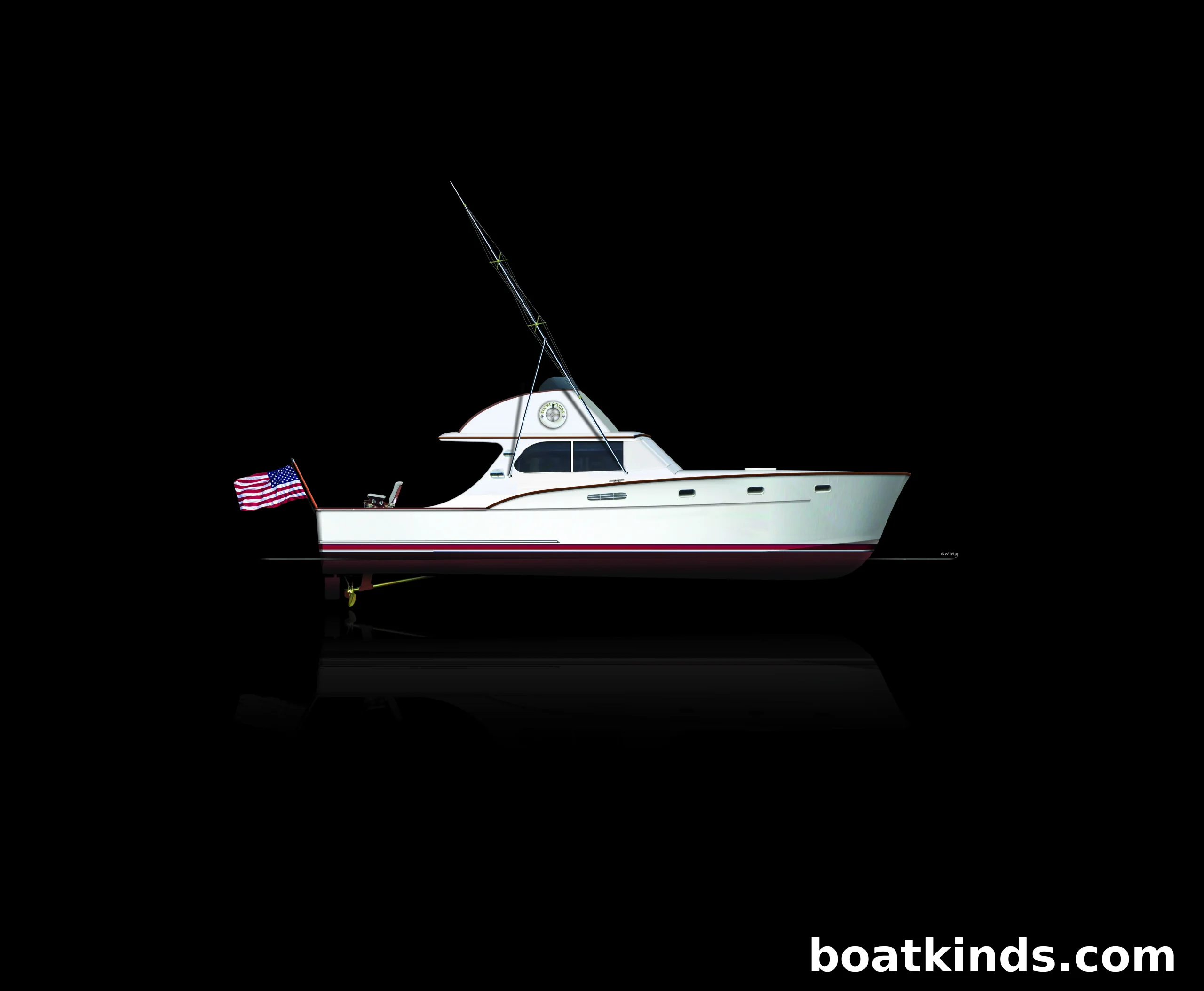
The Classics pages were launched with carefully chosen examples selected by the editors, with artist Jim Ewing providing rich illustrations to help bring each boat to life on the page. Over the years the section has grown into one of our most popular features, thanks to the enduring appeal of wooden planking, elegant lines, and the stories that sailboats and motor yachts carry through time. Readers told us they wanted to see more, and we listened — expanding the scope, welcoming submissions and highlighting restorations, refits and the ongoing labor of love that keeps these boats on the water.
Each year we compile a list of candidates for upcoming issues. To make that list, we speak with designers, builders, restorers and marina neighbors; we consult stewards of boatyards and varnish-scented garages; and, most importantly, we consult our readership. Over time we’ve learned that our best leads and most compelling stories come from you: owners, captains, restorers and enthusiasts who live with these boats and know their quirks, provenance and charm.
We’ve featured many memorable models — from the mahogany-planked Wheeler 38 Playmate, famously fished by Ernest Hemingway in 1938, to the groundbreaking Chris-Craft Commander 38 of 1962, the largest fiberglass model in production at the time. Our coverage has included classic working designs like the Friendship Sloop and the Wasque 32, nimble cruisers such as the Dyer 29, and cockpit-centered sportfishermen including the Rybovich 42 and the enduringly popular Bertram 31. These profiles examine not only how the boats were built but why they mattered: the design choices, extraordinary craftsmanship, notable refits and the personal stories that give each vessel its identity.
Even with decades of research and many issues devoted to classic yachts, we know we’ve missed important models and fascinating individual boats. That’s where you come in. If there’s a boat you think belongs in Soundings’ Classics department — whether a seldom-seen regional favorite, a beautifully restored late classic, a historically important hull, or a beloved family yacht with a great backstory — please tell us about it.
When you write, include as many of the following details as you can: the boat’s name, builder, designer, year of construction, hull material, notable design features, current condition or recent refit, a brief history or provenance, and any anecdotes that capture why the boat is special. If you can, send good-quality photographs and your location so we can assess logistics. We don’t require professional submissions — a clear photo and a few paragraphs explaining the boat’s significance are often enough to spark our interest.
We try to represent a broad range of classic boats: workboats and daysailers, cruisers and sportfishermen, mahogany beauties and early fiberglass pioneers. Regional representation matters to us as well; a classic on the Maine coast might teach readers something different than a restored commuter yacht from the Chesapeake or a Gulf Coast fisherman. We also look for stories that explore craftsmanship, preservation techniques, sympathetic refits that honor original design intent, and the people who keep these boats afloat.
If you’d like to suggest a candidate for our list, please send your submission to me directly with subject line “Classics Suggestion” and the boat’s name in the message. Include contact information so we can follow up if we need additional details or photos.
-Jeanne Craig, [email protected]
This article was originally published in the November 2022 issue.