
Sailboat Raindancer Sinks After Collision with Whale; Crew Rescued at Sea
On March 13, a group of friends found themselves in a sudden life-or-death situation while voyaging from the Galápagos Islands to French Polynesia aboard the 44-foot sailboat Raindancer. Thirteen days into their crossing, the night was interrupted by a loud “bang.” Rick Rodriguez, the boat’s owner, remembered enjoying pizza when the stern abruptly lifted and the vessel listed to starboard. Moments later they realized they had struck a whale.
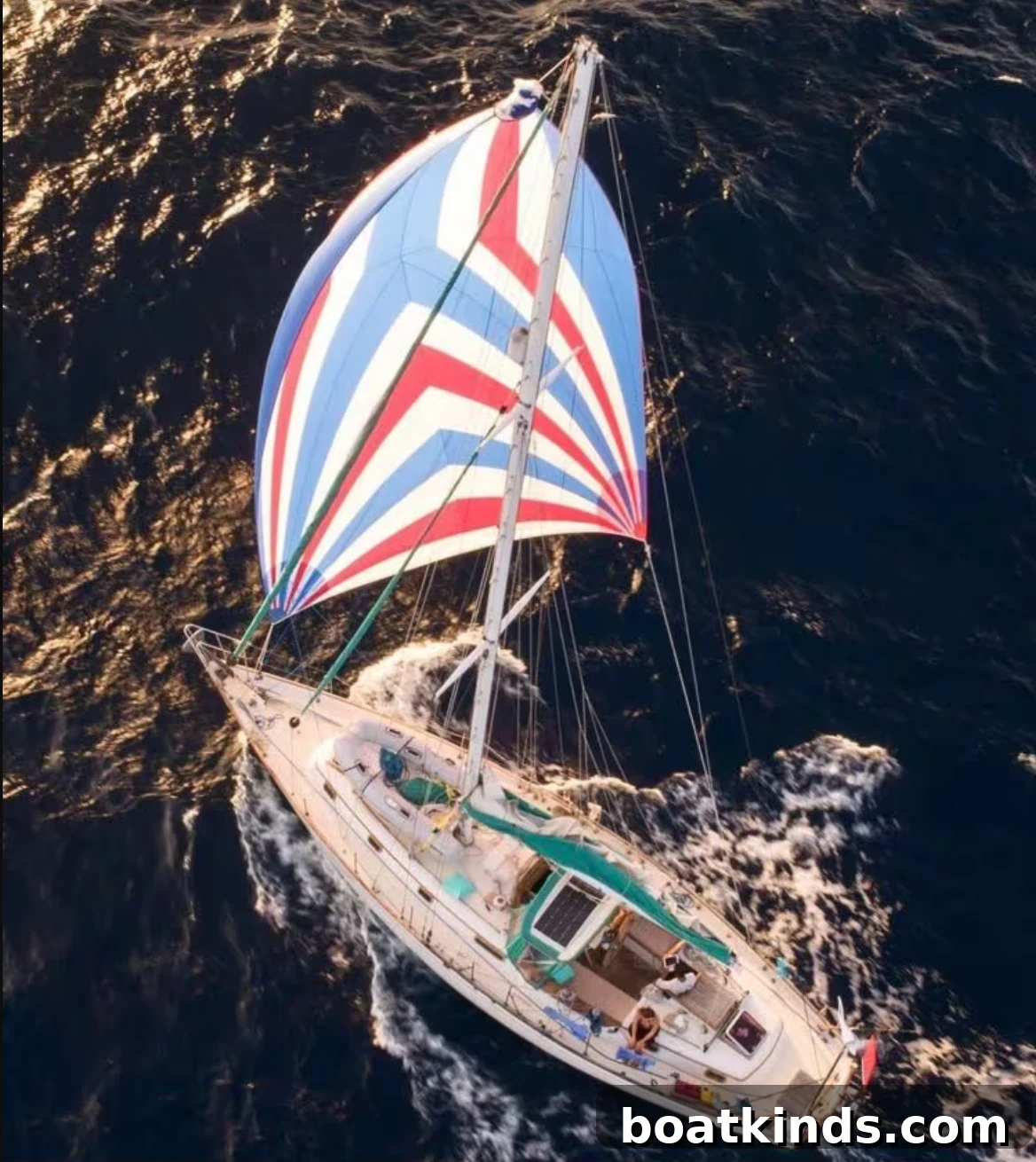
The crew moved quickly and deliberately. They inflated their liferaft and transferred essential supplies to the dinghy: food, drinking water, and communications gear. Rodriguez made a mayday call on the VHF radio before he and his companions abandoned ship. Within roughly 15 minutes of the impact, the sailboat had slipped beneath the waves.
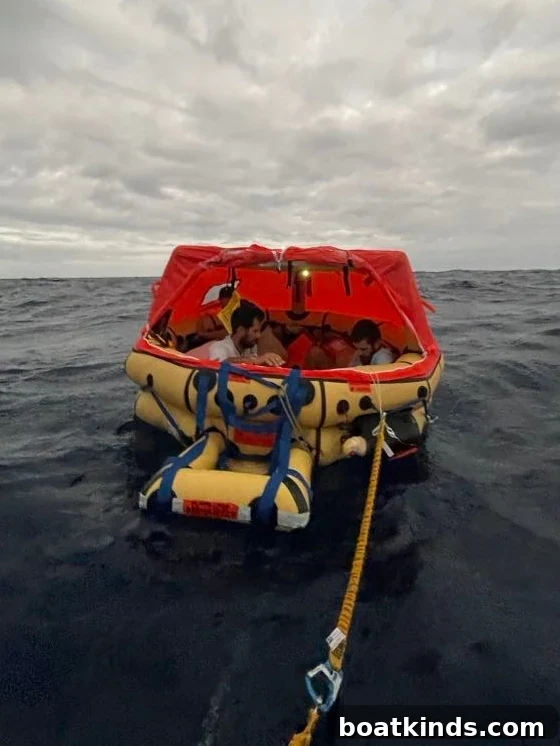
Rodriguez later described the moments of escape as surprisingly procedural. “There was no emotion,” he recalled, explaining that the crew moved through a checklist and focused on preparation rather than panic. “While we were getting things done, we all had that feeling, ‘I can’t believe this is happening,’ but it didn’t keep us from doing what we needed to do and prepare ourselves to abandon ship.” Their training and the boat’s emergency equipment played a critical role in getting everyone into the liferaft and dinghy safely.
After about ten hours adrift, a civilian vessel named Rolling Stone located and rescued the group in what Rodriguez called a seamless rescue. All aboard were recovered without further incident. One crew member, Alana Litz, said they believed the whale involved was a Bryde’s whale and that they saw the animal swimming away with visible bleeding.
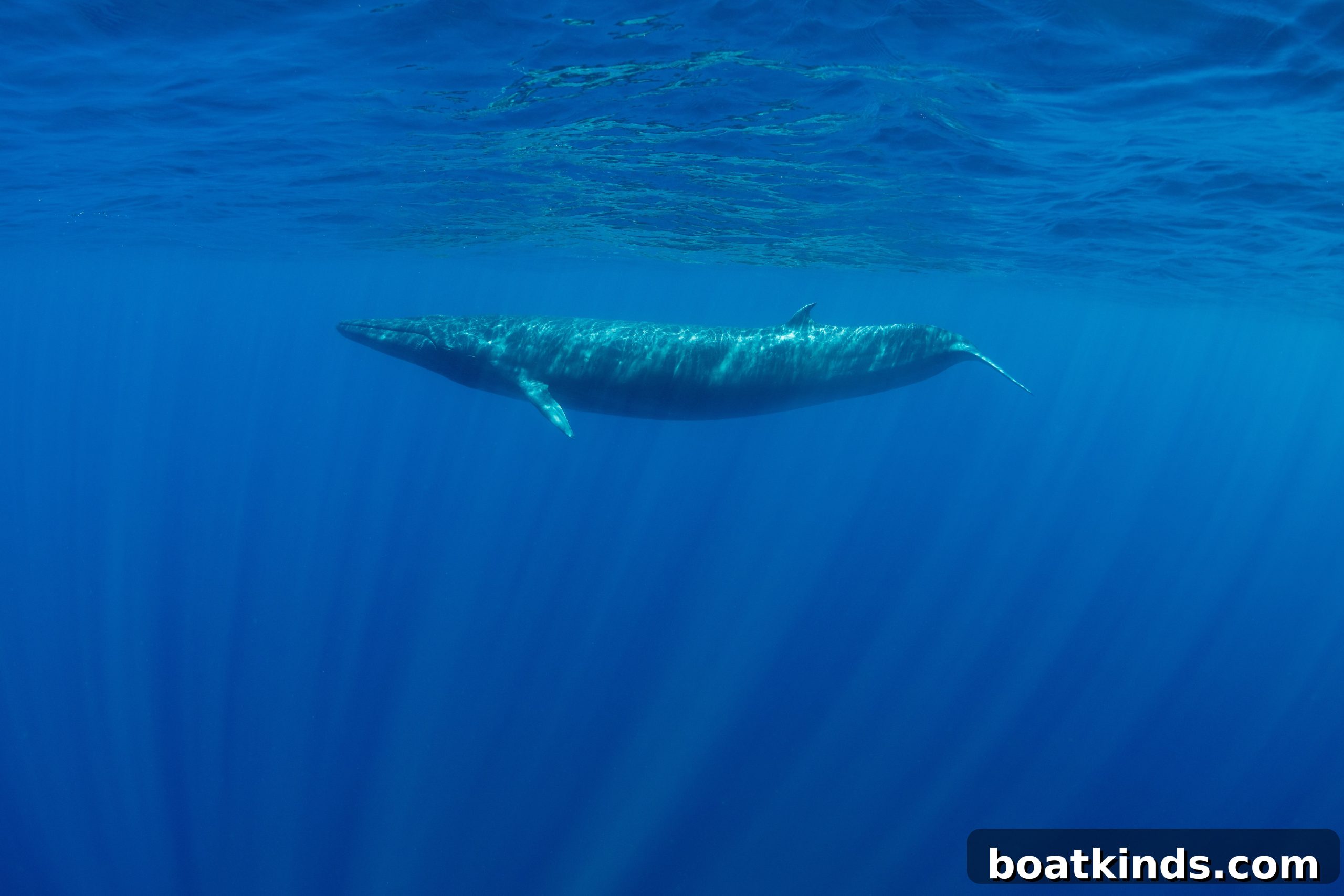
Incidents of whale strikes on vessels are more common than many realize. Since 2007, roughly 1,200 collisions between whales and boats have been recorded, highlighting the risks faced by mariners in certain ocean regions. The Raindancer episode underscores how quickly a recreational cruise can become an emergency and how vital it is to be prepared for the worst-case scenario.
Rodriguez expressed deep gratitude for the outcome. “I feel very lucky, and grateful, that we were rescued so quickly,” he said. “We were in the right place at the right time to go down.” His comments reflect relief that training, communication gear, and fast response combined to prevent a tragedy.
Lessons from the Raindancer sinking are clear for anyone who spends time offshore: maintain working communication devices and emergency equipment, ensure everyone aboard knows basic abandon-ship procedures, and keep survival gear—food, water, signaling devices—readily accessible. Proper preparation and calm action can make the difference between a manageable emergency and a deadly situation.
The story was widely reported in national outlets and drew attention to both the human side of maritime emergencies and the ongoing interactions between vessels and large marine life. For sailors and voyagers, the Raindancer incident is a reminder to review safety plans, verify emergency gear, and practice abandoning ship so that if the unthinkable occurs, the response is swift and effective.