
AI Reveals the Widespread Damage of Prop Scars to Tampa Bay Seagrass
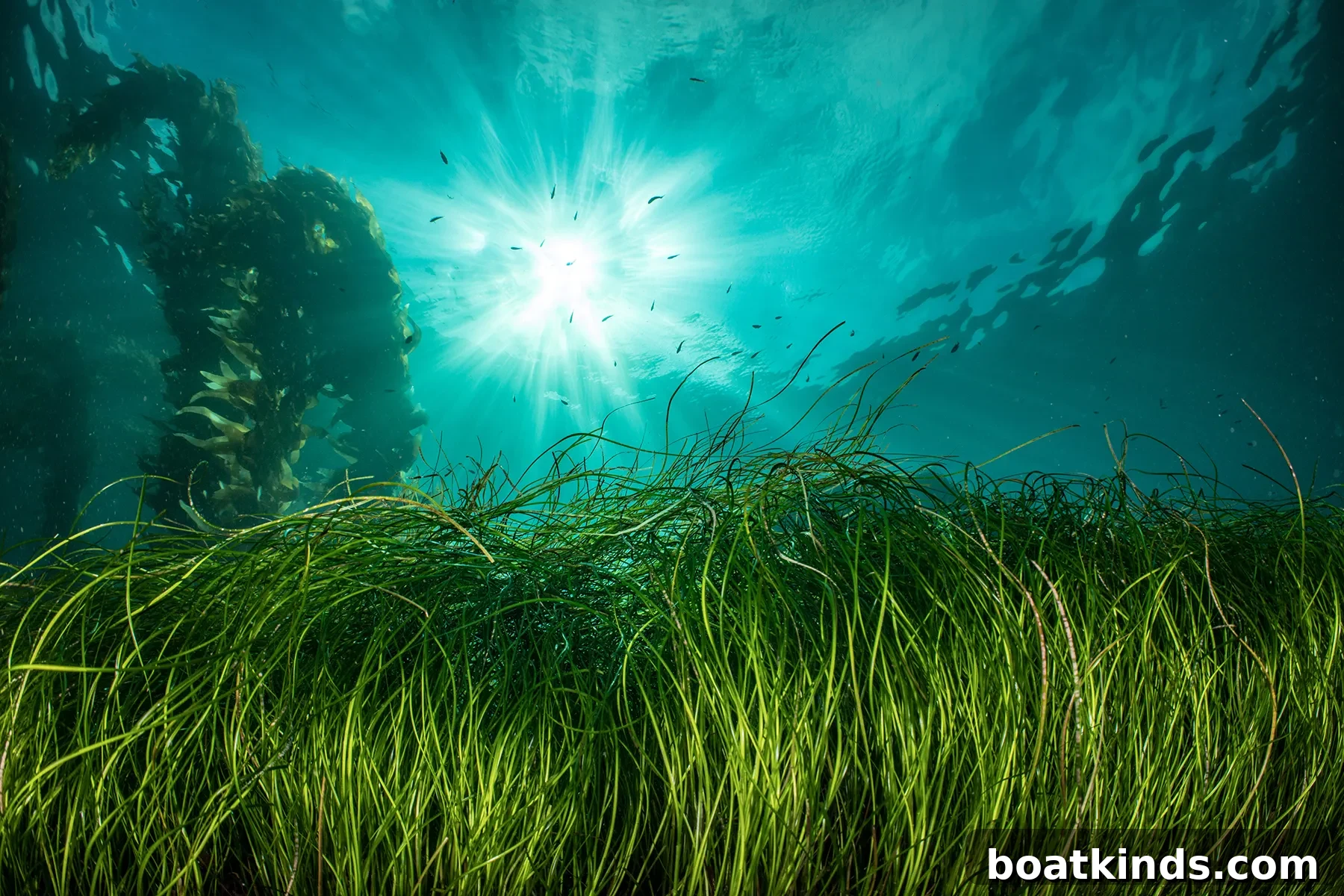
Quenton Tuckett spends a lot of time in the shallows of Tampa Bay, chasing fish and working to restore marine life such as scallops that hide in seagrass beds. His daily experience at the University of Florida’s Tropical Aquaculture Laboratory and time on the water have made him intimately familiar with the damage that boat propellers cause to those vital habitats. Propeller strikes leave U-shaped bare patches—known as prop scars—cut into seagrass beds. These scars can be slow and costly to repair and they impair the habitat that supports fish, scallops, and other species.
Although Tuckett had long noticed prop scarring around the bay, he had not previously quantified the scale of the problem. Identifying scars by eye from aerial photos is possible—the bare sand contrasts with the darker seagrass—but manually tracing every scar across an entire estuary is time-consuming and impractical for a comprehensive assessment.
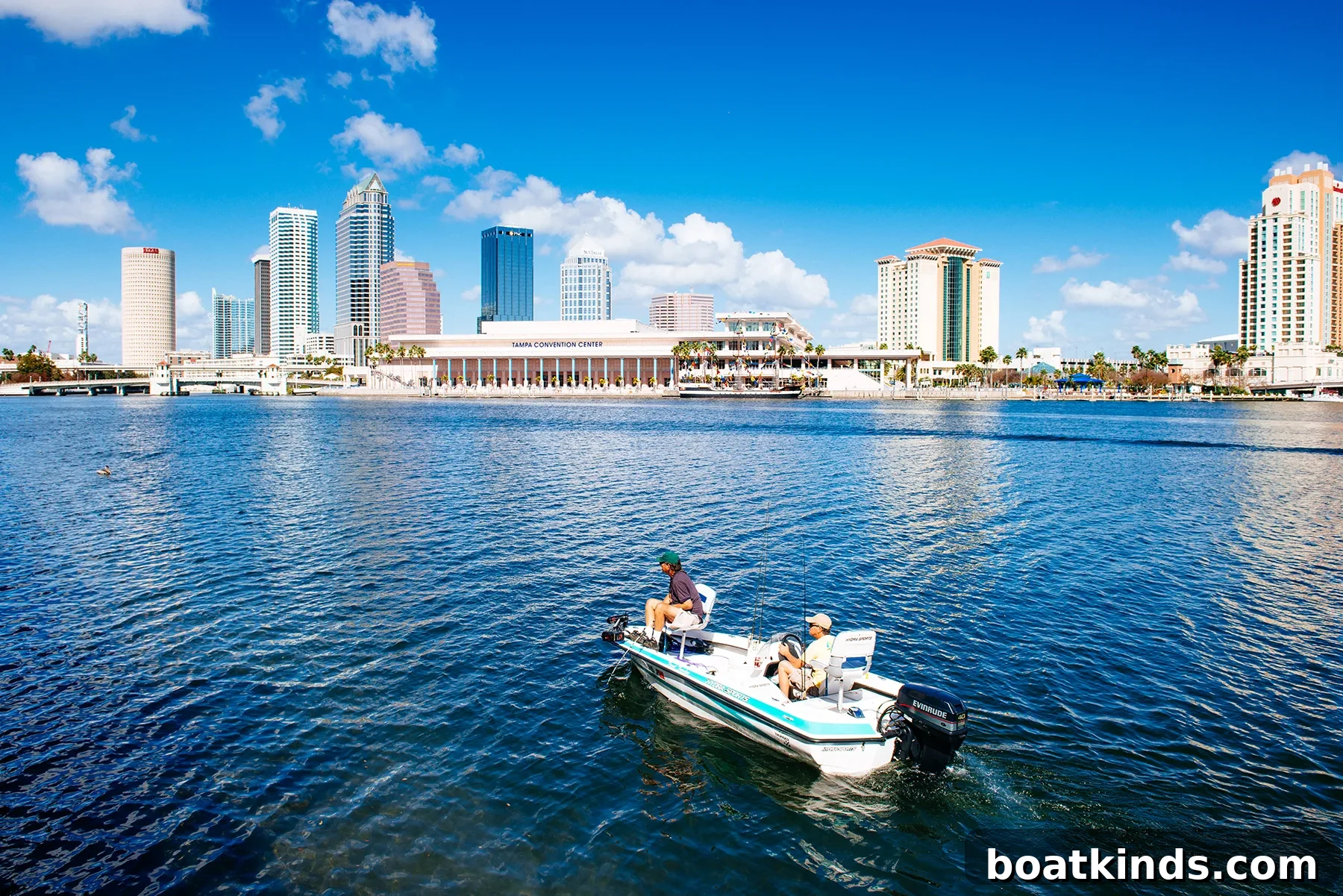
To measure the damage at scale, Tuckett collaborated with scientists at Auburn University and the Tampa Bay Estuary Program to apply artificial intelligence and machine learning to high-resolution aerial imagery of the bay. Their model has now identified nearly 24,000 prop scars in Tampa Bay—roughly one scar for every four registered boats in Hillsborough and Pinellas counties—offering a clear measure of how pervasive the issue is.
“Traditionally, the way people would identify and quantify prop scars is to look at digital [overhead] imagery and circle the areas,” Tuckett explains. “It’s lighter, kind of whitish, because it’s sand against this darker background of the grass. You can actually identify it from a lot of images pretty easily. But it takes a long time to trace those, and we wanted to do the entirety of Tampa Bay.”
The machine-learning model was developed by Katelyn Lawson, a geographic information systems analyst with degrees in zoology, fisheries and aquatic science. Lawson used mapping and analytics software from Esri to stitch together high-resolution aerial photos into a comprehensive mosaic of the bay and to train a computer vision model to recognize prop scars.
To teach the algorithm what to look for, Lawson manually labeled roughly 200 examples of prop scars across the imagery, creating a training dataset that captured the range of appearances scars can take. In some places scars appear more teal, while in other areas they look whiter against the grass, so the training set needed to reflect that variability. After training, the model ran across the full image mosaic for 16 days before producing the final results.
“After that, you can create a model in the software so the computer will look for more of these,” Lawson says. When the model output was complete, she recalls, “It was pretty astounding. It’s crazy, seeing how bad all of it is. When you see all the red lines on the screen, it’s like, whoa.”
The approach is transferable to other waterways where high-resolution overhead imagery exists, meaning other coastal communities could replicate the work to map and quantify prop scarring in their own seagrass beds. For Tampa Bay, the immediate priority is to use the mapped results as the foundation for outreach and education aimed at boaters—showing how common scars are and offering practical ways to prevent new damage.
Tuckett and partners are planning a targeted outreach initiative that will include billboards and other public-education efforts. They are also working with organizations such as Freedom Boat Club to incorporate seagrass protection into training materials for members and new boaters, many of whom may lack experience operating in shallow, vegetated areas.
Simple changes in behavior can greatly reduce prop scarring. Tuckett highlights straightforward practices boaters can adopt:
- Use marked channels and navigational aids whenever possible to avoid shallow, vegetated areas.
- Check tide schedules and avoid shallow transits at low tide.
- Slow down in the shallows and lift the prop when possible to avoid cutting into the bottom.
- Use a push pole or paddle instead of running the engine when maneuvering in seagrass beds.
- Wear polarized sunglasses to better see submerged seagrass and avoid accidental damage.
“It would be great if people just knew what to do,” Tuckett says. “If you’re going to the shallows, use the push pole. Trim up. Go slower. There’s a lot of ways that you can move around in the shallows safely and not damage the seagrass.” He adds, “By all means, if you want to be in the shallows, then be in the shallows, but know how shallow it is. A lot of times, these environmental problems are really hard to handle. But if you’re not chewing up the seagrass, it’s just so obvious that it helps.”
The project demonstrates how modern mapping tools and machine learning can translate overhead imagery into actionable conservation information. With a clearer picture of where scarring is concentrated, resource managers and boating communities can focus their restoration and outreach efforts where they will make the most difference, protecting seagrass habitat that supports fisheries, scallops and the broader coastal ecosystem.
—Kim Kavin
This article was originally published in the March 2023 issue.