
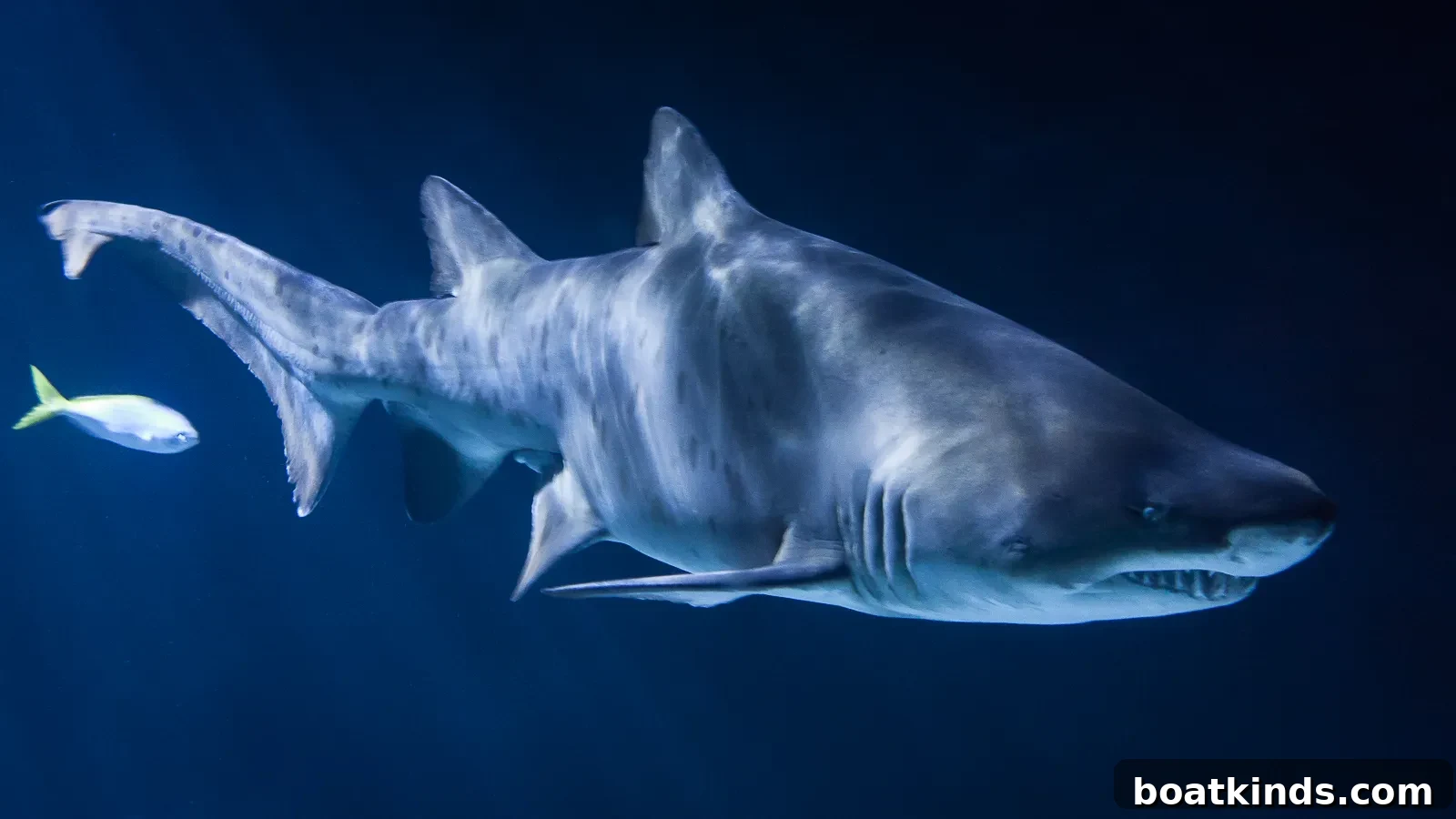
Global Assessment Finds Oceanic Shark and Ray Populations Have Fallen Dramatically
On January 27, the journal Nature published the first comprehensive global assessment of shark and ray populations, revealing a dramatic decline in oceanic species over the past half-century. Researchers estimate that oceanic sharks and rays have dropped by about 71 percent since 1970. Because data from some regions remain incomplete, the true decline could be even greater. The assessment highlights overfishing as the principal driver of these losses, with additional pressure from accidental capture, or bycatch, in commercial fisheries.
Scale of the Crisis: Overfishing and Bycatch
The Nature report underscores that more than three-quarters of oceanic shark and ray species are now considered threatened with extinction. Overfishing — both targeted fisheries and incidental capture — has drastically reduced populations of many species that play important roles in marine ecosystems. Even if targeted commercial shark fishing were to stop altogether, sharks and rays would still face substantial risks because they are frequently caught unintentionally on longlines and in nets set for other species such as tuna and swordfish.
Bycatch remains a persistent problem because it can occur across vast swaths of ocean and affects multiple species simultaneously. Sharks and rays are often slow to mature and produce few offspring, so population recoveries can be slow even when mortality is reduced. The assessment calls attention to this biological vulnerability and the need for urgent measures to prevent further declines.
Practical Measures for Reducing Shark Mortality
The scientists behind the assessment recommend a suite of practical measures to reduce both targeted catch and bycatch. Fishermen can help by regularly checking and retrieving lines to minimize the time sharks remain hooked, avoiding areas known as shark hotspots, and adopting shark-friendly gear that allows hooks or lines to be broken free without releasing target fish like tuna or swordfish. These gear modifications and best-practice techniques can substantially reduce unintended shark mortality while still allowing commercial fishing to continue for target species.
However, uptake of these measures remains limited. In many regions fishermen lack incentives to change practices because regulations often permit the retention and sale of sharks — including species that are critically endangered. The shortfin mako shark, for example, continues to be legally retained in several jurisdictions despite conservation concerns. Without stronger rules and clear economic or regulatory incentives, voluntary adoption of safer gear and handling practices is unlikely to be widespread enough to reverse steep population declines.
Policy Response: Science-Based Management Needed
Sonja Fordham, president of Shark Advocates International and a co-author of the Nature assessment, emphasizes that reversing declines in shark and ray populations will require coordinated government action. Policymakers are being urged to engage closely with conservation scientists, fisheries managers, and industry stakeholders to design and enforce science-based limits on shark fishing. Such limits should be informed by the best available population data and adapted to regional differences in species composition, fishing pressure, and ecological context.
Effective conservation will likely involve a combination of measures: catch limits or moratoria for the most at-risk species, spatial protections for important habitats and migratory corridors, mandatory use of bycatch-reducing gear, and improved monitoring and reporting of shark and ray catches. Strengthening enforcement and providing incentives for fishers to adopt safer practices are also key components of a successful strategy.
Data Gaps and the Need for Improved Monitoring
The Nature assessment also highlights significant gaps in data from many parts of the world, which means that some regional declines may go undetected until populations are already in critical condition. Improving monitoring, data collection, and reporting at national and international levels will be essential for more accurate assessments of population trends and for evaluating the effectiveness of conservation actions.
By combining better science, targeted policy interventions, and responsible fishing practices, governments and the fishing industry can work together to reduce the risk of extinction for many shark and ray species. The Nature study provides a stark warning: without decisive, science-based action, these long-lived, ecologically important animals could continue to decline, with consequences for ocean health that extend far beyond the species themselves.