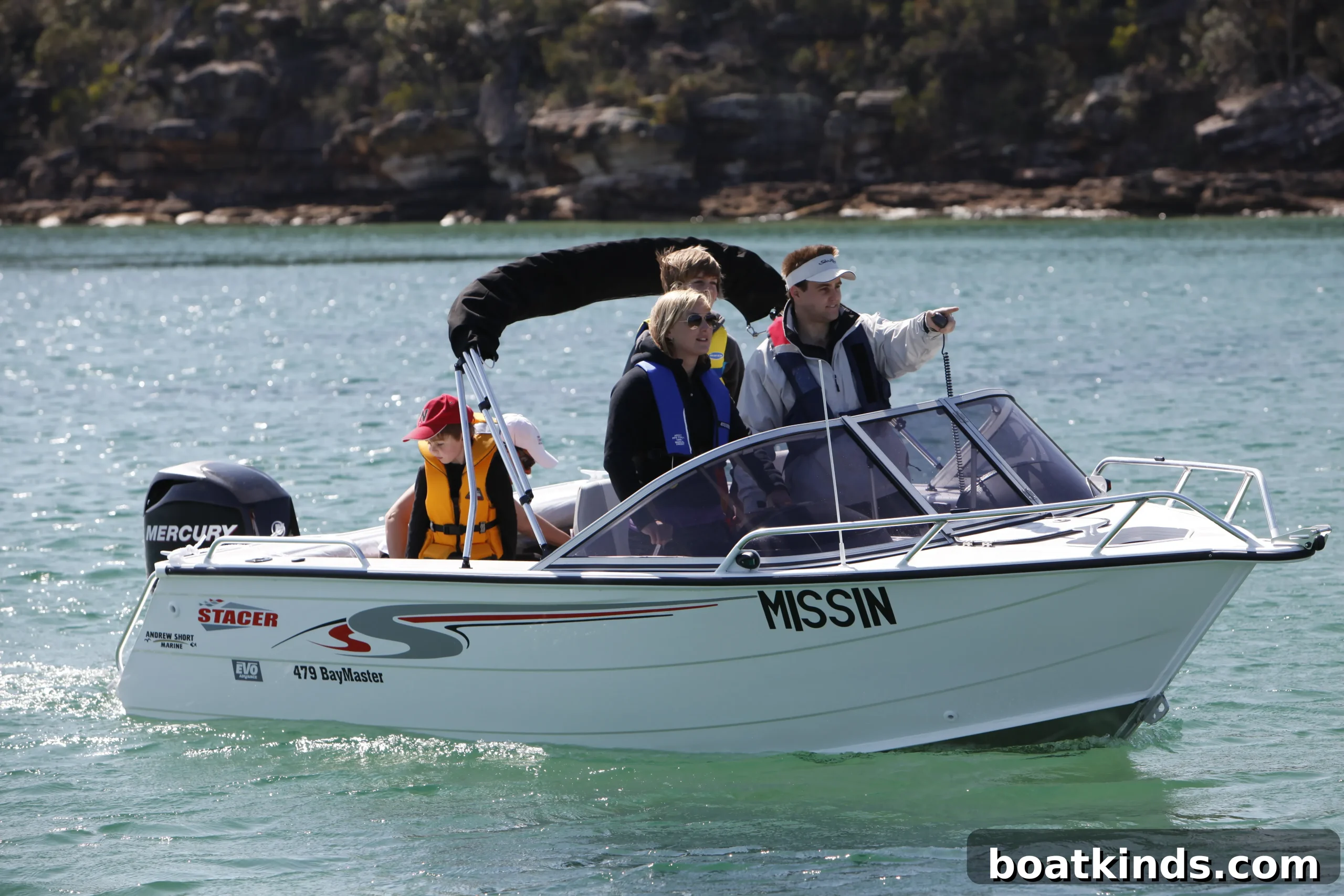
When I served in the U.S. Coast Guard I learned to be precise with safety guidance, and that is why the commonly repeated slogan “Always wear your life jacket” frustrates me. Wearing a personal flotation device (PFD) is usually good advice, but the word “always” masks nuance and can make the guidance feel meaningless. When advice leaves out context it becomes easy to ignore. That’s why I prefer to talk about when and what to wear rather than handing out an absolute rule.
Absolute phrases like “always” and “never” leave no room for judgement and practical decision-making. They also encourage dismissal: if a recommendation is clearly impossible or unrealistic in some common situations, people simply stop listening. For example, few people put on a life jacket to ride the Staten Island Ferry, to sit at a table on a dinner cruise, or to sleep below deck on an anchored sailboat. So even among safety professionals the “always” becomes “not really always.” That semantic discrepancy matters because repeating the slogan for decades hasn’t produced a measurable change in boating-drowning statistics.
Over the past twelve years, some troubling patterns persist: certain years rank high for boating drowning deaths, and a notable percentage of those who drown were wearing life jackets. Drownings that occur while someone is wearing a life jacket underline the complexities of flotation use — fit, type, condition, and circumstances all influence outcomes. The point is not to scare you away from wearing a life jacket; it is to highlight that the issue is complex and worth thinking about thoughtfully.
When to Wear:
I always put on a properly fitted life jacket in several clearly defined situations. These are practical rules that reflect real risk rather than an absolute slogan:
- Whenever you are alone on the water aboard any vessel.
- Whenever the water temperature is below 70°F, since cold water increases risk quickly.
- When you are working on deck, fishing, or crewing a sailboat — all activities that increase the chance of an accidental fall overboard.
- Any time a vessel declares or should declare a “Pan Pan” or other onboard emergency.
- In any weather I would describe as foul — high winds, heavy rain, or rough seas.
- Whenever you get a “bad feeling” about a situation. Intuition and caution are legitimate safety tools.
Those guidelines also come with an important exception: non-swimmers and children should wear an appropriate lifejacket any time they are aboard small boats. Their vulnerability merits a clear, strict rule because the margin for error is smaller.
What to Wear:
Choosing the right life jacket — foam or inflatable, auto or manual inflation, how much buoyancy — is just as important as deciding when to wear one. Unfortunately, there isn’t a single correct answer for every situation. The right PFD depends on activity, water temperature, expected duration in the water, and personal fit and comfort. Below are practical pros and cons to guide that decision.
Non-inflatable foam life jackets
Pros:
- They are simple and reliable: their buoyancy does not depend on a firing mechanism or bladder. When properly fitted they keep the head above water in many scenarios.
- Foam jackets typically have ample, accessible pockets that remain usable in the water.
- They provide some insulation in colder conditions, which can slow heat loss compared with thin inflatable shells.
- Foam PFDs support an upright, swim-friendly posture and generally allow easier movement and visibility while in the water.
Cons:
- Foam jackets often provide less overall buoyancy than inflatables; on long-duration rescues or rough seas more buoyancy can be critical.
- They can be warm and less comfortable in hot weather.
- Style and bulk are subjective drawbacks for some users.
Inflatable life jackets
Pros:
- Inflatables can deliver high buoyancy and many designs are self-righting, helping keep an unconscious wearer’s airway clear.
- They are generally more comfortable to wear for long periods, especially in warm climates.
- Inflatables offer superior freedom of movement on deck and tend to be less bulky while working or sailing.
- Certain models integrate harnesses for tethering on sailboats, reducing the need to inflate in some cases.
Cons:
- Inflatables have more potential points of failure: the trigger, CO₂ cylinder, and bladder require maintenance, inspection, and periodic replacement.
- If not fitted correctly they can be dangerous or uncomfortable; poor fit can restrict breathing or shift the device into a problematic position in the water.
- High-buoyancy inflatable designs can make swimming and changing position in the water more difficult because they act like a flotation yoke.
- Pockets, if present, are often located on the inflatable cover and become inaccessible or impractical after inflation.
These trade-offs show why there is no single best jacket for every boater. A PFD that maximizes buoyancy might hinder swimming or signaling, while a slim, comfortable jacket might not provide enough flotation in long-duration emergencies.
One final, crucial point: never rely on a life jacket until you’ve tried it in the water. I teach in-water survival and always require students to bring their personal life jackets so they can practice swimming, breathing, and adjusting in the device. The most common reaction after that first in-water session is, “I hate this thing,” followed by “I need a different jacket.” Trying a PFD in controlled conditions teaches you whether it fits, restricts movement, or performs as expected.
Personally, for about 90% of my boating activities I use a closed-cell foam Type III lifejacket with generous pocket space that I stock with essential gear. I keep it close at hand and use it when risk levels are higher, but I don’t wear it while reading below deck at anchor. The goal is to use judgement and have the right equipment accessible, properly fitted, and practiced with — that combination does more for boating safety than an empty slogan.