
If you’ve spent even a few seasons around docks, swapped stories in the bait shop, or tracked catches around a marina, you’ve probably heard a common maxim: “Ten percent of the anglers catch ninety percent of the fish.” That tidy saying captures a truth about most activities — a small, dedicated minority tends to dominate the results — and fishing is no exception.

The anglers who make up that top ten percent are usually defined less by mystique and more by habits. They are the ones who want to learn constantly, who spend far more time on the water than their peers, and who devote significant mental and physical energy to finding and landing fish. They study tides, bait movements, structure, and seasonal patterns. They practice casts, refine presentations, and maintain equipment to a high standard. In short, they treat fishing like a craft rather than a weekend pastime.
What’s most interesting is trying to identify the traits and methods that consistently appear among these top performers. Over nearly two decades of observing and fishing with experienced captains and competitors, my own view of what makes a top angler has evolved. Early instincts about luck or a special knack gave way to a simpler, more pragmatic framework: top anglers are rarely relying on secrets or magic lures. They rely on disciplined habits, focused learning, and repeated time on the water.
A central factor in joining that elite group is apprenticeship. Great anglers are often taught by other great anglers. A skilled teacher can point out which cues and tactics matter, and — equally important — which variables are red herrings. Apprenticeship accelerates learning by stripping away unnecessary complexity and by showing which fundamentals will actually improve catch rate. Learning the right methods through direct practice and guided repetition builds instincts that eventually become second nature.
Most sharp anglers don’t learn in a neat, linear fashion. They absorb lessons through repetition: casting, baiting, running lines, adjusting to tide and weather, and watching how fish respond. Down time on the water is as valuable as hook-ups because it’s where technique and timing are honed. After long practice under a mentor, a developing angler reaches the point where poor technique is no longer blamed for a slow day. That certainty about one’s craft—knowing that knots, lure choice, and presentation are not the weak links—lets professionals maintain focus even when fish are scarce.
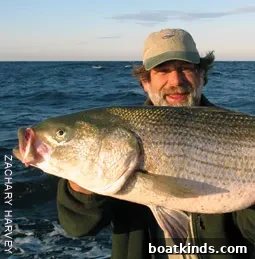
Technical competence is necessary but not sufficient. I’ve met many anglers with solid technique who never quite reach the top tier. What separates consistent winners is the quality and quantity of their experience, and their temperament. The best anglers have endured countless long, fishless hours without losing focus, which requires patience, resilience, and dedication. Many of these top performers are unapologetic about their obsession with fishing; they consistently show up to the spots others avoid and keep working until conditions change.
Perhaps the most unglamorous — but most accurate — advantage of Ten Percent anglers is simple time on the water. Consistency and frequency matter. A captain who fishes a given ground every day develops a finer sense of how that bottom looks, how it reacts to shifts in wind, tide, bait, and predators, and how to read subtle signs that others miss. When two anglers have similar knowledge of an area, the one who has been fishing it nonstop will usually out-fish the other because they are better “warmed up” tactically and more current on recent patterns.
That grind is a reality of high-level fishing. Top anglers rarely bask in glory every trip; instead, they accept a cycle of study, routine, and hard work. The benefit is cumulative: frequent, focused trips build pattern recognition and muscle memory that pay off under pressure during tournaments, charters, or critical outings.
If you’re aiming to move into that minority who accounts for most of the catches, expect to invest more than money in gear. Be prepared to embrace disciplined learning, seek out mentors, practice relentlessly, and spend a lot of hours on the water. It’s not glamorous, and there are no guaranteed shortcuts, but consistent effort and the right habits reliably raise your odds of success.
In the end, the story of the Ten Percent isn’t about secret tactics or miracle lures. It’s a story of apprenticeship, technical mastery, relentless practice, and time in the right places. If you want to catch more fish, fish more, learn from those who consistently succeed, and focus on the fundamentals that actually move the needle.
Zach Harvey is fishing editor for Soundings.
January 2014 issue