
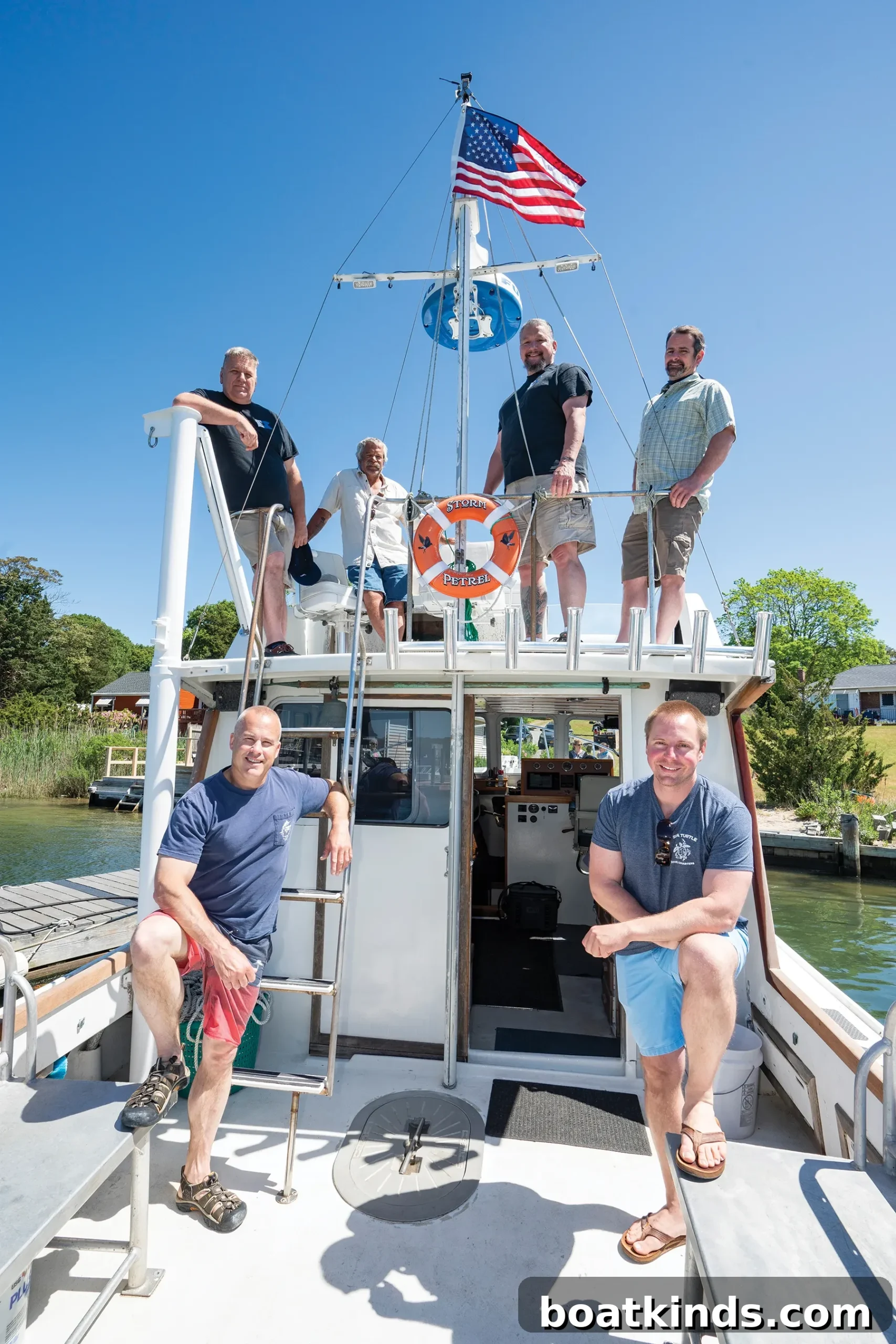
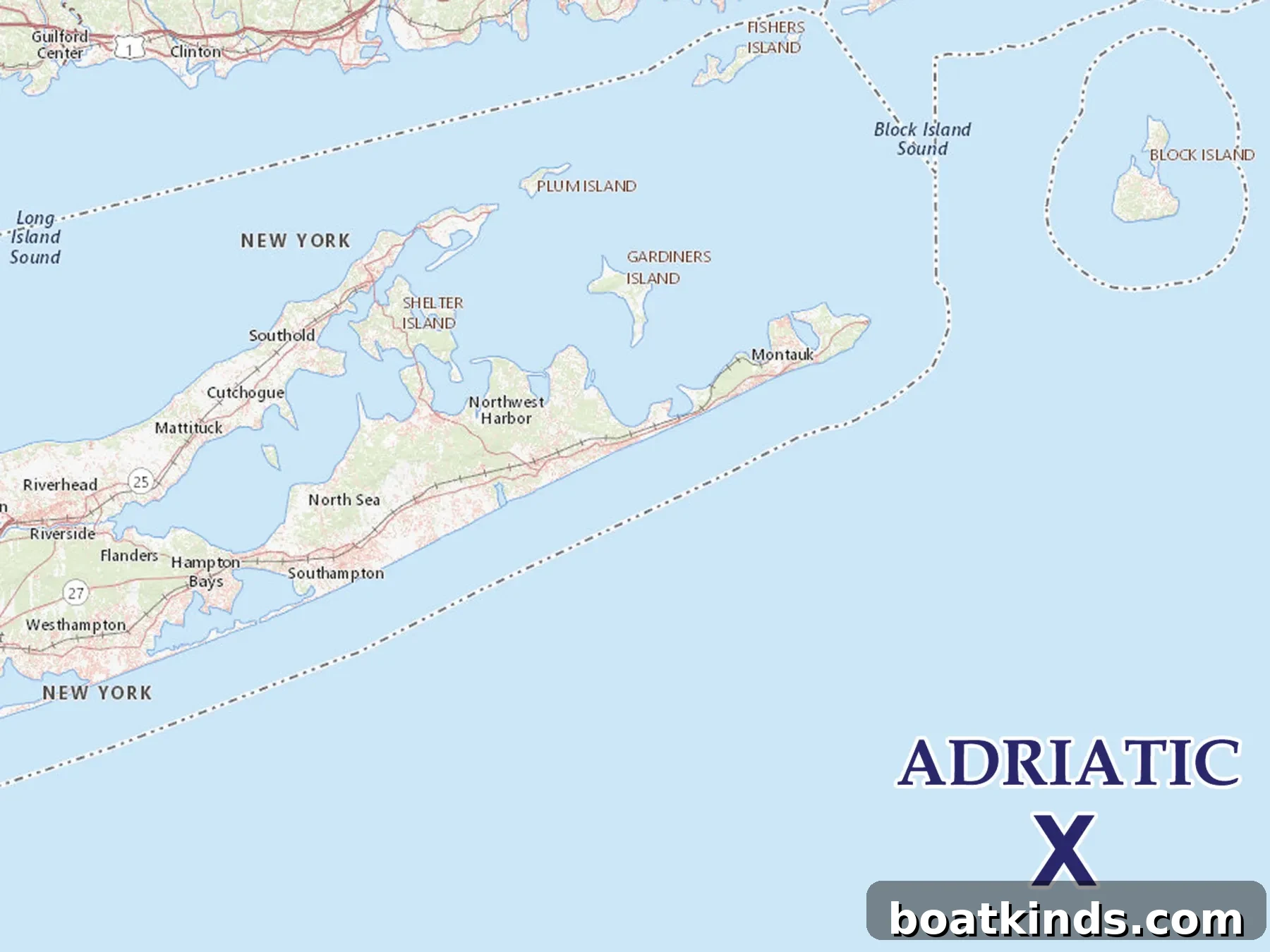
The Storm Petrel steamed out of Shinnecock Inlet and headed to a site about 30 miles south of Montauk Point, New York — a stretch of water Capt. John Noonan had first marked nearly a dozen years earlier. Once the anchor was set, the initial pair of divers donned dry suits and rebreathers and descended roughly 220 feet to the Atlantic floor. On September 22, 2016, their mission was to examine an unidentified shipwreck believed to lie on the bottom.
Andrew Favata and John Bricker spent about 30 minutes on the seabed where the water was near 40 degrees and visibility was almost nil. Fishing nets had enshrouded large portions of the wreck, obscuring its profile. “It looked like a rock pile,” Favata recalls. After completing their staged two-hour ascent along the anchor line to decompress, the pair felt the dive had been fruitless. Back on the surface they recommended leaving and trying another site.
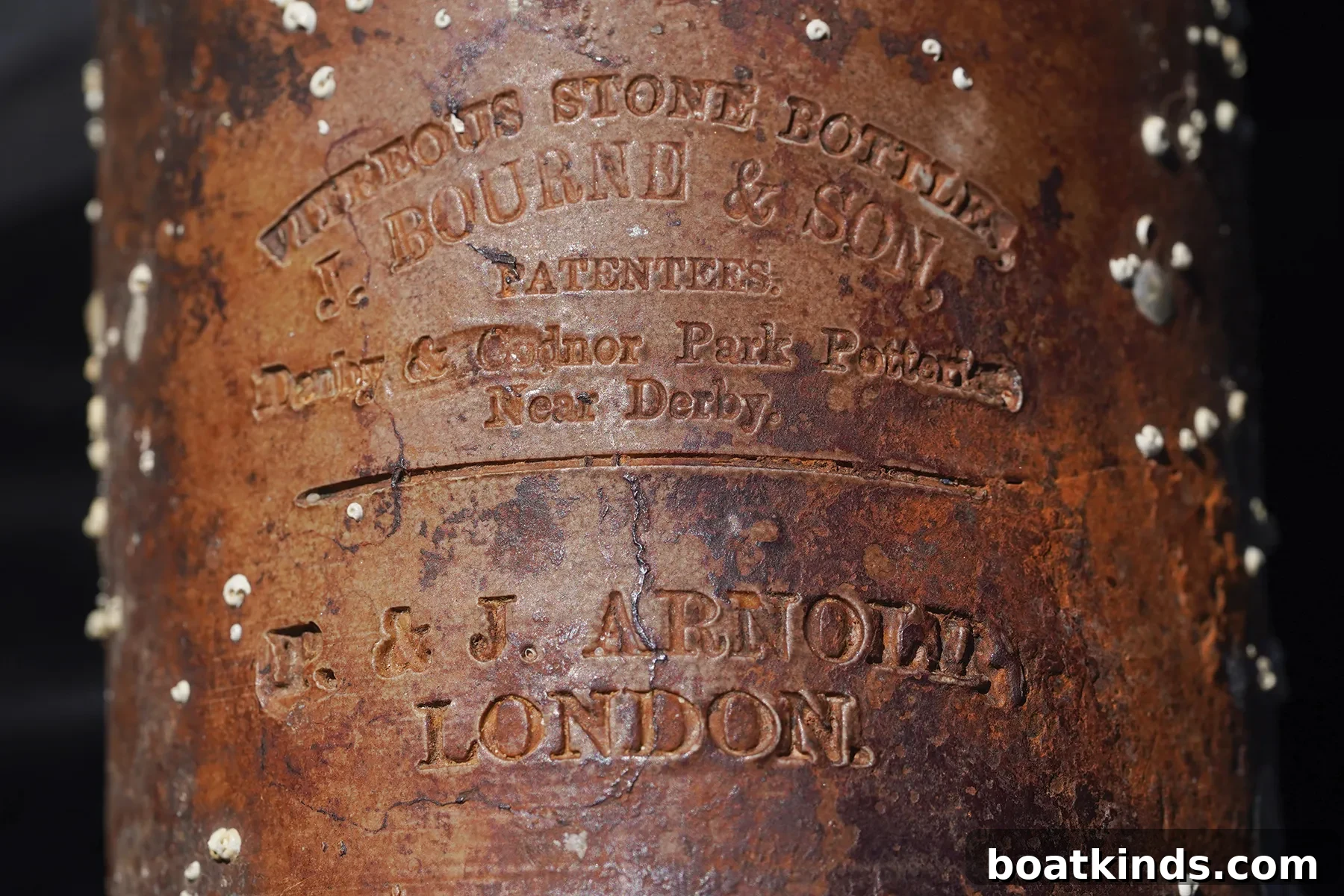
Since they were already on location, Noonan and fellow diver Jim DiSciullo decided to make an additional descent. DiSciullo remembers swimming 15 feet and spotting a stone ink bottle. That bottle turned out to be one of several artifacts found on that first dive.
At the time the team did not realize they were beginning to solve a mystery stretching back to the final months of the Civil War. Over four more dives across two years, followed by two years of archival research, the group concluded they had located the final resting place of the packet ship Adriatic. The Adriatic was the largest and most valuable of 33 prizes captured in August 1864 by the Confederate commerce raider CSS Tallahassee during its last northern raid before the war ended. The divers plan further returns this season to recover more artifacts that could conclusively identify the wreck as the Adriatic.
Origins of Discovery
“Finding the wreck of the Adriatic is an amazing discovery,” said Harrison Hunt, co-author of Long Island and the Civil War. “It highlights how close the Civil War came to home.” Historians long had a general idea where the Adriatic had been abandoned and set afire, and local commercial captains had recorded coordinates of an unknown wreck after their nets repeatedly snagged on it. Noonan of Hampton Bays set the identification process in motion after buying a boat from one of those fishermen.
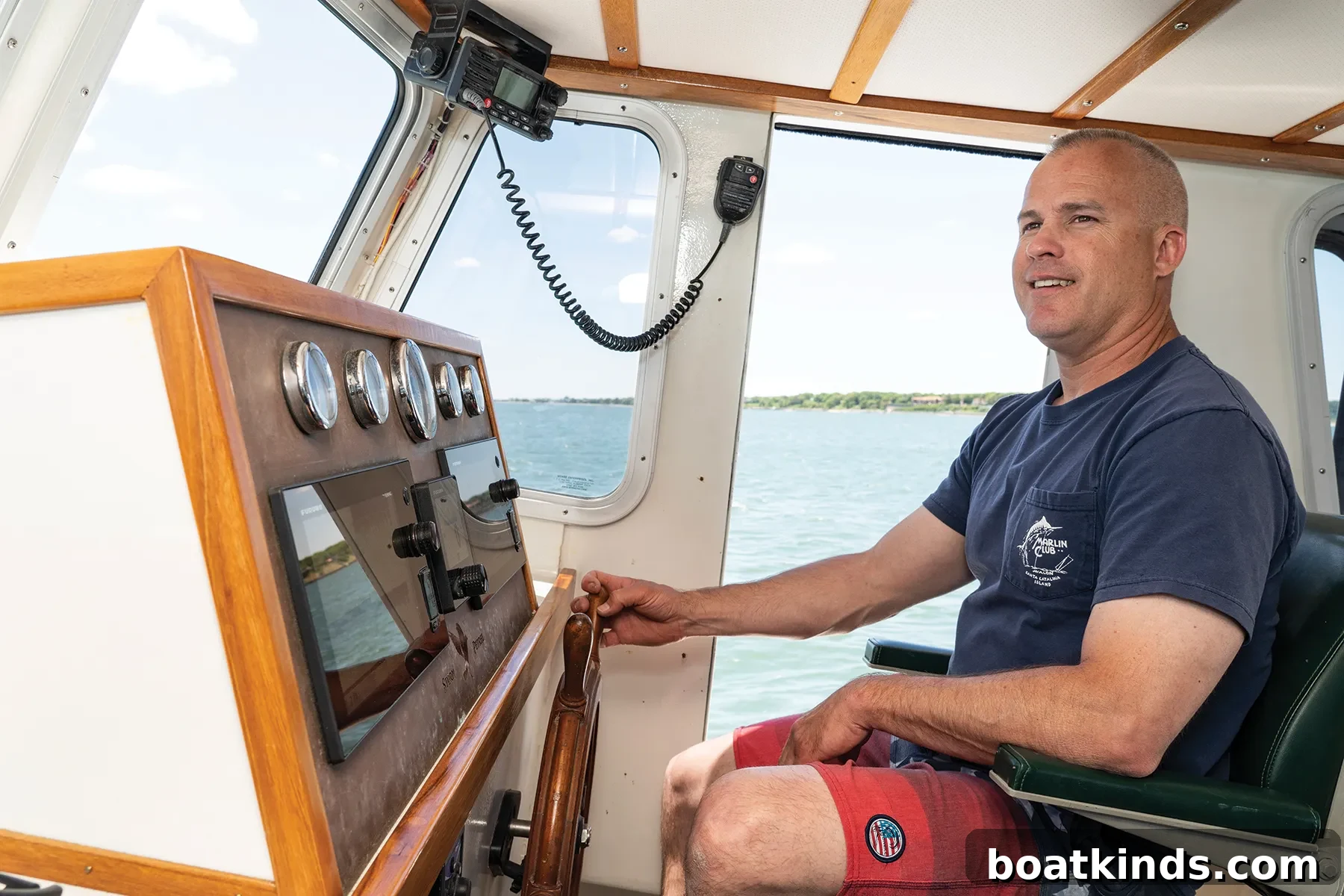
Noonan recalls meeting the fisherman in a Shinnecock marina in the early 2000s and eventually buying his 32-foot Pickerell in 2003. He renamed it Storm Petrel. The boat came with a list of “hang” numbers—recorded snag points where nets had caught obstructions—and one set of coordinates piqued his interest. In 2004 he returned to that location and, after sweeping the area, began to see a structure appear on the sonar screen.
Using sonar and GPS, Noonan mapped the bottom structure and estimated roughly 8 feet of relief and more than 100 feet of length for the unknown object. Curious to see it in person, he became certified as a diver the following year and trained to make deep dives. By September 2016 he had the experience and the vessel he needed. After selling his original Storm Petrel, Noonan bought and rebuilt a 31-foot BHM specifically outfitted for deep-diving work and again named it Storm Petrel.
Building the Team
With the boat ready, Noonan assembled a small team of experienced technical divers to explore the deep wreck. The core group included six men, not all of whom dove on every excursion. Most worked as mates on commercial dive boats and collectively brought more than a century and a half of diving experience to the project.
Noonan, raised on Long Island’s east end, grew up boating and snorkeling around Shinnecock Inlet. He earned diving certification in 2005, a Coast Guard captain’s license in 2008 and went on wreck expeditions worldwide. Ben Roberts built a database of some 60,000 underwater obstructions and founded Eastern Search & Survey; his experience includes work on wrecks in the 200–300 foot range. John Bricker, diving off Long Island since the 1980s, has visited more than 100 wrecks. Patrick Rooney began at sea as a teenager and later took part in notable deep searches. Andrew Favata, Noonan’s rebreather instructor, and Jim DiSciullo, a firefighter and experienced commercial diver, rounded out the team.
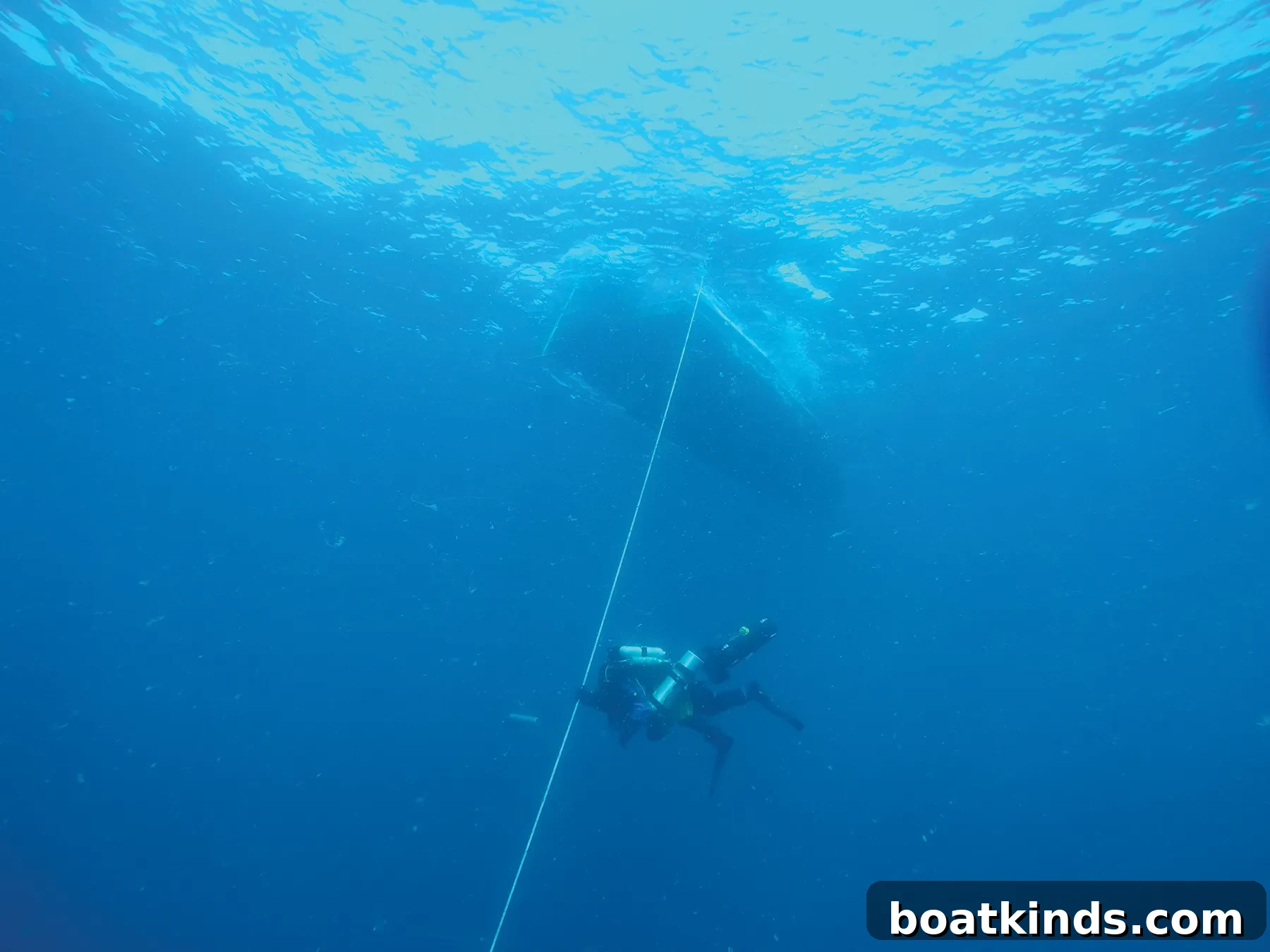
Because the site lay at depth, the team relied on rebreathers and helium-enriched breathing mixtures. Replacing nitrogen with helium reduces the risk of nitrogen narcosis and decompression sickness at depth, and rebreathers recycle breathing gas to extend bottom time. Despite advanced equipment, the wreck presented significant challenges: near-zero visibility from silt, total darkness at 220 feet, derelict nets that posed entanglement hazards, lengthy decompression obligations and curious sharks. Still, the divers persisted, motivated by the mid-19th-century cargo they gradually uncovered.
Over successive dives the team recovered stoneware ink bottles, rolls of zinc, iron railroad rails, and lead ingots stamped with manufacturers’ names. They brought up about a dozen artifacts—primarily ink bottles and a few other diagnostic items—to aid identification. On June 19, 2019, Roberts conducted a side-scan sonar survey to image the wreckage. Concurrently, the team researched period records related to the Adriatic and the CSS Tallahassee to verify the site’s identity.
Story of the Adriatic
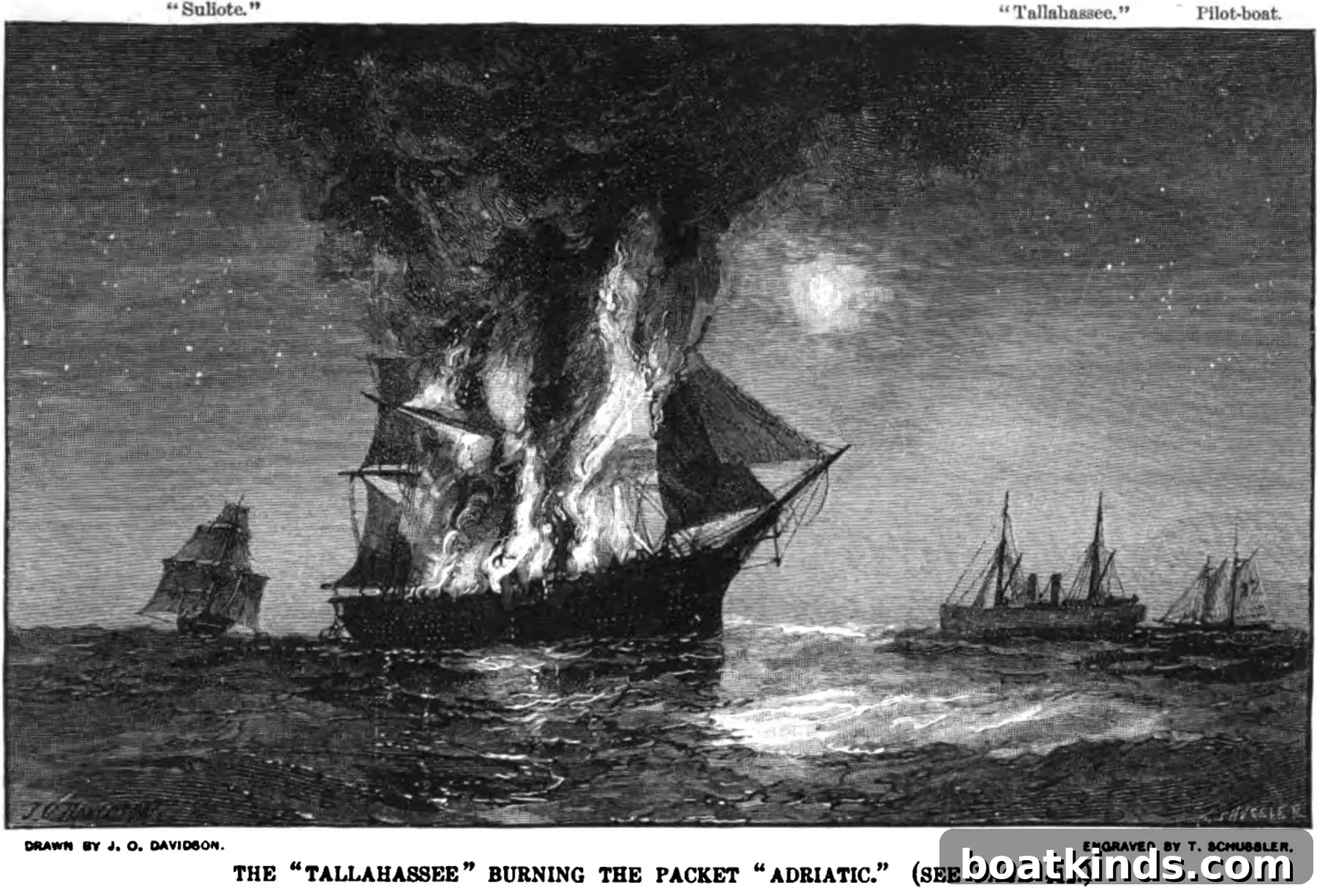
By August 1864 the Confederate coastline was nearly sealed by the Union blockade, and supplies were scarce. The commerce raider known as Tallahassee was commanded by John Taylor Wood, a nephew of Confederate President Jefferson Davis who had served as a gunnery officer aboard the ironclad CSS Virginia. Converted into a raider and armed with several cannons, the vessel slipped north to prey on Union merchant shipping, capturing numerous ships off New Jersey, New York Harbor and Long Island.
On August 12, 1864, Tallahassee encountered the 181-foot packet Adriatic, which carried about 190 passengers and crew. Wood later described transferring the frightened passengers and their effects to one of his boats before setting the Adriatic on fire; as night fell the burning ship illuminated the ocean for miles. The Tallahassee continued its cruise as far as Halifax, Nova Scotia, before slipping back into Confederate-controlled waters.
Although the divers had not yet recovered an artifact bearing the ship’s name, documentary research yielded compelling corroboration. Roberts spent two years visiting the National Archives and ultimately found damage-claim records from 1864, published in 1872 as part of the famous CSS Alabama court cases. Those records included merchant invoices listing items—such as the ink bottles—matching artifacts recovered from the wreck, providing strong evidence that the site is indeed the Adriatic.
The team is scheduled to return to the wreck this summer with clear objectives: search for conclusive identifying artifacts such as a bell, a capstan cover, a builder’s plaque or other fittings bearing the ship’s name; further investigate the bow and stern areas; and trace partially buried anchor chains back to the windlasses. Side-scan imagery shows hull outlines that were not initially obvious during dives, and the divers hope to locate steering gear, possible helm components, or related fixtures that could seal the identification. “We haven’t spent much time on the bow,” Roberts says. “There’s more to uncover.”
As Bricker puts it, the wreck still has a story to tell, and the team intends to keep listening.
This article originally appeared in the August 2020 issue.