
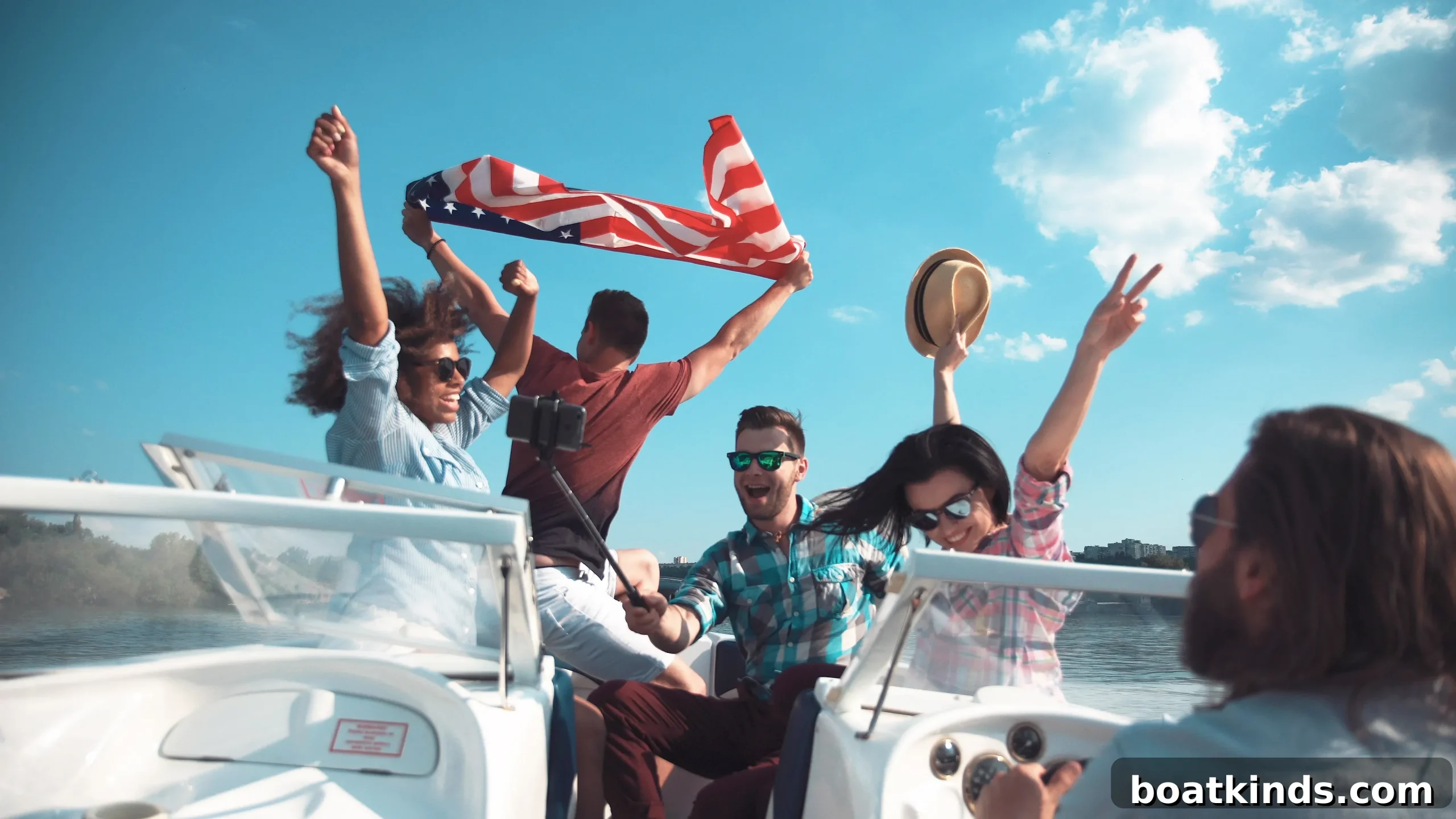
In 2020, an estimated 415,000 people became first-time boat owners, and holiday weekends tend to fill the water with more vessels than usual. That makes vigilance and preparation essential for every trip.
Below are 12 practical boating safety tips from experienced boating advocates. These reminders are useful for new boaters and seasoned captains alike.
1 – Education and Essential Equipment
Before you put your boat in the water, be sure you are comfortable at the helm and have completed a recognized boating safety course. Look for classes taught by qualified instructors that include on-water skills training when possible. Courses are offered in-person, online, and in hybrid formats by organizations such as the U.S. Coast Guard Auxiliary and America’s Boating Club, as well as many private providers. Check reputable boating-safety organizations and your local authorities for recommended courses and certification resources.
Familiarize yourself with your vessel’s operating manual and inspect all equipment before departure. Make sure radios (VHF) are working and that you and your crew know how to use them. If available, know how to operate an EPIRB or a personal locator beacon.
2 – Life Jackets Save Lives — Wear Them
Drowning is the leading cause of death in many boating incidents. When the cause of death is known, the majority of drowning victims were not wearing life jackets. Ensure your boat carries U.S. Coast Guard–approved life jackets for every person aboard, sized to fit each individual. Modern life jackets come in a range of styles for different activities—choose the right type for your planned use. Check your state laws for any age-specific requirements and mandates.
3 – Don’t Drink and Boat
Alcohol, combined with sun, wind, and motion, significantly increases the risk of an accident. U.S. Coast Guard reports consistently identify alcohol use as a leading contributing factor in fatal boating incidents. For the safety of everyone on board, avoid consuming alcohol while operating a boat.
4 – Use an Engine Cut-Off Switch (ECOS)
An engine cut-off switch (ECOS) is an onboard safety device that stops the engine if the operator falls overboard. Federal requirements now mandate ECOS on many vessels, and wireless versions are available for active skippers. Use the ECOS or its wireless equivalent every time you operate the boat to reduce the risk of runaway vessels and related injuries.
5 – File a Float Plan
Tell someone onshore where you’re going and when you expect to return. A float plan should include the names and contact information for everyone aboard, your destination and route, planned stops, and an estimated return time. If you don’t return as scheduled, this information will speed any search and rescue efforts.
6 – Monitor the Weather
Plan trips around weather forecasts and keep monitoring conditions while underway. Sudden storms, lightning, strong winds, tides, and currents can create hazardous conditions quickly. If conditions deteriorate, seek shelter and notify the people who have your float plan about any changes.
7 – Communicate Safety Procedures Before Departure
Before you leave the dock, clearly explain safety rules to everyone on board, including children. Cover basics such as when to stay seated, where life jackets are stored and how to put them on, the location of throwable flotation devices, and who will watch for traffic or assist with watersports. Clear communication prevents confusion and helps everyone respond calmly in an emergency.
8 – Obey Your Boat’s Capacity Limits
Every boat has a maximum capacity rating for both people and weight. Exceeding that limit increases the risk of capsizing and reduces stability. Account for passengers, gear, coolers, and water toys when calculating load to keep the vessel within safe limits.
9 – Stay Alert and Focused
Many accidents result from distraction or inattention. The operator must remain vigilant, continuously scanning the horizon, watching for other boats, swimmers, and hazards, and anticipating maneuvers. Assign a lookout when conducting watersports or navigating crowded areas.
10 – Pick Appropriate Destinations
If you are a novice boater, avoid the busiest times and most crowded hotspots until you gain confidence and skill. Navigating tight anchorages, handling lines, and dropping anchors in close quarters demands experience. Choose quieter destinations while you build competence.
11 – Respect Speed Limits and No Wake Zones
Speed limits and no-wake zones exist to protect marinas, shorelines, swimmers, and smaller craft. Violating these rules can create dangerous wakes, cause property damage, and result in fines. Slow down and maintain safe speeds in marked areas.
12 – Take Extra Precautions at Night
Nighttime boating increases risk because visibility is reduced. Holiday events like fireworks and raft-ups add congestion. Make sure navigation lights are functioning, reduce speed, avoid alcohol, and stay especially alert for inexperienced or impaired operators. Use charts and electronic navigation aids as needed and maintain safe separation from other vessels.
Bonus Tip: Install the official Coast Guard boating safety mobile app on your smartphone to access up-to-date safety guidance, navigation rules, weather data from nearby buoys, and other boating safety resources. The app is available for both iOS and Android devices.
Good planning, the right equipment, and a safety-first mindset make boating enjoyable and significantly reduce risk. Share these tips with your crew before every trip and keep safety the top priority on the water.