
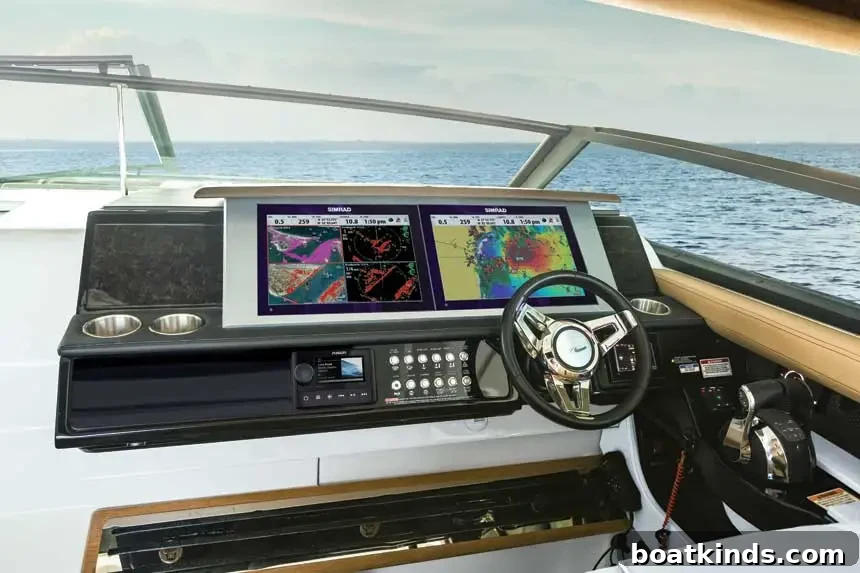
Marine electronics evolve at a breakneck pace. New products debut every season, and it’s easy to fall behind if you’re not watching the market. If you’re considering an upgrade or a full system replacement, focus on three areas where recent advances deliver clear benefits for boat owners: integration with power systems, remote monitoring and control, and forward-looking sonar. Each area is driving practical improvements in safety, convenience and performance for recreational and cruising boats alike.
Integration with Power Systems
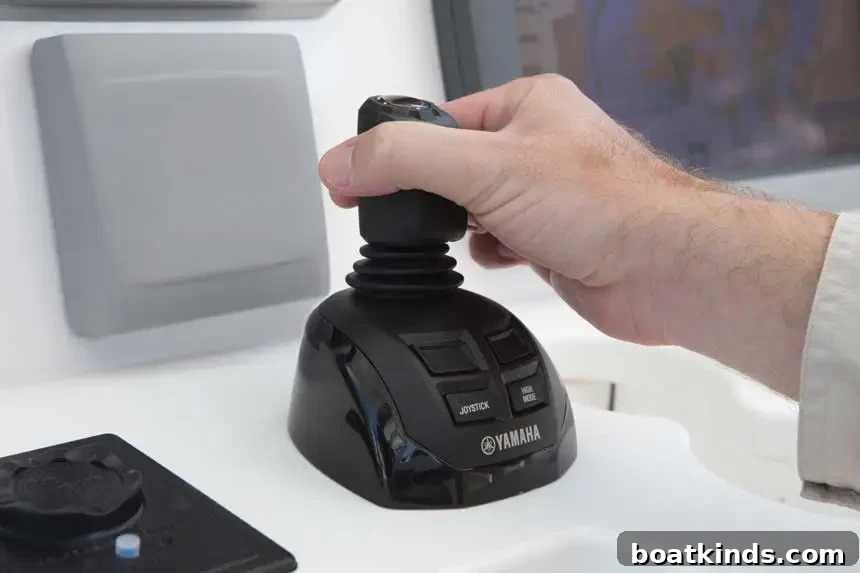
Integration between electronics and propulsion or power systems has matured into a powerful, practical capability. Virtual anchoring—holding a boat in place with the push of a button—now includes more refined control over position and heading. Systems like Yamaha Helm Master, Mercury Marine Skyhook and SeaStar Optimus 360 let operators maintain position and orientation relative to current and wind, or deliberately drift while holding a set heading. These features are available as complete systems on new boats and, in many cases, as retrofit options for existing installations.
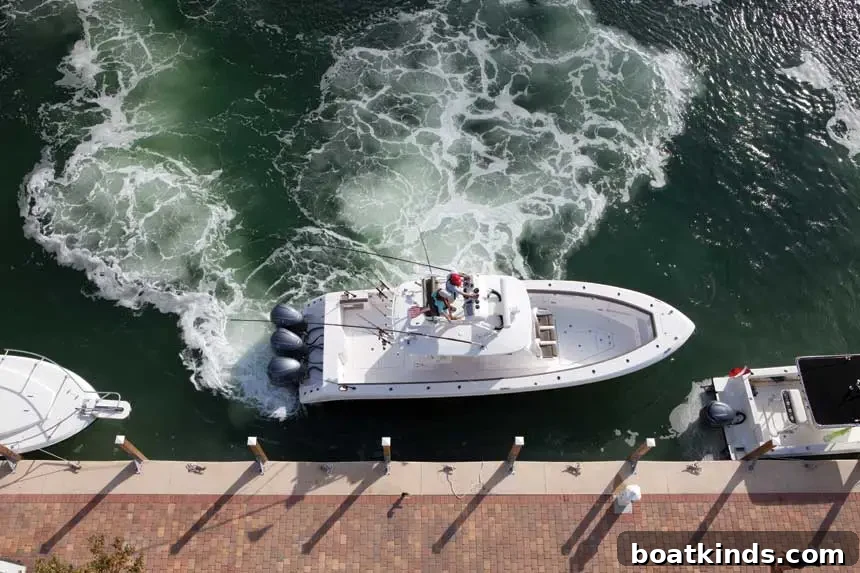
Anglers value these capabilities for maintaining precise position over wrecks and reefs or keeping the bow into the wind while trolling or kite fishing. Cruisers appreciate the same technology when waiting for a bridge opening, holding for an open slip, or making minute positional adjustments while maneuvering. The ability to “jog” the boat a few feet can eliminate stressful close-quarters handling.
At the bow, similar integration is appearing with electric trolling motors. Minn Kota and MotorGuide models can interface with multifunction displays, enabling virtual anchoring, contour-following, and even key-fob control. These solutions are typically proprietary—designed to work best in matched component ecosystems such as Humminbird/Minn Kota or MotorGuide/Lowrance—but that close integration often simplifies installation and improves overall reliability.
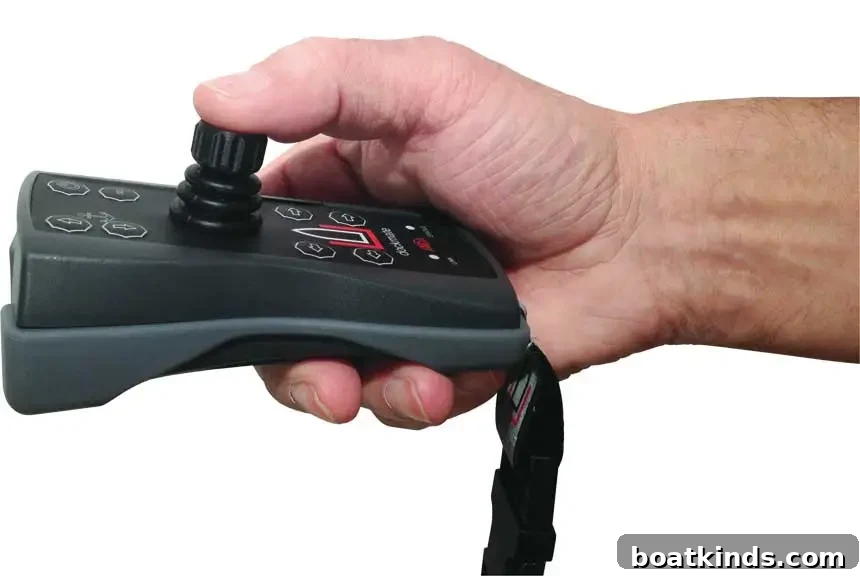
Handheld controls are also advancing. For example, wireless remotes with joysticks allow full dockside maneuvering from anywhere aboard. These devices enable thruster and windlass control and let the helmsman move from the wheel to the cockpit or bow while maintaining precise control—an idea that has obvious safety and convenience benefits for both power and sailboats.
Remote Monitoring and Control
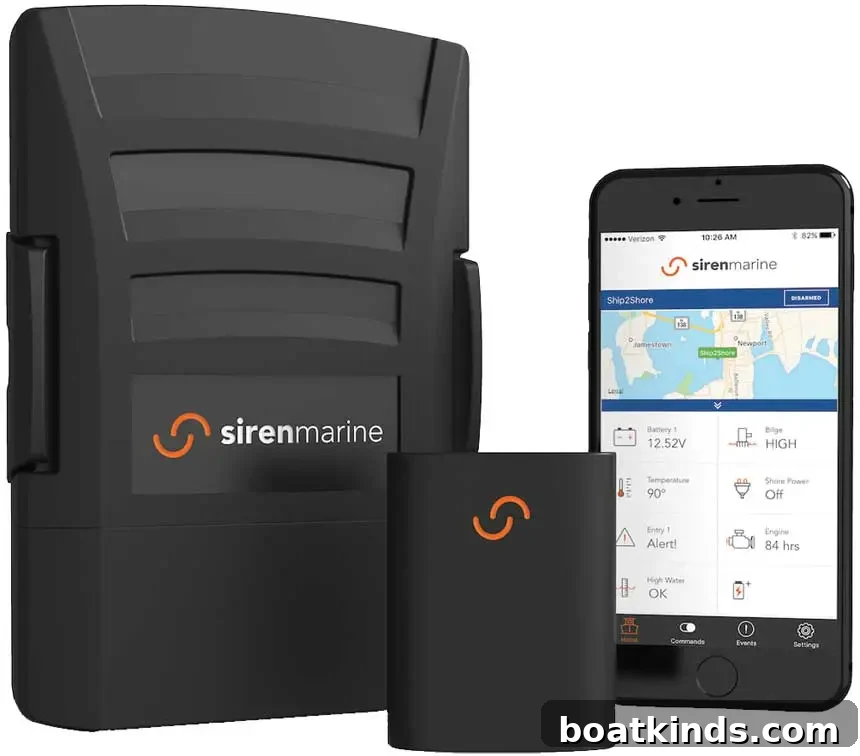
Remote monitoring has steadily expanded since early cellular-based systems. The transition away from older 2G networks toward 3G and 4G has opened bandwidth for richer features and more reliable connectivity. Modern monitoring systems let owners check bilge pump activity, GPS position, battery state-of-charge and alarm conditions through smartphone apps, providing peace of mind and faster responses to developing issues.
Entry-level modules are often easy to install and offer core alerts and geofencing notifications. More comprehensive platforms can monitor dozens of sensors—motion detectors, door contacts, bilge sensors—and include cellular communicators for SMS and email alerts. Higher-end systems add satellite connectivity for global monitoring and communications, enabling remote video, GRIB weather downloads, emergency SOS signaling and real-time telemetry when cell service is unavailable.
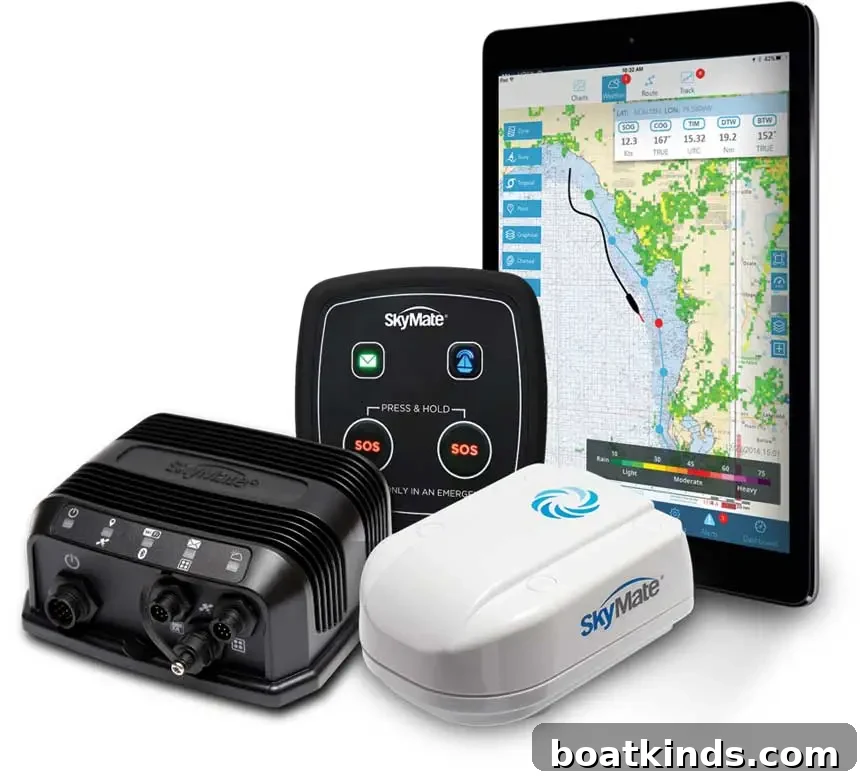
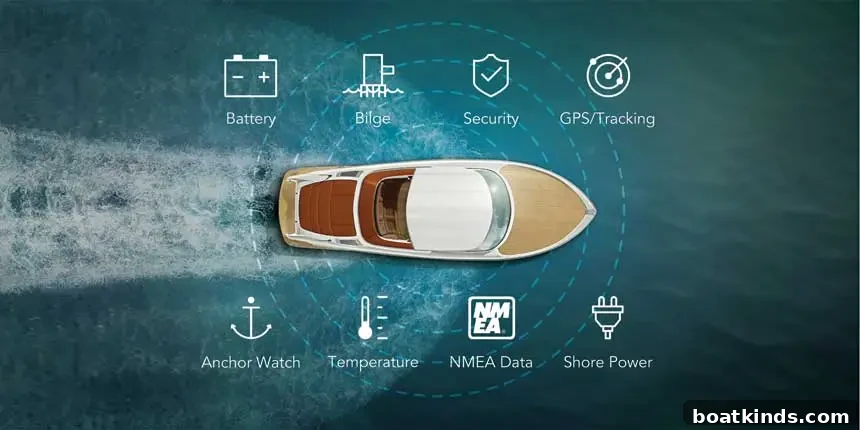
One of the most impactful developments is remote switching: the ability to actuate onboard systems from anywhere. Digital switching, or the addition of relays to legacy systems, allows owners to turn on air conditioning, lights, pumps or alarms remotely via an app. This capability not only improves convenience but can also prevent damage—for example, pre-cooling a cabin before boarding or resetting systems after a shore power interruption.
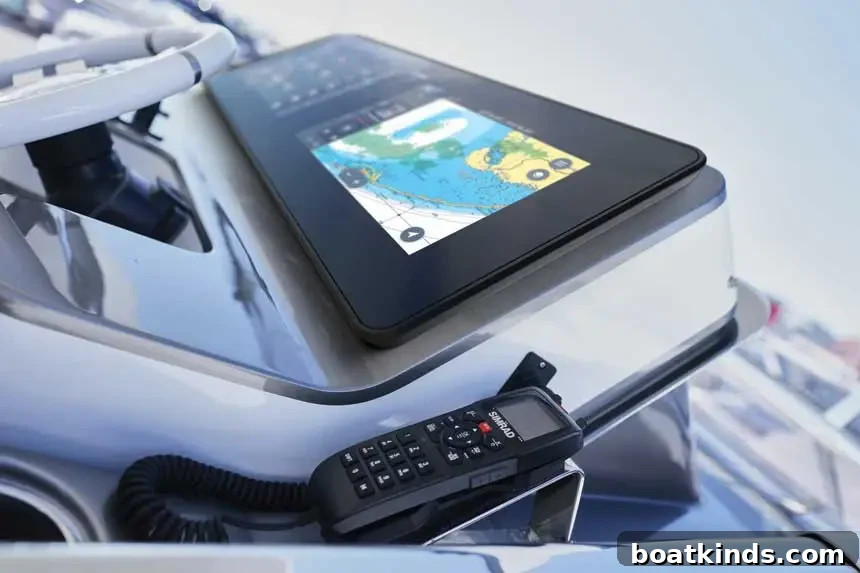
Boat builders are also embracing integrated digital control at the helm. Touchscreen information displays that manage systems much like a modern car dashboard are becoming more common on new models. Brands incorporating this technology are reducing reliance on large, cluttered switch panels and providing centralized, intuitive control for navigation, lighting and onboard systems.
Forward-Looking Sonar
Sonar technology—particularly fishfinder performance—has advanced remarkably. CHIRP transducers improved target separation, high-frequency scanners reveal fine bottom detail, and side-scan and 3-D imaging show structure and fish well beyond the boat’s hull. The latest leap is forward-looking sonar, which enables anglers and skippers to “see” ahead in real time.
Innovations such as Garmin’s Panoptix LiveScope deliver near-video clarity by sending a multifrequency burst from a fan-shaped array of elements, rather than conventional single-frequency pings or CHIRP sweeps. An attitude and heading reference system compensates for boat motion, and onboard processing stitches the returns into a coherent live image. The result is a detailed view that can distinguish individual fish features, behavior, and relative position—valuable for targeting and species identification.
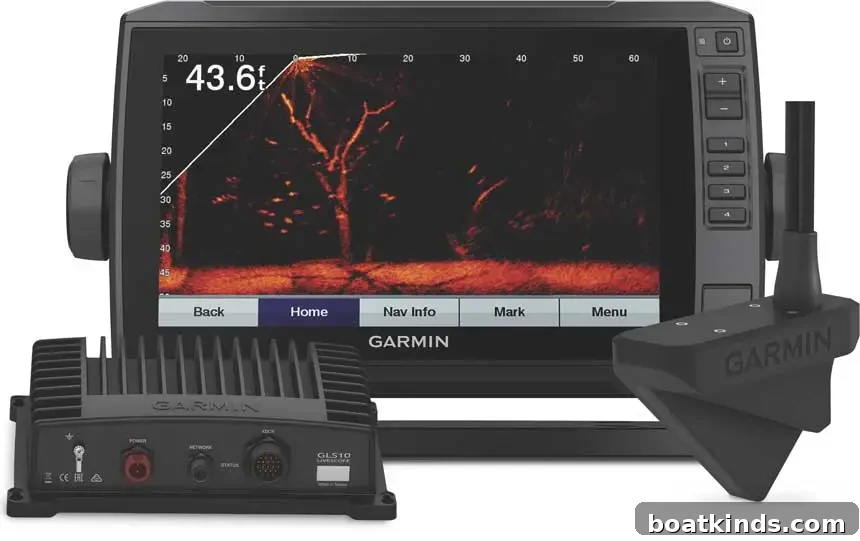
Some forward-looking units offer both forward and down-looking coverage to depths approaching 200 feet, giving anglers more confidence when targeting structure and moving fish. As manufacturers race to match and expand these capabilities, recreational boaters benefit from ever-improving situational awareness and fishing performance.
This article originally appeared in the January 2019 issue.