Safe Disposal of Expired Marine Flares: What Boaters Need to Know
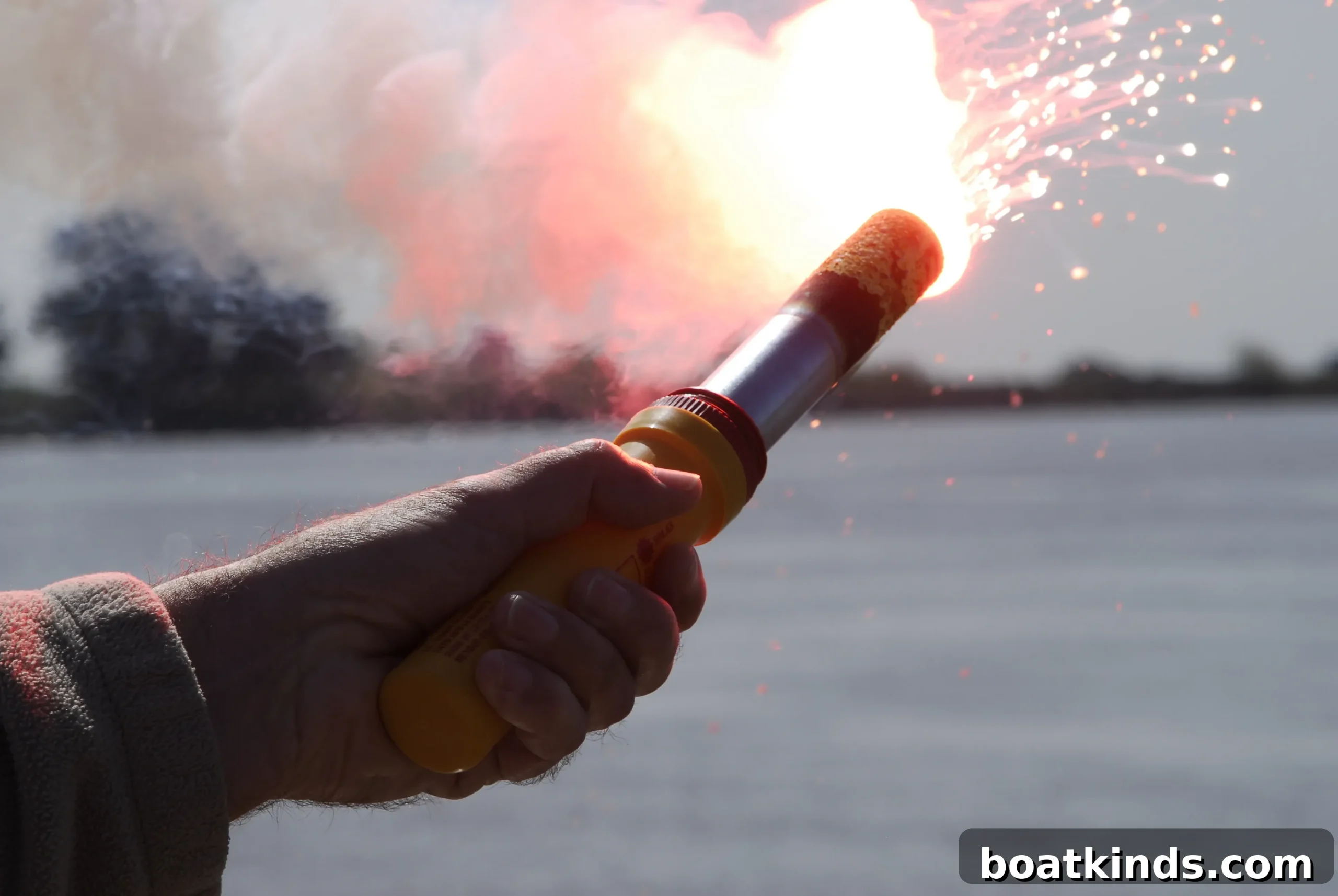
Boaters operating on U.S. coastal waters and the Great Lakes are required to carry U.S. Coast Guard–approved visual distress signals that are rated for both daytime and nighttime use. Many mariners rely on pyrotechnic flares because a single device often meets both requirements. However, these devices have a limited useful life: pyrotechnic flares generally expire after 42 months. Once expired, they cannot be recycled and present disposal challenges because they are both flammable and contain hazardous chemicals.
The absence of a coordinated federal disposal system, and the lack of comprehensive statewide programs in most places, leaves many expired flares on vessels as so-called “spares” or, worse, discarded in household garbage. Throwing flares in regular trash is unsafe and environmentally damaging. Old flares kept aboard create a different hazard: degraded pyrotechnics may not function reliably in an emergency and can pose a fire risk if stored improperly.
Recognizing these challenges, the Sea Tow Foundation plans to launch a pilot flare disposal program in Florida next year. Funded by a grant from the U.S. Coast Guard, the initiative will deploy a mobile incineration unit to public boating events so boaters can safely turn in expired flares. The goal is to provide a convenient, safe alternative to storing expired devices aboard or disposing of them improperly.
“While flare disposal is not part of a boater’s legal responsibility, it does affect the environment when not disposed of properly,” said Gail R. Kulp, Executive Director of the Sea Tow Foundation. “Not disposing of flares properly can also impact the safety of boaters if expired flares are stored on board boats.”
Program details are still being finalized, but a dedicated site, flaredisposal.com, has been created to share updates as plans develop and event dates are announced. Boaters are encouraged to check for local collection events, and to take advantage of organized disposal opportunities rather than attempting unsafe methods of disposal themselves.
Why do flares expire? The chemicals and propellants in pyrotechnic devices degrade over time, and the mechanical components that control ignition and burn characteristics can deteriorate. That deterioration reduces reliability and can make a flare ineffective when a mariner needs it most. For an accessible explanation of flare safety and expiration, readers may refer to the article “5 Things You Should Know About Flares” by Mario Vittone, which discusses how and why flares are regulated and why their service life matters.
Practical tips for boaters:
- Check the expiration dates on all onboard distress signals before each season and replace expired items promptly.
- Store flares in a cool, dry place and in accordance with manufacturer recommendations to reduce premature degradation and minimize safety risks.
- Do not dispose of expired pyrotechnic flares in household trash or recycling. They are hazardous and can cause fires or release toxic substances if handled or incinerated improperly.
- Look for community collection events, marina programs, or organized disposal drives—such as the upcoming pilot program—to turn in expired flares safely.
- If you are unsure where to dispose of an expired flare, contact local waste management authorities, your marina, or organizations involved in boating safety for guidance.
Proper disposal of expired flares protects the marine environment and enhances boater safety by removing unreliable emergency devices from circulation. The Sea Tow Foundation’s pilot program aims to make safe disposal easier and more visible to the boating community. Until broader disposal infrastructure exists, individual awareness and responsible action remain essential: check gear regularly, replace expired signals, and take expired flares to approved collection events whenever possible.
Keeping your emergency equipment current and disposing of expired flares responsibly are simple steps that reduce environmental harm and improve safety for everyone on the water.