
Imagine possessing the technology to pinpoint treasure on the ocean floor. That high-stakes premise drives Lost and Found ($27.99, Arche Books, 2008), a maritime thriller by Tom Williams that blends cutting-edge geoscience with the gritty realities of shipwrecks, salvage diving, and human ambition.
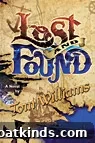
The novel follows two British scientists hired by an international oil consulting firm to map and track petroleum reserves around the globe using a sophisticated geological survey satellite. Their mission is straightforward: exploit satellite imaging and geophysical analysis to locate subsurface oil. But when their reconfiguration of the system reveals something unexpected—high-probability signatures for submerged gold deposits—their project takes an irreversible turn.
Rather than using the satellite for oil exploration, the pair redirect the technology toward identifying likely shipwreck sites and concentrated placer deposits on the seafloor. What begins as an innovative application of geological and remote-sensing methods becomes a professional catastrophe. Branded as saboteurs by their employer, they are summarily fired. The stakes escalate when a coworker is murdered while attempting to clear their names—a murder that sets off a chain reaction of suspicion, betrayal, and relentless pursuit.
Faced with accusations and legal threats, the scientists are given a brutal ultimatum: find the gold within thirty days or face arrest. The story becomes a race against a tightening deadline, forcing the protagonists into a high-pressure campaign of maritime exploration and salvage. Williams stages intense sequences of storm-chased dives, seismic upheavals, and narrow escapes, each episode underscoring the physical hazards of treasure hunting and the psychological toll of constant danger. Rivalries flare, alliances shift, and the two lead characters must confront not only nature’s fury but the darker instincts that surface when lives and fortunes are on the line.
Tom Williams brings professional credibility to the narrative. A licensed U.S. Coast Guard merchant marine officer for 23 years, Williams has hands-on experience with shipboard operations, wreck investigations, and salvage diving. Many scenes in Lost and Found are grounded in true-to-life experiences, lending the book an authentic maritime atmosphere. Readers familiar with marine salvage, shipwreck archaeology, or oceanographic fieldwork will recognize the technical detail and procedural realism woven throughout the plot.
Beyond its technical backbone, the novel also explores themes of greed, redemption, and the ethical ambiguities of scientific innovation. The satellite—a precision instrument designed to serve industry—becomes a moral fulcrum: the same capability that could fuel corporate profit can also unlock historic treasures and human ruin. Williams uses the device as a narrative catalyst to examine how technological power reshapes human choices and unforeseen consequences.
Stylistically, Lost and Found balances brisk pacing with rich descriptive passages of life at sea. Williams’s prose captures both the sensory immediacy of storm-slashed decks and the quiet tension of deep-water dives. Action scenes are tight and cinematic; quieter moments allow character motivations and backstory to surface. This combination makes the book a compelling read for fans of maritime adventure, nautical thrillers, and anyone intrigued by the intersection of modern science and old-world treasure lore.
The novel will appeal to a wide audience: readers who enjoy technical authenticity in an adventure tale, those drawn to mysteries that unfold on the open ocean, and anyone fascinated by shipwrecks, salvage diving, and underwater archaeology. By rooting its suspense in believable science and lived maritime experience, Williams delivers a story that feels both plausible and exciting.
Tom Williams lives in Marco, Florida, with his wife, Vicki Lynn, and three cats—Lucy, Ethel, and Elvis. For information about the publisher and the book, see Arche Books or search for the publisher’s listings and catalog.