Keeping children safe on the water starts with preparation, clear communication, and age-appropriate expectations. Below are 13 practical boating safety tips to protect your kids, make outings enjoyable, and help build lifelong positive experiences with boating.
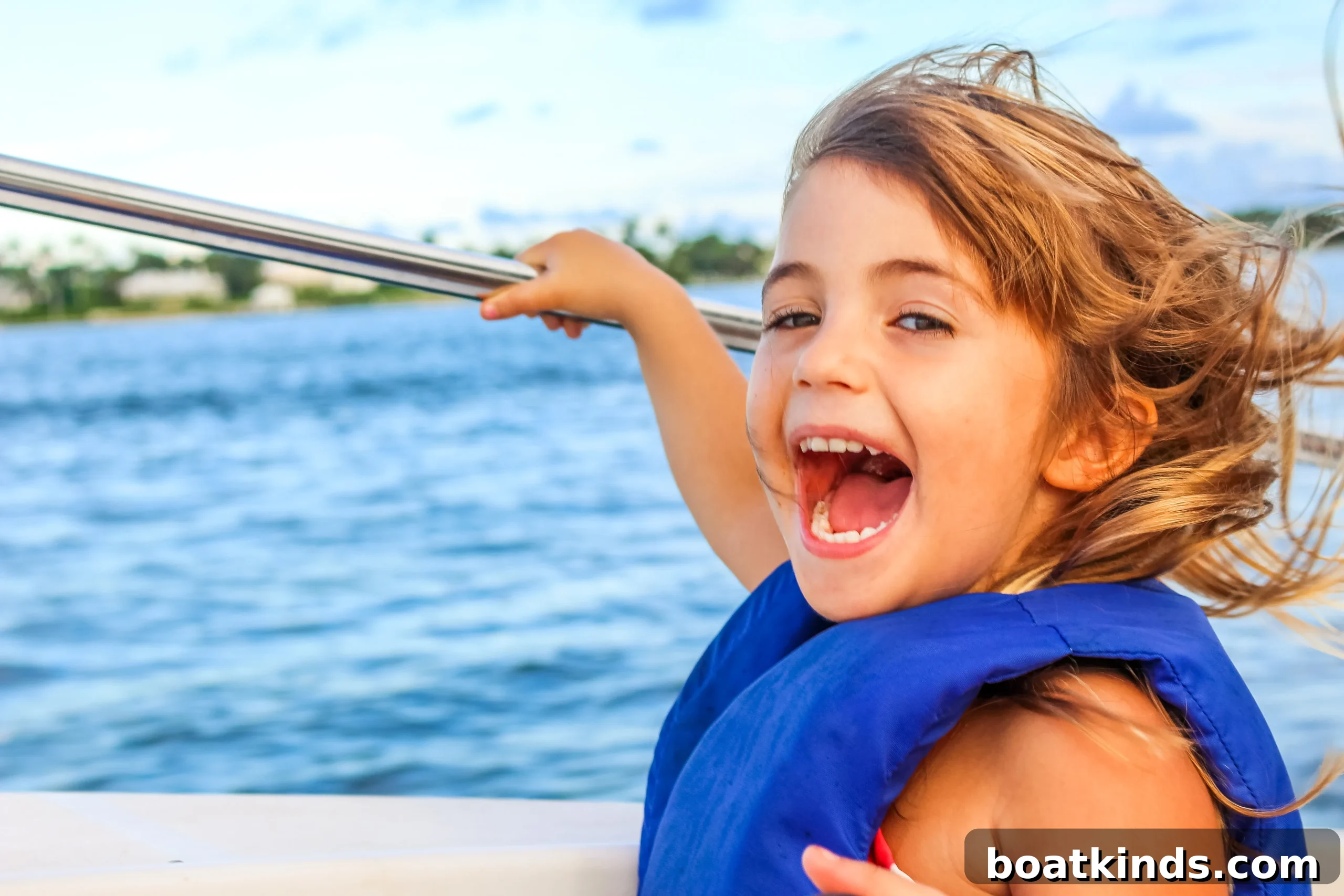
1) Provide a properly fitted life jacket. Children grow quickly and a life jacket that is too large or too small won’t perform correctly in an emergency. Choose jackets approved for the child’s weight and size, and prioritize comfort—children are much more likely to wear a jacket that fits well and feels comfortable. Keep outgrown jackets on hand if possible; they can be useful for visitors or younger siblings.
2) Teach children to swim early. Swimming lessons boost safety and confidence on the water. Enroll children in age-appropriate swim programs through local community centers or organizations such as the American Red Cross or YMCA. Even basic water skills make swimming safer and allow kids to enjoy more activities while boating.
3) Enroll them in a boating safety course. A formal boating safety course teaches rules, basic seamanship, and emergency procedures in a way that may resonate more than parental instruction alone. If in-person classes aren’t available, accredited online boating safety courses are a good alternative to build knowledge and responsibility.
4) Give kids a clear tour of the boat. Show children where they are safest and point out hazards in a calm, matter-of-fact way. Demonstrate the location and purpose of important equipment and explain why some areas—like the engine and propeller—require caution. Propellers cause about 18 percent of boating injuries and are linked to roughly 16 percent of boating fatalities, so kids should understand to stay clear of them.
5) Review emergency procedures before every trip. Go over basics at the start of each outing: how to put on a life jacket, to stay with the boat unless it is unsafe, and not to jump into the water unless an adult says it is safe. Repetition helps children remember what to do if something unexpected happens.
6) Teach children how to call for help. Make sure kids know where communication devices are located and how to use them, including any onboard VHF radio or mobile phone. Keep a simple, written card of step-by-step instructions in an obvious place so a child can follow directions if the adult in charge is incapacitated. This builds confidence and gives them a role in the safety of the trip.
7) Make sure children are fit to travel. Check that children feel well before leaving the dock. Motion sickness, fatigue, or illness can turn a pleasant outing into a difficult one. If a child isn’t feeling well, consider postponing the trip or planning a shorter outing.
8) Inspect the vessel before departure. Confirm the hull and structural components are sound, and verify that all equipment is functional. Ensure you have adequate fuel, sufficient life jackets, and working navigation and safety gear. A quick pre-trip checklist helps prevent avoidable problems while underway.
9) Monitor the weather closely. Always check the local marine forecast and watch the sky for signs of deteriorating conditions. If you observe thickening or darkening clouds, rapidly changing winds, falling temperatures, or building seas, return to shore. A barometer can be useful; falling pressure often signals incoming bad weather.
10) Verify your safety gear. If safety equipment stays on the boat between trips, inspect it regularly. Check the medical kit, anchor, bilge pump, VHF radio, flashlight, phone battery, and fresh water supply. Keep a sharp knife accessible in case a line must be cut quickly and make sure fire extinguishers and signaling devices are in good working order.
11) Use harnesses or tethers with young children. Active toddlers and curious young children can move quickly and unexpectedly. A harness or tether provides an extra layer of protection on deck, especially when the boat is moving. Even vigilant adults can be distracted; a tether helps prevent a child from falling overboard.
12) Use the engine cut-off switch device. Engine cut-off switches are now commonly required and save lives. If the operator is ejected, the engine will shut down and the boat will stop, preventing an unmanned vessel from running away. Wear your own kill-switch and consider modern wireless options if they suit your boat. This is another reason for adults to wear life jackets while underway.
13) Never drink and boat. Operating a boat safely requires clear judgment and quick reaction time. Alcohol impairs the ability to navigate, make good decisions, and respond in an emergency. Set a clear example by keeping boating sober whenever children are aboard.
Good boating safety for kids combines preparation, consistent rules, and calm instruction. When children feel safe and included, they’re more likely to enjoy time on the water and develop the skills and respect needed for a lifetime of safe boating.