
Coast Guard Schedules Formal Hearing Into Sinking of the Bounty, Feb. 12–21 in Portsmouth, Va.
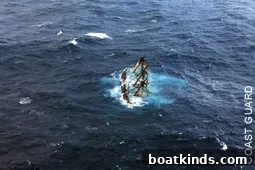
The U.S. Coast Guard has scheduled a formal hearing to investigate the sinking of the tall ship Bounty. The hearing will be held Feb. 12–21 at the Renaissance Portsmouth Hotel and Waterfront Conference Center in Portsmouth, Virginia. Investigators will review the facts and circumstances surrounding the incident, hear testimony, and produce conclusions and recommendations aimed at improving the safety and operation of other tall ships and similar sailing vessels.
The National Transportation Safety Board (NTSB) is participating in the investigation alongside the Coast Guard. Representatives from the NTSB will recommend topics for consideration, help identify and examine witnesses, and submit or request evidence relevant to the inquiry. The collaboration between the Coast Guard and NTSB is intended to ensure a thorough, evidence-based review of the incident and to inform any resulting safety recommendations.
The hearing sessions are scheduled to run from 9 a.m. to 4 p.m. each day during the stated period. These formal proceedings will provide a structured setting for witness testimony, expert analysis, presentation of documents, and examination of physical and documentary evidence. The goals of the hearing include clarifying the sequence of events that led to the sinking, identifying contributing factors, and developing actionable recommendations that can reduce risk for the tall-ship community and for mariners more broadly.
Investigators will focus on the available evidence and testimony to determine the circumstances that contributed to the loss of the vessel. That review can encompass operational procedures, vessel maintenance and seaworthiness, crew training and preparedness, decision-making processes, weather and sea conditions at the time of the incident, emergency response and rescue operations, and applicable regulatory and inspection frameworks. Any findings will be grounded in the record developed during the hearing, and recommended safety measures will be aimed at preventing similar incidents in the future.
The outcome of this formal hearing may include recommendations for improved safety practices for tall ships, changes to training or certification standards for crews, updated maintenance and inspection procedures, or guidance on voyage planning and weather risk management for sail training vessels and replicas. The Coast Guard and NTSB typically use such findings to inform broader maritime safety policies and industry guidance, helping vessel operators, mariners, and regulators reduce hazards and enhance preparedness.
Stakeholders with a direct interest in the hearing include vessel owners and operators, the broader tall-ship and sail training community, crewmembers, maritime safety organizations, and families affected by the incident. The hearing also serves the public interest by creating a formal, transparent record of the investigation and the evidence considered. By documenting the investigative process and resulting recommendations, the hearing aims to contribute to safer operations across the recreational and commercial sailing sectors.
For those following the case, the proceedings present an opportunity to hear firsthand accounts from witnesses and experts, and to understand how investigators evaluate technical, human, and environmental factors in complex maritime incidents. The formal record that emerges from the hearing will form the basis for any official conclusions and recommendations issued by the Coast Guard and for any matters the NTSB chooses to highlight.
See related article: Bounty’s final hours: a ‘haze of war’ (March 2013 issue)
The Coast Guard’s formal hearing on the sinking of the Bounty is an important step in identifying lessons learned and promoting safer practices for tall ships and other vessels. The investigative process, including the participation of the NTSB, is designed to produce clear, evidence-based recommendations that can reduce risk and improve safety across the maritime community.