
Stephen and Debbie Gratton had already sailed more than 70,000 miles in their Oyster 53, Amelie—including a circumnavigation with the 2012 Oyster World Rally, two voyages to French Polynesia, and a cruise from Alaska to Mexico and back—when they arrived in Port Townsend, Washington, in the spring of 2021. They intended to undertake a major refit and had been advised by cruising friends that Port Townsend and its marine trades were the place to go.
Shortly after docking, the Grattons mentioned a significant oil leak in their main engine to local sailors, who recommended Todd Lee, a co-owner at the Port Townsend Shipwrights Co-Op. “He came out and within the hour had it sorted,” Stephen says. Lee then introduced them to fellow co-owner Matt Henderson, and the Grattons immediately felt a rapport. Henderson became the project manager for Amelie’s refit at the co-op’s facility in Port Townsend’s city-owned Boat Haven—relieving the Grattons of the burden of overseeing the entire, multi-faceted project themselves. Over seven months, Stephen and Debbie worked side-by-side with Henderson and co-op staff.
“If you’re a project manager working with us, you’ve got me, Debbie, and Amelie, and you have to be a special sort of guy who can connect with all three,” Gratton says. “We felt he connected with us and had the best interests of Amelie at heart.”
The scope of work on Amelie highlights the breadth of the co-op’s capabilities: removing the propeller shaft for the first time in 13 years; rerouting the genset exhaust; upgrading the management system for the boat’s lithium-ion batteries; performing a full rigging inspection and necessary replacements; recoating the deck nonskid; and cosmetic work such as taking all window eyebrows back to bare metal and repainting them.
Many yards offer similar services, but the Port Townsend Shipwrights Co-Op is distinctive for its history, organizational model, and business philosophy. Founded in 1981, the co-op began when a small group of local shipwrights pooled resources to purchase a ship saw and build a workshop. Their aim went beyond servicing the region’s wooden fishing boats: they wanted to establish a worker-owned, worker-managed business that provided sustainable, non-exploitative employment in the marine trades.
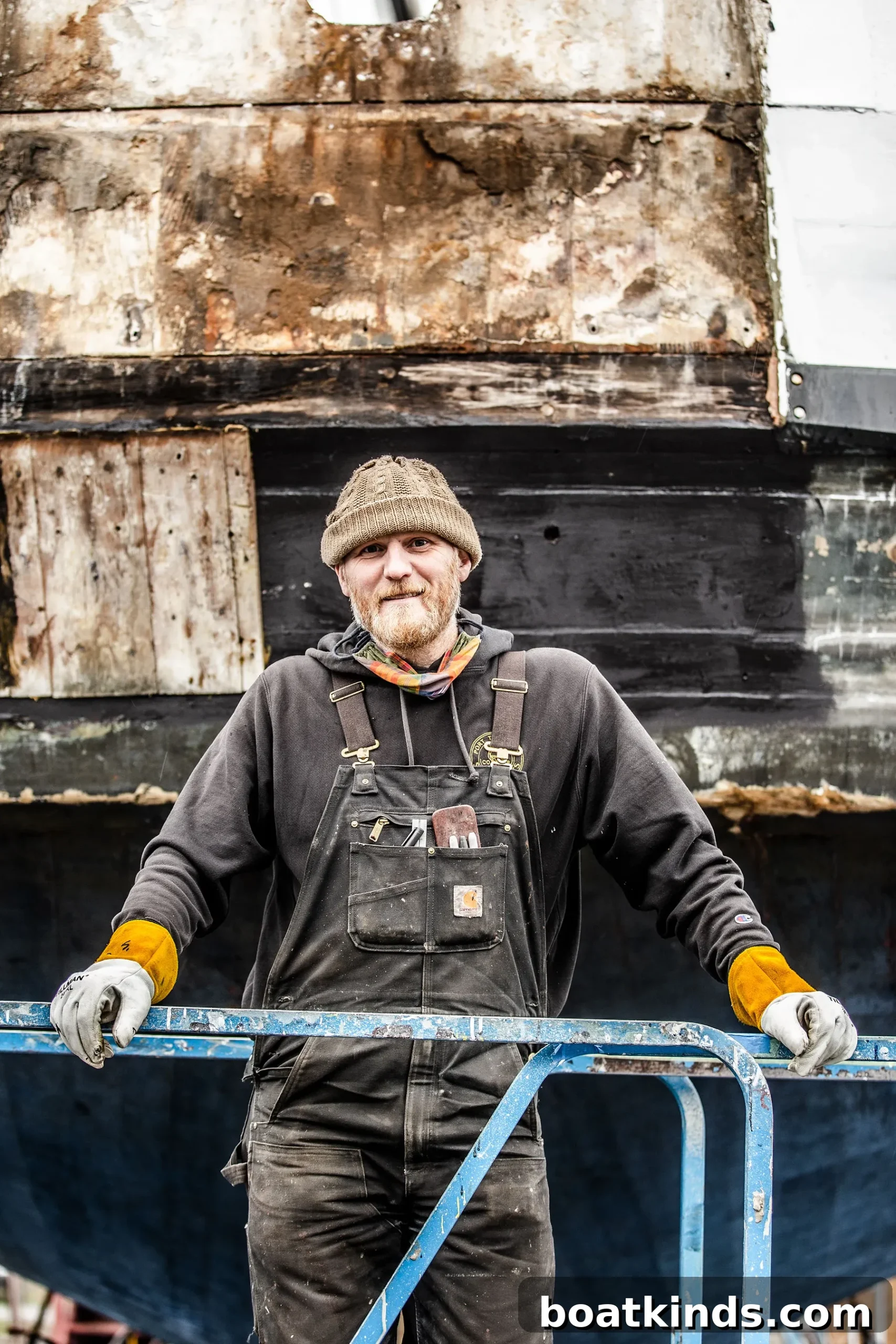
That egalitarian approach has weathered the tensions of change and remained flexible enough to grow. Today the co-op is managed by 12 owners and employs just over 40 full-time tradespeople, including recent graduates of the Northwest School of Wooden Boatbuilding (NWSWB) and experienced boatyard veterans. The business serves both high-end yacht owners and hardworking commercial fishermen.
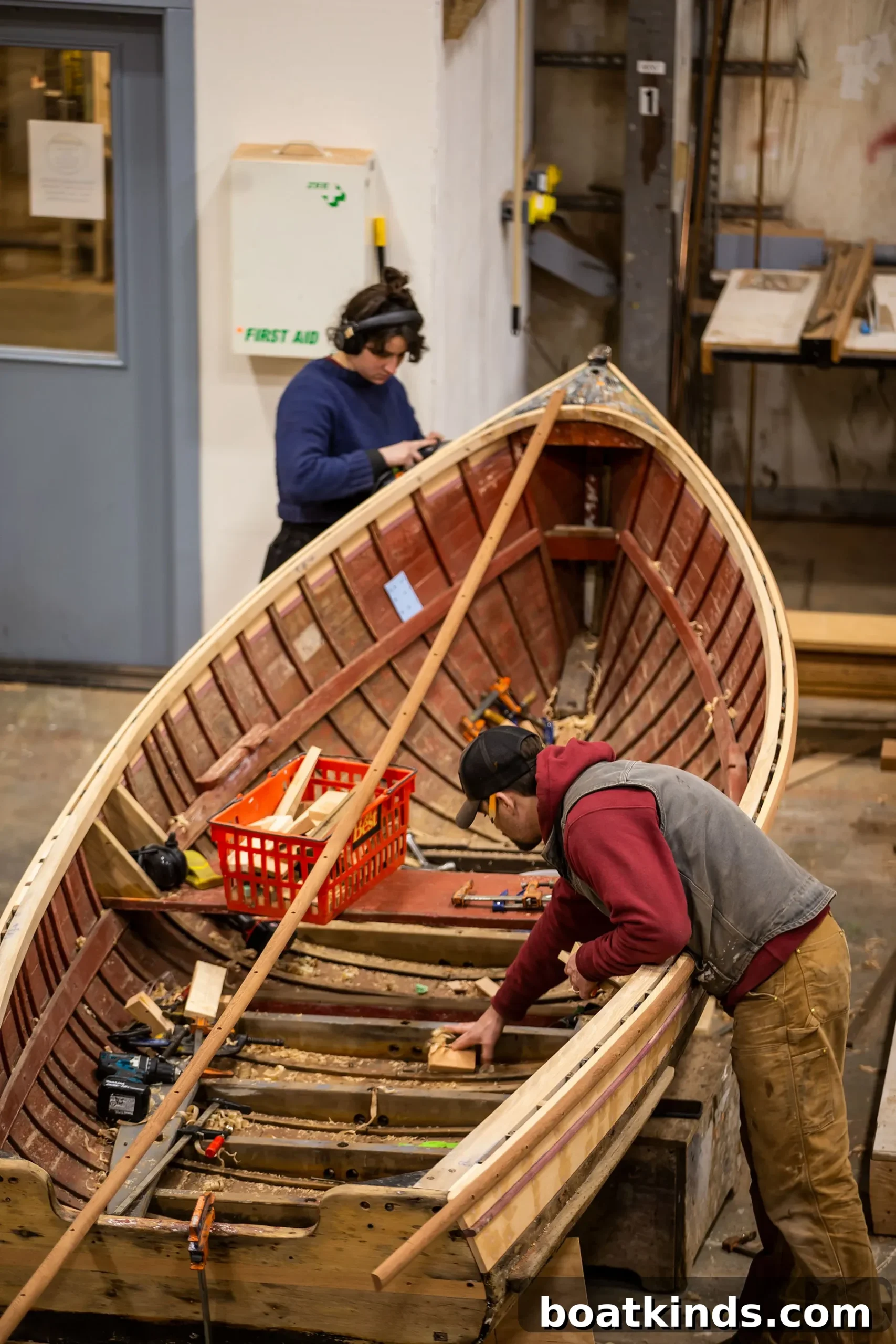
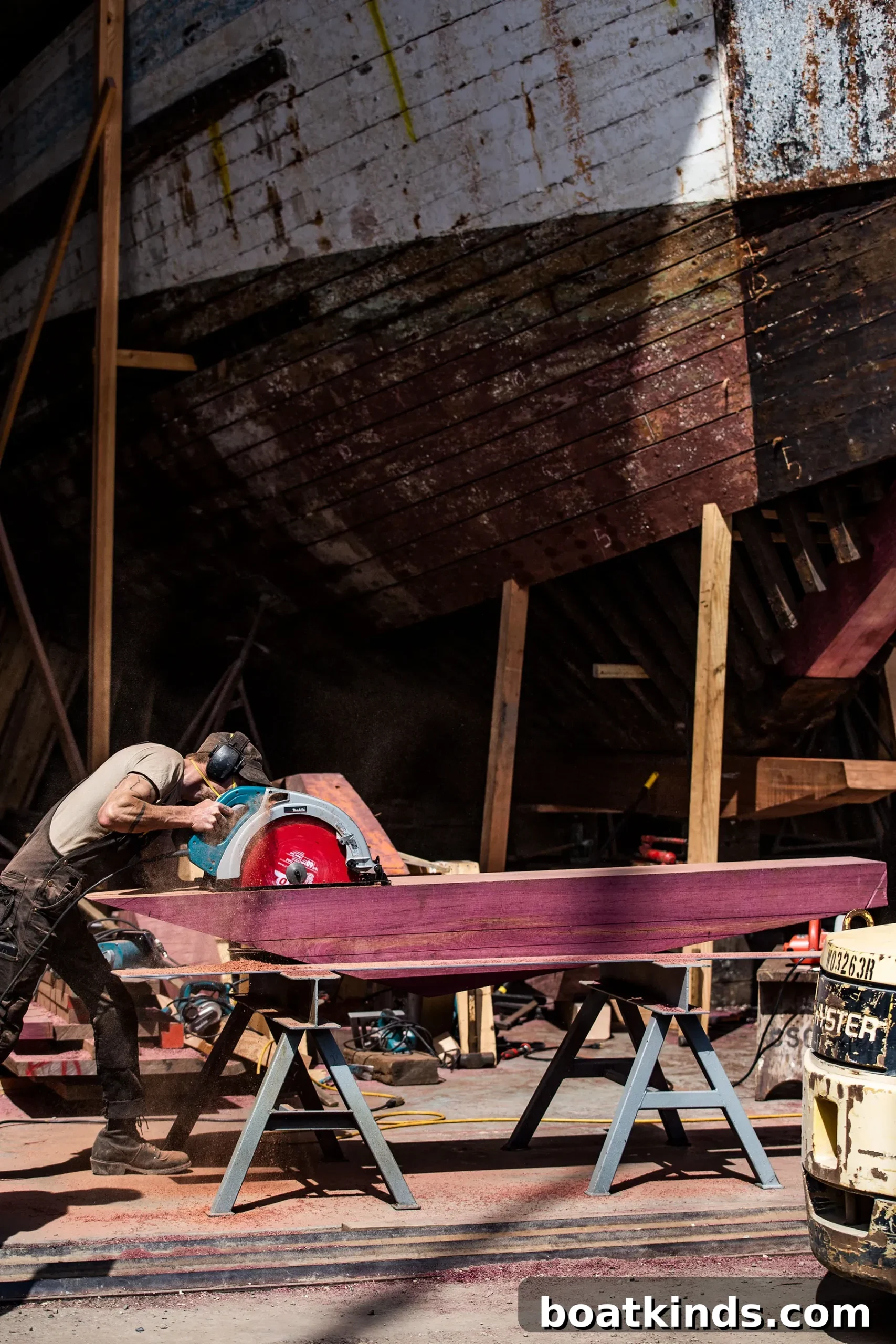
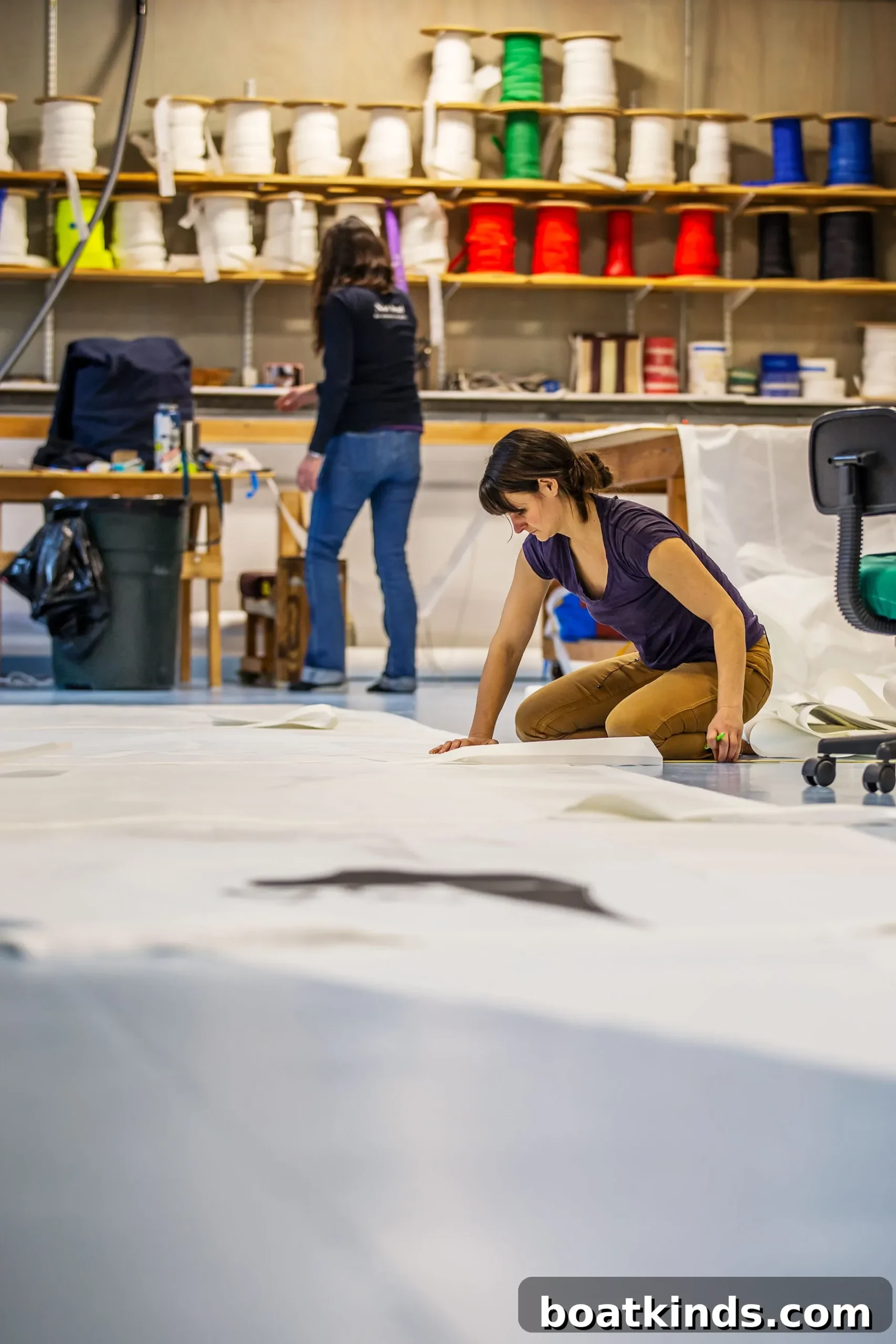
From a single building it has expanded to four buildings totaling 33,600 square feet, with 25,000 square feet of outdoor space—enough to accommodate vessels up to 140 feet. Port Townsend provides three haul-out lifts (70, 75, and 330 tons), and the co-op’s shops include wood, metal, machining, systems, rigging, and upholstery. Its overhead cranes can lift 10 tons. Recently the co-op added sailmaking to its services by acquiring the Hasse & Company Port Townsend Sails loft, preserving a respected local sailmaker and expanding the breadth of in-house expertise.
Owners say strategic growth has been crucial. Where new owners once joined through informal subcontracting relationships, the co-op now invites additions who bring specific specialties—metal fabrication, electrical systems, woodworking, diesel engines, painting—so leadership collectively represents the full spectrum of marine trades. That diversity allows the co-op to take on large, complex refits and repairs with coordinated, in-house expertise.
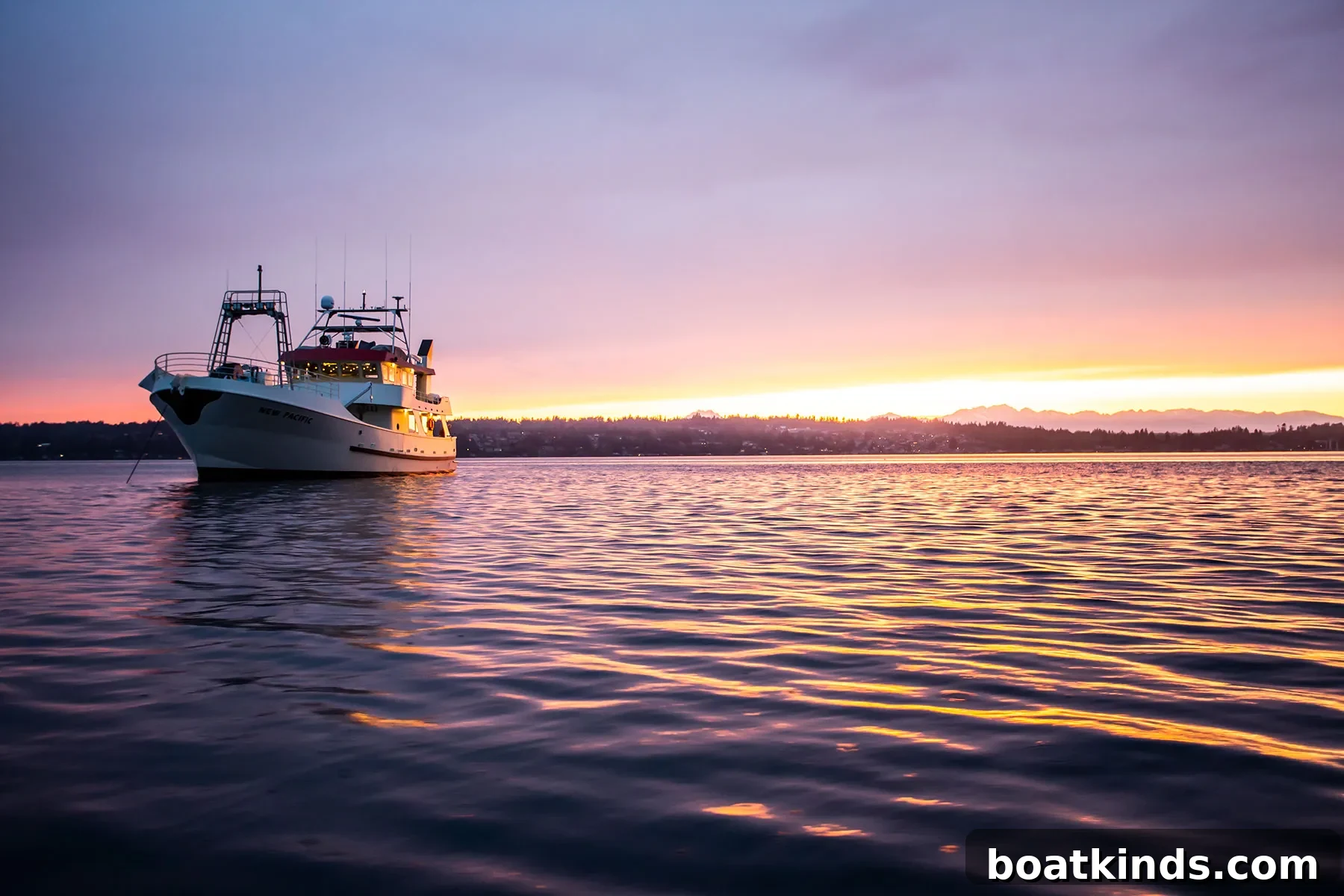
That evolution mirrors the co-op’s shift from mostly wooden fishing vessels to a wider range of projects, from a 92-foot steel expedition yacht to classic powerboats undergoing complete restorations. “There are not many places in the world where you could bring either of those boats and get A-to-Z service,” says client Jason Hannah. “They can do it all. They go above and beyond.”
Owner Chris Brignoli, an electrical systems specialist, notes the varied client base reflects the owners’ different backgrounds. Project mix is roughly half recreational yachts and half commercial boats. In 2021, for example, the co-op worked on several century-old halibut schooners—boats built in 1913 and 1926—that now longline for black cod and halibut.
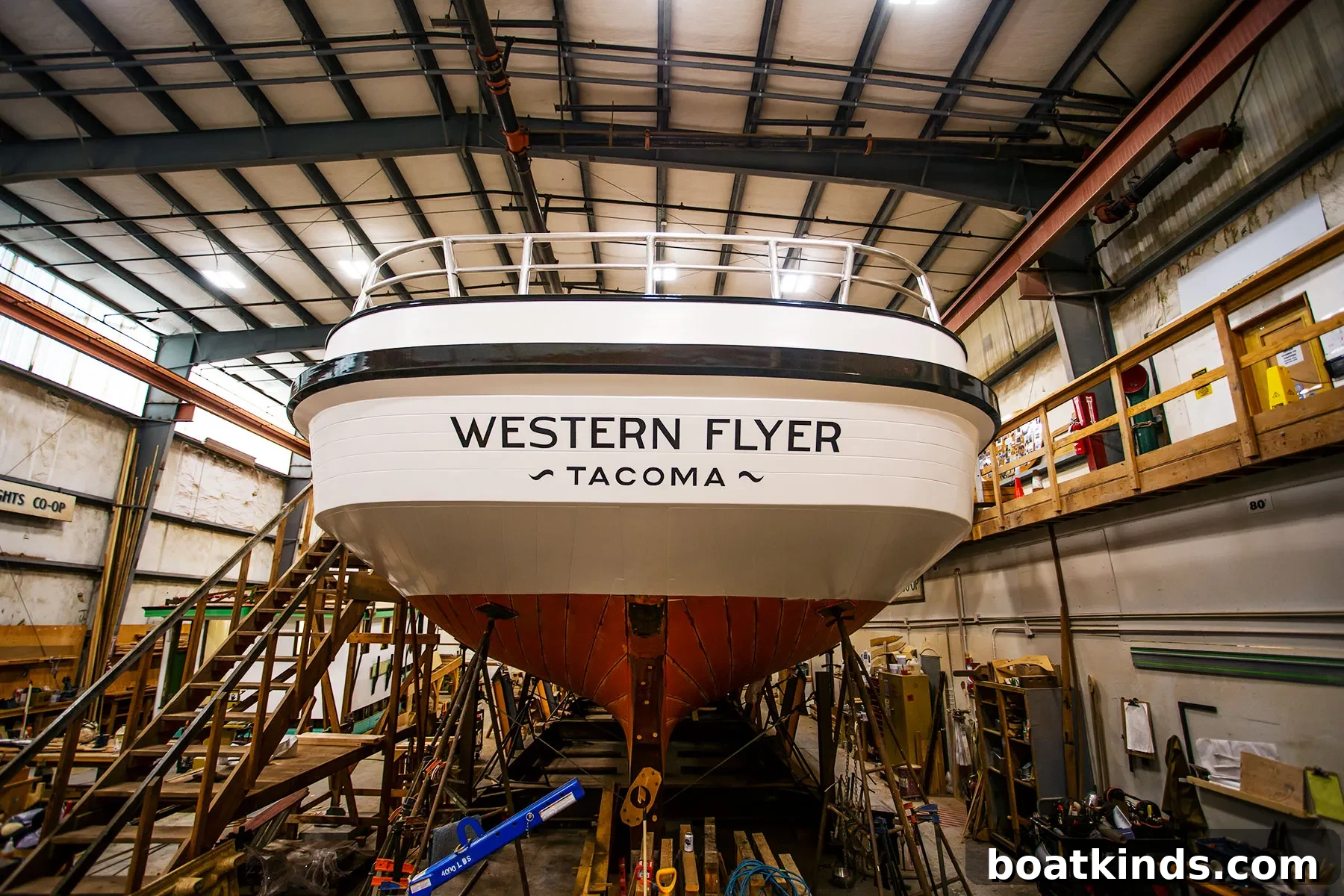
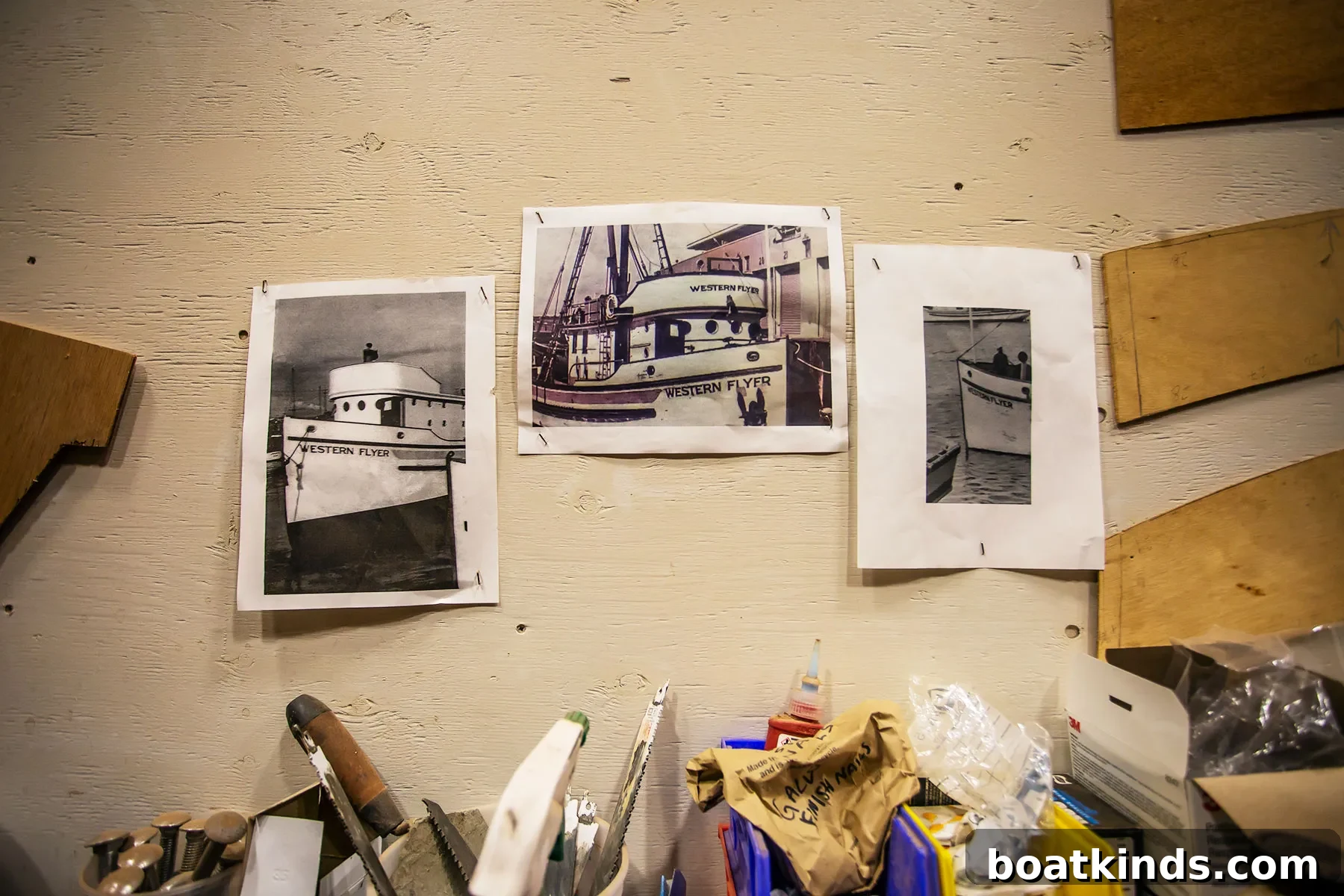
One high-profile restoration is the rebuild of the 72-foot purse seiner Western Flyer, famed for John Steinbeck and Ed Ricketts’ 1940 expedition documented in The Log from the Sea of Cortez. Co-op owners Tim Lee and Pete Rust co-lead that project. For Lee—who taught at NWSWB and values Northwest commercial-boat design—the project is rewarding because it connects to the craftsmanship of historically significant workboats.
Every project is managed by one or more co-op owners whose expertise matches the job, which gives boat owners a single, accountable point of contact. “If you bring your boat to us for repair or refit, you have an owner of the company directly responsible for your project every day,” Brignoli explains. Employees work alongside owners and share accountability, which improves communication and project outcomes.
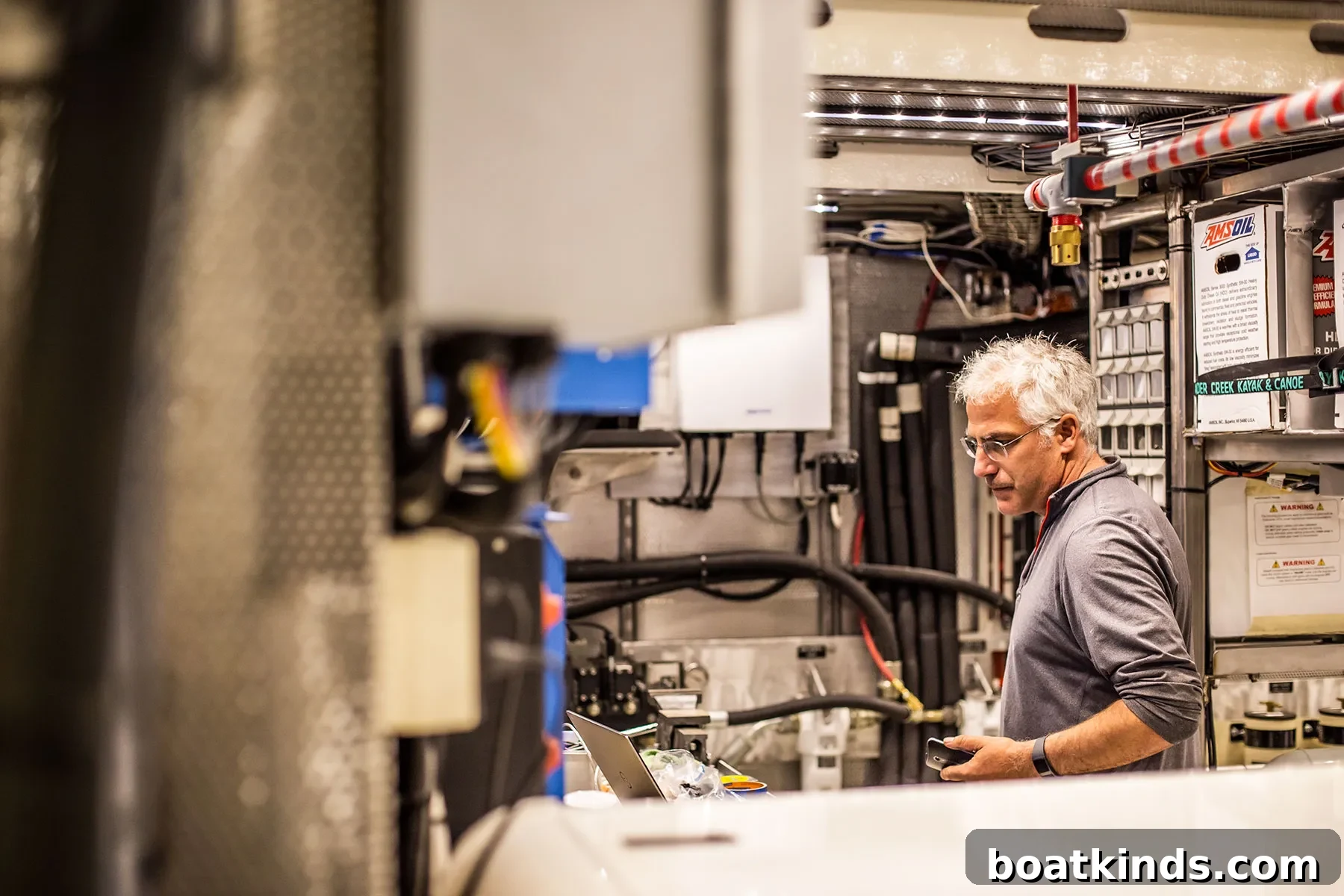
The co-op’s pool of owners and staff represents hundreds of years of combined experience. “My favorite part is I don’t have to pretend to know everything,” says owner Brad Seamans. “I can say I’ll find the answer.” That collaborative environment allows owners to draw on specialized knowledge quickly.
The decision to hire employees marked a turning point. For decades the co-op relied heavily on subcontractors, but that model created management and legal complications. Transitioning to an employed workforce was difficult and sometimes controversial, given the independent nature of many owners. Over time the co-op recognized that a steady employee base made the business more reliable, increased capacity, and allowed year-round productivity.
Profit-sharing applies to owners and employees: owners receive equal shares, while employees are rewarded on a sliding scale based on position and hours worked. “We try to create an incentive-based work ethic,” Rust says—rewarding collaboration and hard work so the whole team benefits.
Clients like Gregg and Rachel Dietzman, owners of the 1948 Robert Allan-designed former British Columbia patrol boat Poplar III, say the co-op has given them confidence for voyages beyond the Salish Sea. After resolving an electrical problem, the co-op completed a shaft log refit, rebuilt sidedecks and foredeck, replaced hull planks, recaulked below the waterline, and upgraded the electrical system for code compliance and performance. “That interdisciplinary service helps us feel safe on the water,” Gregg says. “We always look forward to getting work done there because it’s a great group to hang with.”
This article was originally published in the February 2022 issue.