
Senior Sailors Set Out on An-Tiki Raft to Raise Funds for WaterAid
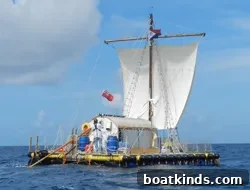
An 86-year-old grandfather and a determined crew of over-50s set sail on April 6 from the Caribbean, bound for the Bahamas on a raft constructed from water pipes. The voyage has a clear charitable aim: the crew hopes to raise approximately $75,000 for the international charity WaterAid, using their unconventional journey to draw attention to the critical need for clean water and sanitation around the world.
The raft, known as An-Tiki, is the same vessel that gained international attention when writer and explorer Anthony Smith completed a remarkable Atlantic crossing the previous year. That expedition covered roughly 2,600 miles in 66 days, a demanding passage that tested endurance, seamanship and the limits of what a small, improvised craft could achieve. Smith and his three-man crew of “mature and intrepid gentlemen” arrived safely at the Caribbean island of St Maarten on April 6, 2011, after being blown off course from their intended destination, the island of Eleuthera in the Bahamas.
One year on, Anthony Smith — a former BBC Tomorrow’s World presenter and science correspondent — has gathered a new team of senior sailors and is attempting to complete the journey that was interrupted by weather and drift. Their planned route covers roughly 700 miles and is expected to take around four to five weeks, depending on conditions at sea. The mission blends adventure and advocacy: it showcases the resolve and capability of older sailors while raising funds and awareness for WaterAid’s work to provide sustainable water, sanitation and hygiene services in vulnerable communities.
Raft voyages such as this draw attention not only because of their inherent risks and the ingenuity of their construction, but also because they challenge perceptions about age, experience and what constitutes seaworthiness. An-Tiki’s hull, assembled from water pipes, floats through ocean conditions that can be unpredictable and unforgiving. That combination of lightweight engineering and human determination is central to the story — and to its appeal as a fundraising platform.
The crew’s profile — featuring seasoned, older sailors and an octogenarian team member — is a deliberate part of the narrative. By highlighting seasoned expertise and resilience rather than youthful bravado, the expedition aims to inspire a broad audience: supporters of charity causes, advocates for active ageing, and people who admire bold, low-tech adventures. Their campaign emphasizes that significant contributions to social causes can come from surprising places, and that adventure can be a powerful catalyst for public engagement and donations.
Safety remains a priority for the team. Experienced mariners understand the importance of planning, reliable communications and contingency measures, especially on small craft crossing open water. The voyage is being monitored and followed by supporters and media, who will share progress updates and document both the challenges and successes the team encounters along the way.
The fundraising target — around $75,000 — will support WaterAid’s international efforts to deliver clean water and sanitation projects in communities that lack reliable access. Using an expedition with a strong visual and human-interest component helps to amplify the charity’s message and reach potential donors who might not otherwise be engaged.
For those interested in following the expedition, learning more about the crew, or contributing to the fundraising effort, updates and further details are available from the expedition’s information page.
Click here to learn more and follow the voyage.