
British Sailmaker’s Bid to Cross the Atlantic in a 3-Foot Boat Ends When Vessel Fills with Water
Andrew Bedwell, a British father and professional sailmaker, ended his ambitious attempt to sail solo across the Atlantic after his tiny, hand-built boat began taking on water and was damaged when lifted from the sea. Bedwell had set out from Canada with the goal of sailing to Cornwall in what he hoped would be the smallest boat on record to make the crossing.
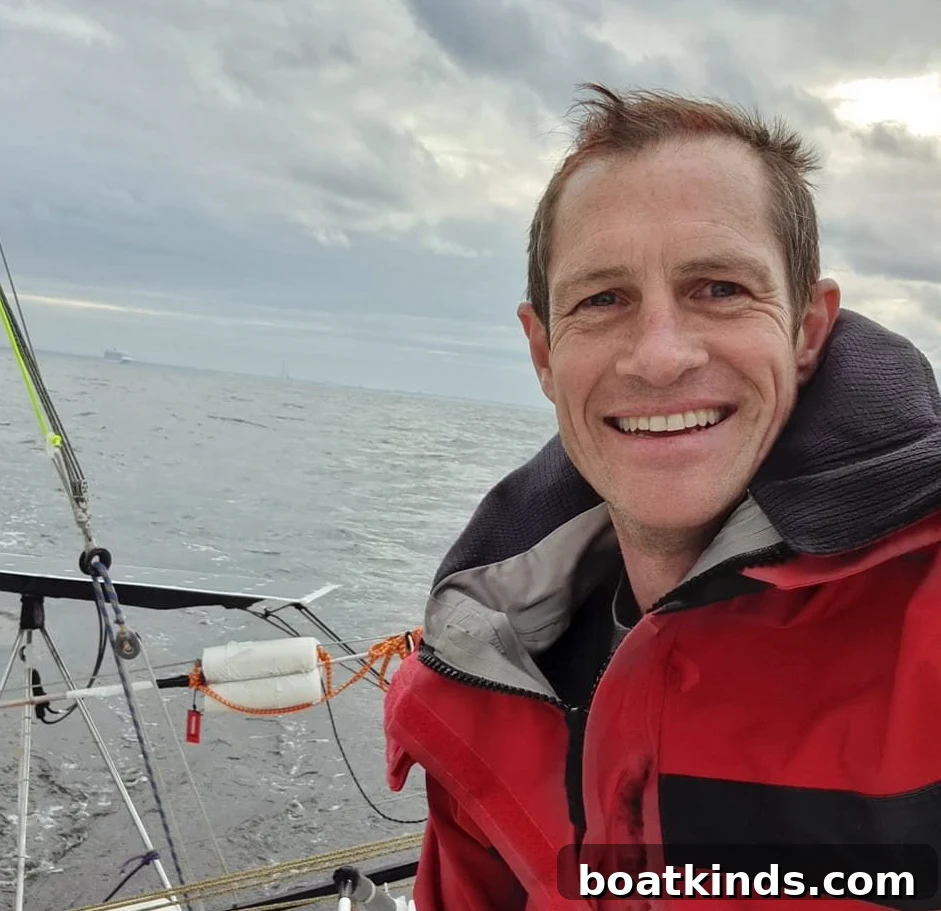
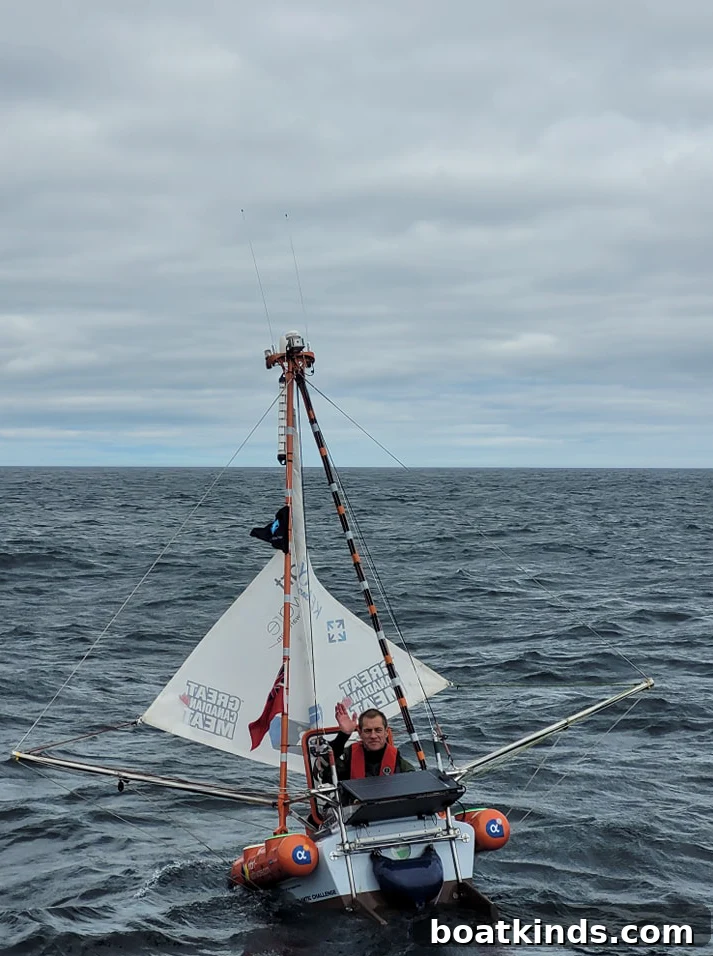
Known to friends and followers as an experienced mariner, Bedwell spent more than three years constructing his craft, affectionately named Big C. The vessel measured just three feet in length, a remarkable—and risky—choice for any ocean voyage. His plan combined a personal challenge with charity: Bedwell intended to raise money for cancer charities during the attempt, using the high-profile nature of the project to draw attention and support.
Shortly after launch, however, Big C began to take on water. Bedwell decided to return to harbor rather than continue in a damaged state. Once the little vessel was lifted out of the water, it became clear the hull had suffered severe structural damage. Bedwell later explained that the weight of the water that filled the craft had effectively destroyed the boat’s framework, leaving it beyond practical repair.
The collapse of this dream was hard for Bedwell and for those who had followed his progress. He shared the disappointing outcome on his Facebook page, describing his inability to repair Big C and the end of the voyage he had worked on for years. The post drew messages of sympathy and encouragement from many supporters, who praised his bravery and resilience despite the setback.
Supporters urged Bedwell to take time to recover and reflect. “If it were easy everyone would do it,” one follower wrote on social media. “Get some rest, maybe go away for a couple of days and regroup. You didn’t promise anything to anyone but yourself. Carry on.” Such responses underscored both admiration for the attempt and concern for Bedwell’s well-being after the loss of Big C.
Attempting a transatlantic crossing in a vessel as small as three feet presents obvious and extreme challenges. Small boats face stability issues, vulnerability to heavy seas, limited storage for essential supplies, and heightened risk of structural failure when exposed to the sustained stresses of open-ocean conditions. Bedwell’s project was notable for combining technical daring—hand-building a tiny seaworthy craft—with a fundraising mission aimed at supporting cancer charities.
While Big C’s journey ended prematurely, the effort itself drew attention to the determination of a father and craftsman who committed years of work to a bold idea. The project highlighted the craftsmanship involved in building a small, specialized craft and the emotional investment that often accompanies charity-driven feats of endurance. For many who followed the story, Bedwell’s attempt served as an example of personal courage and the willingness to take on difficult challenges for a cause.
Bedwell has said he will not be able to reattempt the crossing in Big C after the structural damage, and his followers have been offering support as he assesses next steps. Whether he chooses to pursue future maritime projects, rebuild, or turn his efforts to other ways of supporting charity, the public reaction reflects respect for his ambition and for the work he put into the vessel over more than three years.
The story of Big C and Andrew Bedwell resonates as both a cautionary tale about the risks of extreme small-boat voyages and an illustration of how personal projects can capture public interest when paired with a charitable purpose. For now, the hand-built three-foot craft has been declared beyond repair, but Bedwell’s determination and the goodwill shown by supporters remain clear.