
Mr. T: A Loggerhead Sea Turtle Released from The Turtle Hospital and Tracked Across the Florida Coast
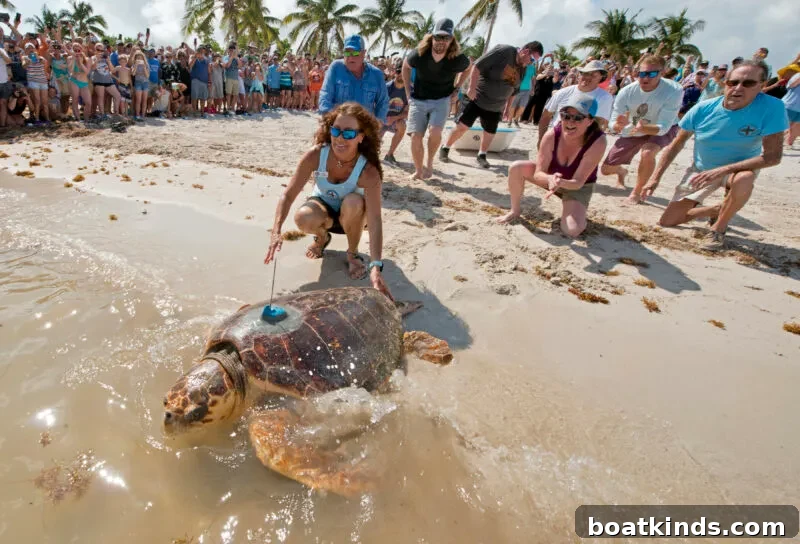
On May 7, 2019, The Turtle Hospital in Marathon, Florida Keys released an adult male loggerhead sea turtle named Mr. T back into the Atlantic at Sombrero Beach. Rescued earlier that year in February, he required surgery to remove an embedded fishhook. At the time of his release he weighed approximately 200 pounds and was fitted with a satellite tracking tag provided by Mote Marine Laboratory. That tag has allowed researchers and the public to follow his movements ever since.
One Year of Movement: More Than 1,600 Miles Traveled
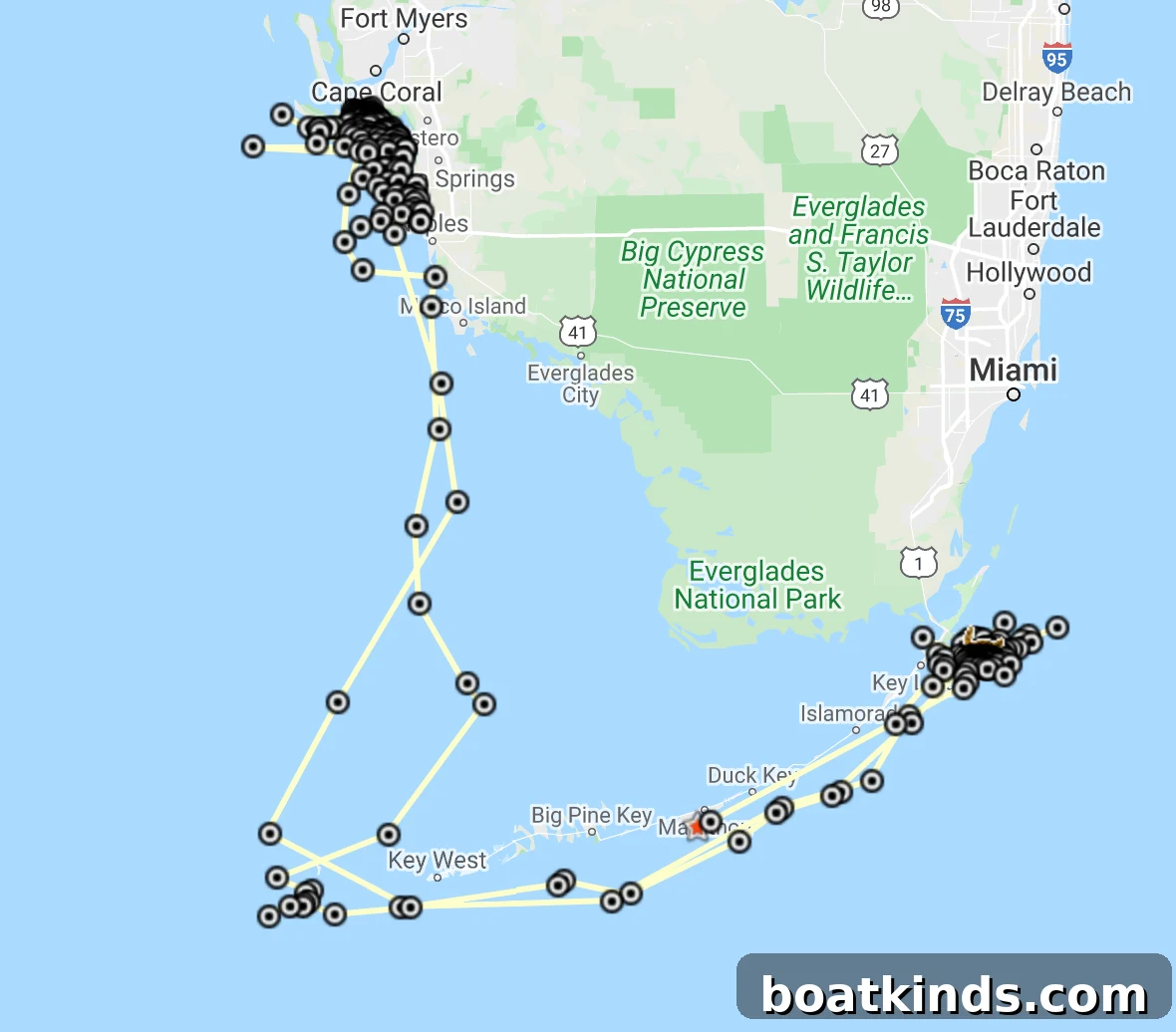
Over the following year, The Turtle Hospital monitored Mr. T’s long-distance movements as he explored coastal waters. Satellite tracking showed he covered more than 1,600 miles, traveling from the Florida Keys around to Florida’s west coast and returning to the Keys. At the time of the latest reports he was swimming off Key Largo. These movements illustrate how far a single rehabilitated loggerhead can travel and highlight the connectivity of foraging and nesting habitats along Florida’s coastline.
Why Satellite Tracking Matters
Fitting sea turtles with satellite tags provides valuable, real-time information about migration routes, home ranges, and habitat use. For organizations like The Turtle Hospital and research partners such as Mote Marine Laboratory, tracking data helps inform conservation priorities, guide protection efforts, and improve rehabilitation practices. Data from individuals like Mr. T contribute to a broader understanding of how loggerheads move between feeding areas, migratory corridors, and potential human-related hazards like fishing gear and boating traffic.
The Role of The Turtle Hospital in Sea Turtle Rehabilitation
The Turtle Hospital in Marathon is a specialized rehabilitation facility that treats injured and sick sea turtles, with a focus on returning patients to the wild whenever possible. Cases often include injuries caused by entanglement, vessel strikes, ingestion of marine debris, or encounters with fishing gear. The rehabilitation process can include medical treatment, surgery, supportive care, and post-recovery monitoring such as satellite tagging. Releasing rehabilitated turtles like Mr. T with tracking devices helps staff confirm survival, assess post-release behavior, and share conservation stories with the public.
Loggerhead Sea Turtles and Human Impacts
Loggerheads (Caretta caretta) are wide-ranging, ocean-going turtles found throughout the Atlantic and other oceans. They are vulnerable to several human-related threats, including incidental capture in fishing gear, ingestion of marine debris, and boat strikes. Removing hooks and foreign objects, providing proper medical care, and educating coastal communities and recreational users are all part of efforts to reduce these threats. Each successful rehabilitation and release reminds us of the importance of responsible fishing practices, proper waste disposal, and safe boating behavior.
How to Follow Mr. T and Learn More
The Turtle Hospital has shared updates about Mr. T’s movements and continues to post tracking information on its website. Readers interested in following his progress can visit The Turtle Hospital’s official site to view tracking maps and read status updates. Additional background on sea turtle rehabilitation, including a May 2020 feature in Soundings that highlights rehabilitation work, provides context about the broader rescue and recovery efforts conducted by clinics and research partners.
Conservation Takeaways
Mr. T’s story is both a hopeful and informative example. It demonstrates that rehabilitated sea turtles can survive and travel great distances after release and underscores the value of satellite telemetry for conservation science. The collaboration between rescue facilities and research institutions amplifies the impact of individual rescue cases, turning them into actionable data that supports species protection. Public awareness, volunteer support, and continued research are crucial to protecting sea turtles and the coastal ecosystems they depend on.
If you encounter an injured or distressed sea turtle, contact local wildlife authorities or a nearby rehabilitation center for guidance. Responsible reporting and timely intervention can increase the chances of recovery for animals like Mr. T and help ensure these long-lived marine species continue to thrive along Florida’s shores.