
Father And Son, Edgartown
Vineyard Colors
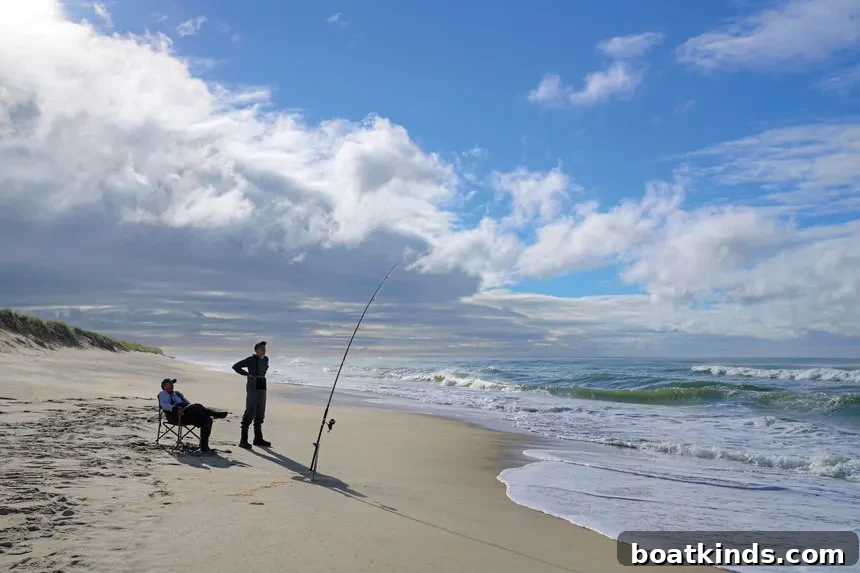
This image, titled “Father and Son, Edgartown,” captures a quiet, evocative moment that balances human connection with coastal light and color. The photograph emphasizes the relationship between two figures while using natural tones from the surrounding environment to create a timeless, cinematic feel. The palette—soft highlights and midtone warmth—gives the scene a sense of place and mood without relying on dramatic contrast. Those subtle color shifts are what make “Vineyard Colors” resonate as both a portrait and a landscape study.
Compositionally, the photo relies on simple, clean lines and careful placement of subjects to draw the viewer’s eye. The father and son are positioned to create an intimate focal point amid open space, allowing the environment to complement rather than compete with them. Negative space, gentle leading lines, and a balanced background contribute to the photograph’s calm, contemplative atmosphere. These compositional choices serve the storytelling: they place emphasis on relationship, gesture, and the quiet narrative that unfolds between two people sharing a moment.
Lighting and color play a central role in the image’s emotional impact. Soft, even light preserves detail and texture in both skin tones and surrounding elements, while the color harmony ties the scene together. When shooting subjects in natural light, look for conditions that avoid harsh shadows and blown highlights—overcast skies or the warm light of early morning and late afternoon often produce the most flattering results. In this case, the controlled exposure captures the full tonal range, allowing subtle hues and textures to read clearly across the frame.
For photographers aiming to recreate this style, attention to technical settings and lens choice is essential. A 35mm focal length offers a natural perspective that includes environmental context without distorting facial features or compressing the scene too much. The chosen aperture keeps enough depth of field to maintain both subject and background clarity, while the shutter speed ensures sharpness even if there is slight movement. These choices work together to preserve spontaneity while delivering a crisp, well-defined image.
Technical Details
Camera: Sony A7R-II
Shutter speed: 1/800 second
Lens focal length: 35mm
Aperture: f/9
ISO: 125
These settings reflect a deliberate approach to capturing a moment with both clarity and atmosphere. A high-resolution sensor like the Sony A7R II helps retain fine detail, while an ISO of 125 keeps noise to a minimum. A shutter speed of 1/800 second freezes motion effectively, useful when shooting candid interactions that may include slight movement. Stopping down to f/9 increases depth of field sufficiently to keep both foreground and background elements readable, supporting narrative context without sacrificing subject focus.
Post-processing should aim to enhance what is already present in the file—preserving natural tones, restoring local contrast where needed, and maintaining skin tone integrity. Subtle adjustments to white balance and selective color grading can reinforce the overall mood without over-stylizing the image. For this type of portrait-environment blend, prioritize clarity, gentle contrast, and restrained saturation to keep the look authentic and timeless.
When approaching similar scenes, consider the story you want to tell. Small gestures, body language, and how subjects relate to their environment are often more compelling than posed expressions. Engage with the people you photograph, encourage relaxed movement, and allow moments to unfold organically. Combining thoughtful composition, careful exposure, and a respectful connection with your subjects creates images that speak to memory and place—photographs like “Father and Son, Edgartown” that invite viewers to linger and reflect.