Spending time on the water is one of life’s great pleasures, but it comes with hazards many boaters overlook—chief among them, carbon monoxide (CO) from engine exhaust. You may have stood too close to the transom while backing down, or felt a gust of wind blow exhaust fumes into your face while idling to land a catch. Exhaust smells unpleasant, and most people instinctively avoid it. The problem is that the part you can smell and taste isn’t the most dangerous: carbon monoxide is. It’s colorless, odorless and can build up silently around and inside a boat, turning a calm outing into a life-threatening situation.
CO can collect in cabins, on swim platforms, flybridges and cockpit areas, and in some cases it can seep through hull openings or back-draft into enclosed spaces. While commercial vessels undergo regular inspections, many recreational boats—especially older used boats—may have exhaust leaks, deteriorated hoses or poorly routed exhaust that create dangerous CO concentrations. Regular maintenance, awareness of the risks, and simple safety devices can dramatically reduce the danger to you and your passengers.
Signs And Symptoms
When inhaled, carbon monoxide passes through the lungs into the bloodstream and binds with hemoglobin, the same molecule responsible for carrying oxygen. CO binds more readily than oxygen, displacing it and preventing efficient oxygen transport to tissues. That is why CO poisoning often mimics other conditions: symptoms can resemble seasickness, motion sickness, altitude sickness or just the flu.
Common signs of CO exposure include headache, nausea, dizziness, confusion, weakness, fatigue and shortness of breath. People who do not normally feel seasick but suddenly experience nausea while on board may be affected by CO. In severe cases, exposure can lead to loss of consciousness, seizures or death. Because CO is odorless and colorless, victims may become incapacitated without any warning or sense that something is wrong.
What To Do
If you or anyone aboard develops symptoms that could indicate CO exposure, take immediate action. Move everyone to fresh air right away—go upwind, onto the bow, or to shore if possible. Turn off engines and generators to eliminate the source of exhaust. If symptoms are moderate to severe, request medical assistance or make a pan-pan or mayday call as appropriate for your situation. Remember that what seems like ordinary seasickness could be a sign of CO poisoning, especially if you detect exhaust odors or see exhaust accumulation around the stern or cockpit.
CO already bound to hemoglobin will gradually be expelled as you breathe clean air; high-flow oxygen accelerates this process. If poisoning is significant, professional medical treatment may be required. In more serious exposures, hyperbaric (pressurized) oxygen therapy is sometimes used to speed recovery and reduce long-term effects.
Avoiding CO Buildup Is the Best Strategy
Prevention starts with routine maintenance and inspection of your boat’s exhaust system. Corroded, loose or cracked exhaust hoses, failed hose clamps, and poor exhaust routing are common causes of leaks. Inspect hoses, clamps and exhaust components at least annually and replace any parts showing wear, charring, softness or deformation. Have a certified marine mechanic perform a thorough check as part of regular engine service.
Even well-maintained boats can develop hazardous CO conditions in certain circumstances: idling near docks, slow-speed transits with high bow angles, or specific hull and swim platform designs that trap exhaust can all create pockets of CO. Back-drafting—when exhaust is drawn back toward the vessel rather than away—can also occur and should be considered when troubleshooting any unusual buildup of fumes. Authorities have issued safety alerts describing cases where seemingly sound boats formed dangerous concentrations of CO in cabins and on rear decks due to design or operating conditions.
$99 Can Save Your Life
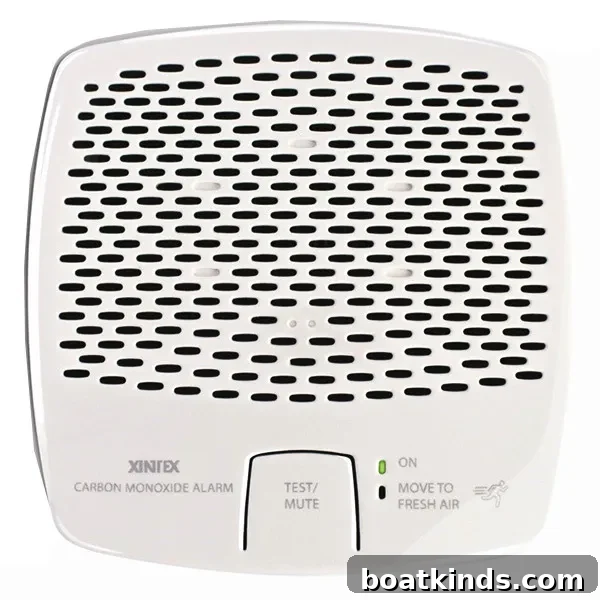
One of the simplest, most effective precautions is installing a carbon monoxide detector in any enclosed living or sleeping areas onboard. Modern marine CO detectors are affordable—often under $100—easy to install and can be hardwired into the vessel’s electrical system or run on batteries. They will sound a loud alarm if CO reaches dangerous levels, giving you time to take action before symptoms appear. Place at least one detector near sleeping areas and additional units in larger cabin spaces as needed.
In addition to detectors and proper maintenance, adopt safe operating habits: ventilate cabins when idling or cooking, avoid running generators near open hatches, and never sleep in an enclosed space with engines or heaters running. Learn the conditions that increase the risk of CO accumulation on your specific boat and discuss those risks with guests so everyone understands when to get to fresh air quickly.
Take a few minutes to review national boating safety guidance on carbon monoxide and the recommendations from maritime safety organizations. Regular inspections, a properly installed CO detector, good ventilation and cautious operating practices form a reliable defense against this unseen hazard. Being aware and prepared could save your life or the life of someone you love while enjoying time on the water.