
Former Gloucester Captain Teaches a Classroom-Based Vocational Program for Commercial Fishing
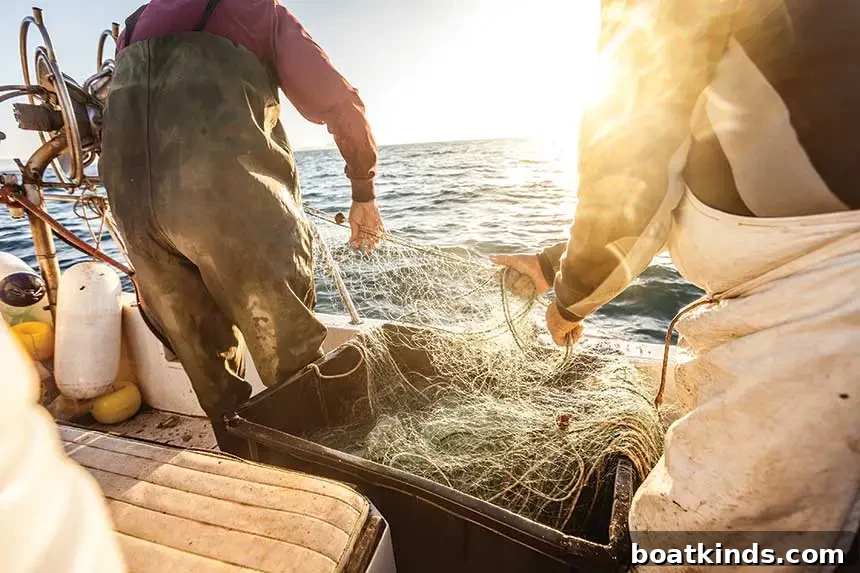
Commercial fishing is traditionally learned at sea, through long days working beside seasoned crew in challenging conditions. Joe Sanfilippo, a 47-year-old former Gloucester captain, believes there is a better way. After 28 years working with his four older brothers on a family fleet of three 80-foot boats, Sanfilippo has developed a classroom-based vocational program he calls Extreme Gloucester Fishing to train the next generation of deckhands and fishermen.
Sanfilippo’s hands-on experience spans swordfishing, longlining and dragging for cod, haddock and pollock. He launched his training initiative with a practical, highly requested course on repairing torn nets. The first offering filled with a diverse group of participants, from complete newcomers to seasoned deckhands looking to sharpen skills they may have missed earlier in their careers. One graduate of that initial class recently secured employment on a commercial fishing vessel in Alaska.
Why Classroom Training Matters
Sanfilippo explains that learning on a pitching deck, in wind and rain, is a hostile environment for novices. “A lot of these guys, myself included, were taught under extreme circumstances,” he says. “I want to break it down in a classroom and create some excitement so that people will actually enjoy going out there.” By teaching core skills in a controlled setting first, students can absorb terminology, techniques and safety procedures before applying them at sea.
Curriculum and Career Path
Extreme Gloucester Fishing is designed as a comprehensive vocational program. The curriculum includes 40 modules across eight subject areas, totaling roughly 830 hours of classroom instruction. Sanfilippo selected net-mending as the initial topic because it is a fundamental skill that employers expect from entry-level crewmembers. “You have to know that before they even give you a job,” he says.
The full six-month, full-time program Sanfilippo envisions will cover all aspects of commercial fishing required to perform as a competent deckhand anywhere in the world. Topics include vessel handling and safety, gear operation and maintenance, industry terminology, and practical seamanship. The course also addresses non-technical but essential elements of life at sea: financial planning and career management are incorporated to help students weigh the realities of commercial fishing as a profession.
Students and Industry Response
Students who attended the first classes represented a range of backgrounds. Some had only minimal time on boats; others, like Shawn Goulart, brought decades of experience and enrolled to fill a skill gap. “Somehow I managed to make it for 25 years without ever learning how to mend nets,” Goulart says. “Having the skill makes you more valuable.” Another student was a young woman who had fished with her father on a lobster boat; the program appealed to people already connected to the industry as well as newcomers drawn by growing public interest in commercial fishing.
Michael De Koster, executive director of Gloucester Maritime, which runs a maritime museum and aquarium, has contributed as a guest instructor. He praises the effort for preserving traditional skills and helping students find work more quickly. “The class is a wonderful contribution to the industry,” De Koster says. “Joe is going to put more people in the pipeline and give these fishermen a leg up.”
Challenges and Motivation
Commercial fishing faces several headwinds: shrinking catches, expanding regulation and the demanding nature of the work have all made recruitment difficult. Sanfilippo himself left active fishing a few years ago, citing concerns about over-regulation. Many captains are reluctant to take on and train new crew because of the risks, long hours, and limited benefits such as health insurance and retirement plans. Sanfilippo believes that classroom training can lower the barrier to entry and help sustain the local fleet by preparing qualified recruits.
Student fees for Sanfilippo’s classes are modest—$40 per session—so the program is not yet fully self-sustaining. Volunteer guest instructors help keep costs down. “That’s okay because this isn’t about the money,” Sanfilippo says. “It’s about the heritage and the knowledge that shouldn’t be lost. I have 28 years of knowledge in my head that I want to share with people who can sustain the industry.” He notes that similar commercial fishing training exists in countries like Norway and Sweden, and believes Gloucester, with its long maritime history and once-large landings, is an ideal place for this kind of program.
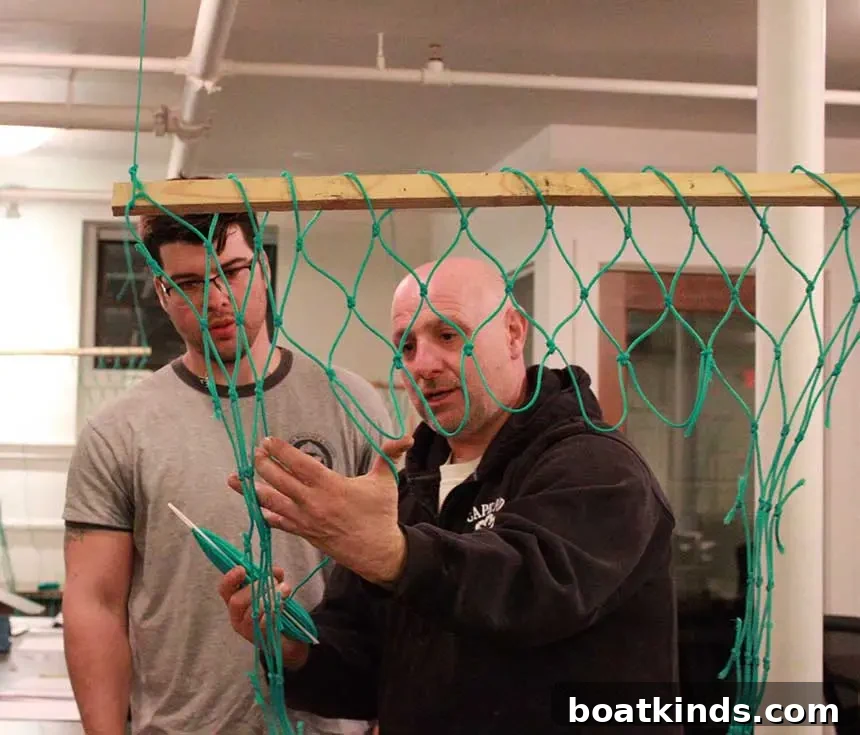
Sanfilippo hopes to build on the popularity of television programs that spotlight commercial fishing and leverage that interest into real-world careers. With a structured classroom approach, practical modules and industry partnerships, Extreme Gloucester Fishing aims to create a reliable pipeline of trained crew members and keep local maritime traditions alive.