Alaska’s Vaccine Lifeline: Boats, Sled Dogs and a Century-Old Spirit of Rescue
Paws digging into frozen earth, breath hanging in negative-30-degree air—those images from 1925 remain powerful reminders of Alaska’s history of rugged rescue. That winter, musher Leonhard Seppala and other brave Alaskans completed a perilous sled dog relay to carry diphtheria serum into Nome. The story is best known today through the legacy of Balto, the sled dog lionized in popular culture and immortalized in film. Nearly a century later, that same determination and ingenuity are driving Alaska’s modern response to another public health emergency: Covid-19.
Alaska’s combination of extreme weather, sparse communities and vast wilderness has always demanded creative solutions. During the Covid-19 pandemic, that characteristic resourcefulness became central to the state’s vaccine distribution strategy. A campaign known as “Project Togo,” named for another dog from the 1925 relay, prioritized reaching remote towns, villages and tribal communities by every feasible means—small aircraft, fishing boats, landing craft, and in some instances, sled dogs and snowmachines. Those unconventional logistics helped Alaska lead the United States in Covid-19 vaccinations per capita, a remarkable achievement for a state where more than 731,000 people live across a landscape of fjords, islands and tundra.
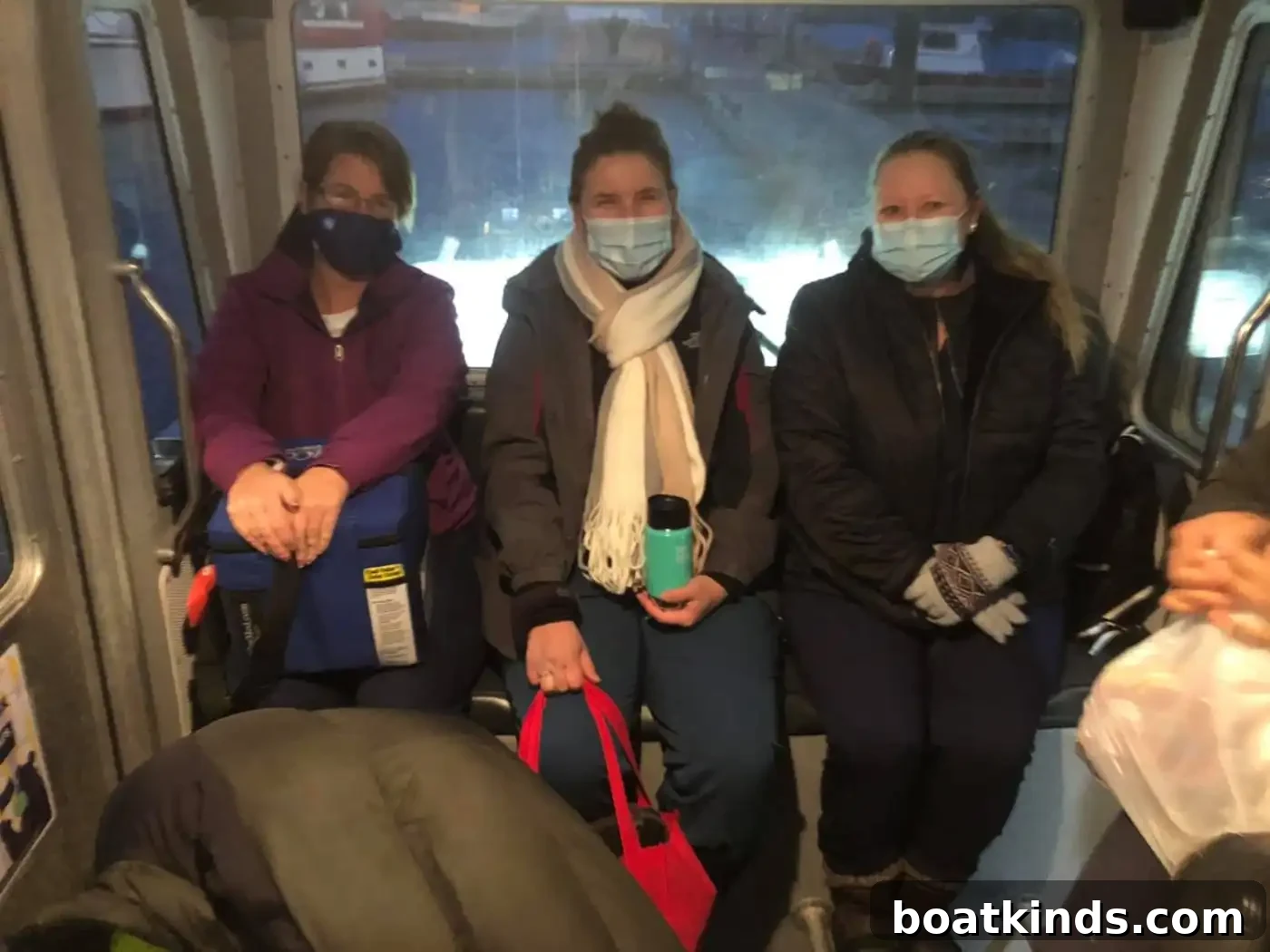
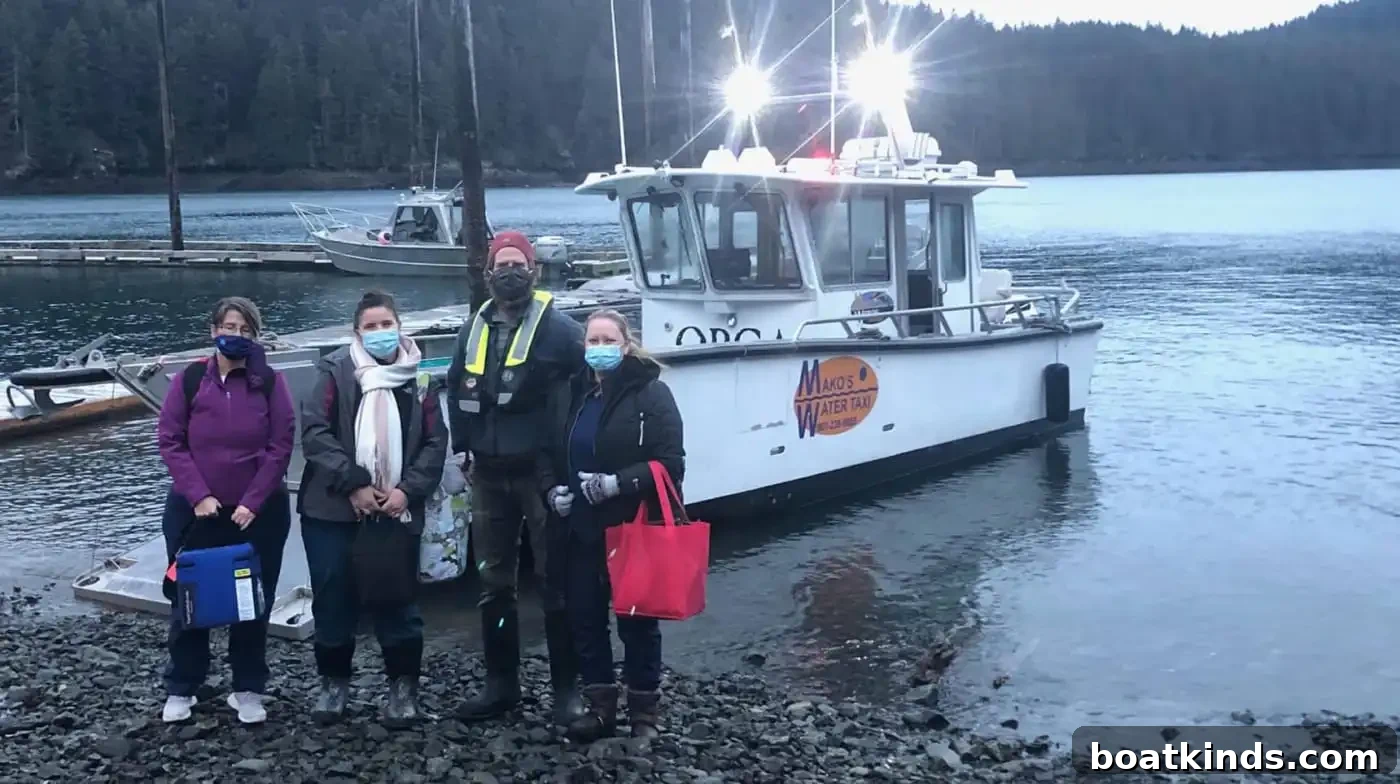
One illustrative example took place in December when poor visibility grounded commercial flights bound for Seldovia, a remote village across Kachemak Bay. When planes could not make the trip, a charter captain named Curtis Jackson stepped in. Commanding a 32-foot Munson landing craft, Jackson ferried four medical personnel and the precious Pfizer vaccine across 15 miles of open water in 4-foot seas. What would normally be a 30-minute crossing stretched into an hour as weather conditions worsened—but the mission succeeded.
Jackson captured the rough crossing on his social media page and shared what he called “A Little Victory Story.” He described the moment the insulated blue box of vaccines arrived as the best Christmas present he could imagine for friends and neighbors, and he praised the medical teams who volunteered to bring doses to isolated residents. His post reflected a sentiment common across Alaska during the rollout: small practical acts by pilots, captains, health workers and volunteers combined into a statewide effort to protect vulnerable communities.
Boats played a crucial role beyond emergency ferrying. In coastal and island communities, local leaders and health officials adapted fishing vessels and created “boat-up” vaccination sites where residents could receive shots directly from boats or at dockside clinics. The state’s patchwork of clinics, mobile teams and community-based events prioritized equitable access for elders, rural families and tribal populations who often face long travel times to major medical centers.
Alaska’s vaccine campaign demonstrates how local knowledge and flexible logistics can overcome geographic challenges. The same ingenuity that once saw sled dogs and mushers racing across blizzard-swept tundra to save lives has evolved into coordinated air, sea and land operations to deliver modern medicine. Healthcare workers, pilots, boat captains and community volunteers all played parts in a deeply local effort to protect neighbors and preserve cultural lifeways.
The story of Alaska’s vaccine distribution is a reminder that public health in remote places depends on more than cold-chain protocols and supply lines: it relies on people willing to adapt, to use familiar tools in new ways, and to cross difficult terrain to reach the most isolated residents. Whether guided by a sled dog’s instinct or a captain’s steady hand in rough seas, the spirit of rescue continues to shape how Alaskans care for one another.