
Hasselblad H3D-39: Camera Settings, Technique, and Practical Notes
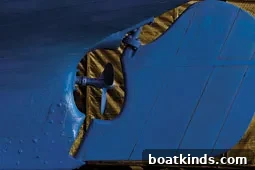
This image was photographed with a Hasselblad H3D-39 and the technical details listed below. The combination of a medium-format camera, a moderate telephoto focal length, a small aperture and a slow shutter speed suggests a careful, deliberate approach to exposure and composition. Those settings work together to control depth of field, motion, and image quality—key considerations for anyone interested in high-resolution, fine-detail photography.
Technical Details
- Camera: Hasselblad H3D-39
- Shutter speed: 0.7 second
- Lens focal length: 120mm
- Aperture: f/13
- ISO: 50
- September 2014 issue
What these settings mean in practice
The shutter speed of 0.7 second indicates a long exposure relative to typical handheld shooting. To keep the image sharp at this speed, a solid tripod and stable support are highly recommended. Camera movement at 0.7 second will introduce blur unless the camera is immobilized and any camera-triggering movement is minimized—use a remote release, self-timer, or mirror lock-up function if available.
A focal length of 120mm on a medium-format system provides a narrower angle of view than wide lenses and is often used for portraiture, detail work or compressing perspective in landscape and product photography. When shooting with a telephoto focal length, stability becomes even more important because small movements are magnified. Careful focusing and repeatable setup help ensure consistent results.
Choosing f/13 indicates an intent to maximize depth of field while preserving overall sharpness. On medium-format systems, diffraction effects occur at smaller apertures than on smaller sensors, but an aperture like f/13 is commonly used when the goal is to keep substantial subject area in focus without compromising micro-contrast excessively. Always test the lens to find its optimal aperture for sharpness if critical detail is required.
ISO 50 is a low sensitivity setting that minimizes noise and yields a cleaner tonal gradation and maximum dynamic range in many digital backs and cameras. Low ISO values pair well with longer exposures and smaller apertures when light levels allow. They are especially useful when aiming for high-quality, low-noise files suitable for large prints or demanding post-processing workflows.
Recommended workflow and technique
1) Stabilization: Use a stable tripod, level the head, and secure any cable release or remote trigger to eliminate camera shake. If your camera offers mirror lock-up or electronic shutter options, engage them to reduce vibration during the exposure.
2) Focusing and composition: With a 120mm focal length, consider focusing carefully on the most important part of the scene. If depth of field is critical, focus slightly in front of the primary subject plane and verify with live view or magnified focusing aids when available.
3) Exposure control: At low ISO and small aperture, meter the scene for highlights and shadows. Bracket exposures when unsure, especially with long exposures that may have subtle changes in exposure due to light or movement. Use histograms and highlight warnings to confirm exposure accuracy.
4) Post-processing: Low ISO captures produce files that tolerate detailed adjustments. Preserve highlight detail in RAW processing, apply noise reduction minimally if needed, and sharpen selectively to retain natural texture without introducing artifacts.
When to use this approach
This combination of settings suits situations where image quality, tonal richness and depth of field matter more than a fast shutter speed—studio work, controlled natural-light scenes, still life, architecture details, and certain landscape or environmental portrait conditions. If motion is present in the scene, adapt the shutter speed accordingly or embrace intentional motion blur as a creative choice.
These technical notes are intended to clarify how the settings shown affect the final image and to offer practical guidance for photographers using similar equipment and conditions. The measured, deliberate approach demonstrated here can help produce high-quality, finely detailed photographs suitable for editorial, print and archival uses.