
What We’re Watching
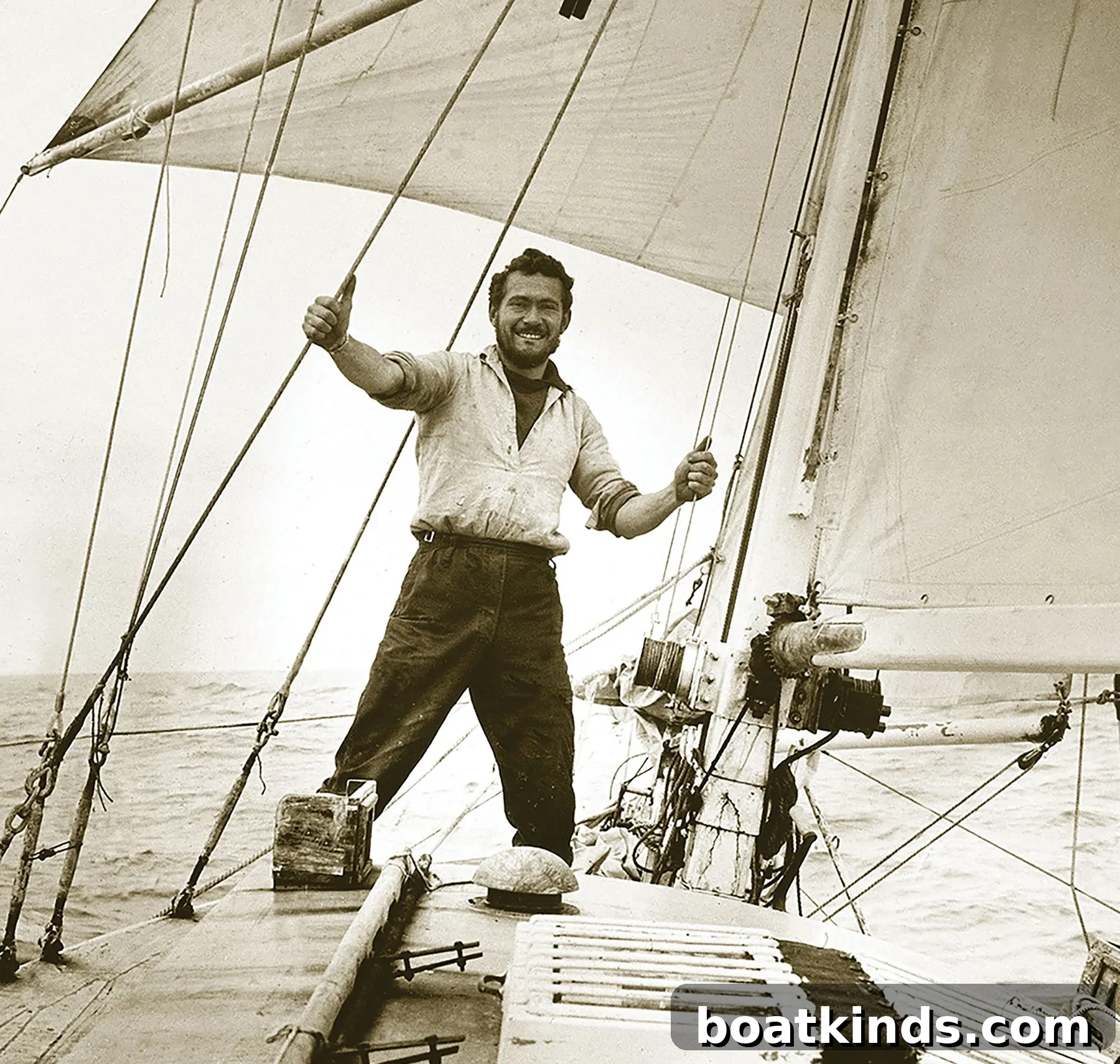
Super Solo — In 1969 Sir Robin Knox-Johnston became the first person to complete a nonstop, singlehanded circumnavigation of the globe. He sailed the 32-foot teak-planked Bermudan ketch Suhaili, built in Bombay, and emerged as the lone finisher of the 1968–1969 Golden Globe Race. The 29-year-old spent 313 days at sea to complete the voyage, a feat still celebrated in sailing circles for its grit, seamanship and endurance.
Knox-Johnston’s career continued long after that historic trip. He went on to make multiple circumnavigations, competed in the 1977 Whitbread Round the World Race and partnered with Kiwi sailor Peter Blake to win the Jules Verne Trophy for the fastest nonstop circumnavigation. His life at sea has been marked by a mix of adventure, innovation and quiet determination, and his experiences offer lessons that apply to both offshore racers and cruising sailors.
For anyone interested in a concise cinematic portrait, the documentary Sir Robin Knox-Johnston: Sailing Legend runs about 56 minutes and brings his story to life through archival footage, interviews and reflections on the risks and rewards of solo sailing. The film is available online under that title and provides a compact, engaging look at one of modern sailing’s most influential figures.
More Salty Reads
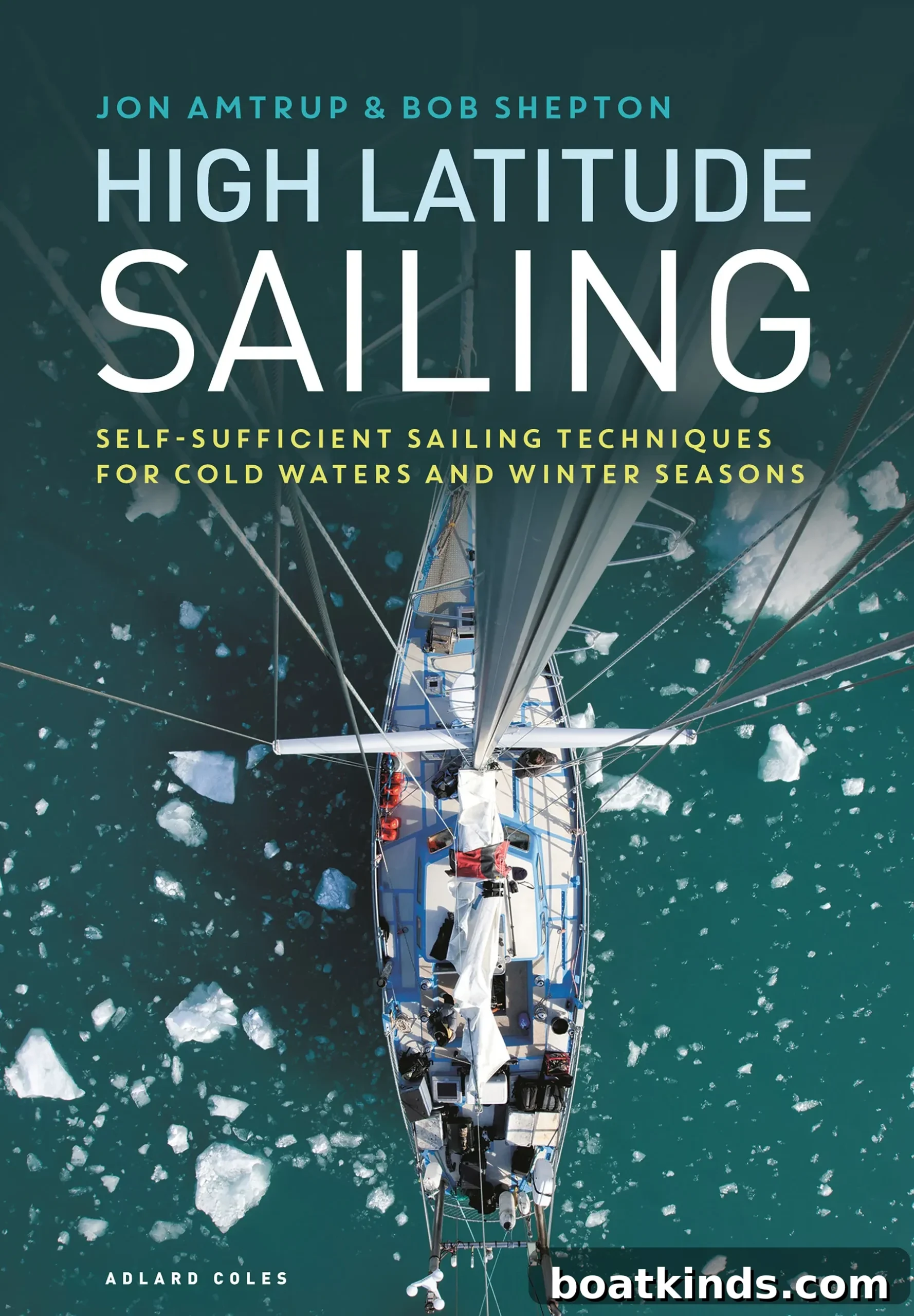
Cold Comfort
High-latitude cruising is a different discipline from warm-water passagemaking. The Arctic and Southern oceans offer remote, dramatic seascapes and the kind of solitude many cruisers seek, yet they also present unique hazards: fast-changing weather, sea ice and limited emergency support. For sailors planning expeditions into these environments, careful preparation and self-reliance are essential.
High Latitude Sailing: Self-Sufficient Sailing Techniques for Cold Waters and Winter Seasons is written by two experienced polar navigators and aims to give practical guidance for voyages in cold, remote waters. The book addresses weather forecasting for polar regions, strategies for safety and emergency preparedness, anchoring in challenging conditions, selecting appropriate gear and clothing, and piloting through icy waters. It focuses on the techniques and mindset required to remain safe and self-sufficient when help is distant or unavailable. The book is a targeted resource for cruisers who want to expand their horizons while managing the risks of high-latitude sailing. (Price listed: $35, Adlard Coles)
Southern Cross
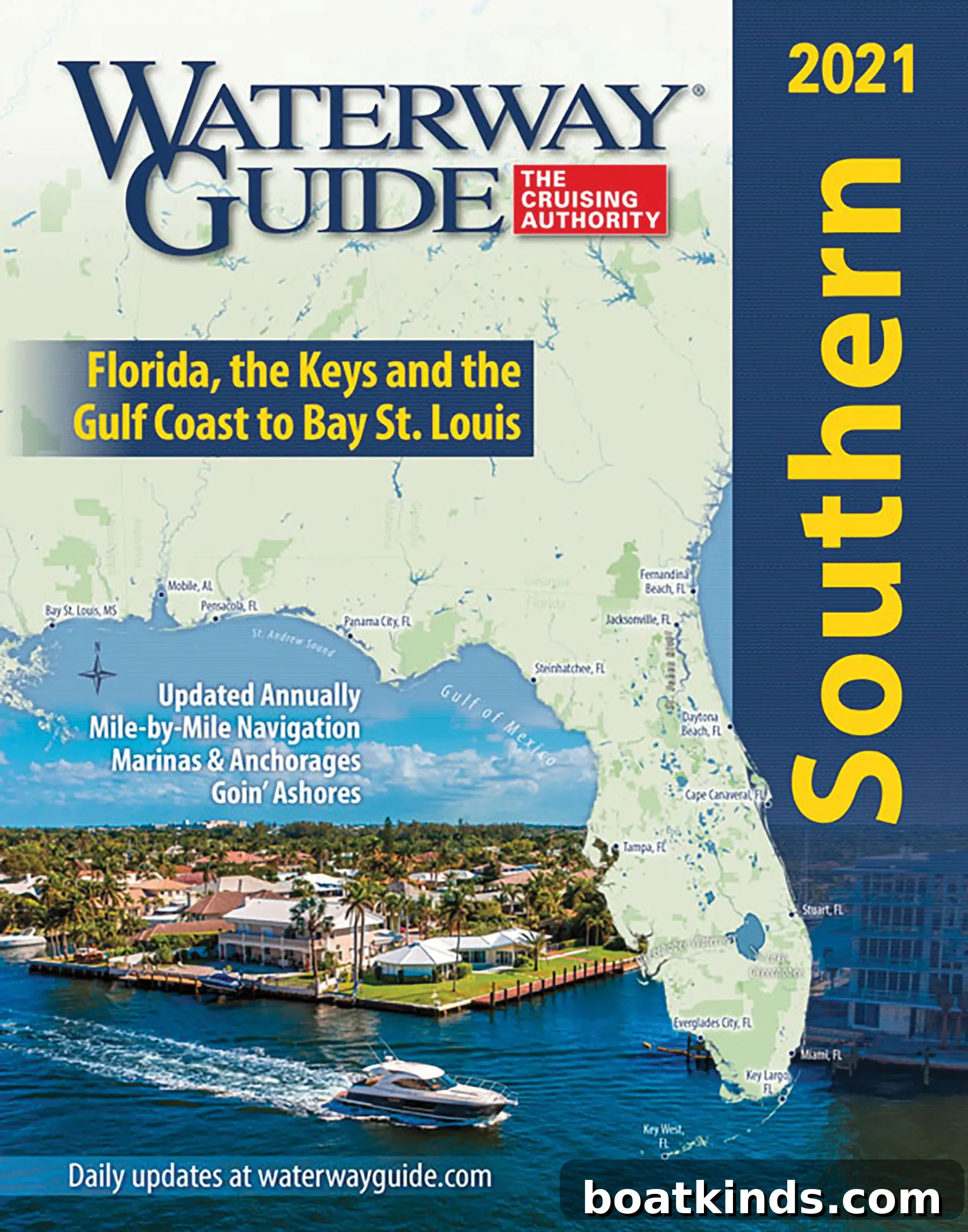
For coastal cruisers who prefer charted waterways and regular stops ashore, the long-standing Waterway Guide series remains a go-to resource. Originating in 1947 to assist cruisers navigating the Intracoastal Waterway between New York and Florida, the publisher now offers multiple regional guides covering the ICW, Chesapeake Bay, the Great Lakes, the Florida Keys and other popular cruising grounds.
The 2021 Southern Waterway Guide focuses on Florida and the Okeechobee Waterway, extends through the Keys and continues along the Gulf Coast to Bay St. Louis, Mississippi. Inside are extensive practical details: bridge and lock information, notes on shoaling and channel changes, marina and service locations, GPS waypoints, anchorages, and suggestions for things to do onshore. For cruisers planning a seasonal run or a longer coastal voyage, this kind of compendium helps with route planning, risk management and making the most of time ashore. (Price listed: $45, Waterway Guide Media)
SOCIAL NETWORKS
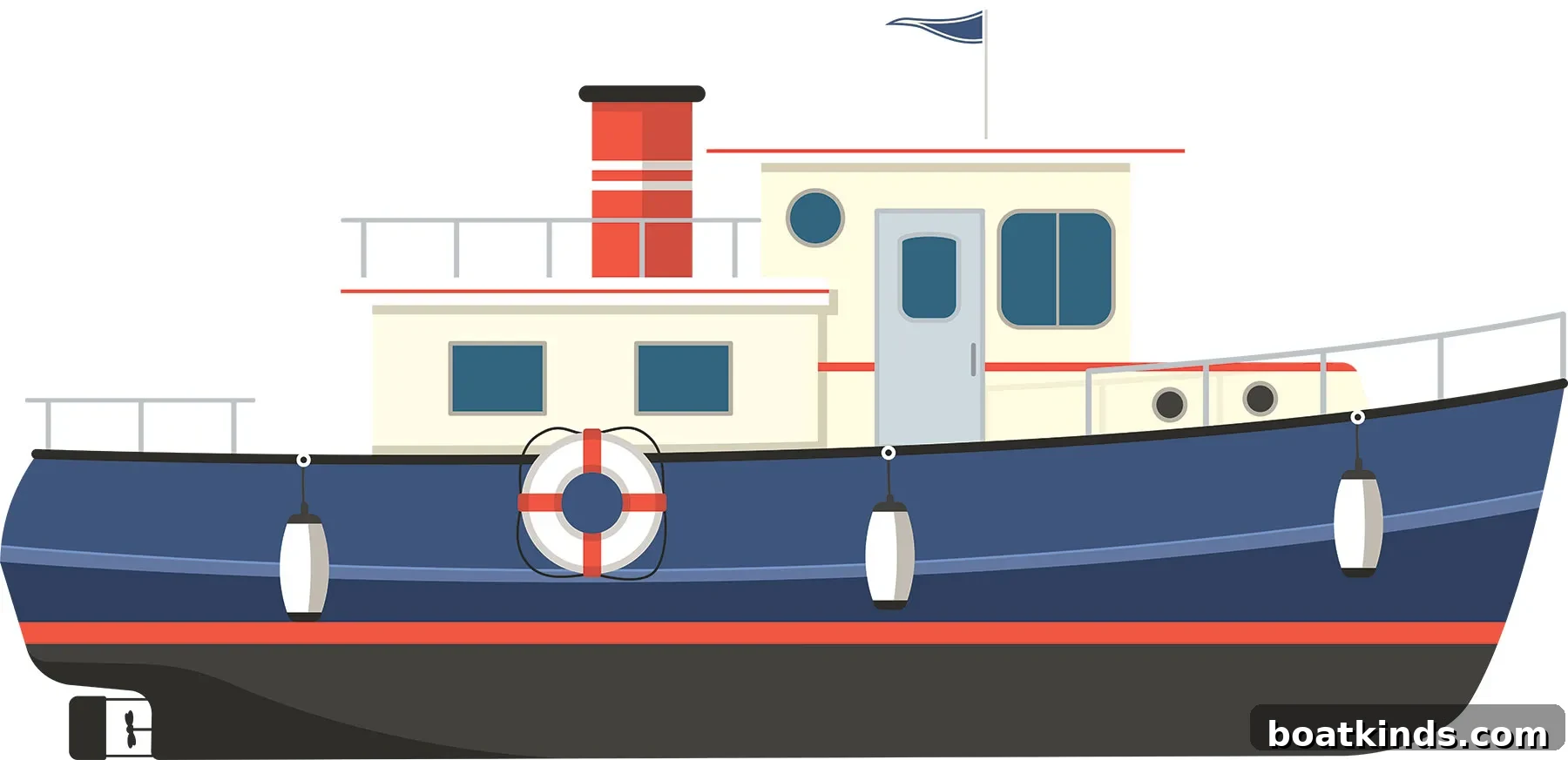
Trawler Life — Social media can be an excellent supplement to traditional resources when boatowners seek peer advice or inspiration. The Trawler Life community on Facebook gathers owners and enthusiasts who post photos and videos of their vessels, share maintenance tips, troubleshoot mechanical issues and trade recommendations for parts and equipment. Such groups are especially useful for practical, experience-based solutions that help keep boats running and cruises on course.
Joining a specialized group aligned with your boat type or cruising style can accelerate learning and connect you with people who have faced similar challenges. Whether you’re looking for engine repair advice, routing tips for a coastal leg, or simply a gallery of trawler conversions and refits to browse, active online communities provide timely, crowd-sourced knowledge that complements formal guides and hands-on experience.