
Everett Pearson: Fiberglass Pioneer Behind Pearson Yachts and J/Boats
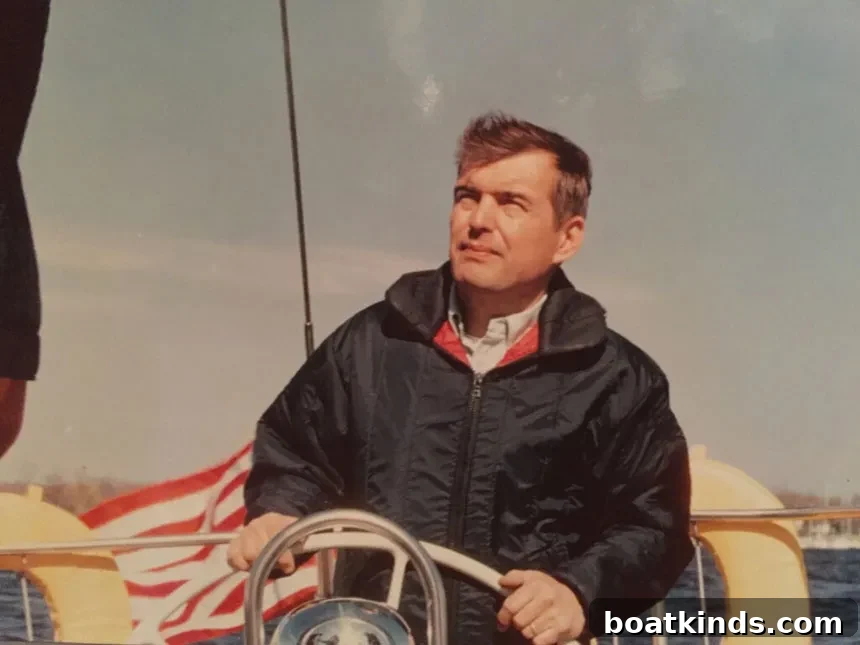
Everett Pearson, a pioneer in fiberglass boatbuilding and a co-founder of Pearson Yachts, died on Dec. 24, 2017, at Hope Hospice Center in Providence, Rhode Island. He was 84. Over a career that helped reshape recreational sailing and composite manufacturing, Pearson played a central role in launching the Triton 28, the Pearson line of production yachts and the J/Boats brand, leaving a lasting legacy in both yachting and composite industry circles.
Early Life and the Start of a Boatbuilding Career
Born in Pawtucket, Rhode Island, Pearson graduated from Brown University in 1955 with a bachelor’s degree in economics and served as captain of the football team. Alongside his cousin Clinton Pearson, his entrepreneurial instincts were evident early on — they ran small businesses delivering groceries and selling Christmas trees before turning to boatbuilding. By the late 1950s the cousins were experimenting with fiberglass dinghies in a garage at a time when wooden hulls still dominated.
Their first commercial break came in 1959 when they were asked to build a Carl Alberg design that became the Triton 28. Everett Pearson secured a $3,000 loan from a friend of his mother’s to finance exhibiting the boat at the New York Boat Show. The exposure paid off: strong orders from the show led to immediate production and rapid business growth.
Pearson Yachts and the Triton 28
Following the New York Boat Show, Pearson Yachts moved into a larger facility in the old Herreshoff yard in Bristol, Rhode Island, and quickly scaled production. The Triton 28 proved remarkably popular, selling for $9,700 at the time, and by 1968 more than 700 Triton 28s had been built. Pearson Yachts expanded its lineup to include models such as the Electra, the Alberg 35 and the 38-foot Invicta, designed by William Tripp Jr., which earned distinction as the first production fiberglass sailboat to win the Newport-Bermuda Race in 1964.
Beyond Pearson Yachts: Tillotson-Pearson and J/Boats
Pearson left his eponymous company after Grumman Allied Industries bought a controlling interest, but he remained an influential figure in fiberglass manufacturing. As co-founder of Tillotson-Pearson Inc. (now known as TPI Composites), he applied fiberglass expertise to a wide range of products, from windmill blades to flagpoles. In 1977, using Tillotson-Pearson’s production capabilities, he acquired U.S. building rights to a new design by Rod Johnstone that became the J/24 — the model that helped launch the J/Boats brand.
Pearson’s willingness to invest in tooling and production was crucial. As Bob Johnstone, Rod’s brother, noted, Everett supplied the essential production facilities and capital that turned a promising design into a mass-produced, affordable performance sailboat. The J/24 hit the market at a moment when the baby-boom generation, raised on Hobie Cats and Sunfish dinghies, wanted a larger but still affordable family sailboat. Demand exploded: within a year the company was turning out dozens of J/24 hulls each week, and at peak production Pearson was building multiple J/24s per day across two plants.
Innovation in Composites and Diverse Ventures
Tillotson-Pearson expanded to build a variety of boats and introduced new composite techniques. The company produced Freedom sailboats, Rampage fishing boats, Lagoon catamarans, Sundeer sailboats and Alerion Express models. Everett Pearson was an early adopter of the Seemann Composites Resin Infusion Molding Process (SCRIMP), using it on the J/80. SCRIMP has since been applied broadly in aerospace, defense and naval projects, demonstrating the broader impact of innovations Pearson embraced.
Pearson applied his composites knowledge beyond boats as well. He founded Pearson Pilings to manufacture fiberglass pilings for docks and marinas, and in 1986 he launched SwimEx, a company producing therapy pools. His work in composites and manufacturing earned recognition from the American Composites Manufacturers Association, which honored him with its Lifetime Achievement Award in 2001.
Legacy in Racing, Design and Family
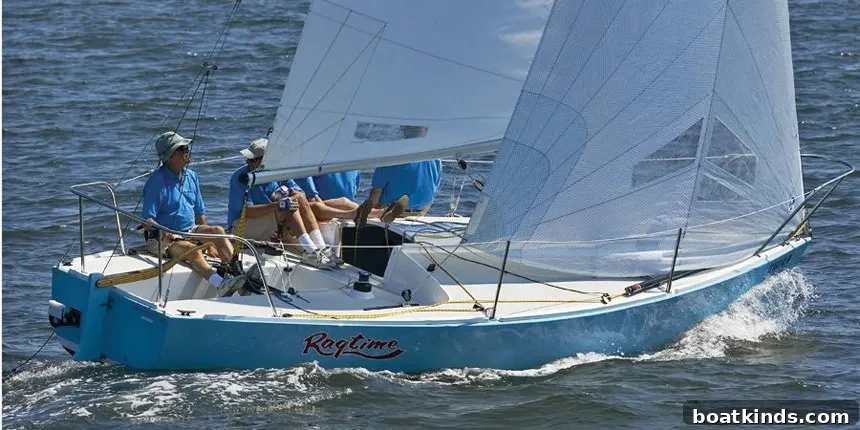
An avid sailor and long-time member of the New York Yacht Club, Pearson directly influenced a string of influential production boats. Of the 26 vessels inducted into the American Sailboat Hall of Fame, Pearson played a key role in building five: the Triton, Ensign, J/24, J/35 and Freedom 40. That contribution reflects not only commercial success but also a deep cultural impact, as families and sailing communities worldwide came to race and cruise the boats he helped bring to market.
Pearson also enjoyed competitive success on the racecourse. He and his crew shared notable victories, including a celebrated sweep at Antigua Race Week, where they reportedly collected a large number of trophies after a highly successful regatta campaign.
Throughout his life Pearson retained an engineer’s curiosity and an entrepreneur’s drive. “I’ve never gotten up any day where I dreaded going to work,” he said in a 2007 interview. Known for his single-minded focus, he had small personal quirks — colleagues recalled he would only answer the phone after the caller rang three times, ensuring that calls were important enough to interrupt his work.
Everett Pearson is survived by his wife of 62 years, Virginia Bourne Pearson, three children and eight grandchildren. His influence remains visible across the boating world and the broader composites industry: in the boats that still sail today, the production methods that endure, and the companies he helped build and inspire.
This article originally appeared in the March 2018 issue.