Alex Schulze, 4ocean Co-Founder, and Lila the Diving Dog: Helping Tackle Plastic Pollution
Alex Schulze is the co-founder of 4ocean, the organization built around the mission of removing plastic and other debris from the ocean. Founded with a clear focus on cleaning waterways and raising awareness about plastic pollution, 4ocean has become widely recognized for creative fundraising and community-driven cleanup efforts. One of the brand’s most visible fundraising items is a line of recycled plastic bracelets, which the organization uses to support and fund its cleanup operations.
Beyond fundraising, 4ocean emphasizes hands-on action and public engagement. The organization’s approach connects consumer products, volunteer cleanups, and media attention to create momentum around ocean conservation. That combination of practical cleanup work and storytelling helps keep the conversation about plastic pollution in the public eye.
Lila: From Lobster Diving to Collecting Plastic
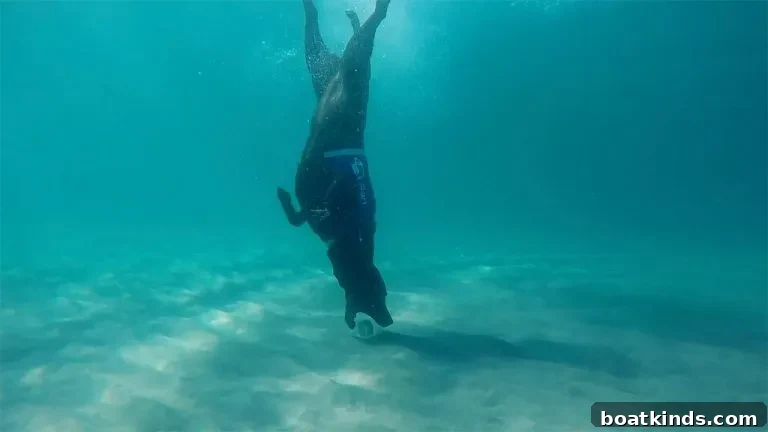
Alex Schulze’s black Labrador, Lila, has become an unusual but effective ambassador for the cause. A couple of years ago, Schulze taught Lila to dive for lobsters, demonstrating the dog’s comfort and skill in the water. More recently, Lila has learned a new task: diving for plastic bottles and other small debris. Videos and photos of Lila retrieving plastic from the water show a different, lighter side of the serious work of ocean cleanup—illustrating how training, patience, and creativity can turn a dog into a small but compelling cleanup helper.
The image of a dog diving to retrieve bottles offers a memorable, humanizing moment that can help draw attention to a much bigger problem. Plastic bottles are a ubiquitous form of litter in rivers, coastal areas, and open water. While one dog cannot solve the global plastic crisis, gestures like these help build public interest and encourage others to act—whether by reducing single-use plastics, participating in local cleanups, or supporting organizations that specialize in removing debris from the marine environment.
Why Stories Like Lila’s Matter
Stories that combine personality, animals, and practical action tend to resonate strongly with the public. A dog retrieving plastic from water is both visually engaging and easy to share, which can help spread awareness more effectively than a simple list of facts. That kind of engagement matters for organizations like 4ocean because public attention often translates into volunteers, donations, and grassroots movements that keep cleanup efforts going.
Additionally, these personal stories make the issue of plastic pollution relatable. Rather than presenting ocean cleanup as an abstract or distant problem, images of a pet interacting with debris bring the issue closer to home. Many people own pets, care about animals, or enjoy outdoor activities; showing how plastic affects familiar places and creatures helps motivate behavior change.
Practical Actions Anyone Can Take
While organizations carry out large-scale removals and policy advocacy, individuals can also take meaningful steps to reduce plastic pollution. Simple, everyday choices—like choosing reusable bottles, avoiding single-use plastics, participating in beach or river cleanups, and supporting ethical brands—contribute to a larger cultural shift. Training and creativity can amplify those efforts: community-driven projects, educational events, and shareable moments (such as Lila’s dives) help draw people into sustained action.
For people inspired by Lila and the work of 4ocean, there are many ways to get involved locally. Volunteering for a cleanup, educating friends and family about reducing plastic use, and supporting organizations that organize systematic removals are all practical steps. Even small contributions—time, attention, or purchase choices—can support broader efforts to reduce the amount of plastic entering natural waterways.
Conclusion
Alex Schulze and 4ocean focus on removing plastic from the ocean and raising awareness through both tangible actions and creative outreach. Lila, the black Labrador who once dove for lobsters, now dives for plastic bottles—an image that captures attention and encourages conversation about plastic pollution. While one dog’s efforts are symbolic, they serve a useful purpose: making the issue approachable and motivating people to act, whether through simple lifestyle changes or by supporting larger cleanup initiatives.
For a visual glimpse of Lila in action, see the original coverage showing the dog retrieving plastic from the water.