
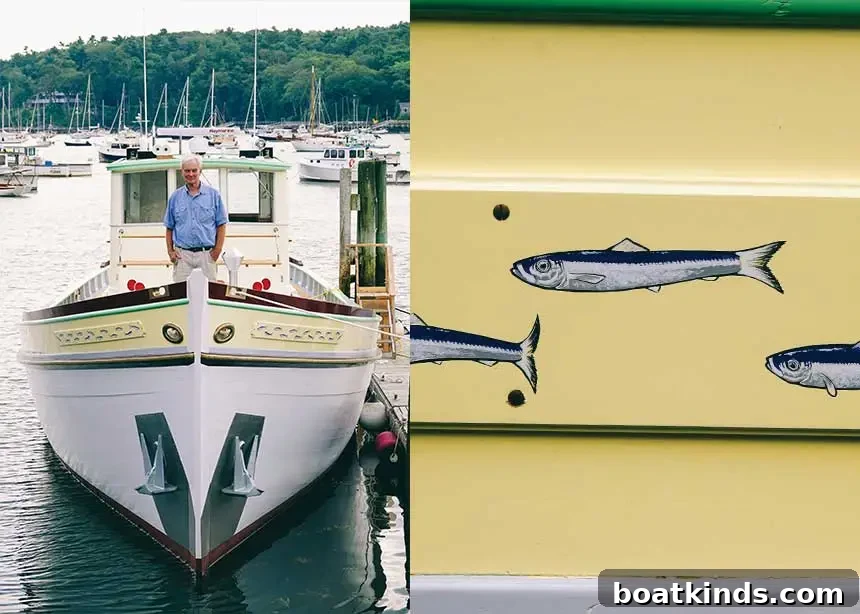
Taylor Allen never expected it would take him 12 years to convert an old sardine carrier into a comfortable cruising boat. “Are you kidding me?” the Rockport Marine co-owner laughs. “If I had known it would take 12 years, I probably wouldn’t have started.”
His plan to transform an iconic Maine coastal workboat into a retirement cruiser developed slowly. Allen moved with his family from Massachusetts to Rockport in 1962, when he was 12, after his father bought a boatyard. He did chores around the yard, earned a college degree, spent a year building boats with Joel White at Brooklin Boat Yard, and eventually took over Rockport Marine in the 1980s. By then, Maine’s sardine industry had already begun to decline.
Allen recalls first noticing the distinct vessels used in the industry only after he began building boats. Fishermen would set nets across Rockport Harbor while large carriers pumped sardines from crowded waters—workboats purpose-built to transport huge catches from smaller fishing smacks to the canneries on shore.
Sardines became a major Maine industry after European supplies were disrupted in the 1870s. By the early 20th century, dozens of Maine canneries dominated the market, processing North Atlantic herring as “sardines” despite their differences from the pilchards harvested in Europe. To meet factory demand, companies operated fleets of carriers designed with shallow draft and heavy capacity to work alongside fishing boats on shoals and ledges.
Carriers had to be efficient and sturdy: a full load could sink gunwales close to the waterline, leaving only the pilothouse and bow clearly visible. Over decades of intense use, most of these specialized vessels disappeared; by the 1990s only a handful still operated, and only a few had been converted into private cruisers.
One of Maine’s most prominent sardine companies, the Underwood Co., operated its own fleet, supplying its massive Jonesport plant. In 1941 Underwood added a new 70-foot carrier, the William Underwood, designed by Boston naval architect Walter McInnis and built by Simms Bros. in Dorchester, Massachusetts. The boat served Underwood’s Jonesport operations and later worked for other canneries under different ownership.
By the time Allen took over Rockport Marine, most carriers had been worked to the end of their lives. A few survived in other roles—some as passenger vessels, others converted into private yachts—but examples like the double-enders Allen admired were rare. When an 83-foot double-ender, the Jacob Pike, was offered for sale in the early 2000s, a friend alerted him and Allen eventually donated that boat to the Penobscot Marine Museum after running it for several years.
In 2007 Allen learned the William Underwood was available. After Underwood’s Jonesport plant closed in 1962 the carrier continued service for other plants, was renamed Marion H., and later fell into private hands. When Allen found her she was under cover at Atlantic Boat Co. in Brooklin, Maine, partially reframed but not fully replanked. Local builder Todd Skoog had replaced much of the framing before the owner encountered financial trouble; Allen credits Skoog with preserving the original hull shape.
“Todd did a beautiful job reframing her and gave me a solid foundation,” Allen says. He admits that a mix of optimism and inexperience led him to undertake a full rebuild of the 70-foot wooden carrier, but he was drawn to McInnis’ graceful hull lines.
Transporting the vessel across Penobscot Bay required careful logistics. Allen hired Tom Brownell of Brownell Boat Transport to load the carrier onto a truck and a barge for the trip back to Rockport Marine. What arrived at the yard was essentially a stripped hull with an early-1980s 855-series Cummins engine and propeller. Allen had the engine fully rebuilt by Billings Diesel & Marine and estimates its output at about 250 horsepower. The original three-bladed, 44-inch-diameter propeller remained in place; paired with a 3:1 reduction gear and the hull’s efficient lines, the vessel should cruise comfortably in the 9–10 knot range.
The rebuild progressed slowly for the first decade as client work at the yard took precedence. When Sam Temple, Allen’s stepson, assumed day-to-day leadership as co-owner, priorities shifted and the project accelerated. Tim Watts, a longtime Rockport Marine woodworker with experience on working sardine carriers, handled much of the detailed woodworking and replanking using McInnis’ original drawings. They replaced the backbone, completed the planking—purpleheart for the bottom three planks and Douglas fir above—and preserved the plank thickness McInnis specified for strength at the sheer.
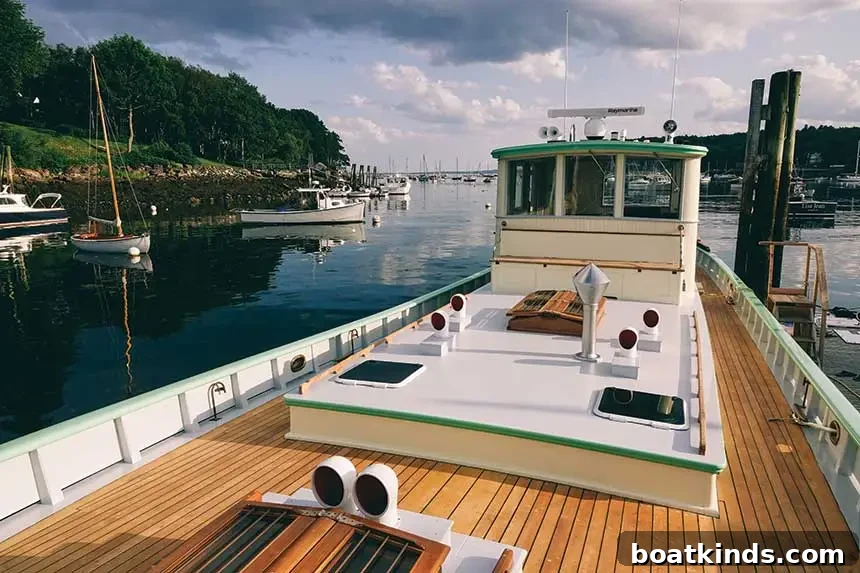
To convert the fishhold into livable quarters, Rockport Marine designer Sam Chamberlin enlarged and moved the pilothouse forward to allow a stair down into the living space while retaining the carrier’s original character. The pilothouse blends functionality and tradition: varnished mahogany accents and an Alaskan yellow cedar wheel complement practical, minimalist electronics—radar and GPS sufficient for safely navigating Maine’s fog-prone waters.
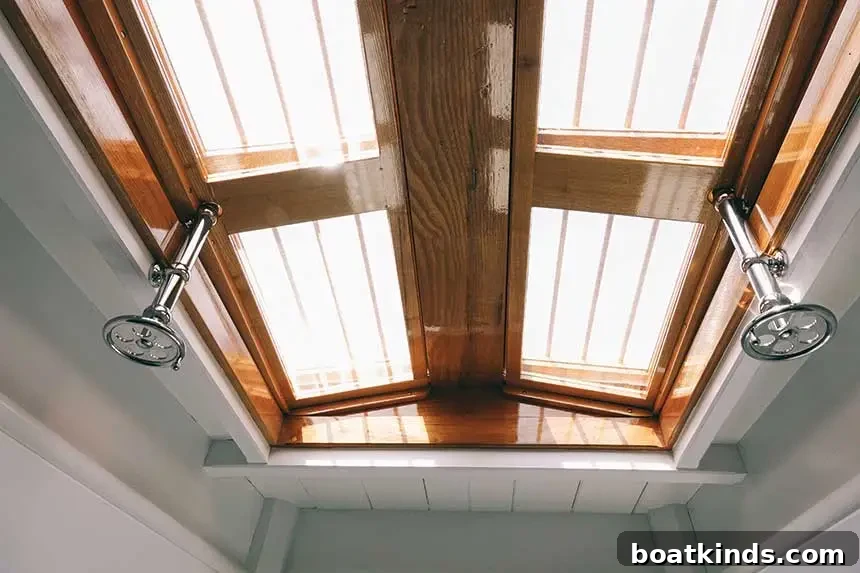
The converted fishhold now houses a U-shaped galley to port and a salon with built-in benches and a desk for Allen’s wife, writer Martha White. The fo’c’sle contains crew-era bunks that now serve as a guest stateroom and a head with shower, while a forward master stateroom features a queen berth. Heating includes a diesel-fired system and a wood stove in the salon, and ventilation is provided by butterfly hatches and dorade vents.
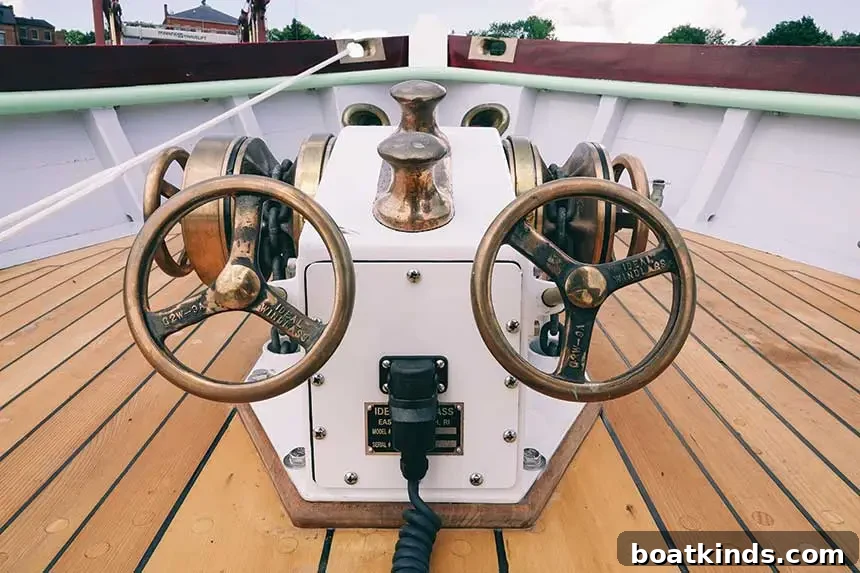
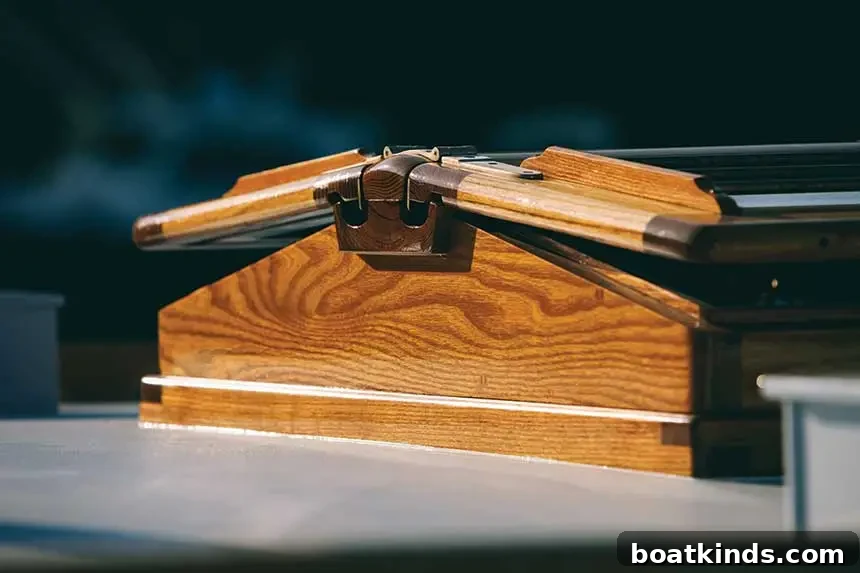
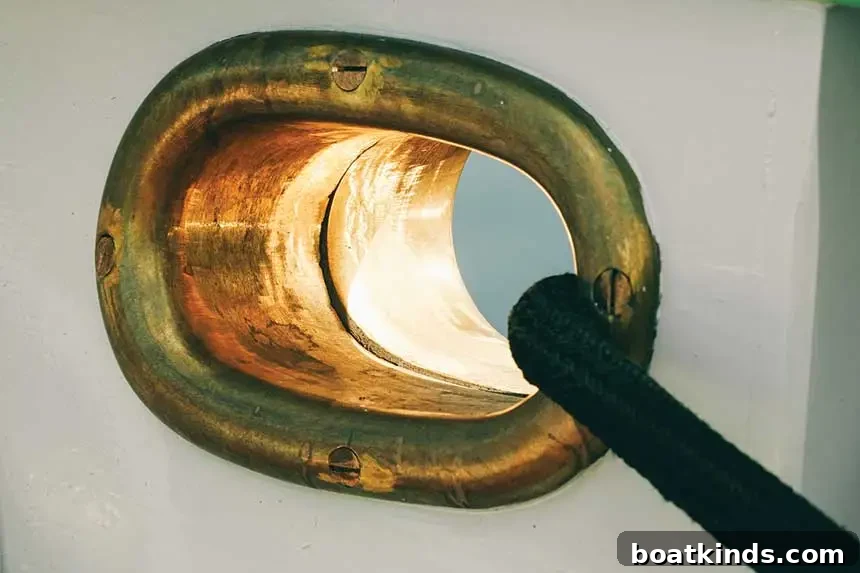
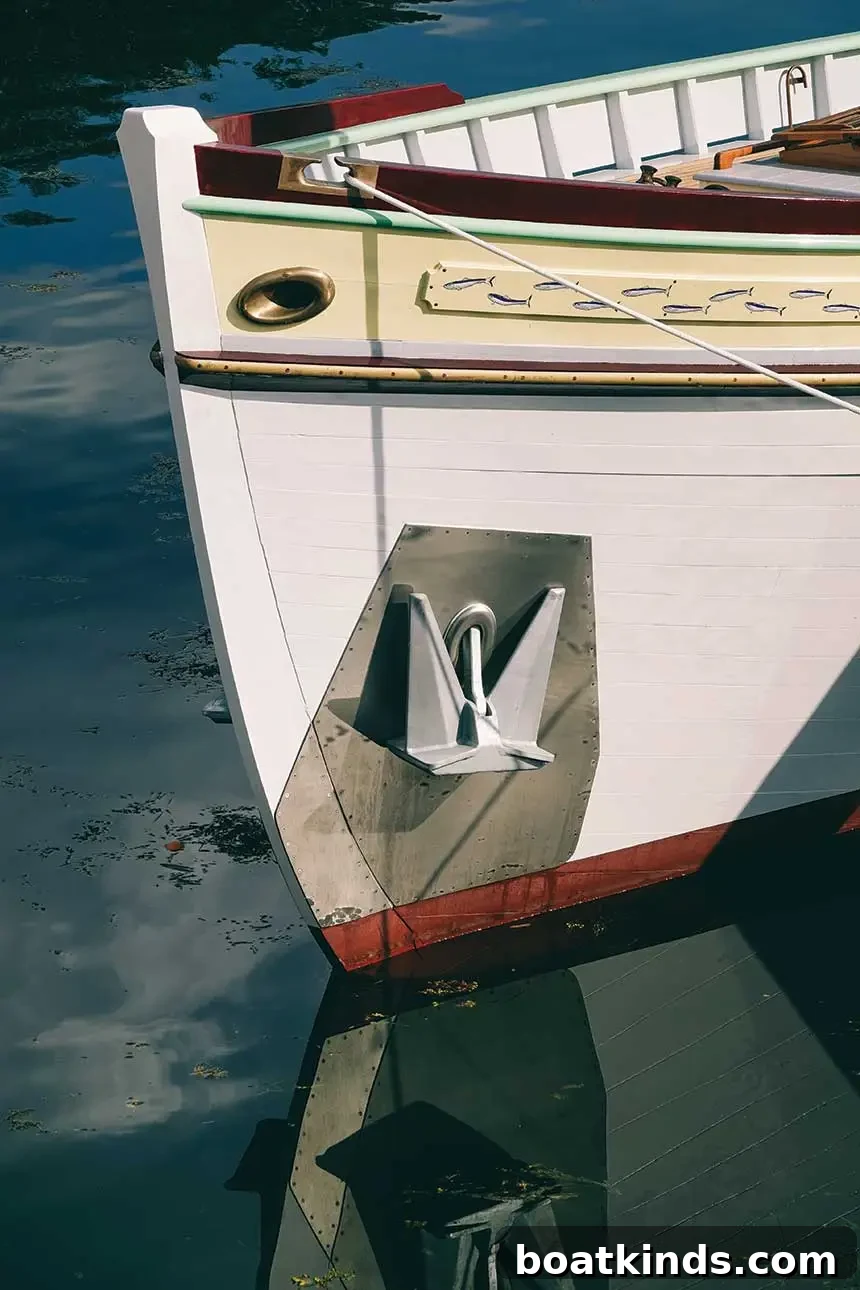
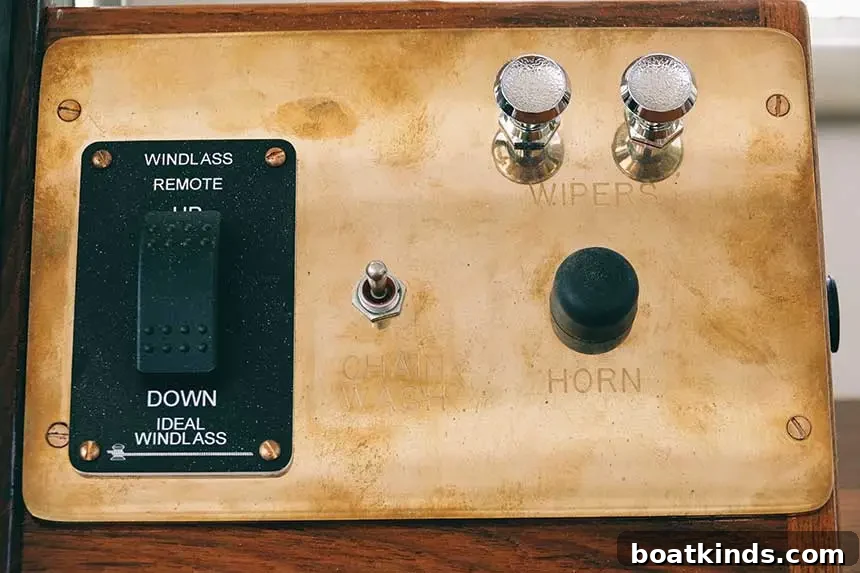
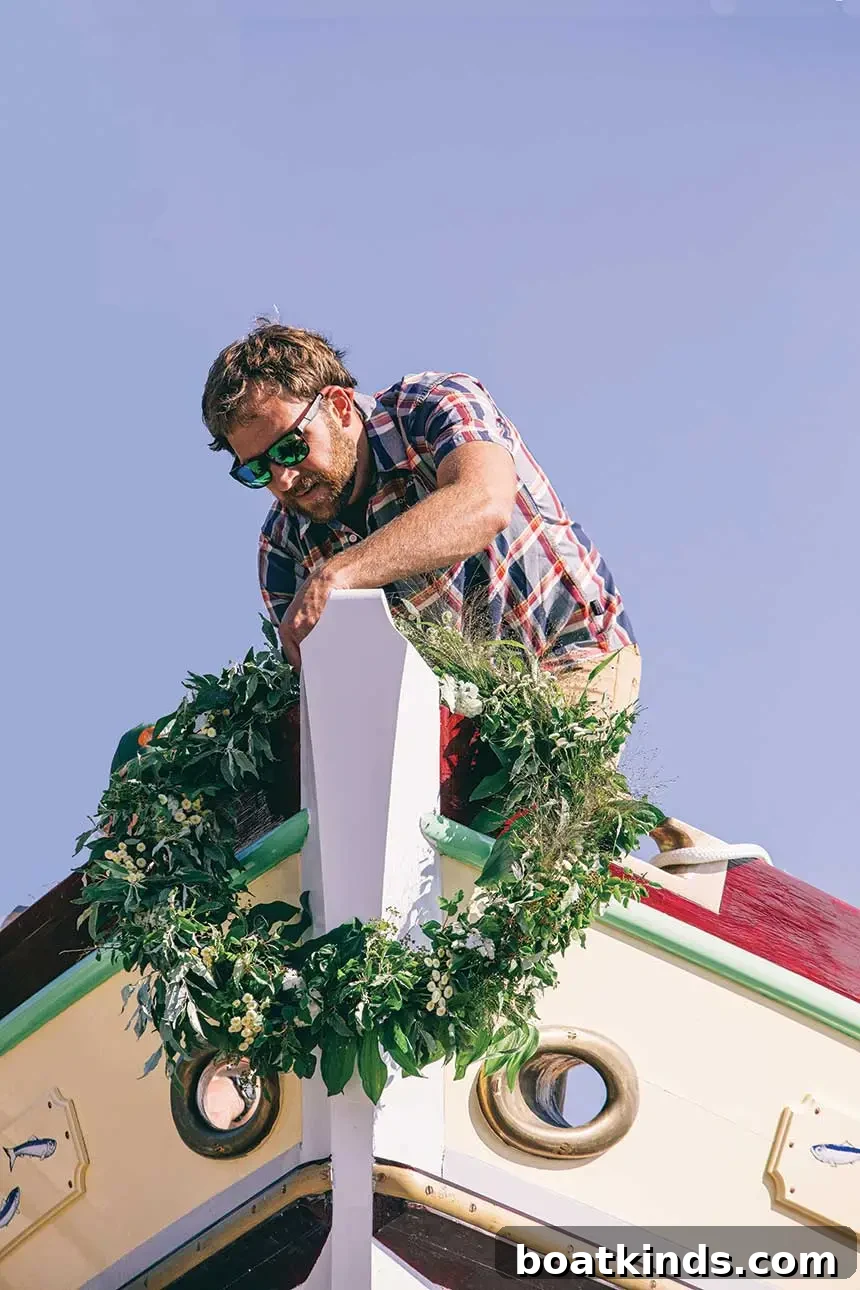
Belowdecks, the engine room—located abaft the pilothouse—offers standing headroom and three-sided access to the Cummins, with benches and a workbench with vise for maintenance. Though the interior has a yacht-like finish in places, the boat retains its industrial strength: two 165-pound anchors, thick stainless bash plates, oversized bronze windlass, long bronze deck cleats, and fabricated hardware that respects the carrier’s working-boat heritage. Rockport Marine employee Colin Burns added a finishing artistic touch by painting trail boards of sardines in motion on the bows.
The William Underwood relaunched on July 13 in an emotional ceremony attended by Underwood family descendants, Rockport Marine staff, and Allen’s friends and relatives. White performed the christening. Allen says he felt a wave of relief when the boat floated as intended—he had worried the added accommodations and equipment might overload McInnis’ design or cause leaks.
LOA: 70’7”
/ Beam:15’6”
/ Draft: 5’ 11”
/ Fuel: 720 gals.
/ Water: 200 gals.
/ Displ.: 50 tons
/ Power: 250-hp 855 Series Cummins diesel
Allen emphasizes that the restoration was a team effort: Rockport Marine’s staff, carpenters and fabricators made the project possible. Some work remains—he plans to add a spar aft of the pilothouse for handling a skiff—but for now the restored carrier is ready for local cruises. Allen hopes to explore eastern Canada and even the Great Lakes someday, noting the boat’s shallow draft and manageable freeboard should make canal passages feasible.
And yes, the William Underwood will once again carry sardines—this time in cans, Allen jokes, admitting a fondness for the small European tins. The vessel’s transformation from factory workhorse to elegant cruiser preserves a distinctive piece of Maine maritime history while returning a beautiful McInnis hull to the water.
This article originally appeared in the October 2019 issue.