
Boater Rescued After Drifting in Gulf Stream: 24-Year-Old Samuel Moss Found Alive
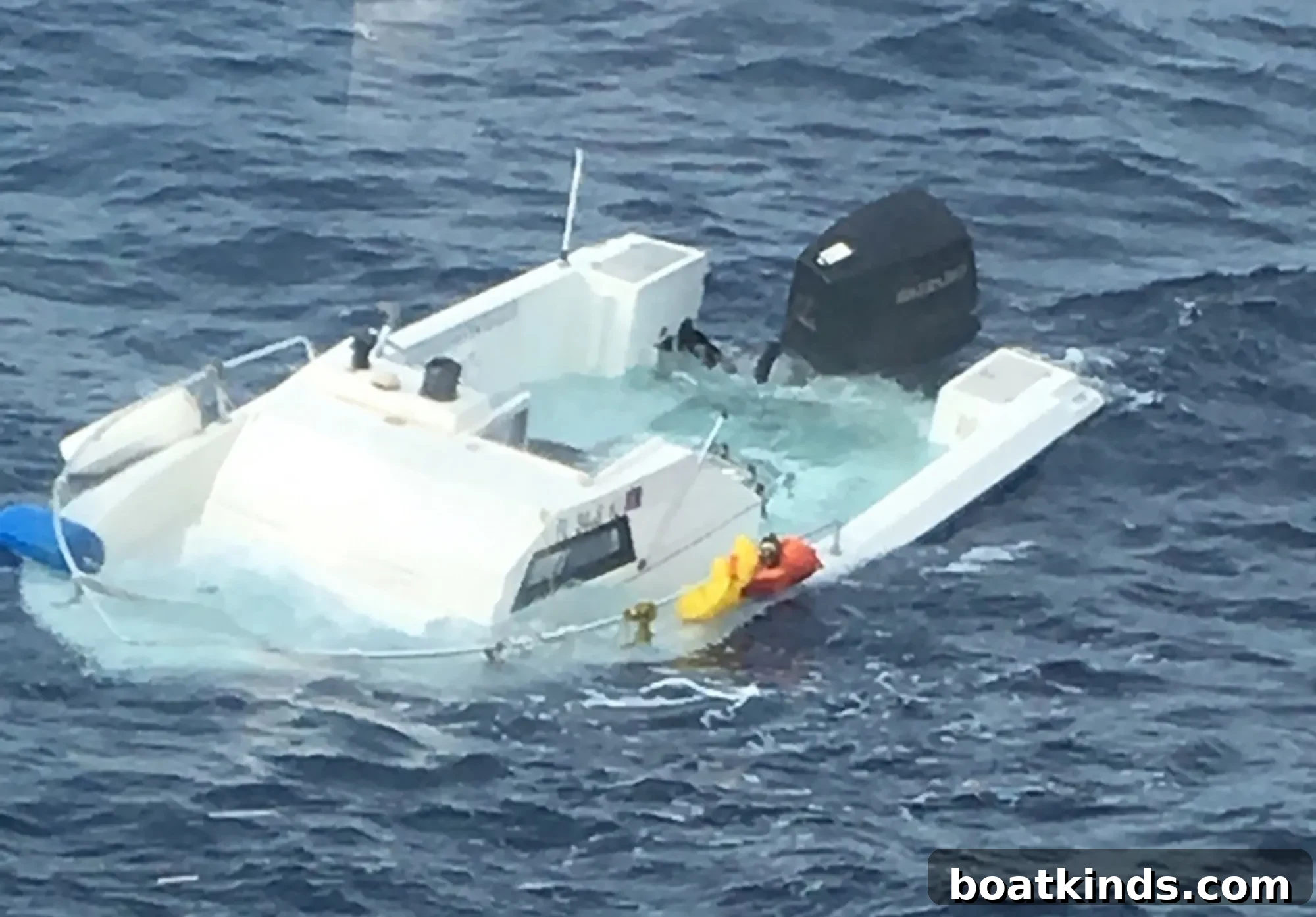
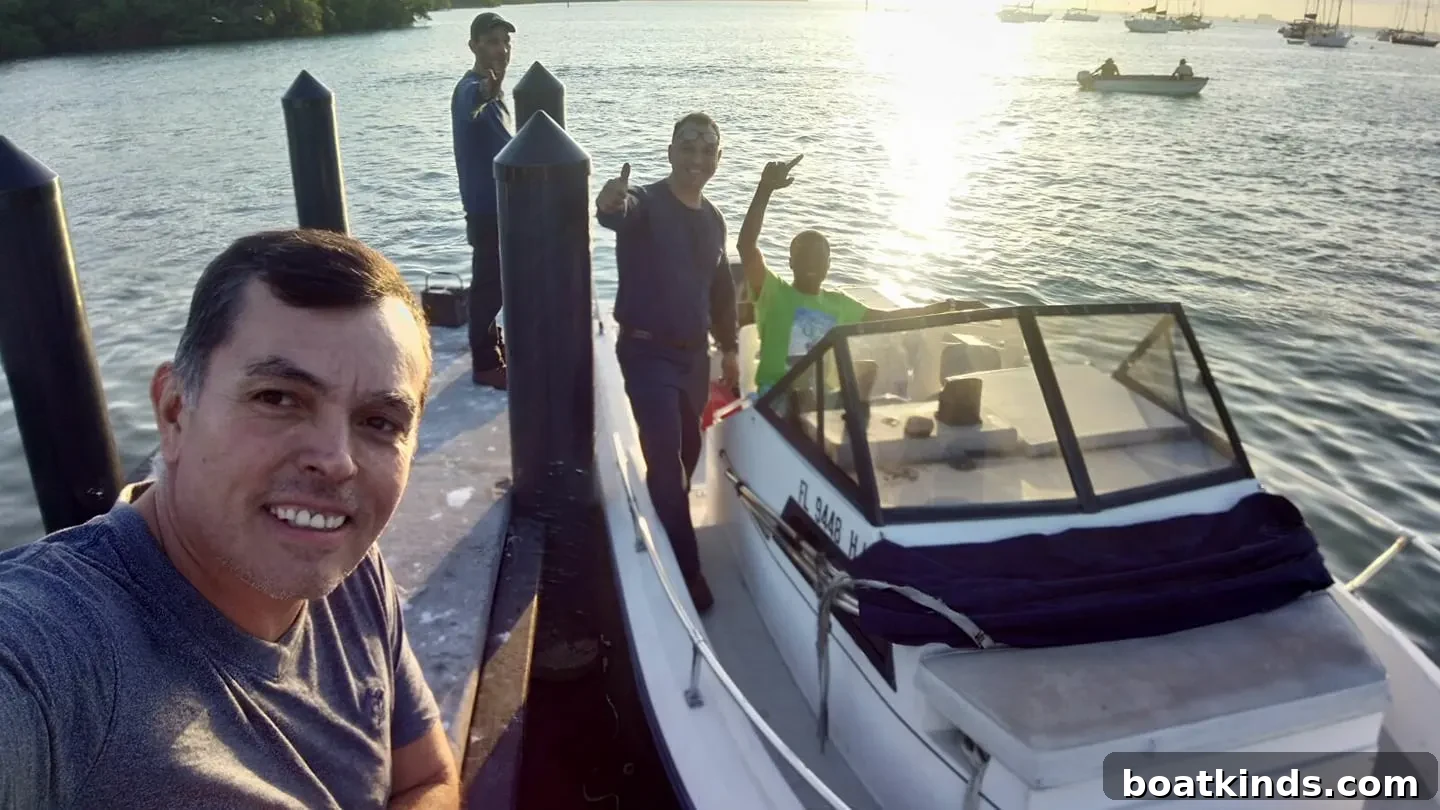
In early January, 24-year-old Samuel Moss Jr. purchased a 21-foot Angler cuddy cabin in South Florida with plans to return to his home island of Bimini via Nassau. The first leg of his journey — crossing the Gulf Stream to Nassau — went as planned. The following leg, a roughly 140-mile run from Nassau toward Bimini, did not.
Moss departed Nassau on January 13 for the approximately four-hour trip to Bimini despite questionable weather. During the passage he posted a short live video to his Facebook page with the caption, “Time to bring it home.” The clip showed choppy seas. Shortly after that broadcast, Moss lost contact with friends and family.
Sixteen days later, a sailboat skipper reported a small fishing boat adrift and taking on water in the Gulf Stream about 10 miles off the coast of West Palm Beach, Florida. The U.S. Coast Guard dispatched the cutter USCGC Cochito to investigate. When Cochito’s crew reached the boat they found Moss aboard, badly dehydrated and suffering from a severely swollen leg.
Moss was brought ashore and transferred to Riviera Beach Fire Rescue paramedics, who transported him to St. Mary’s Medical Center in West Palm Beach. Local reports indicated that, as of February 2, Moss was in fair condition and expected to make a full recovery. According to those reports, he had carried food and water on board but exhausted his supplies quickly, and at one point a wave washed his remaining water overboard.
This was not Moss’s first maritime emergency. In February 2017 he purchased a boat in Miami and later became stranded off Grand Bahama for three days before the Royal Bahamas Defence Force located and rescued him, according to local reporting.
The episode highlights the hazards that small recreational boats can encounter when navigating open ocean waters such as the Gulf Stream. Strong currents, sudden weather shifts, and rough seas can quickly turn a routine passage into a life-threatening situation. Small boats, especially those not specifically designed for offshore passages, are particularly vulnerable when conditions deteriorate.
Mariners and recreational boaters routinely emphasize a few basic safety priorities for coastal and offshore trips: file a float plan with someone onshore, monitor weather forecasts closely, carry reliable communications and emergency signaling devices, ensure life jackets and safety gear are easily accessible, and avoid attempting long offshore crossings in questionable weather. Having redundant water and food supplies, a functioning bilge pump, and a means of desalination or additional freshwater can make a critical difference on longer passages.
The Coast Guard and state agencies continue to remind boaters that preparing for the worst and respecting changing conditions are essential. Responders say carrying VHF radios, emergency position indicating radio beacons (EPIRBs) or personal locator beacons (PLBs), and satellite communication devices increases the chance of a timely rescue when routine communications fail.
As investigators and local authorities review the incident, the focus remains on Moss’s recovery and the sequence of events that led to his extended time adrift. His rescue serves as a reminder of how quickly a coastal voyage can become hazardous and how important careful planning, conservative decision-making, and appropriate safety equipment are for anyone venturing into open water.
For family and friends, the relief at his rescue is understandably profound. For the boating community, the case reinforces familiar lessons about preparedness and prudence when crossing busy and unpredictable waterways such as the Gulf Stream.