Crossing Between the U.S. and British Virgin Islands by Charter: A Practical Guide
Chartering a boat to explore both the U.S. Virgin Islands (USVI) and the British Virgin Islands (BVI) is a rewarding adventure, but it requires understanding two separate customs and immigration systems. Since the terrorist attacks of Sept. 11, 2001, entry procedures on both sides have tightened. Cruising across these close-knit islands now involves more paperwork, fees and attention to rules than many visitors expect.
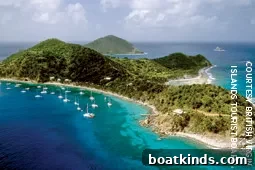
My wife, Julia, and I discovered this first-hand in late October when we chartered a 32-foot Beneteau sloop from Road Town, Tortola. We crossed into the U.S. Virgin Islands to cruise around St. John for a few days, then returned to the BVIs before handing the boat back. The crossings were straightforward, but they added time, expense and planning constraints to our trip.
Is It Worth Crossing?
The islands’ close proximity—St. John in the USVI is visible from famous BVI spots like Jost Van Dyke and Norman Island—makes tempting the idea of quick, informal visits. But trying to skirt customs is risky and not worth it unless you have a longer charter. If your trip is the typical seven days, especially in busy winter season, pick one jurisdiction and stay there. We had 10 days and found ourselves planning the itinerary around customs offices and opening hours.

Enforcement and Consequences
BVI authorities actively monitor recreational traffic in their waters. Boaters who leave the USVI and enter the BVIs without clearing at an official port of entry—Road Harbour (Tortola), Sopers Hole (West End, Tortola), Great Harbour (Jost Van Dyke) or Virgin Gorda in the east—risk fines, arrest and even boat seizure. One high-profile incident involved a USVI powerboat intercepted at Norman Island after entering without clearing, resulting in injuries and convictions for illegal entry.
The U.S. side also enforces entry rules and faces security concerns at smaller, lightly guarded ports like Cruz Bay. For charterers, the stakes are high: breaching the charter contract’s territorial clauses can void insurance immediately, leaving the charterer personally liable for fines or even the full replacement cost of the vessel. Charter companies make these requirements clear: if you plan to visit the USVI, you must clear out of the BVI and clear into the USVI—and do the reverse on return.
Key Differences in Procedures
Both jurisdictions require you to “clear out” of one country and “clear in” to the other, but their processes differ in important ways. Understanding those differences will save time and avoid unexpected costs.
Clearing Out of BVI
In the BVI, only the captain needs to report in person to customs when entering or departing. Bring the boat’s documents (charter contract, registration, BVI cruising and national park certificates) and passports for everyone on board. Smaller offices—such as Sopers Hole and the Jost Van Dyke customs facility—are often faster than the main office in Road Town. Moor close enough for officers to spot your vessel, but do not use docks reserved for commercial or government boats; dinghy ashore to the yacht clearance point.
When we cleared out at Sopers Hole, the process took about 15 minutes: a passenger-and-boat form, a $1.50 exit fee, and a passport inspection. The staff were efficient and helpful, and the paperwork was straightforward.
Entering the USVI
The main ports of entry for cruisers are Cruz Bay (St. John) and Charlotte Amalie (St. Thomas). Cruz Bay is the usual choice for small-boat traffic, but the harbor is small, the CBP dock short, and ferry traffic heavy. It’s generally better to take a National Park mooring in Caneel Bay, dinghy to the ferry terminal dock and walk to the U.S. Customs and Border Protection (CBP) office.
U.S. rules require all crew members to appear in person when clearing in, not just the captain. You’ll need the charter contract, boat registration and passports, along with documentation that you cleared out of the BVI. You can also declare your anticipated date of departure to clear out at the same time, avoiding a second visit. The standard entry fee is $10 per vessel, with an extra $30 fee for weekend processing.
On our trip we encountered some confusing guidance online: CBP requires a “User Fee Decal” for recreational vessels 30 feet or longer, which cost us $27.50. Our charter company had never been asked about it and the Cruz Bay office did not request to see the decal, so in our case the purchase proved unnecessary.
Another area of caution is restricted food items. BVI authorities typically prohibit meat products due to livestock disease concerns. U.S. CBP restricts fresh fruits and vegetables to prevent agricultural pests and diseases. Check current rules before provisioning.
Re-entering the BVIs
On our return we cleared into the BVIs at Great Harbour, Jost Van Dyke. Customs and immigration offices operate on island schedules—officers take lunch and the lines slow whenever a cruise ship or ferry unloads hundreds of passengers. Expect delays if you arrive shortly after such arrivals, and be prepared to wait. We paid the $10 BVI entry fee and had our passports and boat paperwork inspected.
When interacting with BVI officials, remember social context: the islands’ residents rely heavily on tourism but also retain a history and cultural memory that can influence interactions. Being polite, presentable and respectful goes a long way at customs counters and around island communities.
Practical Tips
- Plan crossings only if your charter duration allows the extra time—ideally more than a week.
- Always clear out of the jurisdiction you’re leaving and clear in to the one you’re entering; follow your charter company’s procedures and advice.
- Bring the charter contract, boat registration, any local cruising permits and passports for everyone on board; in the USVI every crew member must appear in person.
- Watch customs office hours and avoid peak times when cruise ships and dive boats are in port.
- Respect rules on foods and agricultural items for each jurisdiction.
Resources
U.S. Customs and Border Protection (CBP) – Cruz Bay CBP Port-of-Entry information (check CBP for current guidance and fees)
BVI Customs / BVI Tourism – Entry requirements (consult official BVI tourism or customs sources for up-to-date rules)
Ultimate BVI – Practical notes on BVI customs procedures (useful background for itineraries)
This article originally appeared in the May 2009 issue.