
Beetle Cat Boat Shop: Preserving a Century of Classic Wooden Sailing
Bill Womack doesn’t look like the stereotypical structural engineer turned boatbuilder. With a white Imperial-style beard, wire-rimmed glasses, a baseball cap and flannel shirt, he resembles the familiar faces you see around New England docks and boatyards. But beneath that unassuming appearance is a lifelong passion for wooden boats and a commitment to keeping a historic American sailboat alive: the Beetle Cat.
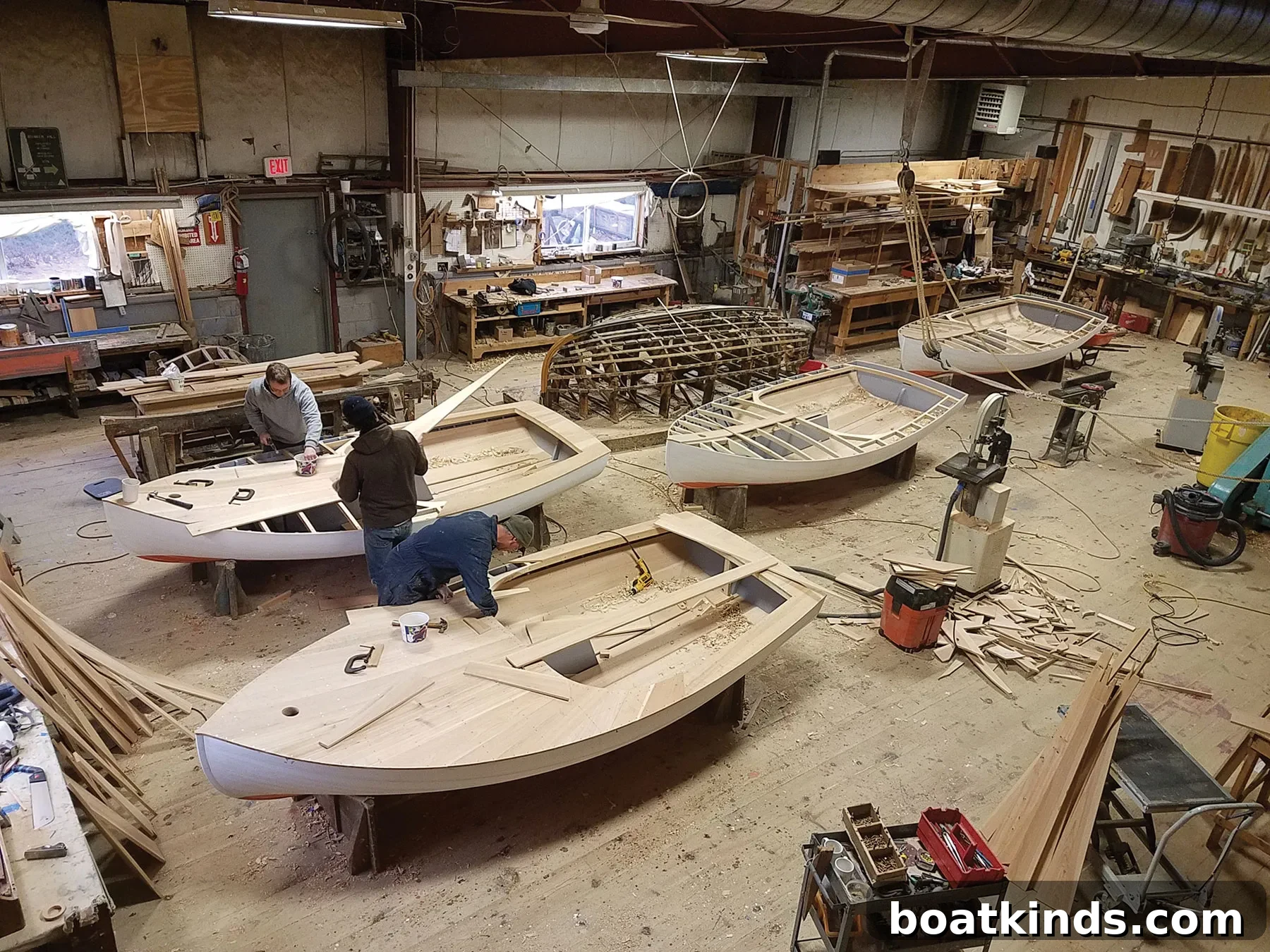
Womack owns and runs the Beetle Cat Boat Shop in Wareham, Massachusetts, the modern steward of a craft first produced in 1921. The Beetle Cat is a 12-foot wooden, gaff-rigged sailing dinghy that earned a devoted following for its graceful lines, durability and forgiving handling. Womack first fell in love with the design as a child while vacationing near Onset, Massachusetts in the 1940s and 1950s. Today he builds, restores and maintains these classic wooden sailboats, working to preserve their history and keep them on the water.
With more than 4,000 hulls built since its inception, the Beetle Cat remains cherished; many families treat these boats as heirlooms. “People keep these boats in their families for many, many years,” Womack says. “There are folks who have had several Beetles in their family for as many as five generations. Plenty of people consider them family heirlooms.” That loyalty helps sustain a strong Beetle Cat community across New England.
The Beetle Cat’s clean, functional design came from boatbuilder John Beetle and his son Carl, whose family traced its whaleboat-building roots back to New Bedford in the late 19th century. Conceived around 1920 and first produced in 1921, the Beetle Cat was intended as a tough, easy-to-sail boat that children and adults could use in Buzzards Bay, its coves, marshes and inshore waters. Its 6-foot beam, shallow draft with the board up, single gaff-rigged sail and open cockpit made it ideal for exploring, racing and family sailing.
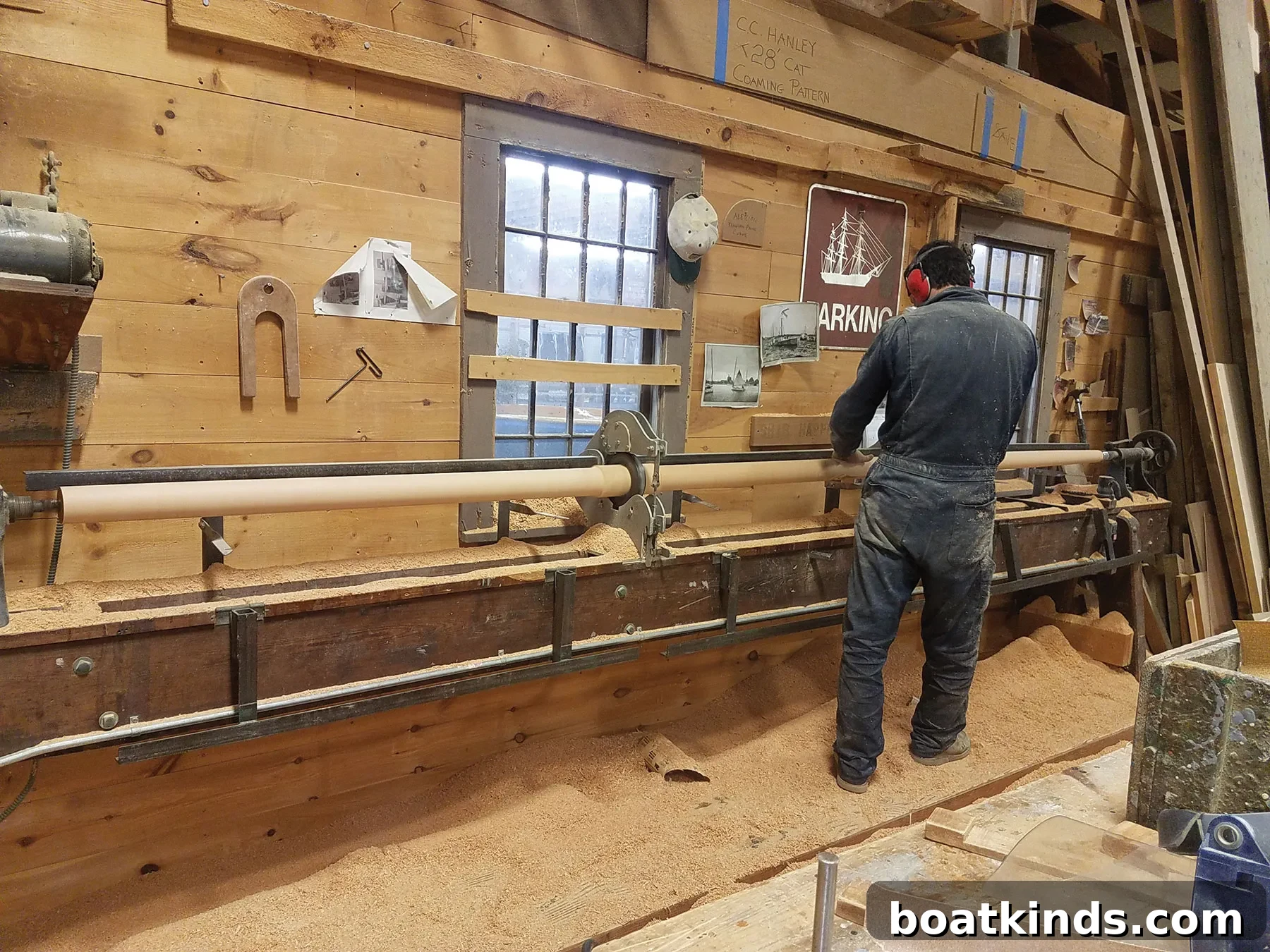
Ownership of the Beetle Cat brand and production changed hands over the decades. Builders and yards in New Bedford and later near Padanaram Harbor continued production. Charlie York led the shop for years and in 1993 purchased the rights, forming Beetle Cat Inc. By the early 2000s the business faced financial strain. Womack, then a consultant, had watched the yard and eventually purchased the operation. He saw the Beetle Cat shop as a way to engage directly with traditional wooden boatbuilding while supporting a living heritage.
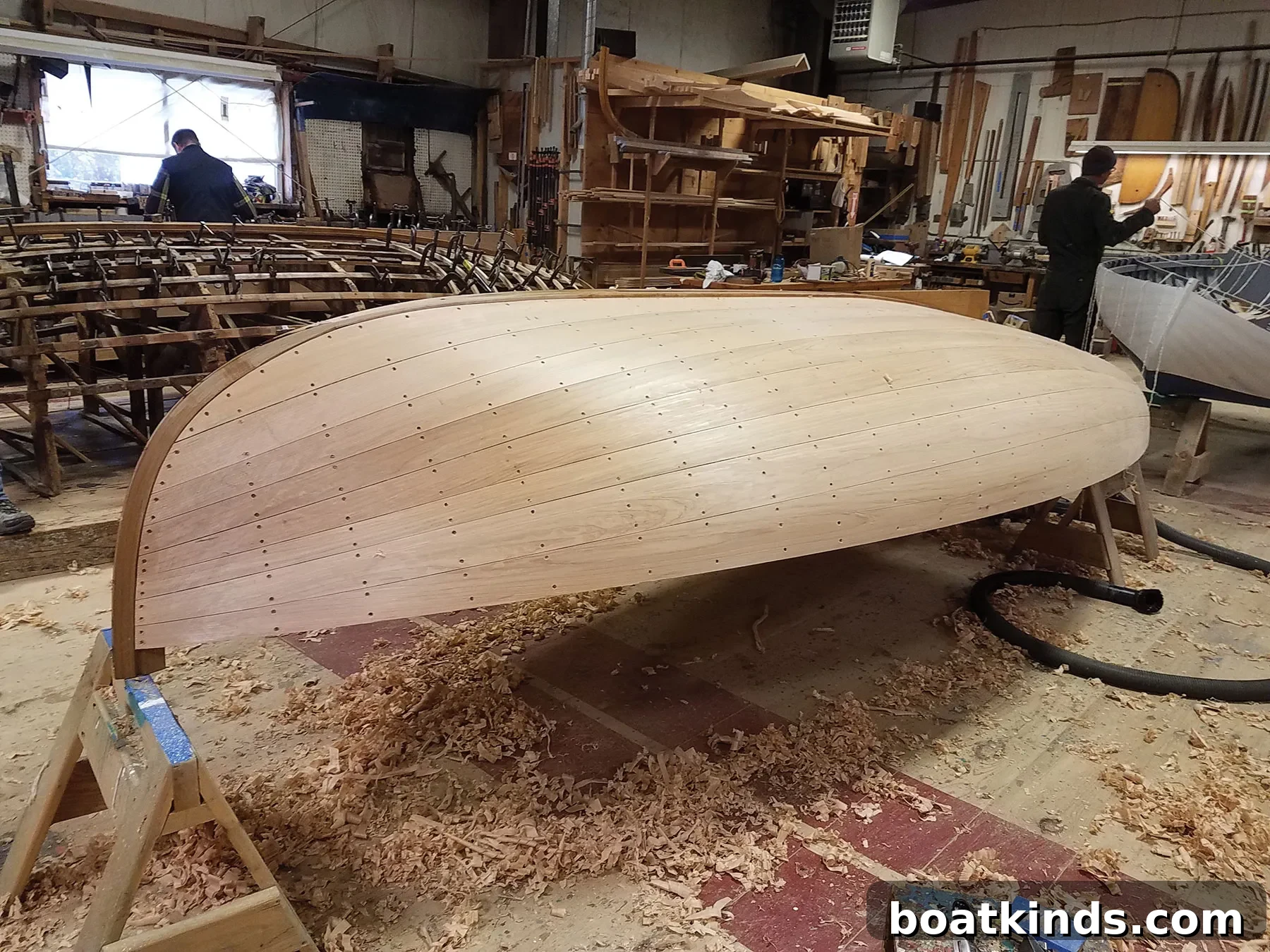
Womack says each Beetle Cat built at his shop today follows nearly the same construction methods used a century ago. The hull and deck are planked with clear, unknotted Atlantic white cedar; steam-bent white oak frames, keel, stem and coamings provide structure; the decks are canvas-covered Atlantic white cedar; and domestically sourced silicon bronze fasteners hold everything together. It’s traditional wooden boatbuilding focused on longevity—what Womack calls “a 40-year boat.”
With a small crew of six, the Beetle Cat Boat Shop produces around nine to 12 new Beetle Cats a year. The base price reflects the craftsmanship involved. But new-build sales are only part of the business model: the shop’s primary revenue comes from servicing, repairing and storing Beetle Cats for owners throughout the region. Womack built a full-service operation to keep these classic wooden sailboats maintained affordably and efficiently.
“We quickly found out that the Beetle community needed a place to take their boats where they could get them maintained timely and efficiently, and that wouldn’t break the bank,” Womack explains. Winter storage, repairs and spring recommissioning are all handled at the shop. What began with a few dozen boats in winter storage has grown to roughly 250 boats at the facility, each cared for and readied for the sailing season.
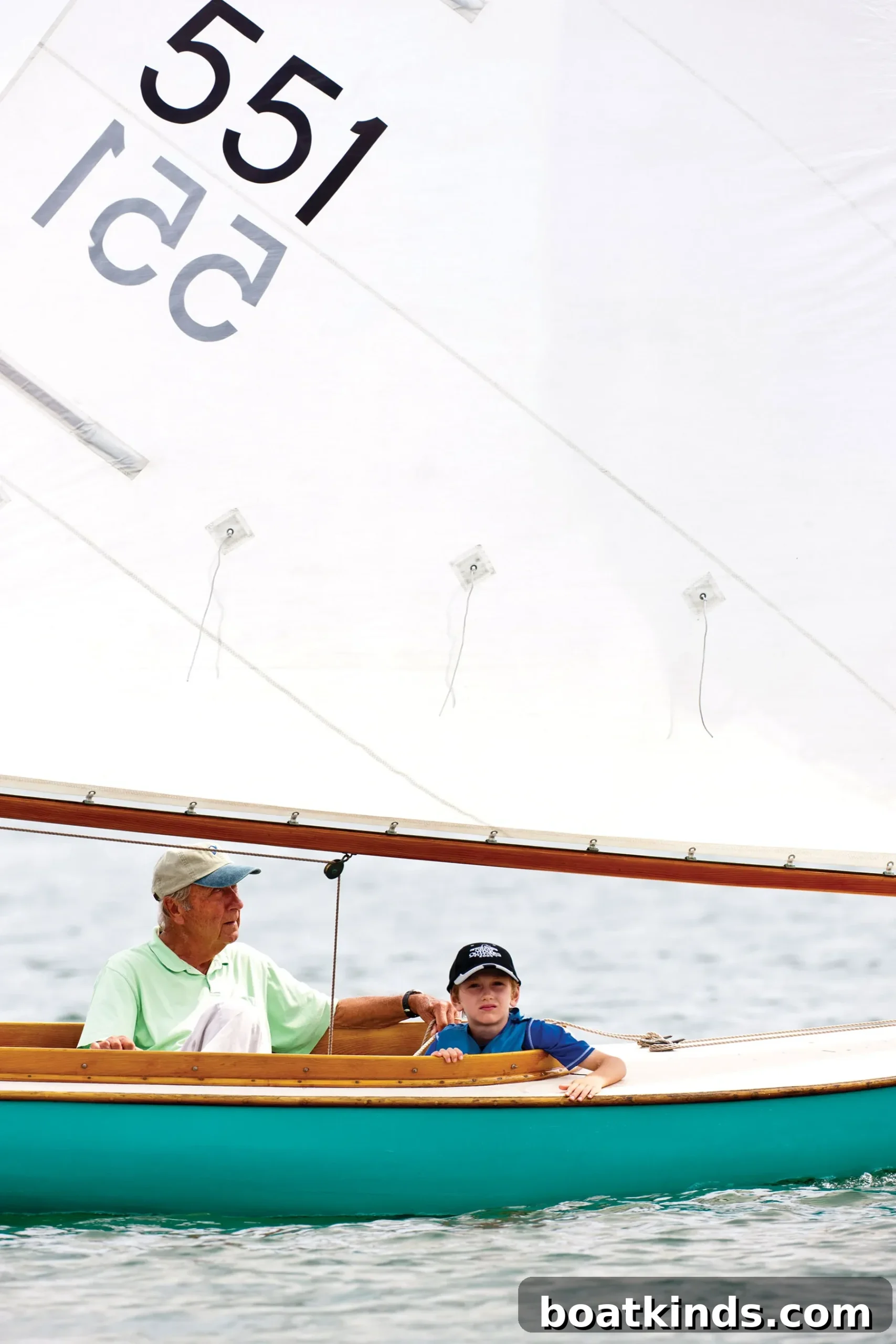
The family connection to Beetle Cats is a powerful part of the boat’s appeal. The Hawes family of Westport, Connecticut, for example, traces five generations of Beetle Cat ownership. Their 2007 Beetle Cat, Pollywog, is one of two family boats still in use and a source of shared memories for children and grandchildren. “Pollywog brought back great memories of a lifetime of how fun it is to sail a big bathtub,” says Jillian Hawes, echoing how Beetle Cats lend themselves to casual exploration, beaching on sandbars and teaching new sailors.
For younger sailors like Jillian’s niece Isabel, the Beetle Cat is a platform for imagination and play—racing one day, imagining pirate adventures the next. Parents also appreciate the simplicity and family-friendly nature of these wooden sailing dinghies. “We pack a picnic, go up the Westport River and have little adventures on the sandbar and in the marshes,” says Isabel’s mother, Heather.

Camaraderie and community are hallmarks of Beetle Cat ownership. Owners gather for regattas and social events, sharing knowledge about maintenance, racing, and family traditions. Tim Fallon of Rhode Island, a competitive Beetle Cat racer, highlights the solidarity among owners and the boat’s role as a multigenerational family boat. His 2008 Beetle Cat, Reminder, follows earlier family boats with names like Holy Moley and Mole Minder.
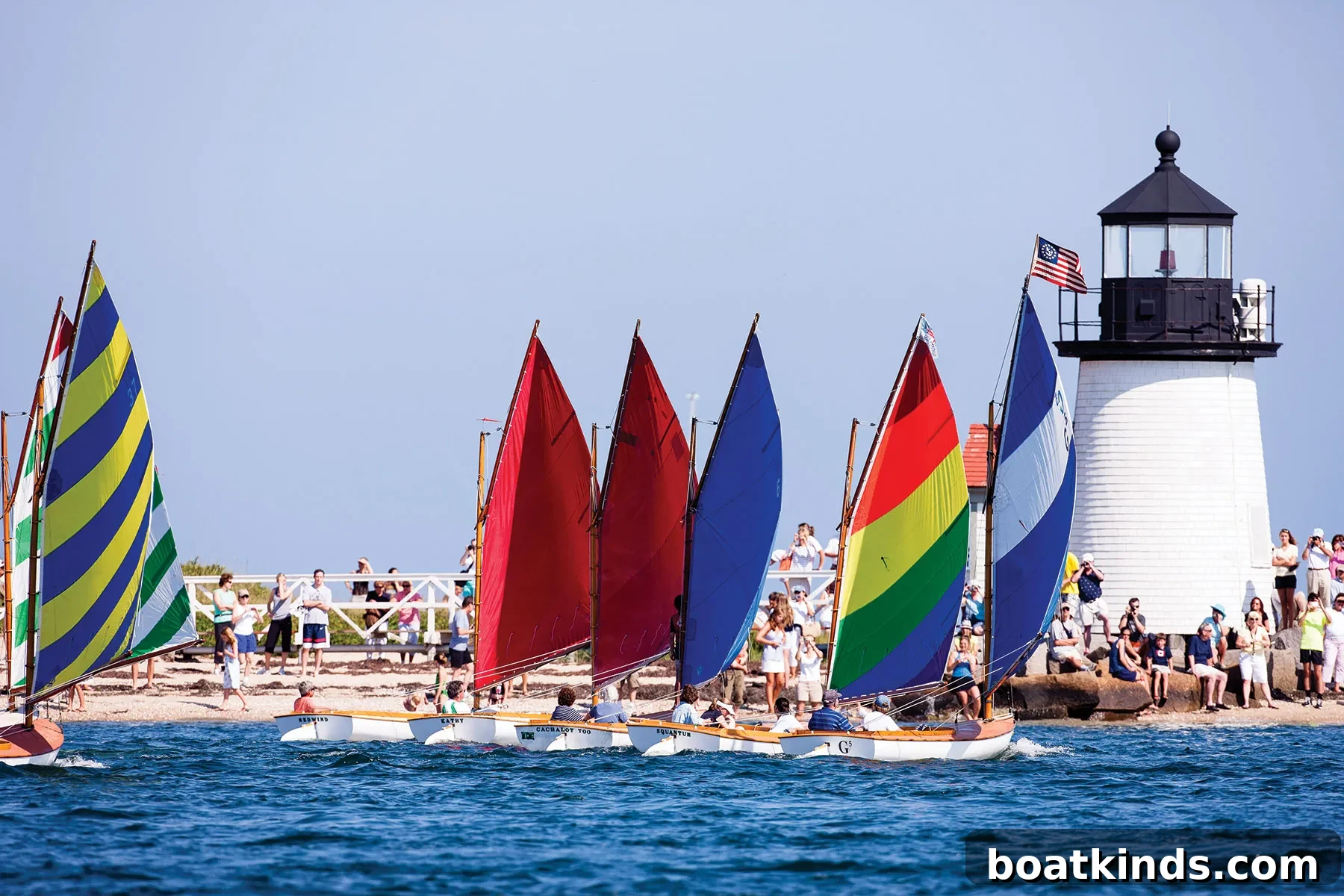
One marquee event is the Hog Island Beetle Cat Series, organized by the New England Beetle Cat Boat Association. Each fall, as many as 37 Beetle Cats with multicolored sails gather off West Falmouth, Massachusetts, to race and reconnect. For many owners, those races are as much about friendship and tradition as they are about competition.
Womack sees his shop’s mission as twofold: to produce new Beetle Cats and to preserve and maintain older boats so they remain seaworthy for future generations. “Each one we have in our care is like a member of the family, much like the boats are to their owners,” he says. In an era when few boats are kept and treasured across generations, his work helps sustain the Beetle Cat heritage and the living community that surrounds this classic wooden sailboat.
This article was originally published in the March 2021 issue.