
Friendship Sloop: The History and Enduring Appeal of Maine’s Working Sailboat
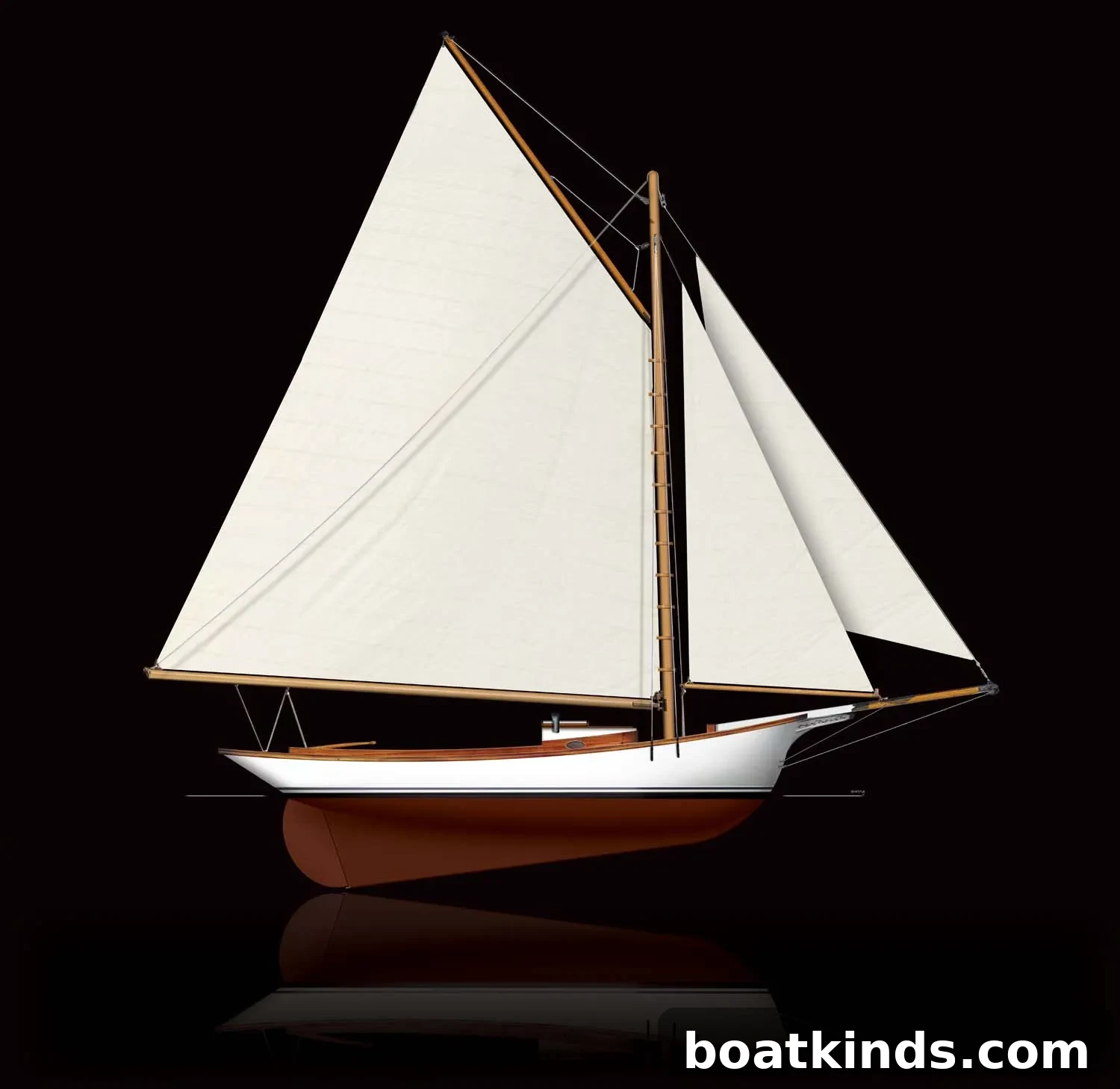
In the late 19th century, boatbuilder Wilbur Morse of Friendship, Maine, became known for producing large numbers of a single, highly practical design: the Friendship sloop. These working sailboats were gaff-rigged, featured a clipper bow and a graceful elliptical stern, and were built for the hard, varied tasks of coastal fishing. Their combination of seaworthiness, simplicity and efficiency made them well suited to the conditions and demands of Maine’s working waterfronts.
The Friendship sloop likely evolved from earlier Gloucester-style fishing boats and was adapted across coastal Maine for many kinds of fishing. Crews used them for hand-lining cod, seining for herring and hauling lobster traps, among other livelihoods. While Morse is often credited with building the most “Friendships,” boatbuilders in places such as Thomaston, Cushing, Morse Island and Muscongus also produced these versatile craft. Builders followed broadly consistent proportions—beam scaled to length, and mast height related to both length and draft—so the same basic design could be adapted to lengths between roughly 21 and 50 feet. Most working Friendship sloops measured between 30 and 40 feet and retained the distinctive elliptical stern that defines the type.
Construction followed a seasonal rhythm tied to the fisheries. Builders felled and milled their own timber, then floated the sawn lumber to a boathouse in dories or other small craft. Each builder guarded minor individual refinements—“some little secret innovation,” as historian Betty Roberts notes—that they believed improved their model. The common practice was to launch in spring, fish through the summer, sell the catch in the fall and, if needed, build another boat for the following season. On the used-boat market of the day, a Friendship sloop might sell for roughly $300 to $500, which was about the same as the typical cost of building one.
As technology advanced in the early 20th century, motorized vessels gradually replaced many traditional sail-powered working boats, and the Friendship sloop’s role as a commercial fishing platform declined. Yet the design’s attractive lines and sound sailing characteristics found a new constituency among recreational sailors and preservationists. Enthusiasts who admired the Friendship sloop’s combination of form and function came together to celebrate and preserve the type.
In 1961 the Friendship Sloop Society was founded to promote the history, preservation and sailing of these classic craft. The society’s first annual regatta, held in Friendship, Maine, drew 14 entries and marked the beginning of a continuing tradition. Since then, regattas and gatherings have expanded beyond Maine to include events in Connecticut and Massachusetts, providing opportunities for owners and admirers to sail, compare boats and share knowledge about construction, maintenance and seamanship.
Today the Friendship sloop is appreciated both as a working-boat icon and as a living tradition. Some restored and well-maintained examples continue to sail competitively at regattas, while others serve as museum pieces or as hands-on reminders of New England’s maritime past. The boat’s proportions, rig and distinctive stern remain unmistakable, and its story illustrates how a practical commercial design can become an enduring symbol of regional craftsmanship and coastal culture.
For those interested in learning more about the type, its builders and ongoing events, the Friendship Sloop Society—commonly known by its acronym, FSS—maintains resources and organizes annual gatherings under that name (fss.org).
This article originally appeared in the August 2017 issue.