
“One, two, three, four…” A chorus of voices rises across the water as the good ship Epic fights the ebb in the narrow cut between the Old Alcohol Plant and Indian Island. Eight young sailors pull in unison, cedar oars bending under their combined effort as they push toward the far shore and relief from the current. Years of classroom instruction and hands-on training converge on this five-day voyage: fewer than two dozen nautical miles, but a journey that builds self-reliance and sharpens both seamanship and leadership.
These students, aged 13 to 20, take part in the Community Boat Project (CBP) in Port Hadlock, Washington—a nonprofit offering free accredited shop classes and a voyaging program run as the Puget Sound Voyaging Society (PSVS). While the program borrows elements from Outward Bound-style adventures, its emphasis on local community ties and no-cost participation sets it apart.
“It’s not about going fast or far; it’s about the experience,” explains Nahja Chimenti, 35, a professional sailmaker and rigger who captains this voyage. “I’ve found that pushing people to cover great distances leaves less time to enjoy and learn from the places you visit. That’s why we average just three to five miles a day and give everyone time on shore.”
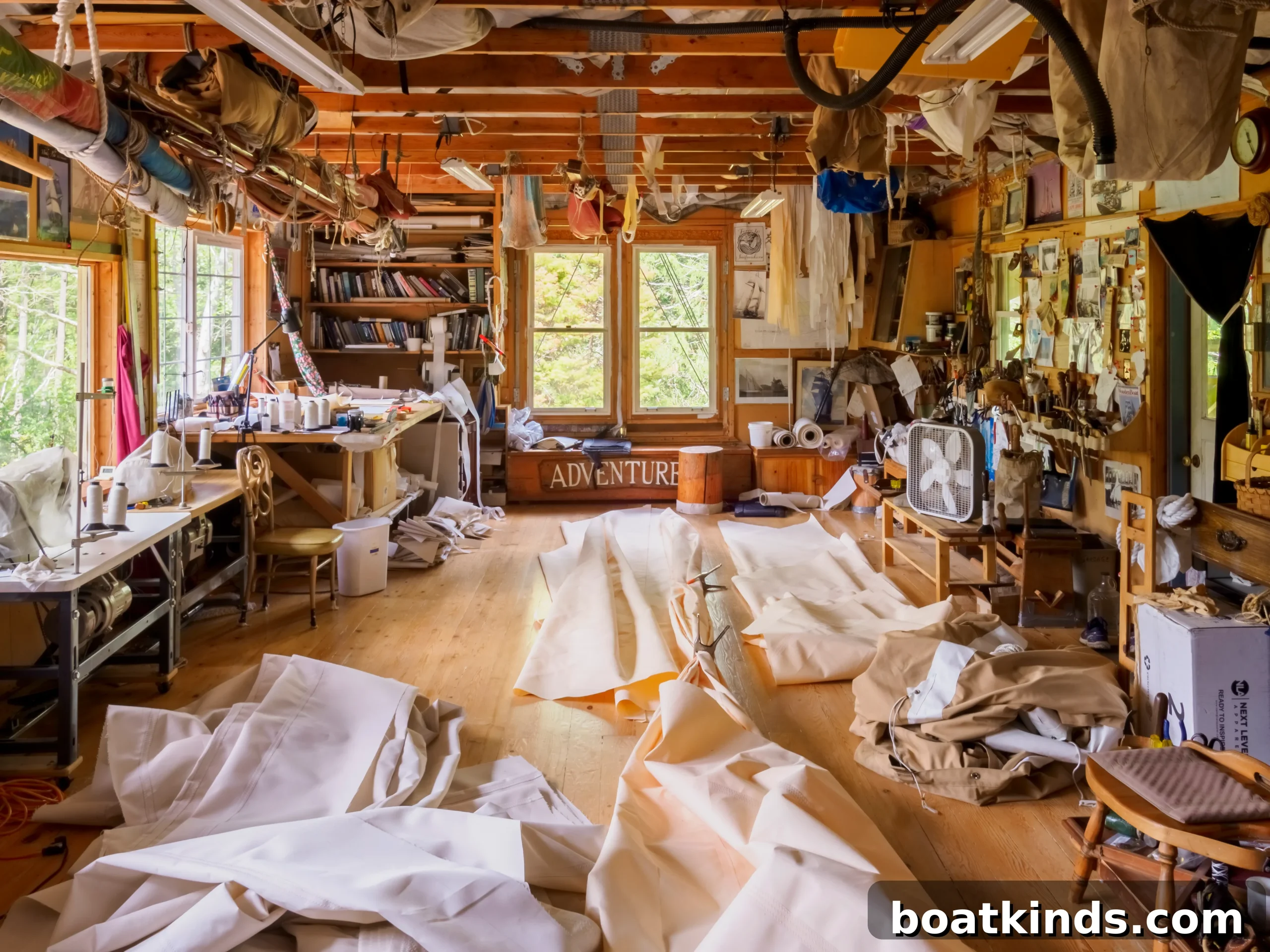
Chimenti’s maritime roots run deep. She spent early childhood aboard the 156-foot tall ship Tole Mour, skippered by her father, Capt. Wayne Chimenti. Today she is a lead instructor and program director with PSVS, continuing the legacy of the Puget Sound Explorers—the program’s first incarnation.
Supported by second-in-command Dylan Smith, 28, also a professional rigger, Nahja adopts a coaching approach on these trips. Students take responsibility for route planning, provisioning, outfitting and running the boat. They rotate through positions—bosun, navigator, steward, camp master, naturalist, log keeper, and health and safety officer—learning the full scope of voyaging operations. Each student also serves as lieutenant for a shift, managing the crew, assigning tasks and steering during docks and landings.
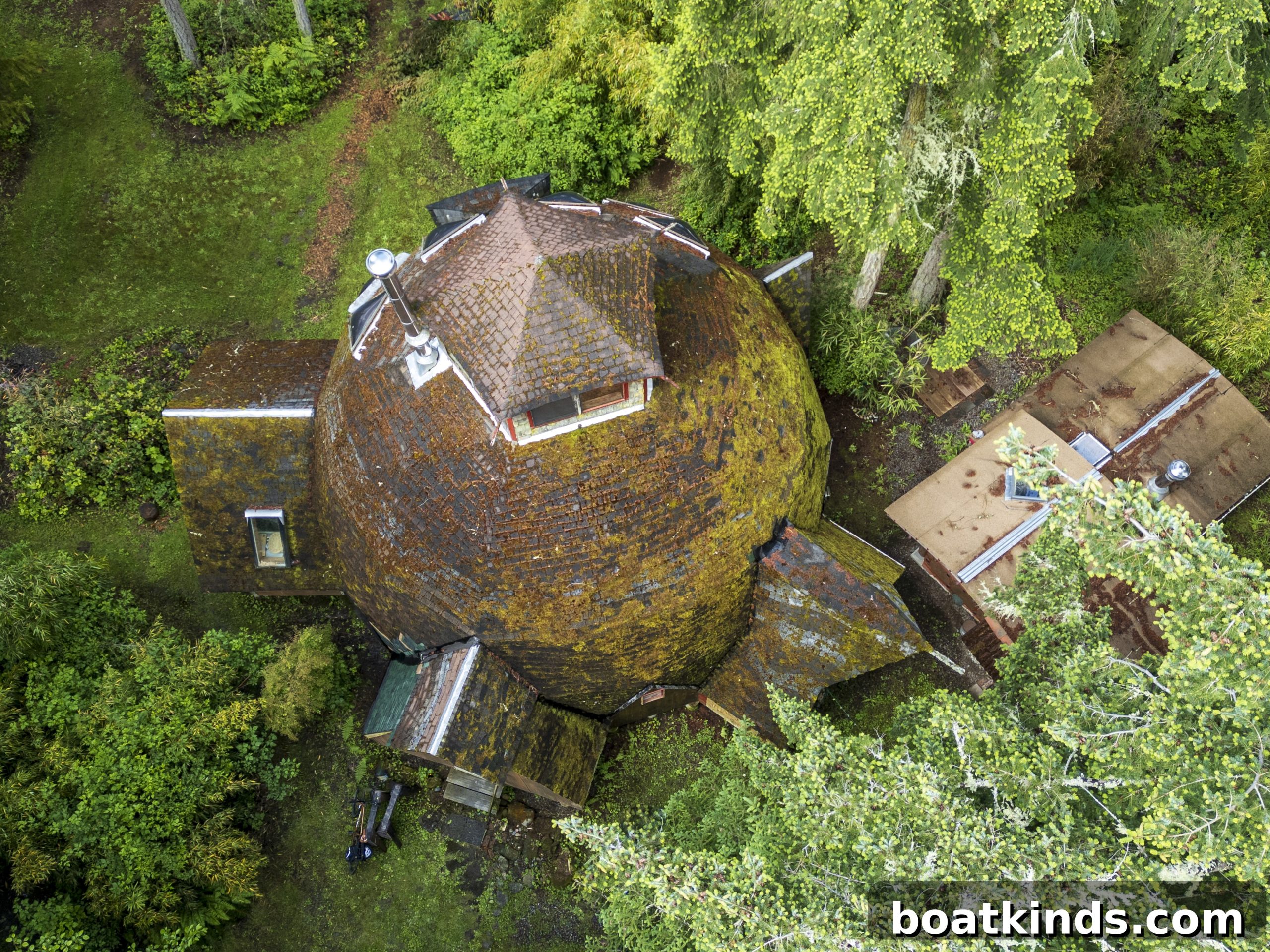
“Learn one, do one, teach one,” Nahja says with a laugh. Her aim is to get out of the way so participants can build confidence. Electronics are strongly discouraged except for essential weather and tide updates; instead students practice dead reckoning and chart plotting by hand, honing traditional navigation skills that reinforce situational awareness.
The daily routine extends beyond seamanship. Each evening the crew holds a closing circle where everyone shares thoughts and reflects on the day. “Voyaging pushes people out of their comfort zones,” Smith says. “Making mistakes and learning from older students is a vital part of growth.” These conversations provide a quiet space for listening and reflection, away from the constant stimuli of modern life.
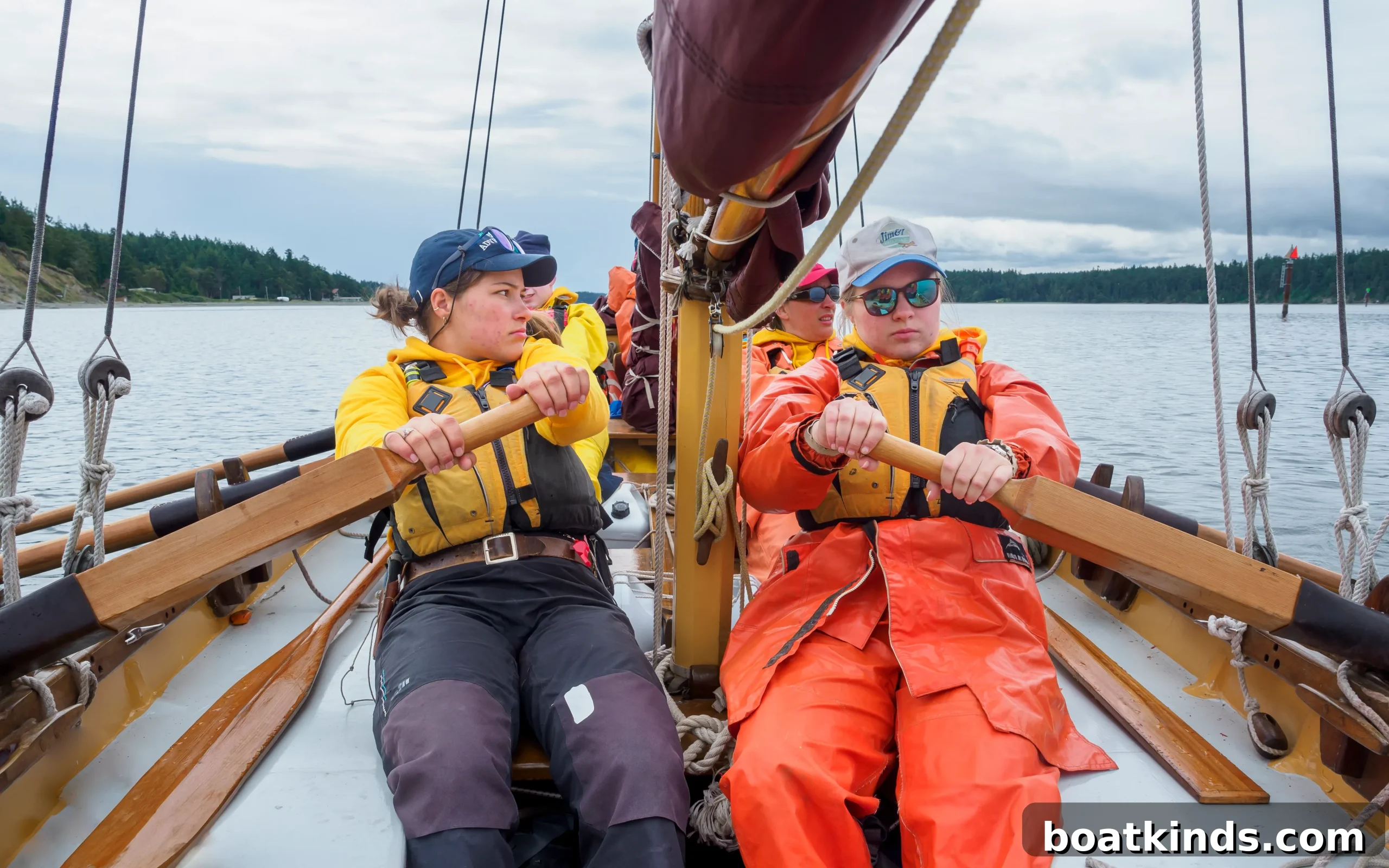
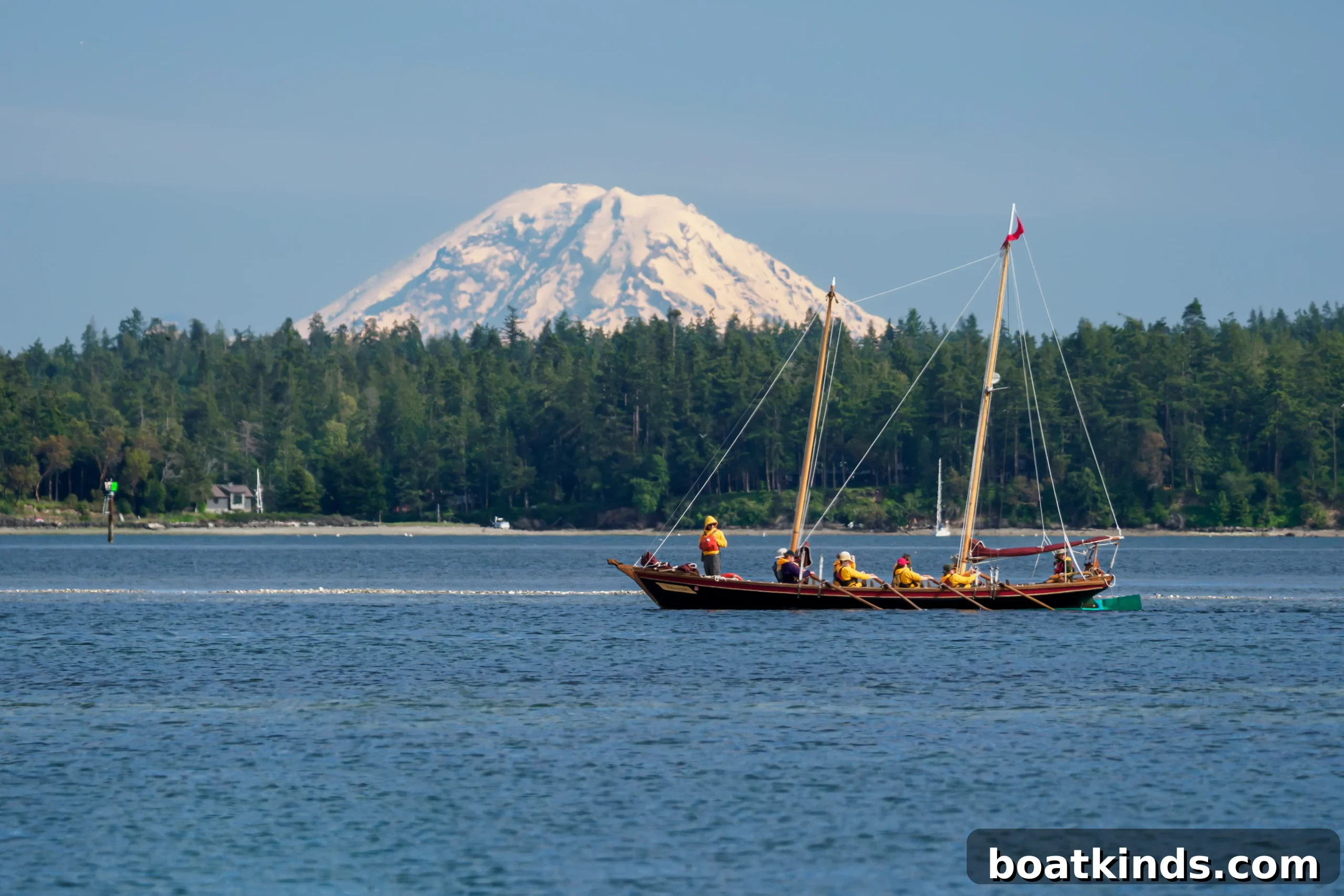
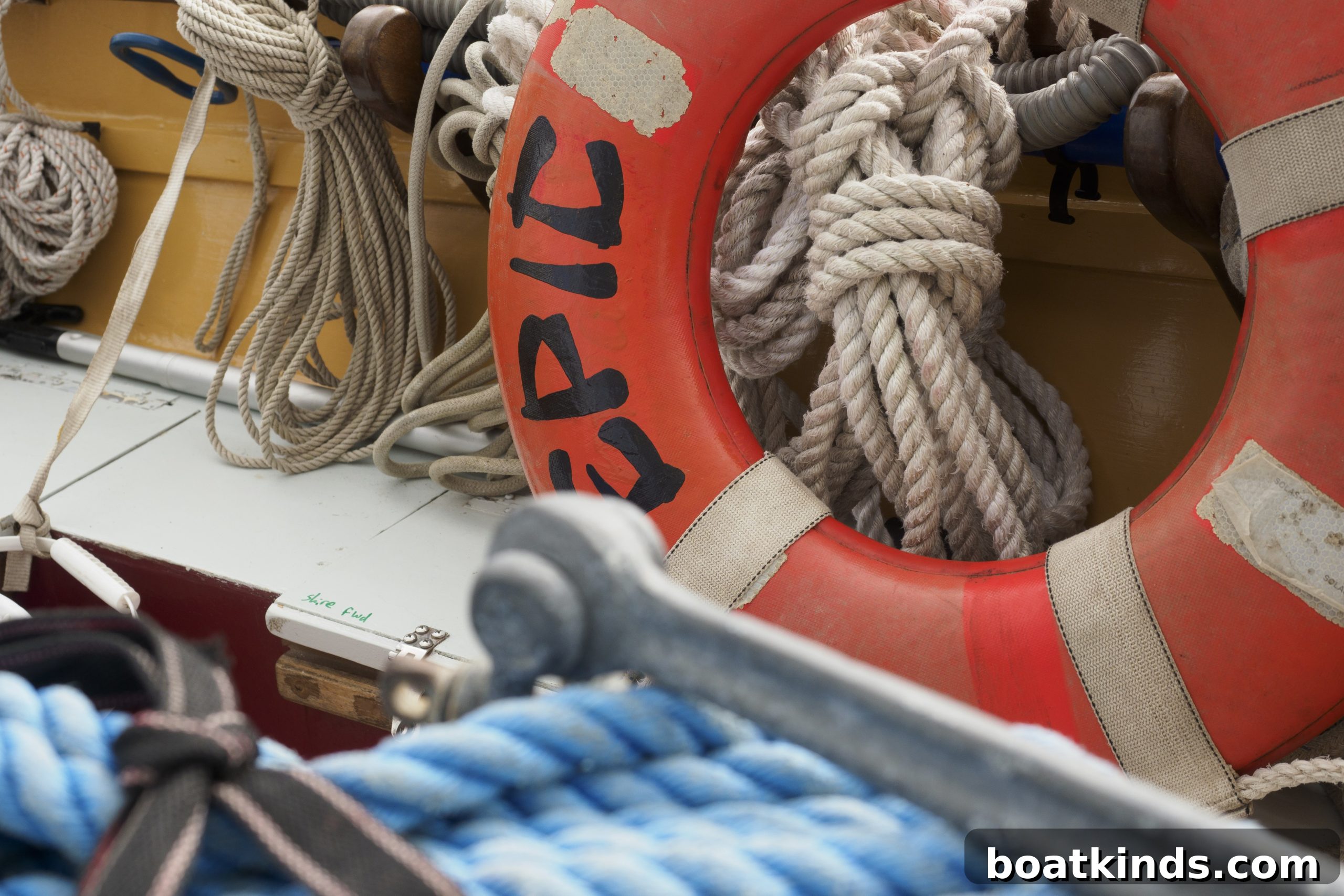
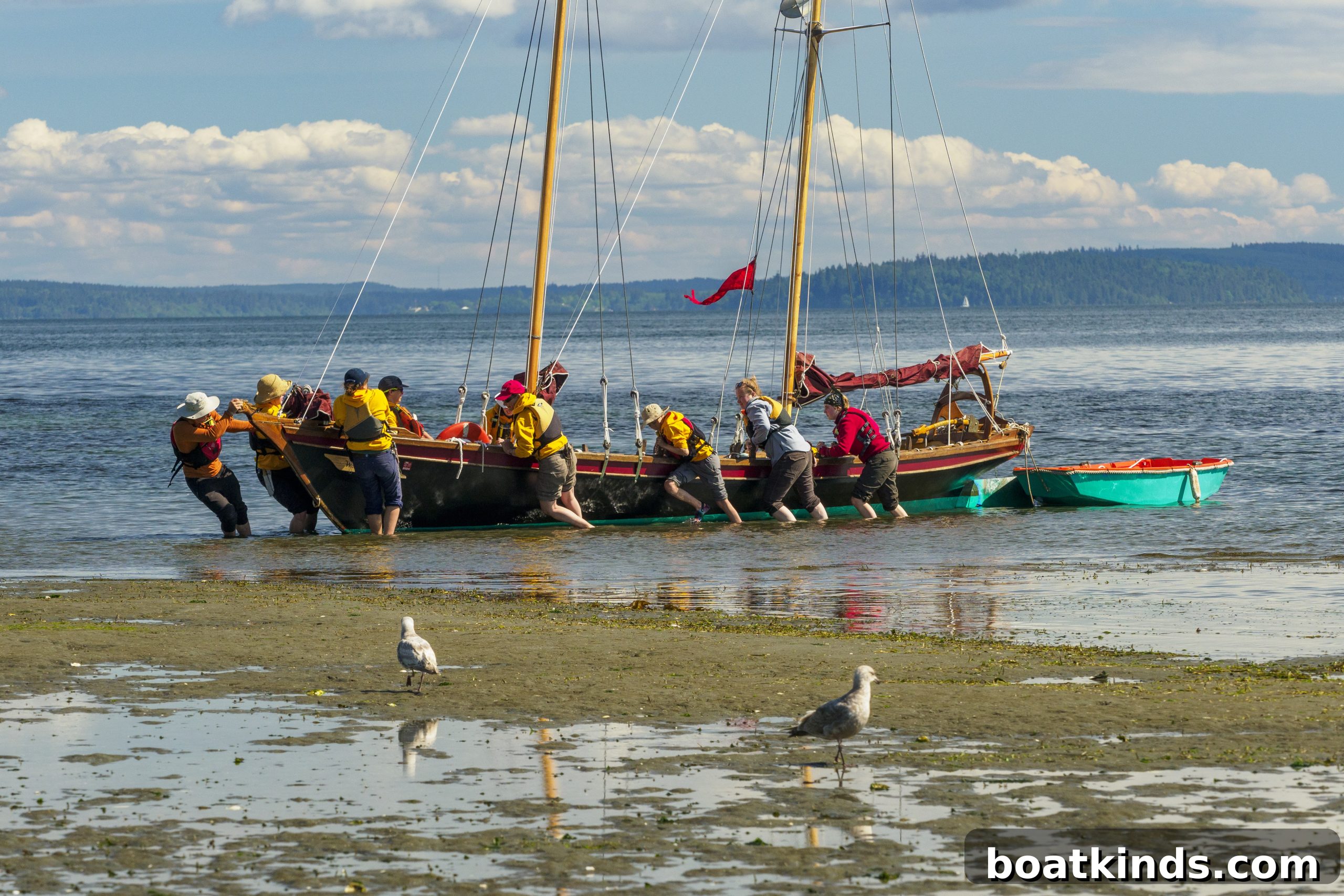
Epic is a modern take on the longboats used by European explorers centuries ago, designed for a crew of eight to ten. The 31-foot, 9-inch vessel carries a stays’l schooner rig with up to 400 square feet of tanbark canvas. Its flat-bottomed plywood-epoxy hull is sheathed in fiberglass, and a centerboard improves windward performance while allowing for shallow-water operation and beaching—ideal for the varied conditions of Puget Sound.
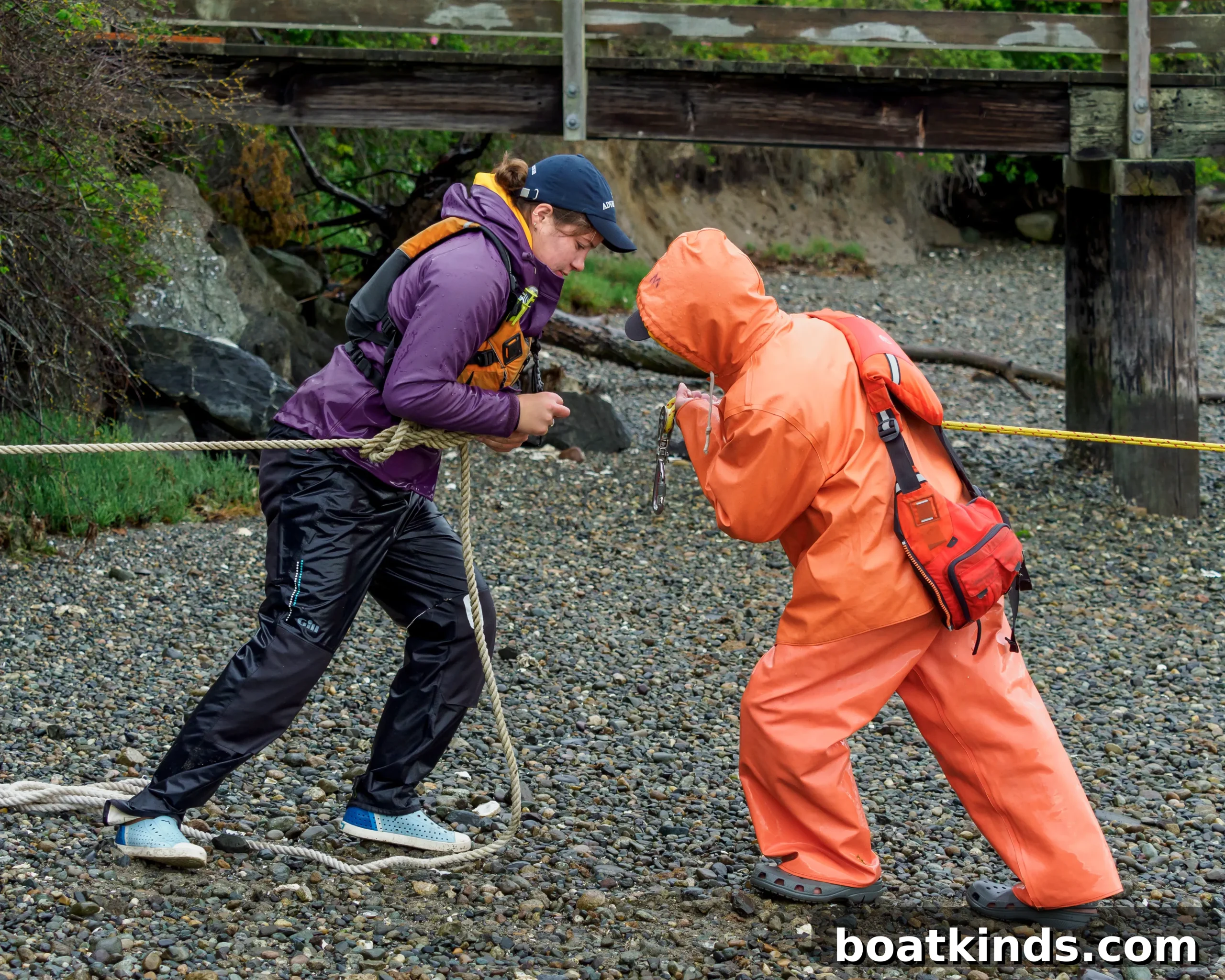
“Starboard hold water, port give way,” commands Emilia Ramsey, 19, as lieutenant, steering Epic on the short downwind run from Fort Flagler to Mystery Bay. For this leg the crew sets a small spinnaker on the foremast—their “secret weapon.” A teal-and-orange pram named Icey trails behind, acting as a floating pantry with insulated storage under the thwarts.
Ramsey describes a path rooted in practice-oriented schooling; she attended Ocean (Opportunity, Community, Experience, Academics, Navigation), a K–12 alternative learning program. After graduation she spent a gap year restoring Dorju, a 1905 clinker-planked surf rescue boat donated to her by the Northwest Maritime Center. That hands-on experience led her to PSVS and a network of maritime opportunities.
“I came up through the Girl’s Boat Project and Bravo Team, then interned at Force 10 Sailmakers,” Ramsey recalls. Fellow voyager Gabriel Hefley, 20, followed a similar route. “These programs lay a foundation for life,” he says. “Connections made here led to a job with the Port of Port Townsend.”
Late in the voyage an atmospheric river threatens the coast, forcing a change of itinerary. Despite drizzle, twin sisters Eugenia and Viola Frank, both 20, hardly mind the wet weather. Back in town for college break, they sailed as program alumni. Their involvement began in school through state-regulated alternative learning experiences and continued as they grew into teaching assistants and mentors.
“We made friends who had older siblings in CBP, so our mom enrolled us,” Eugenia explains. Viola adds, “It gave me a head start and inspired my college studies in the environment and outdoor learning.”
The voyaging program evolved with guidance from educator Marci van Cleve and local leaders Wayne Chimenti and Al Nejmah, and became part of Community Boat Project in 2008. The model is simple: students build seaworthy boats under adult supervision and learn trades through hands-on shop classes developed with partners like the Northwest School of Wooden Boatbuilding. Local craftsmen and volunteers donate time and skills, while foundations and businesses provide financial and material support.
CBP is thriving in Port Hadlock but must adapt to changing interests and the lingering effects of the pandemic to remain relevant. The organization hopes to expand to a new site, which requires recruiting eight to ten committed students for each multi-year voyaging cohort. Incoming Executive Director Brent Bellamy plans to strengthen partnerships with donors, schools, parents and alumni to bring new youth into the program—and to compete with the pull of screens and digital distractions.
“Holding a tool and building something—whether a boat or a shed—creates focus,” Bellamy says. “Our goal is to empower students to work together, develop interpersonal skills, and build self-reliance.”
Longboat voyaging remains central to that mission. As instructors and students attest, trimming sails and pulling oars prepare participants for life’s varied passages: calm downwind stretches, and harder legs when currents must be fought with power, coordination and determination.
Wayno’s World
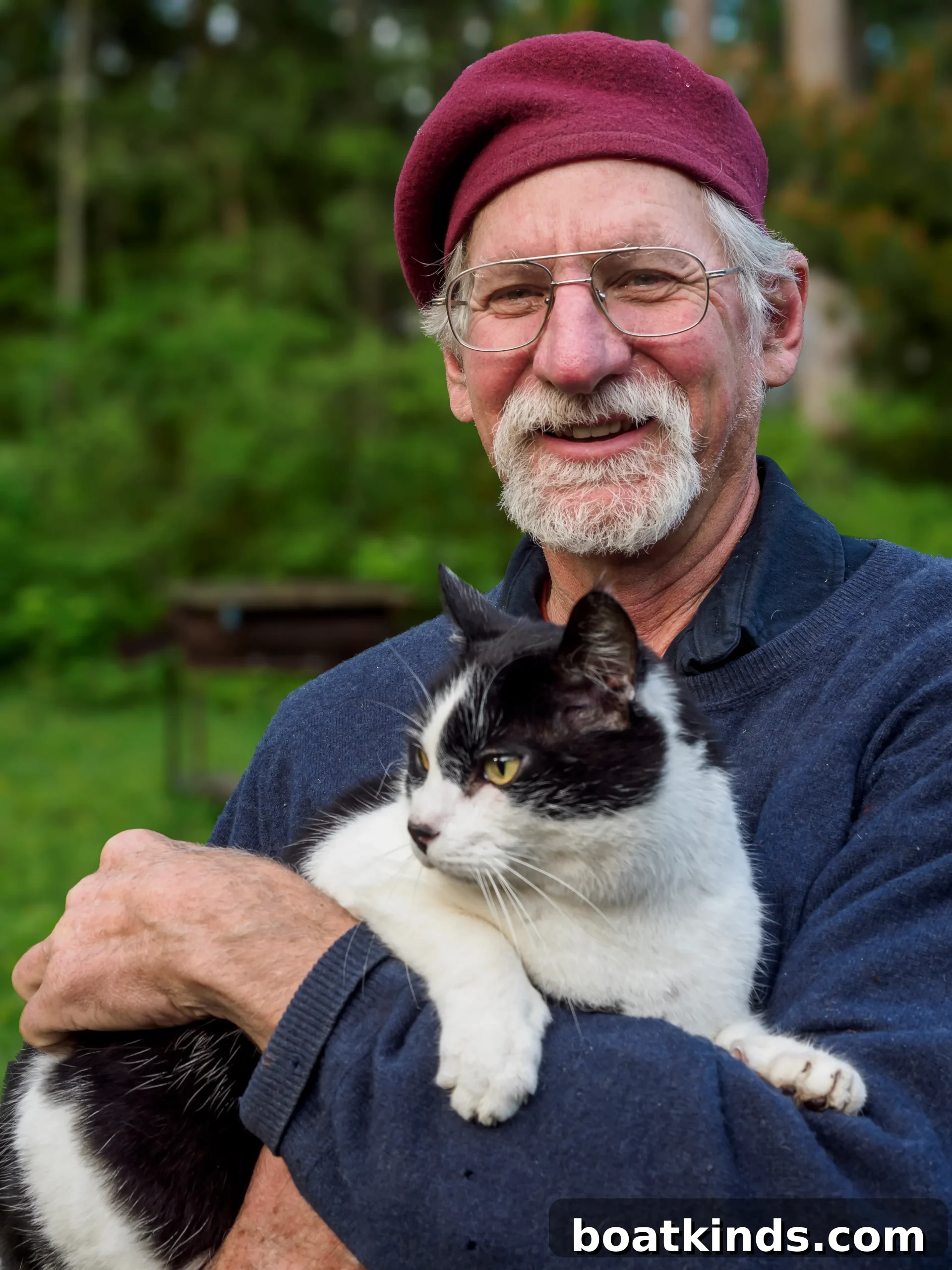
Wayne “Wayno” Chimenti swapped a potential career in marine science for life at sea—becoming a schooner captain, rigger and sailmaker. He skippered tall ships, met his wife Nicole in Moorea, and eventually settled in Port Townsend, drawn by its maritime community. In 1993 he helped start a longboat voyaging program and later played a key role in creating the Community Boat Project, which blends boatbuilding, shop classes and voyaging to mentor young people.
“Port Townsend has incredible volunteer talent—designers and builders who donate their time,” Wayno says. Today the program operates with steady foundation support, offers paid apprenticeships, and provides all programming at no cost. The emphasis isn’t merely producing tradespeople, he explains; it’s about fostering grit, self-reliance and the confidence to tackle real-world challenges.
This article was originally published in the September 2024 issue.