
Florida Manatee Crisis: A Story of Loss and a Hopeful Rescue
Florida has experienced an unusually deadly year for manatees. According to Dr. Billy Gunnels, a Professor of Animal Behavior at Florida Gulf Coast University, more than 1,000 manatees died in Florida in 2021, marking a grim milestone for the state’s marine wildlife. Amid this large-scale loss, individual rescue and rehabilitation efforts offer a reminder that recovery is possible when communities and professionals act quickly.
Rescue, Surgery and Release: One Manatee’s Recovery
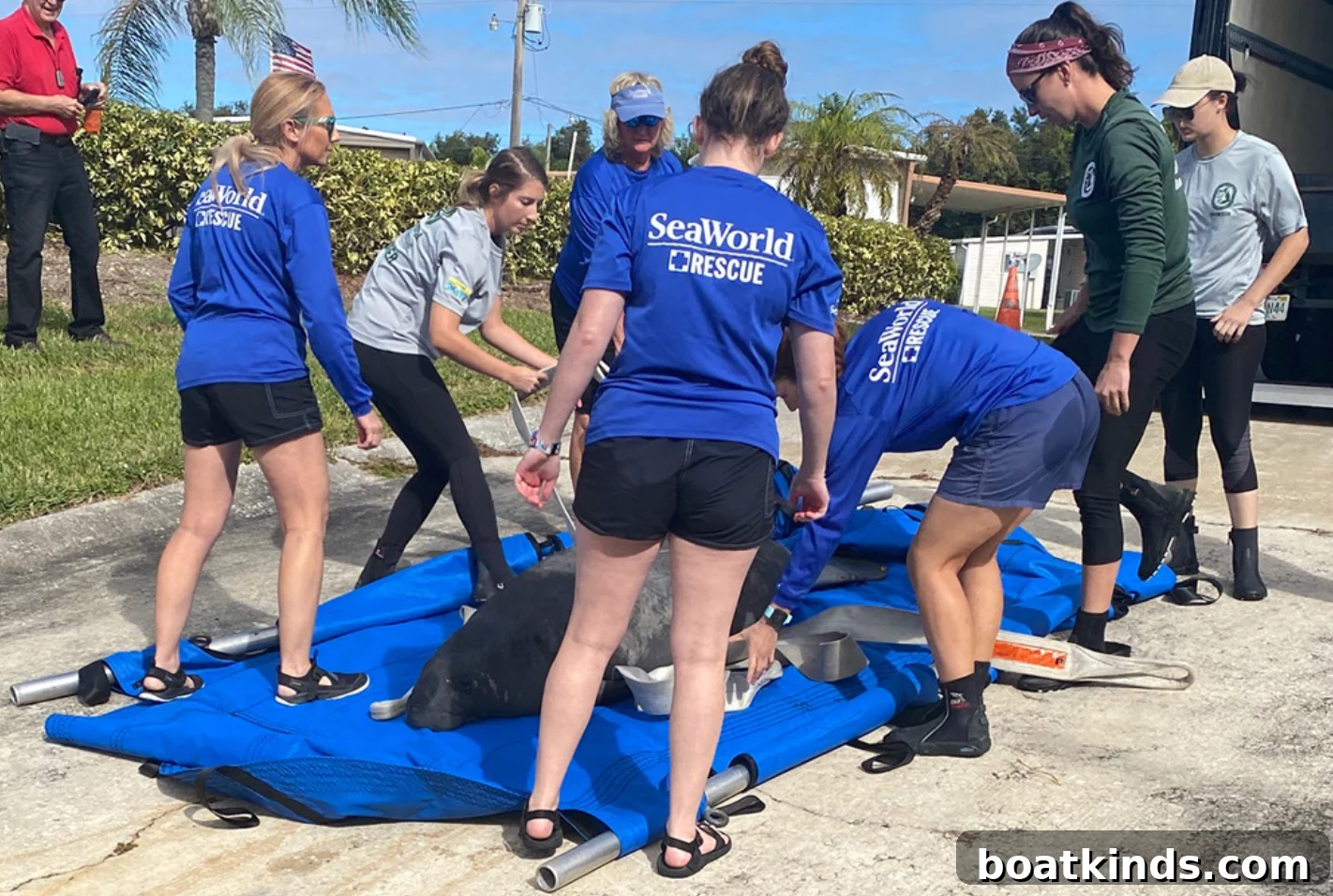
In October, a seven-foot female manatee was struck by a boat near Fort Myers Beach. The collision left her with six broken ribs and impaired her ability to dive. Specialists performed surgery to repair injuries that were preventing normal underwater movement, and she was moved to SeaWorld Orlando for rehabilitation. After weeks of monitoring, physical support and recovery work, the manatee was successfully released back into the wild from the Orange Harbor Mobile Home and RV Resort boat ramp.
That release underscores how coordinated response—from initial rescue through veterinary care and controlled rehabilitation—can return injured animals to their natural habitat. While not every individual can be saved, the continued success of such missions demonstrates the value of rapid intervention and expert treatment.
What Is Causing the Decline?
Boating injuries are a significant threat to manatees, but experts emphasize that they are not the only factor. The Florida Fish and Wildlife Conservation Commission (FWC) reports that boat strikes account for about 25% of manatee deaths, indicating other environmental and ecological pressures are contributing to the overall decline. These pressures may include habitat loss, water-quality changes and limited access to warm-water refuges, among other complex issues that are still being studied.
Recognizing the need for more research, the FWC has requested $7 million from the state to investigate the underlying causes of the die-off. Scientists and wildlife managers hope that targeted funding will improve understanding of disease, nutritional stress, habitat degradation and other drivers so that more effective conservation strategies can be developed.
What Happens During Rehabilitation?
Rehabilitation typically begins with immediate medical assessment and stabilization at a rescue facility. Veterinary teams address injuries and illnesses, which can include surgeries to repair fractures or treat infections. Animals then progress through monitored recovery periods that may include assisted feeding, physical therapy to rebuild strength and conditioning to ensure they can dive and forage normally.
Before release, trained staff evaluate the manatee’s behavior, swimming ability and overall health to confirm it can survive independently. Release sites are chosen to provide the best chance for the animal to reintegrate into suitable habitat with access to food and shelter.
How Boaters and the Public Can Help
Reducing human impacts on manatees requires both policy and practice. Boaters are urged to remain at least 50 feet away from manatees, a distance recommended to minimize disturbance and the risk of collisions. Additional precautionary steps include slowing down in marked manatee zones, staying alert in shallow or warm-water areas where manatees congregate, and reporting distressed or injured animals to local wildlife authorities immediately.
Public awareness and responsible behavior—combined with continued research and targeted funding—offer the best path forward for reducing mortality and supporting recovery. Community support for rescue programs and habitat protection can also make a meaningful difference.
Moving Forward
The recent rescue and successful release of the injured manatee near Fort Myers Beach is a hopeful example amid a difficult year for Florida’s manatee population. While individual stories of recovery are encouraging, broader action is necessary to address the complex causes of the die-off. Scientific research, improved habitat protections and responsible boating practices are all essential components of a long-term strategy to help manatees survive and thrive.
As the FWC seeks additional funds to study the crisis and conservation groups continue hands-on efforts, the combination of community vigilance and professional care can help turn the tide for Florida’s manatees.