Chumming is the practice of tossing cut bait, ground bait or scented liquids into the water to draw game fish toward your boat. Though often dismissed as an unsporting shortcut, chumming is a highly effective tactic that, like any method, rewards knowledge and discipline. Done correctly, it can produce fast, thrilling bites; done poorly, it will either attract the wrong species or chase away the very fish you want.
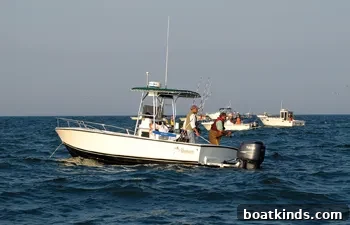
Chunking — using hookbaits alongside a chum slick — looks simple on the surface, but it requires the same situational awareness, attention to detail and steady work ethic as any other serious fishing technique. Newcomers often misunderstand how sensitive a chummed fishery can be. You can over-chum and simply feed fish without enticing them to take your hookbaits. You can under-chum, especially in areas thick with natural forage, and have your scent dissipated before predators ever notice it. You can attract unwanted species such as dogfish or small sharks, or draw in juvenile fish that outcompete your larger targets for the free food. And you can break your slick by stopping the chum in the excitement of a first hookup, allowing the patch of bait and its followers to drift away downcurrent and take the bite with it.
Beyond managing the slick itself, presenting your hookbaits effectively is critical. Even a perfectly formed chum line won’t help if hooks have been stripped by squid or crabs, if baits sit at the wrong depth, or if they “wash out” — a rapid loss of scent and profile that makes a once-attractive offering invisible to predators passing through your slick.
Know your quarry
Chumming is not a one-size-fits-all operation. Effective chum programs are tailored to the feeding habits and sensory priorities of the species you are targeting. For bottom-feeders like flounder, concentrate scent near the seabed. For tuna, the type of bait matters — butterfish, sand eels and squid each communicate a different meal profile. The way you cut those baits also matters: I often slice butterfish on the diagonal so pieces better resemble small baitfish.
Be mindful of seasonal and local conditions. Cool waters or heavy recent chum activity can invite sharks that will quickly dominate a tuna slick. Conversely, when targeting sharks, you’ll want to stimulate multiple senses: odor, sight and surface action. Combining frozen ground bait with oil, attractant blends, scales, and chopped frames increases both scent and visual cues. Adding floating pieces carried along the surface gives the slick a visual element that can attract makos or threshers from a distance.
Raw materials
Three basic rules govern effective chum selection. First, don’t chum junk: if you wouldn’t put it on a hook, don’t throw it in the water. Second, once you begin chumming, be consistent — stop only when you pack up or must leave the slick. Third, bring far more bait than you expect to use. Long canyon nights and strong tides demand large quantities of chunk bait; underestimating how much you need is a common cause of lost bites.
If the thought of spending on extra bait feels unpleasant, weigh it against the total cost of a blank trip. Fuel, tackle, lights and travel add up quickly. Spending a couple hundred on extra chum to save a night’s bite can be a small price compared to returning home empty-handed after investing heavily in the trip.
What do you see?
Chum can create multiple productive scenarios. It can draw predators up the slick to feed directly on your cut pieces. Or it can attract smaller forage — baitfish, squid or juvenile species — beneath the boat, establishing a localized food chain that in turn pulls in larger game fish. The key to choosing hookbaits and tactics is quick, practical stomach-content analysis: check the bellies of any legal fish you catch to learn what the local fish are feeding on. If your catch contains certain prey items, adapt your lineup accordingly by adding cut baits or live-target offerings that match what’s in the fish’s stomach.
When you can’t procure local live bait, use lure tactics to produce it: drop a diamond jig to tempt up a baitfish school while keeping the chum flowing. Matching what the predators are already eating is a fast way to increase hookup rates.
Work for fish
Some anglers sit back, set baits at a couple of depths and ladle chum while waiting for fish to arrive. That passive approach often fails because the drifting chunks move independently of stationary hookbaits. Instead, use the slick to conceal and “move” your baits. Hide the hook inside a chunk, let out a few yards of line to match the drift rate, then periodically retrieve and repeat. This active technique — commonly called “working the lines” — keeps your baits at the same depth and speed as the chum, improves presentation, forces regular bait inspections and increases the frequency of bait changes.
Working the lines is more labor-intensive than a set-and-forget approach, but it pays off. Active anglers maintain fresher, better-concealed baits, avoid washed-out offerings and are far more likely to be ready when a school of fish moves through. In many fisheries the gap between those who consistently catch and those who don’t comes down to this extra effort and attention to presentation.
This article originally appeared in the September 2015 issue.