
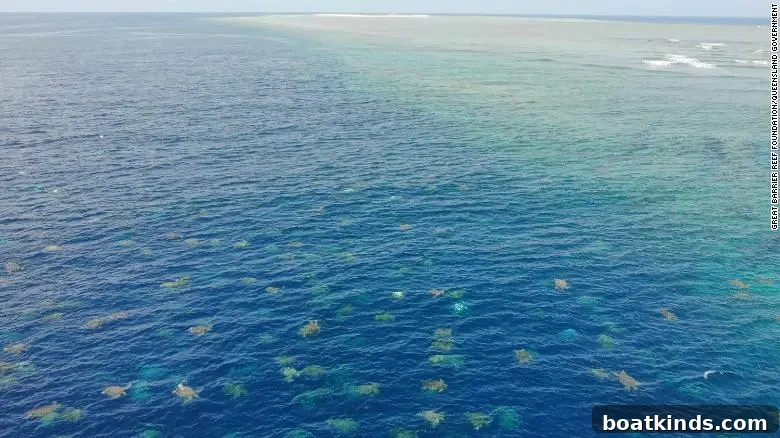
Drone Surveys Reveal More Nesting Green Turtles on a Great Barrier Reef Island
Green turtles are an endangered species that continue to face multiple threats, including hunting, the overharvesting of eggs, loss and degradation of beach nesting sites, and accidental capture in fishing gear. These pressures have taken a toll on turtle populations around the world and have made accurate monitoring of nesting activity an important priority for conservationists.
To improve monitoring, Australian researchers have begun using drones to survey nesting green turtles on an island in the Great Barrier Reef. Early results from these aerial surveys show higher and more accurate counts of nesting turtles than some traditional methods, offering a promising tool for better understanding population trends and informing conservation actions.
Why accurate counts matter for conservation
Reliable estimates of how many turtles come ashore to nest are essential for tracking recovery or decline, identifying critical nesting beaches, and directing protection resources. Traditional monitoring methods—such as beach patrols at night, mark-recapture studies, and ground-based nest counts—can be time-consuming, costly, and sometimes disruptive to nesting animals. They are also limited by visibility, accessibility, and observer fatigue.
Accurate, repeatable counts help managers determine whether protections are working, whether threats are increasing, and where to prioritize interventions such as beach protection, predator control, or enforcement against illegal egg collection. Better data also supports more informed discussions between communities, scientists, and policymakers about the resources needed to safeguard nesting habitats.
How drones improve turtle monitoring
Drones offer several practical advantages for monitoring nesting turtles. From the air, drones can:
- Survey larger stretches of coastline in less time than ground teams can cover, making it feasible to monitor remote or extensive nesting areas.
- Capture high-resolution imagery and video that can be reviewed carefully, archived, and re-analyzed as needed without repeated disturbance to beaches at night.
- Reduce direct human presence on nesting beaches, lowering the risk of disturbing females as they come ashore to lay eggs.
- Provide consistent vantage points that improve the comparability of counts across nights, seasons, and years.
These benefits combine to produce higher confidence in turtle counts, which is particularly valuable when populations are small, unevenly distributed, or difficult to monitor by conventional means.
Practical outcomes and limitations
Early drone surveys conducted by Australian teams on a Great Barrier Reef island have produced imagery that is both scientifically useful and visually compelling. The aerial footage has helped researchers document nesting behavior, assess beach usage, and refine estimates of the number of turtles coming ashore. In many cases, drone-based counts have complemented ground-based surveys and revealed nesting activity that might otherwise have been missed.
However, drones are not a silver bullet. Weather conditions, battery life, and the need for trained operators can limit survey windows and coverage. Nighttime operations require careful planning and adherence to regulations and ethical guidelines to avoid stress or disorientation of wildlife. Additionally, image interpretation can demand time and expertise, though advances in image analysis and automated detection are helping to streamline the process.
Conservation implications
While drones improve the quality and scope of monitoring, they do not remove the underlying threats that green turtles face. Habitat protection, fisheries management to reduce bycatch, enforcement against illegal harvest, and community engagement remain vital. What drone surveys do offer is better information to guide these efforts—helping conservationists identify priority sites, measure the effectiveness of interventions, and respond more quickly to emerging threats.
Ultimately, the use of drones for nesting surveys represents an encouraging development: a technology that can expand our knowledge without increasing pressure on the animals we seek to protect. The footage from the Great Barrier Reef surveys also serves an important outreach role, helping to connect the public with the beauty and vulnerability of green turtles and the beaches they rely on.
Looking ahead
As drone technology and analytical tools continue to improve, their role in long-term marine turtle monitoring is likely to grow. Combining aerial surveys with traditional fieldwork, community-based monitoring, and careful management will give conservationists their best chance of supporting green turtle recovery—ensuring these ancient marine reptiles continue to nest on our beaches for generations to come.