Try to picture the conditions at every point across the world’s oceans, at every second: on the surface, just below it, and far beneath; in slow currents and fast currents, flowing east, north, or any direction; in warm waters and cooler patches; with varying salinity. The ocean’s state is vast and constantly changing.
“It’s a huge, huge data set,” says Thomas Peacock, a professor of mechanical engineering at the Massachusetts Institute of Technology (MIT). The ocean is so complex that two floats released from the same spot can travel in entirely different directions. That complexity is a major challenge for search-and-rescue teams responding to man-overboard incidents. Rescuers try to determine roughly when and where the person entered the water, then run computer simulations using winds, currents and other factors to generate probability maps that guide search operations.
Peacock and colleagues from the Swiss Federal Institute of Technology, the Woods Hole Oceanographic Institution and Virginia Tech have developed an additional tool for search-and-rescue teams. Rather than starting from the person’s last known position and predicting where they will drift, their algorithm looks outward from the boat to identify areas of the ocean that are likely to draw objects toward them. These locations are called Traps—short for transient attracting profiles.
“Imagine a tabletop with a few magnets moving around,” Peacock explains. “If I toss metal coins onto the table, where should I look for them? The magnets will likely pull the coins toward themselves. At any moment on the ocean surface, there are locations that act like those magnets, strongly drawing floating material. If someone is in the water within that region, the best places to search are these Traps.”
Search-and-rescue teams currently often use Lagrangian mathematical models, which track particles as they move. The new method is Eulerian: it analyzes the flow field at fixed locations to identify attracting regions. That shift makes the calculations faster and less demanding on computing hardware, Peacock says.
“The Traps method processes data very quickly,” he notes. “It can run in real time on a laptop and be updated as soon as new observations arrive.” In many U.S. coastal areas—popular boating regions such as New England, Southeast Florida and California—high-frequency radar networks supply surface-current data about every 15 minutes. Being able to process that incoming data rapidly, and without heavyweight computing resources, gives search teams timely situational awareness.
“There’s no need to wait for a large-scale ocean model to run,” Peacock adds. “You can take the radar data and apply the Traps processing directly. Every 15 minutes you can obtain an updated map showing where Traps exist offshore, telling searchers where attracting regions were located a short time earlier.”
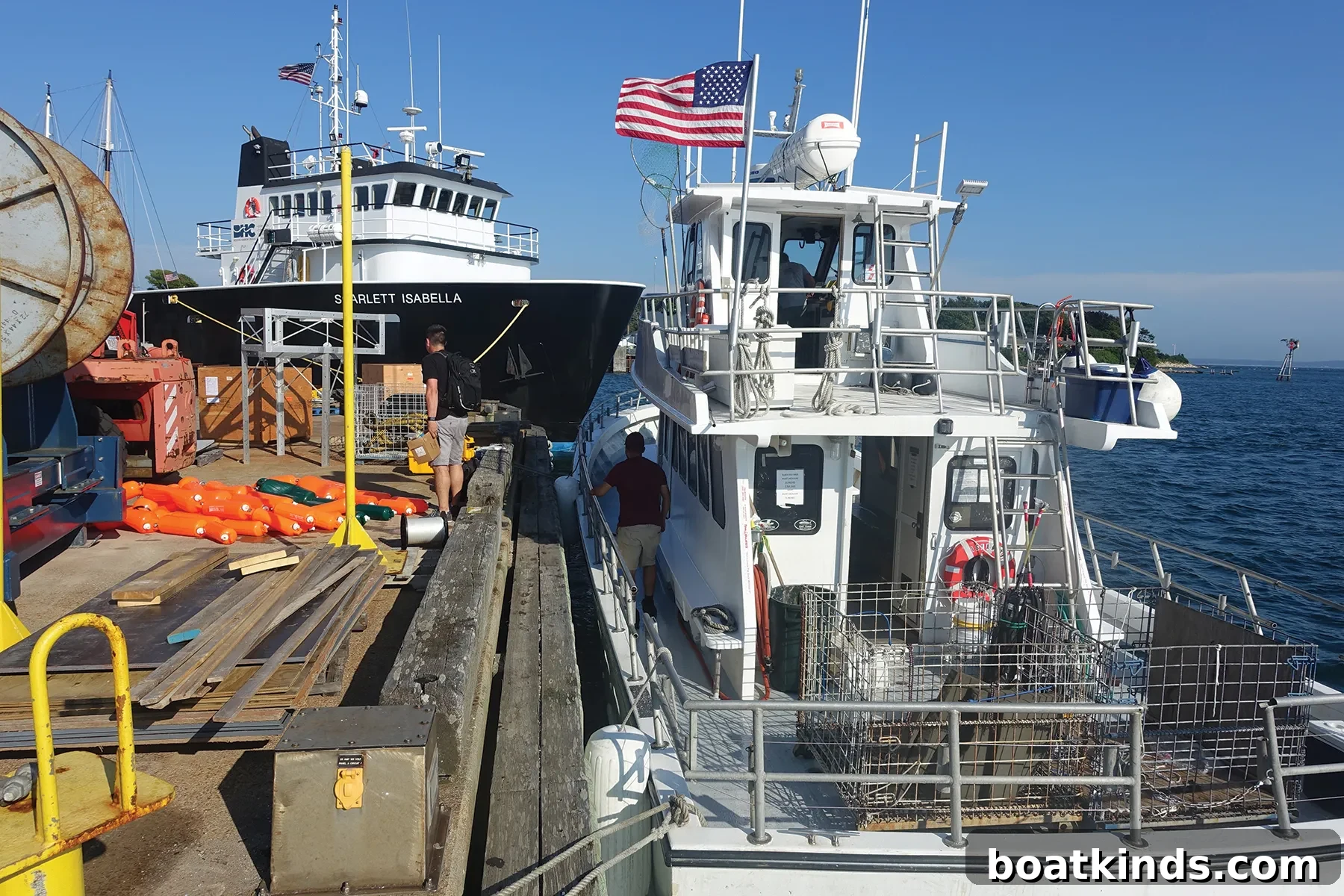
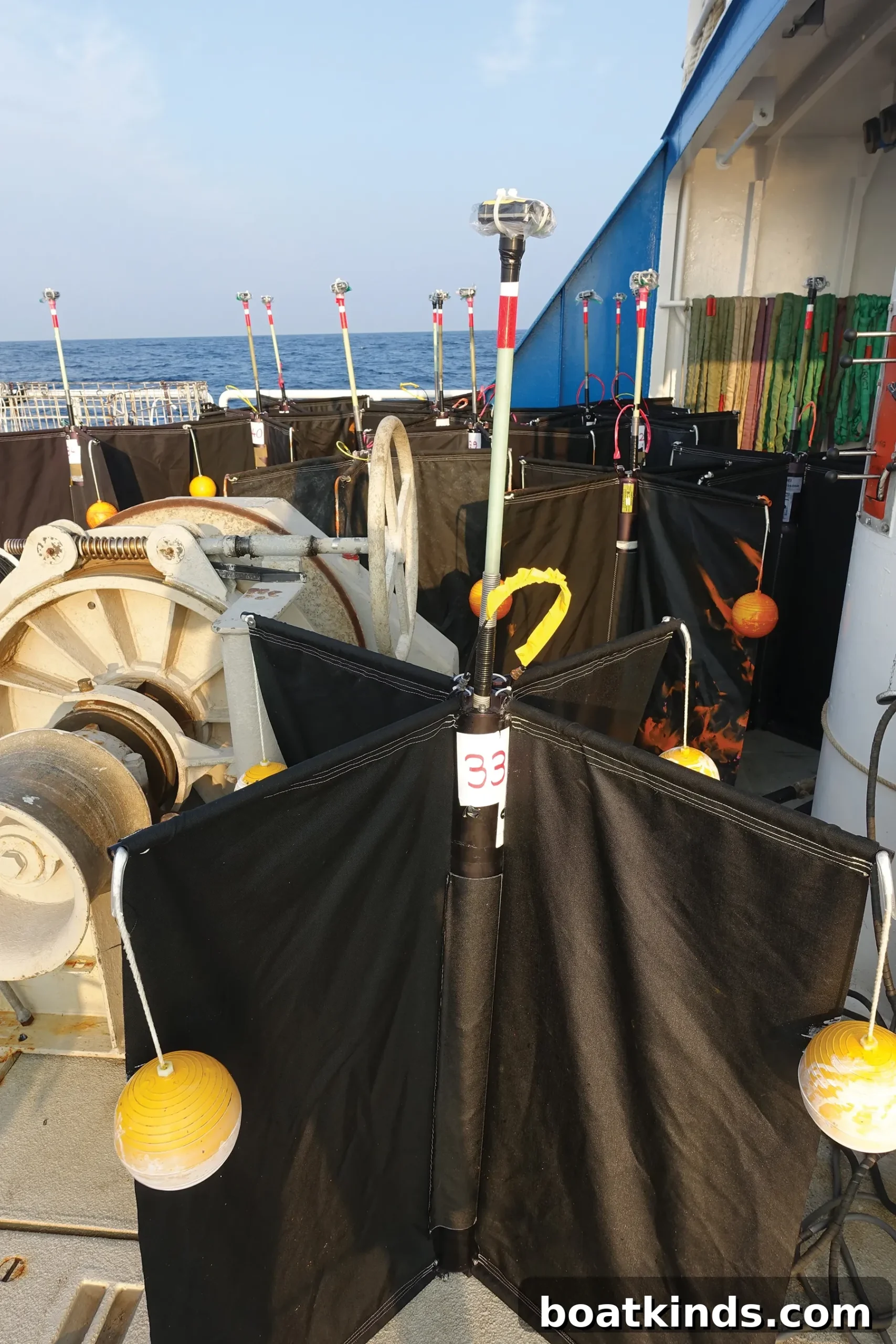
To validate the algorithm, the team conducted field tests off Martha’s Vineyard, Massachusetts, in the summer of 2018. The work—peer reviewed and published in late May in the journal Nature Communications—used GPS-equipped manikins released from a roughly 40-foot powerboat. The researchers compared the manikins’ actual drift paths to the Traps predicted by their analysis.
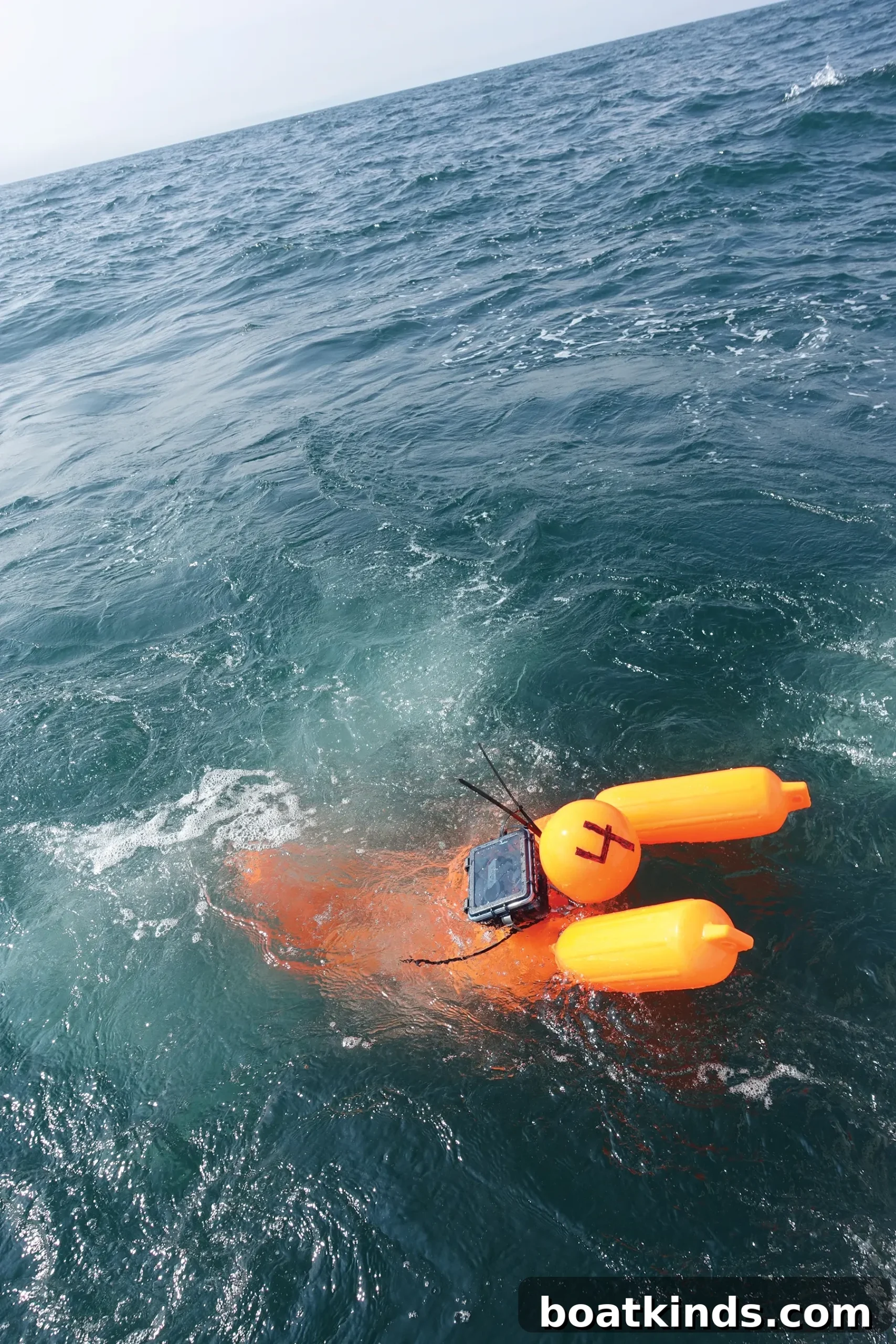
Over several hours, the team tracked the manikins as they floated, sometimes miles from the boat. As predicted, the manikins converged on distinct regions that the Traps algorithm had identified.
The project was primarily funded by the National Science Foundation’s Hazards SEES program, with additional support from the Office of Naval Research and the German National Science Foundation. The U.S. Coast Guard has monitored the work from the beginning and, with the study now peer reviewed and published, can consider whether to adopt the tool operationally. Beyond man-overboard cases, Traps could help prioritize searches in incidents involving oil spills, marine debris and other floating hazards.
“Depending on available assets, knowing where Traps lie within a broad modeled search area can influence decision-making,” Peacock says. “This method doesn’t replace existing search-and-rescue procedures, but it provides an additional, lightweight capability for targeting likely convergence zones.”
This article originally appeared in the August 2020 issue.