
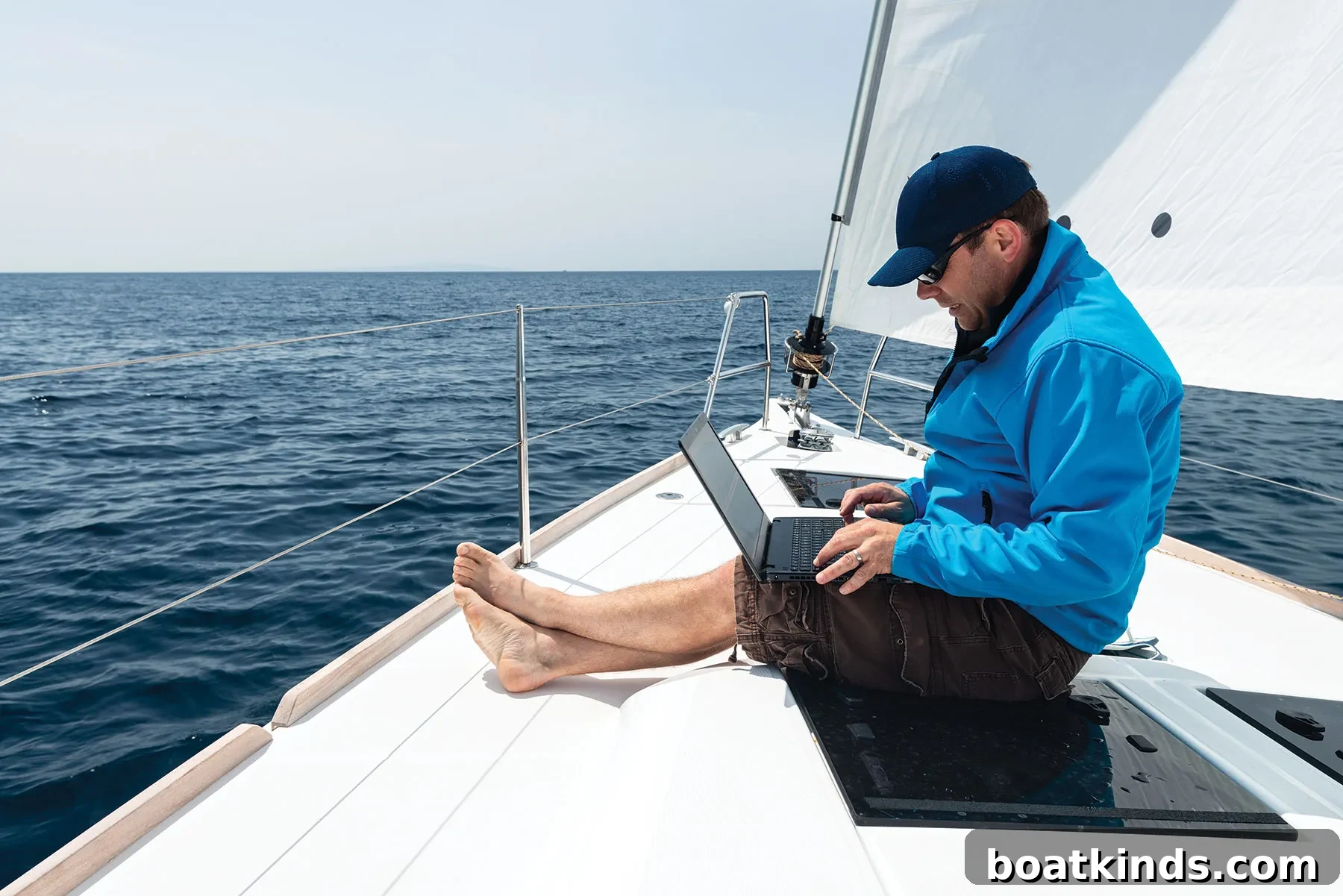
When Brunswick Corporation—the parent company of Sea Ray, Boston Whaler and several other well-known marine brands—hosted a virtual boat show on July 21 and 22, Sea Ray’s North American sales and customer service director Ritch Ragle and his team had to rethink how they connected with buyers. Instead of the usual in-person interaction, they staffed an online presence for 12 continuous hours each day, ready to engage customers from across the country.
Ragle, who is accustomed to face-to-face conversations at traditional boat shows, says the virtual event produced levels of interaction he hadn’t anticipated. The open, public chat format encouraged observers to join in: visitors who might normally linger on the sidelines saw others asking detailed questions and felt comfortable jumping into the conversation. Many people who never attend physical shows logged on to explore models and accessories at their own pace—right from their homes or boats.
“The virtual show gave people direct access to the factory,” Ragle says. “We could help a customer in Topeka, Kansas, who otherwise might never speak directly with Sea Ray. Our customer service team answered questions in real time, and much of that content is still on our website. We discovered people were more engaged online than we expected.”
Ragle’s experience reflects a larger shift in how Americans buy boats during the Covid-19 pandemic. Even buyers who would prefer an in-person experience have adapted to digital tools out of necessity. Across the market—from center consoles to trawlers to superyachts—research, tours and even purchases are increasingly happening online.
Dealers and brokers report that much of the shopping process that once required a showroom visit has moved online. Potential owners now take virtual tours over FaceTime, Zoom or Skype; online research that used to supplement showroom visits is frequently the primary decision-making tool. For smaller craft and tenders, some customers are completing purchases without ever physically inspecting the boat.
Larry Russo Sr., senior vice president at MarineMax, which operates more than 60 dealerships nationwide, says his company has adapted quickly. “We learned how to sell boats with our showrooms locked down,” he notes. “We learned to sell without boat shows and on-site events—and in the Boston market our sales doubled. The pandemic accelerated a digital transformation that otherwise might have taken 10 to 15 years into a matter of months.”
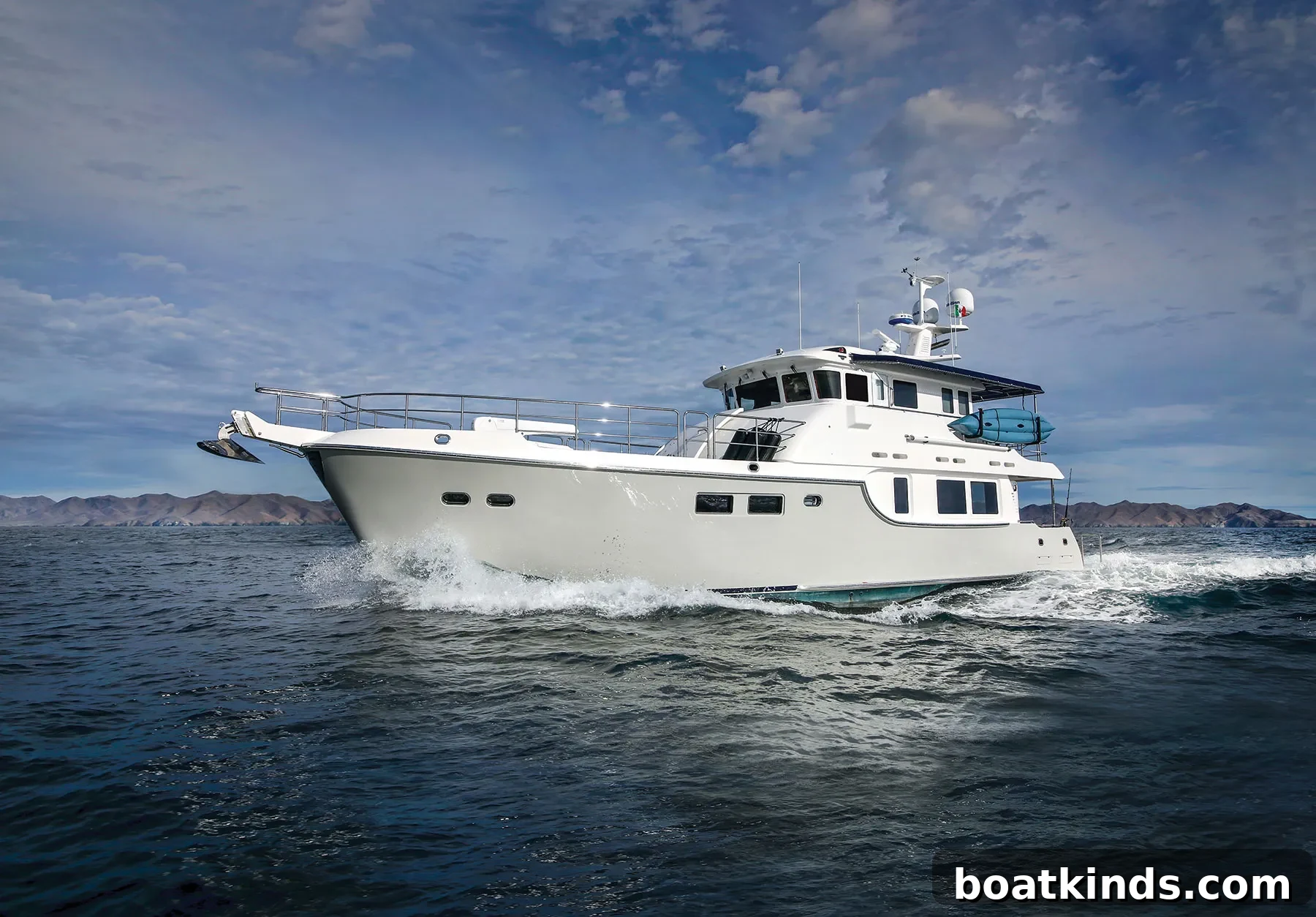
Howard and Ginger Robin’s recent boat purchase illustrates the new normal for higher-end buyers. The couple, experienced boat owners from near San Francisco, decided on a Nordhavn 60 and found a U.S.-spec model in Florida. They inspected the vessel in early March, negotiated a price, and signed a deal. But with airports shutting down, Howard couldn’t attend the necessary sea trial and survey.
Rather than abandon the purchase, the Robins relied on trusted experts to represent them in person. Their consultant and a captain traveled by car to conduct the inspection and sea run, then relayed findings by phone. Through that remote collaboration they completed the purchase, renamed the yacht Ginard, and today the boat is in a Canadian shipyard for refit. Howard checks progress twice weekly using FaceTime calls, with yard workers showing areas of the vessel via smartphone so he can make decisions remotely.
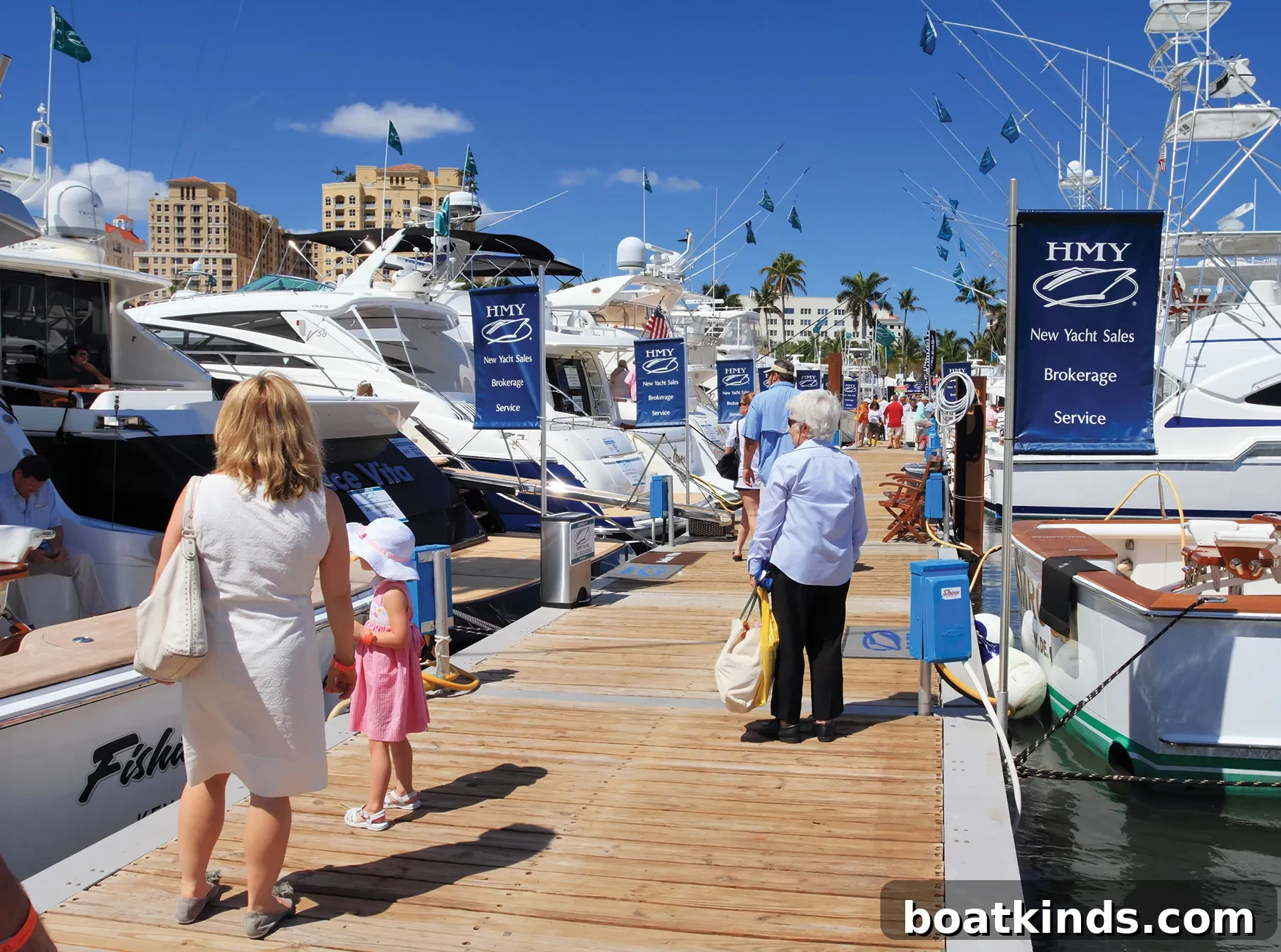
The trend toward virtual buying spans price points and both new and brokerage markets. The National Marine Manufacturers Association reports dramatic increases in online traffic to boating resources during the pandemic, with many dealers noting retail growth. New-boat sales spiked significantly between April and May, and registrations showed increases year-over-year compared with 2019.
Ellen Hopkins Bradley, senior vice president and chief brand officer for the NMMA, says many of the new buyers are younger and more digitally native. Their expectations pushed dealers and manufacturers to improve virtual tools quickly. “Many retailers weren’t selling online last year; now they are,” she says. That rapid change helped meet demand from buyers seeking safe, outdoor recreation options.
Virtual show organizers and marine retailers are still refining best practices. With strong demand this summer, inventory for popular sizes was limited, prompting a pragmatic buying strategy for many shoppers: identify a size and a few key features, then purchase the best-matching boat available. For buyers able to accept later delivery, dealers are planning additional online features as they evaluate what worked well and what could improve.
Manufacturers and dealers are investing in richer digital experiences. Justin Joyner, powerboat manager for Beneteau America, stopped traveling in mid-March and began conducting virtual walkthroughs on demand. He assembled a library of 360-degree tour videos and detailed visuals so he could guide customers through every compartment and system remotely, explaining the location of breakers, switches and mechanical components to replicate the in-person experience.
Joyner estimates he conducted dozens of hour-plus virtual calls weekly for larger models. When a buyer reached the decision stage, he would arrange a socially distanced, in-person viewing as the final validation. Still, many small-boat buyers never set foot on their new boats before taking delivery—an option some customers accepted because of brand trust and the need for safety during the pandemic.
Ragle and other industry leaders observe that the pandemic-driven recession differs from past downturns: demand has expanded across market segments rather than pushing buyers to one extreme. Importantly, initial dealer relationships increasingly begin online, with post-sale service cementing long-term loyalty. Younger buyers, comfortable with digital payments and social platforms, prefer a streamlined process that reduces traditional back-and-forth negotiations.
Looking ahead, boatbuilders and dealers will watch public-health developments to determine whether large-scale in-person shows return in their previous form. The pandemic has demonstrated a viable alternative: virtual events can showcase every model, option and color with unprecedented exposure—although they cannot replicate the tactile experience of touching and boarding a boat.
Industry leaders expect a hybrid future: enhanced digital shopping tools for discovery and qualification, paired with selective in-person experiences for final validation. Consumers often arrive at shows having already made choices online; if virtual channels can provide the same clarity at lower cost and risk, dealers see strong reasons to continue developing them. At the same time, many buyers still value the in-person opportunity to compare models side by side—so some version of the physical boat show will likely remain part of the industry landscape.
This article was originally published in the October 2020 issue.