
Just six weeks ago, Hurricane Ian tore through Southwest Florida, uprooting communities and disrupting wildlife across the region. According to CNN, the storm displaced thousands of residents and was blamed for the deaths of at least 130 people. The environmental consequences, while less immediately visible, are shaping the recovery of native species and local ecosystems.
On Sanibel Island, stands of trees lie brown and collapsed, many trunks submerged or toppled by wind and surge. That altered landscape has created serious and ongoing challenges for wildlife forced to adapt to a rapidly changed ecosystem. As the island’s vegetation and water systems struggle to recover, the behavior and survival of several key species are determining how well the natural community can rebound.
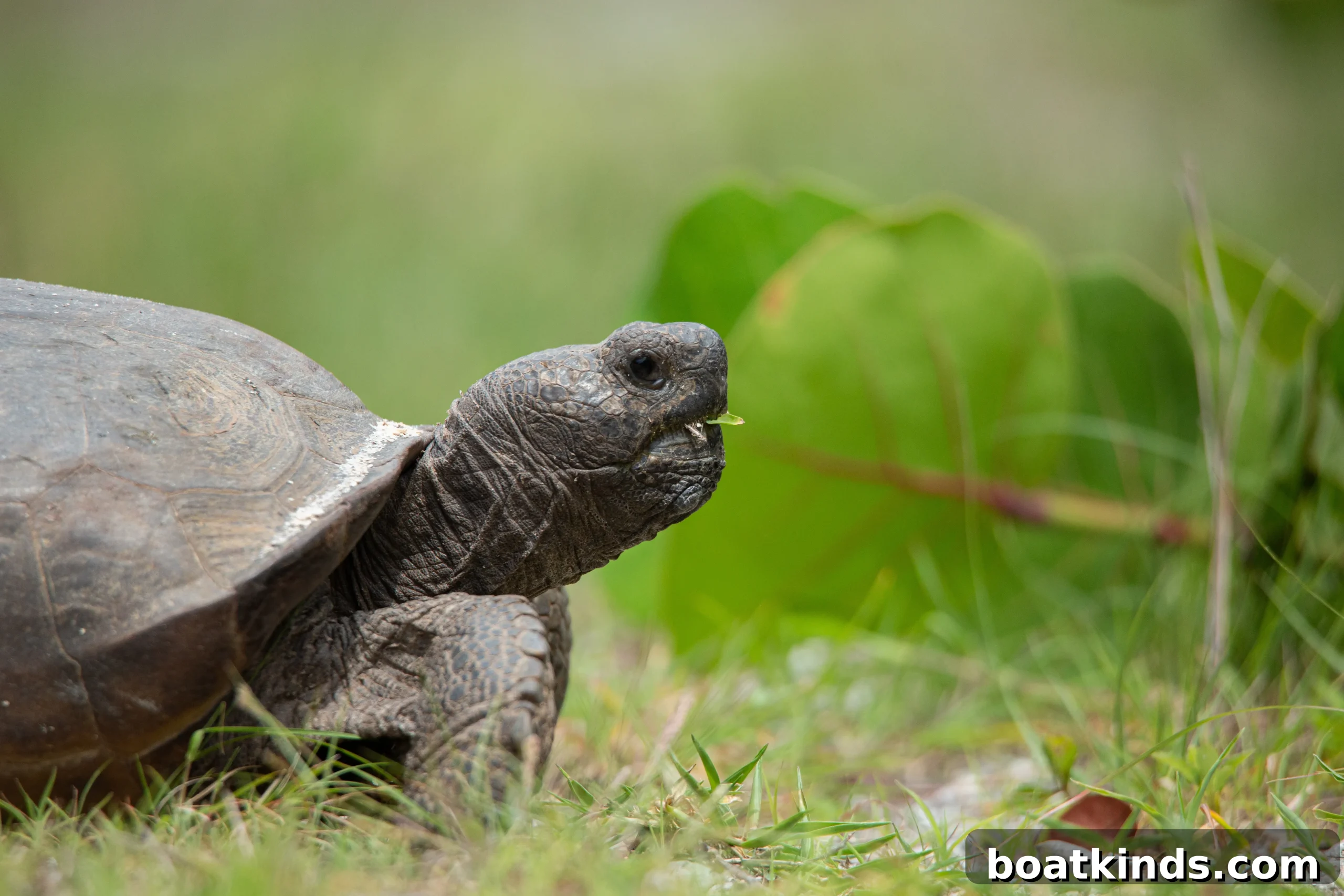
Keystone species such as the gopher tortoise, the burrowing owl and the American alligator play outsized roles in maintaining ecological balance across Southwest Florida. Since Hurricane Ian, sightings of these animals have grown rare, and wildlife experts are closely monitoring how their movements and survival strategies will influence the region’s ecological future.
One of the major problems following Ian is saltwater intrusion into freshwater habitats. Flooding and storm surge pushed ocean water into rivers, wetlands and groundwater, raising salinity levels in places that were previously fresh. Chris Lechowicz, a herpetologist and director of wildlife and habitat management at the Sanibel-Captiva Conservation Foundation, measured a jump in salinity in the Sanibel River from essentially 0 parts per thousand (ppt) to about 24 ppt. By comparison, seawater averages around 35 ppt. “The freshwater system was almost seawater,” Lechowicz said, “and that’s going to change a lot of the diversity in that area.”
Elevated salinity harms freshwater-tolerant species directly and degrades soil and plant communities that native wildlife depend on. Species such as the American alligator and gopher tortoise can tolerate some saline exposure short-term, but prolonged salt in the soil and water stresses vegetation and reduces the availability of nesting and foraging habitat. Declines in native trees and understory plants then ripple through the food web, affecting birds, reptiles and small mammals.
Burrowing owls in particular have been hit hard. These small, ground-dwelling raptors nest in burrows found in yards, vacant lots and open ground. Hurricane debris and sediment have filled or blocked many burrows, and displaced household items, vehicles and even boats have been carried into conservation areas, further degrading nesting sites. Local volunteers and wildlife advocates have been working to clear debris and restore burrows, but recovery is slow and labor intensive.
Individuals and local organizations have stepped in to help. Pascha Donaldson, a former leader of Cape Coral Friends of Wildlife, has focused on clearing debris for burrowing owls. During the storm and its immediate aftermath, a team led by Breanna Frankel from the CROW Clinic sheltered birds of prey and other injured wildlife in private spaces, including Frankel’s garage, to keep them safe until veterinary care was available.
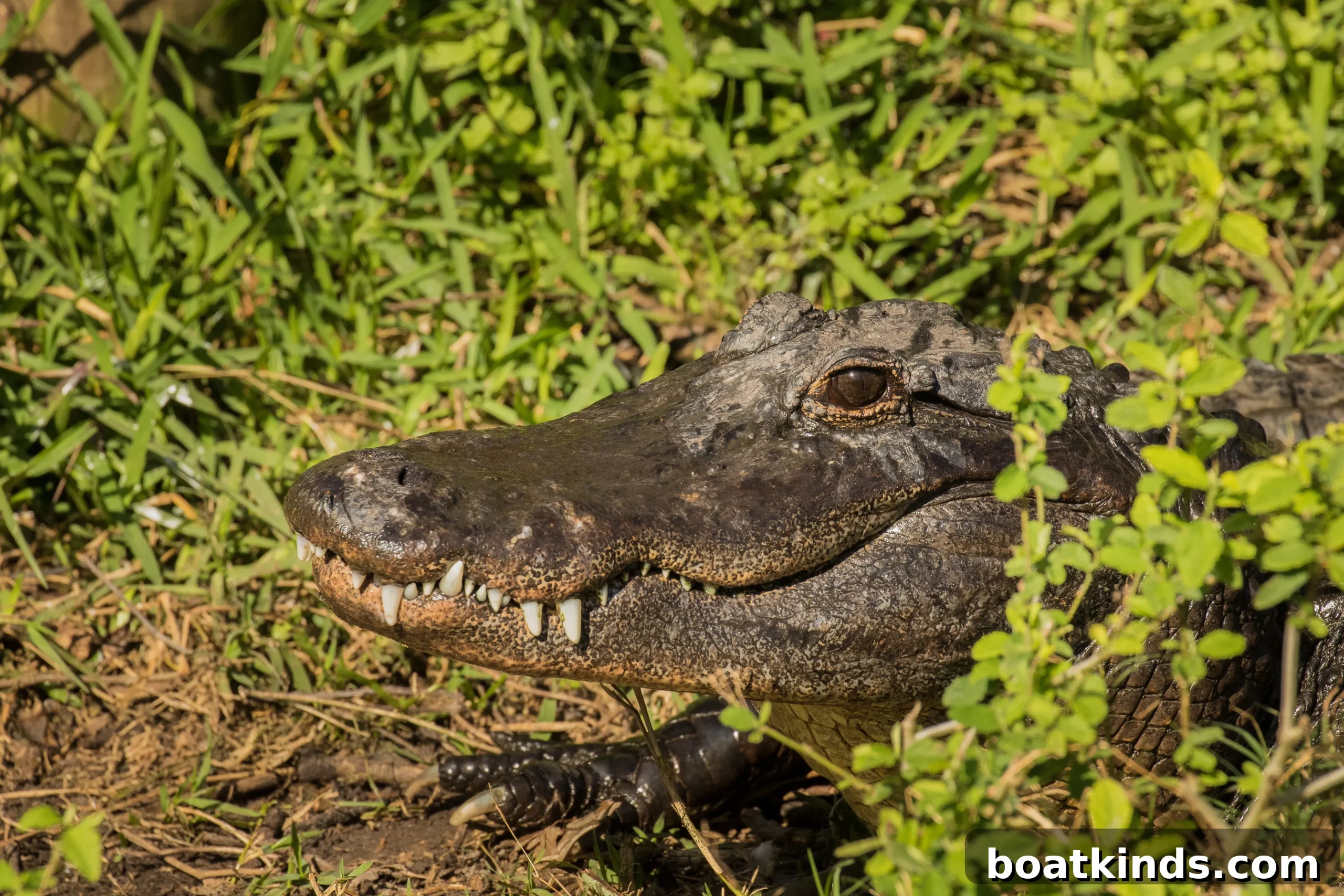
American alligators also seem to have receded since the storm. While alligators can endure short-term exposure to brackish water, they require access to freshwater for long-term survival and for maintaining healthy populations. “Alligators are able to tolerate salt water for short periods of time,” Lechowicz noted, “but eventually, they’ll need fresh water. I would love to know how alligators did.” Ongoing monitoring will be important to determine survival rates and whether individuals are relocating to more suitable habitats.
Wildlife is gradually returning to affected areas, but many habitats remain in a state of shock. Vegetation loss, altered hydrology and continued debris create a fragmented landscape that slows recovery. Experts warn that whether the ecosystem can fully recover will depend on the extent of freshwater restoration, continued habitat cleanup, and long-term conservation efforts to support keystone species and native plant communities.
Local conservation groups, wildlife clinics and volunteers continue to coordinate rescue, monitoring and habitat restoration efforts. Their work—clearing debris, restoring burrows, treating injured animals and tracking water quality—is critical to helping Southwest Florida’s native species rebuild populations and reestablish ecological balance. Recovery will take time, and the coming months and years will reveal how resilient these habitats and their keystone species will be in the aftermath of Hurricane Ian.