
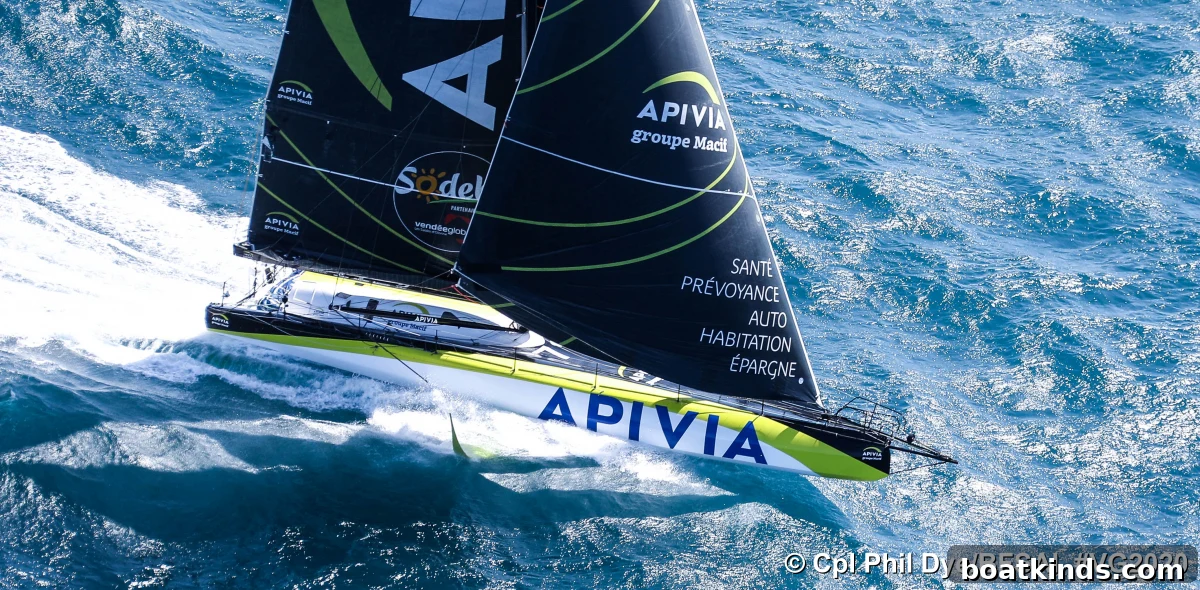
Vendée Globe: A Tight Finish as Skippers Head Back North
The Vendée Globe is often decided long before the finish, with a clear leader emerging by the time solo skippers cross the equator for the second time and begin the final push to Les Sables-d’Olonne. This edition is defying that pattern. With more than 2,400 nautical miles remaining, the race remains astonishingly close.
On the reported day, only 230 miles separated the leader, Charlie Dalin, from Giancarlo Pedote, then in seventh place. After more than 26,000 miles sailed, that narrow margin and the presence of multiple challengers on the leader’s stern make this one of the most suspenseful finales in recent memory. The constantly shifting leaderboard reflects the relentless tactical chess played by these solo sailors—each route choice, wind shift and equipment decision can produce dramatic changes.
Lead Changes and Penalties: How Rescues Affect the Outcome
Throughout this race the lead has changed hands repeatedly. In addition to tactical moves and weather systems, the final standings may be influenced by time compensation awarded for acts of seamanship. Jean Le Cam, who was involved in a dramatic rescue off the coast of South Africa and currently sits in eighth place, lost time while assisting another competitor. Race officials will factor in time compensation for that rescue when final positions are confirmed, and this adjustment could significantly reshuffle the final classification.
Time compensation is a long-standing principle in ocean racing intended to reward sailors who jeopardize their own race to help others in distress. While the exact amount of time to be awarded is decided by race juries based on the circumstances, the principle ensures that acts of humanity and safety are not penalized in the final results.
Why the Finish Could Be Decided in the Final Days
Even with thousands of miles already behind them, the Vendée Globe is far from over. Several variable factors could determine the podium in the coming days. Wind patterns can collapse or strengthen, creating calm patches or renewed surges that allow a trailing boat to gain ground. Hardware failures—broken mast componentry, damaged foils, autopilot or electronics problems—can instantly erase a lead. Strategic route choices also play a huge role: one skipper may gamble on a shorter, windless path, while another opts for a longer route with more consistent breeze. When the fleet remains compressed, those choices become decisive.
The mental and physical fatigue after such an extended solo voyage adds another unpredictable element. Skippers must manage sleep, nutrition and onboard repairs while making split-second navigational decisions. In a race where margins can be measured in minutes after nearly three months at sea, small mistakes or brilliant gambles will carry enormous weight.
National Interest and Public Attention
In France the Vendée Globe commands intense public interest. Solo offshore racing has a deep cultural resonance there, and this edition—so competitive and uncertain—has dominated headlines and daily sports coverage. The combination of athletic endurance, seamanship, technological innovation and human drama makes the race compelling to a wide audience, from seasoned sailors to casual sports fans.
What to Watch in the Closing Stretch
As the fleet heads north toward the finish, watch for a few key indicators that typically determine the outcome: evolving weather charts and how each skipper positions relative to high- and low-pressure systems; reported boat speeds and any mechanical bulletins; and official updates on time compensation or penalties. Because the lead has been so fluid, expect intense tactical duels and possibly last-minute gains or losses right up until the boats cross the line.
This Vendée Globe edition has proven that even after more than 26,000 miles and weeks alone at sea, uncertainty and drama endure. With a razor-thin margin separating the frontrunners and several capable sailors within reach, the race may well come down to the final miles. For followers of solo offshore racing, those closing days promise emotional highs, tough decisions and possibly a photo-finish that will be remembered for years.