
Two Boaters Rescued After Runaway Center Console Near Brant Rock Beach
Two people were rescued off the coast of Marshfield, Massachusetts, on Tuesday, July 5, after their 24-foot center-console boat began spinning uncontrollably in what rescuers described as a “circle of death” less than a mile from Brant Rock Beach. A local fisherman first noticed the situation, pulled the two occupants aboard his own vessel, and brought them safely to shore.
Harbormaster and Responders Disable Unmanned Vessel
Once the occupants were ashore, the harbormaster’s office dispatched boats to intercept the unmanned vessel that was still running. Harbormaster Mike DiMeo reported that the boat was making violent turns at near full throttle. Responders used a specialized tow rope to slow and control the boat long enough to disable the engine; that action allowed DiMeo to shut the motor off and secure the craft.
Serious Safety Lapses Put Boaters at Risk
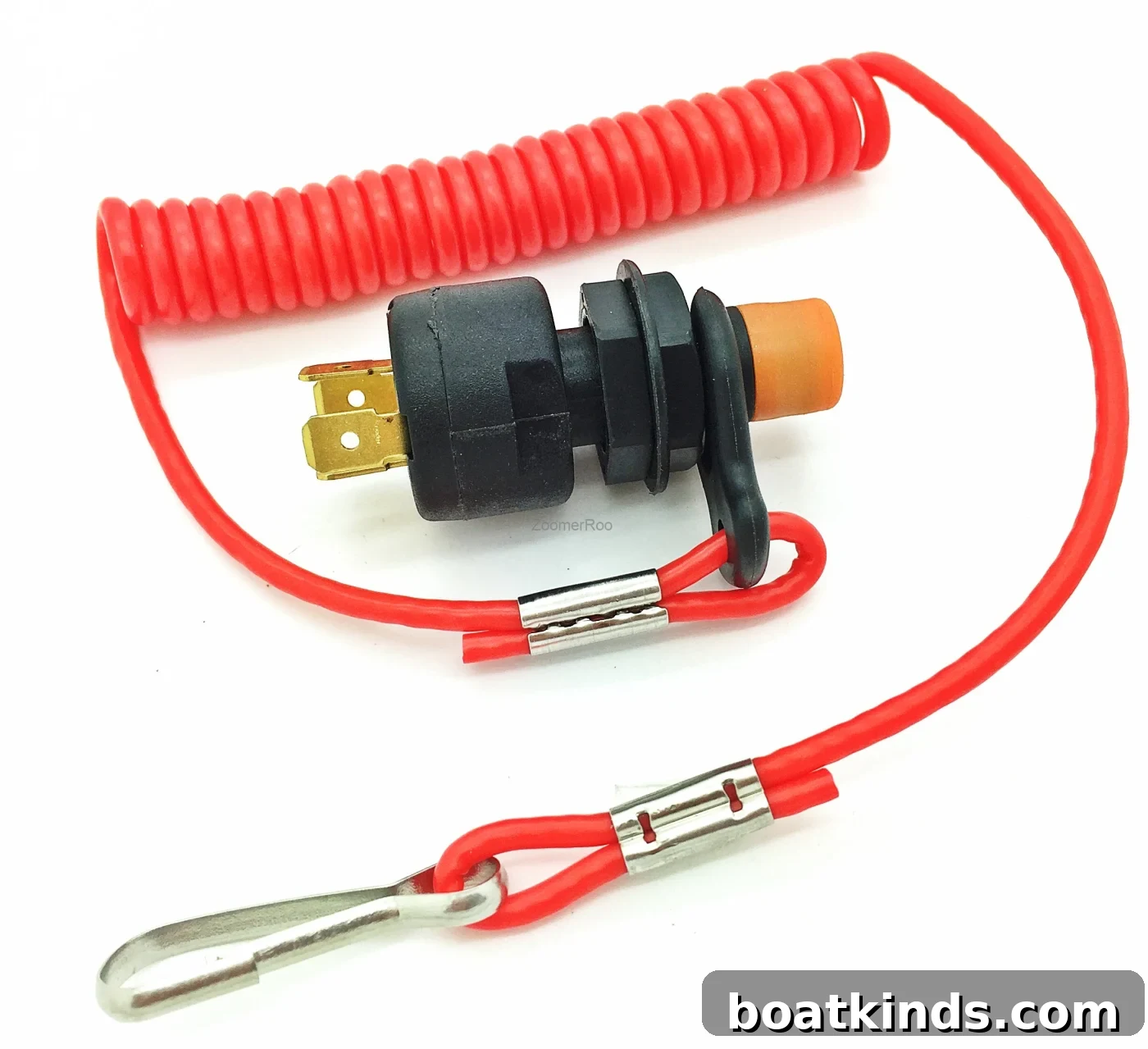
Although no one was injured during this incident, the situation had the potential to become deadly. Neither of the boaters was wearing a lifejacket, and neither was tethered to the vessel’s engine cut-off switch — commonly called the kill switch — which disconnects the engine if the operator is ejected. Federal regulations require an engine cut-off switch on recreational vessels under 26 feet, and many boaters rely on it to prevent runaway boats after an unexpected fall overboard.
DiMeo also noted that the vessel contained about 40 gallons of gasoline, which meant it could have continued running for a long time if not intercepted. If the wheel had straightened or if the boat had caught a current, it might have headed directly toward Brant Rock Beach or other areas where swimmers and beachgoers could have been endangered.
Why Engine Cut-Off Switches and Lifejackets Matter
This event is a stark reminder of two fundamental pieces of boating safety equipment: the engine cut-off switch and a properly fitted lifejacket. The cut-off switch is designed to stop the engine immediately if the operator is suddenly separated from the helm. When used together with a kill switch lanyard or a wireless engine shutoff device, the risk of a runaway, unmanned vessel is greatly reduced. Lifejackets remain the most important personal flotation device; wearing one dramatically increases a person’s chances of survival if they end up in the water unexpectedly.
Boaters should familiarize themselves with both the legal requirements and the practical steps for safe operation: attach the kill switch or activate a wireless engine cut-off system whenever the boat is underway, ensure all passengers have access to correctly sized lifejackets, and carry basic tools and tow equipment for emergency situations. Regular maintenance and pre-departure checks of steering systems and engine controls can also prevent mechanical failures that lead to uncontrolled turns or an unmanned vessel.
Local Response and Lessons Learned
The quick actions of the local fisherman and the harbormaster’s team prevented a potentially worse outcome. Their coordinated response—rescuing the people first, then neutralizing the unmanned boat—illustrates effective emergency priorities and techniques: remove vulnerable people from danger, then secure any hazards that remain. Using a tow rope to slow and control the craft before attempting to cut power helped responders stop the vessel without causing additional damage or risk to nearby recreational users.
For anyone who spends time on the water, this incident underlines the importance of preparation, compliance with safety laws, and practical seamanship. The Marshfield episode serves as an urgent call to double-check safety gear, enforce lifejacket use for all aboard, and always use an engine cut-off device on boats under 26 feet. A video of the runaway boat circulated locally after the event, reinforcing how quickly an ordinary outing can turn dangerous when basic safety practices are overlooked.
Final Takeaway
Boating is an enjoyable activity, but it carries real risks that are easily mitigated by simple precautions. Wear lifejackets, use your engine cut-off switch or an approved wireless shutoff, perform routine checks on steering and throttle systems, and be prepared to act quickly if a boat becomes unmanned. The swift response by a Good Samaritan and the harbormaster averted possible tragedy off Brant Rock Beach; following their example and the basic rules of safe boating can help prevent similar incidents in the future.