
Rolling swells slid beneath the hull as Capt. Brandon Ballay eased the boat past the mouth of South Pass, one of the main outlets that funnel water from the Mississippi River into the Gulf of Mexico. A third-generation guide, Ballay knows the Delta like the back of his hand. We began the morning fishing near the mouth of Southeast Pass and picked up a few nice redfish, but when the tide shifted he pointed toward a miles-long sandbar just west of South Pass where larger bulls often hunt. There the swells broke into whitewater over the bar and pandemonium erupted as schools of bait were corralled and hammered by marauding bull reds. It was classic Mississippi River Delta fishing—chaotic, loud and unforgettable.
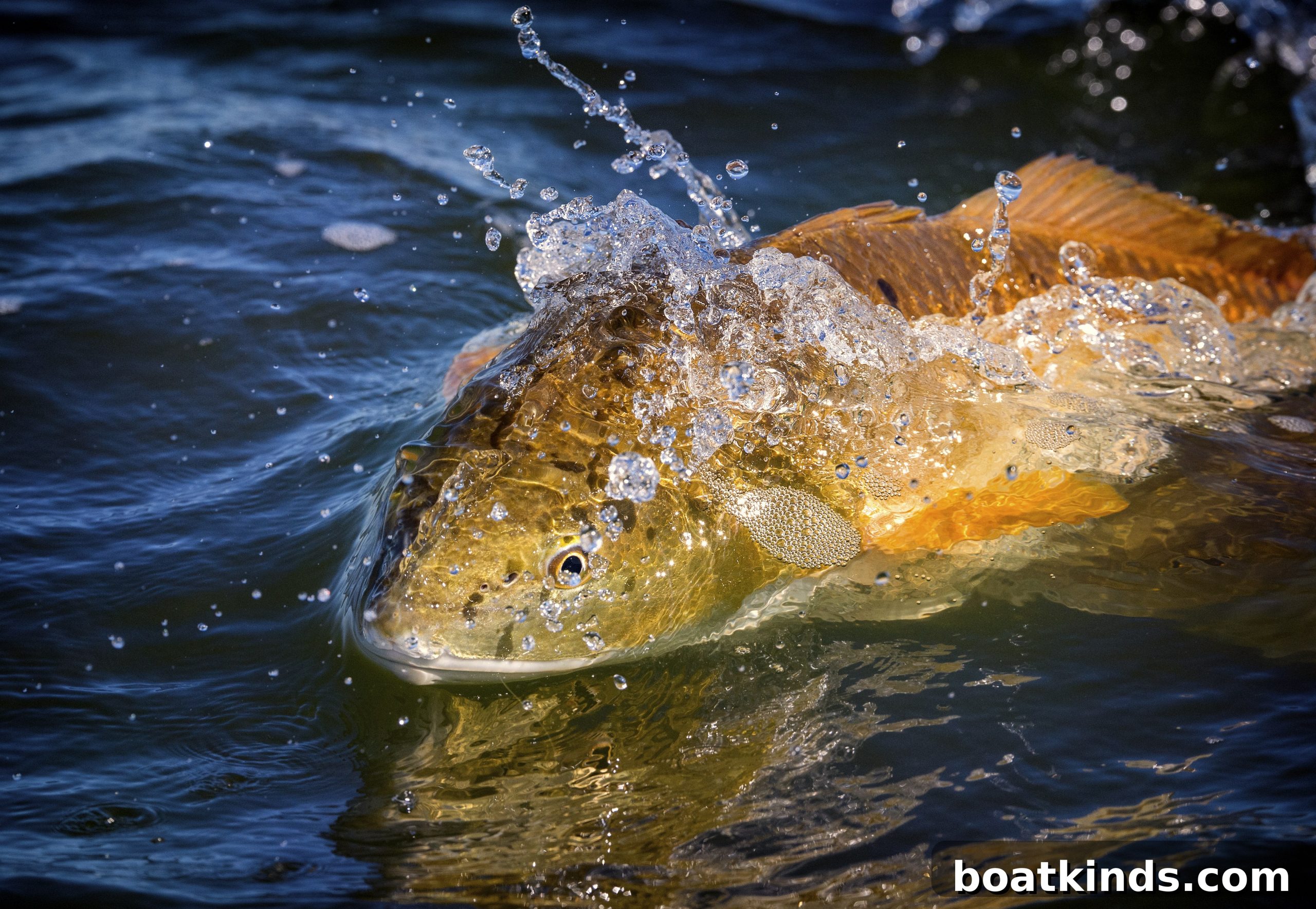
My favorite fishing partner, Ginger Tatem, was with me on her first trip to what I consider one of the best angling destinations on the planet. She made a long cast into the crashing whitewater with a half-ounce paddle-tail jig and was instantly met by a ragin’ Cajun red that screamed line from her spinning reel on the initial run. I cast right behind her and hooked up immediately. The bulls we encountered were bruisers—30 to 40 pounds—flashing bright copper sides like newly minted pennies under the afternoon sun. For the next couple hours the action was relentless, leaving us grinning with tired arms and a cooler full of memories.
The Red Menace
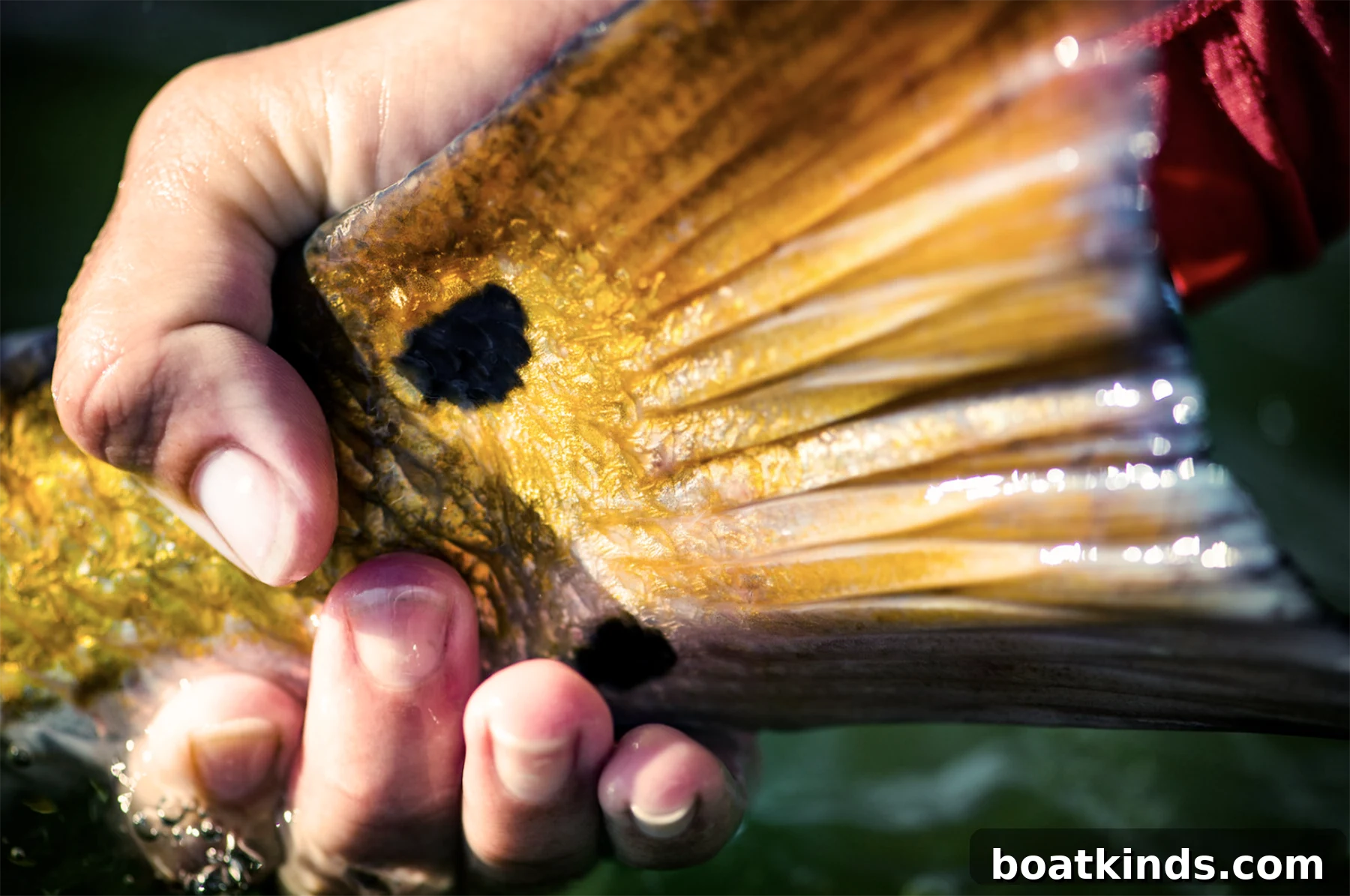
If you’ve never battled a bull redfish on light tackle, you haven’t truly felt what saltwater fight feels like. These stunning gamefish range along the Atlantic coast from Virginia to Florida and throughout the northern Gulf of Mexico. Their deep copper color above a snowy white belly and one or more prominent black spots near the tail distinguish them instantly. Scientists believe the spots help confuse predators that aim for a fish’s head; a predator striking at the tail spots may miss the vital parts and the fish has a better chance to escape.
Large redfish often live offshore and feed on plentiful schools of menhaden—locally called pogy—while smaller members of the species patrol tidal marshes and feed on shrimp, crabs and smaller baitfish. The Delta’s thousands of square miles of marsh habitat create a rich feeding ground that supports both superb fishing and abundant birdlife. It’s one of the rare U.S. places where you can see pink spoonbills, flamingos and white pelicans in significant numbers.
Redfish are a light-tackle angler’s dream because they will aggressively take artificial lures in surprisingly shallow water and fight with bulldog strength that tests gear and angler alike. At times you can sight-cast to tailing reds in a foot or two of water, which is as thrilling as it gets. Spring is prime for the big bulls when schools that winter offshore push back along the outer Delta shores following migrating pogy. When the bait moves, the reds are often close behind.
No Gondolas Here
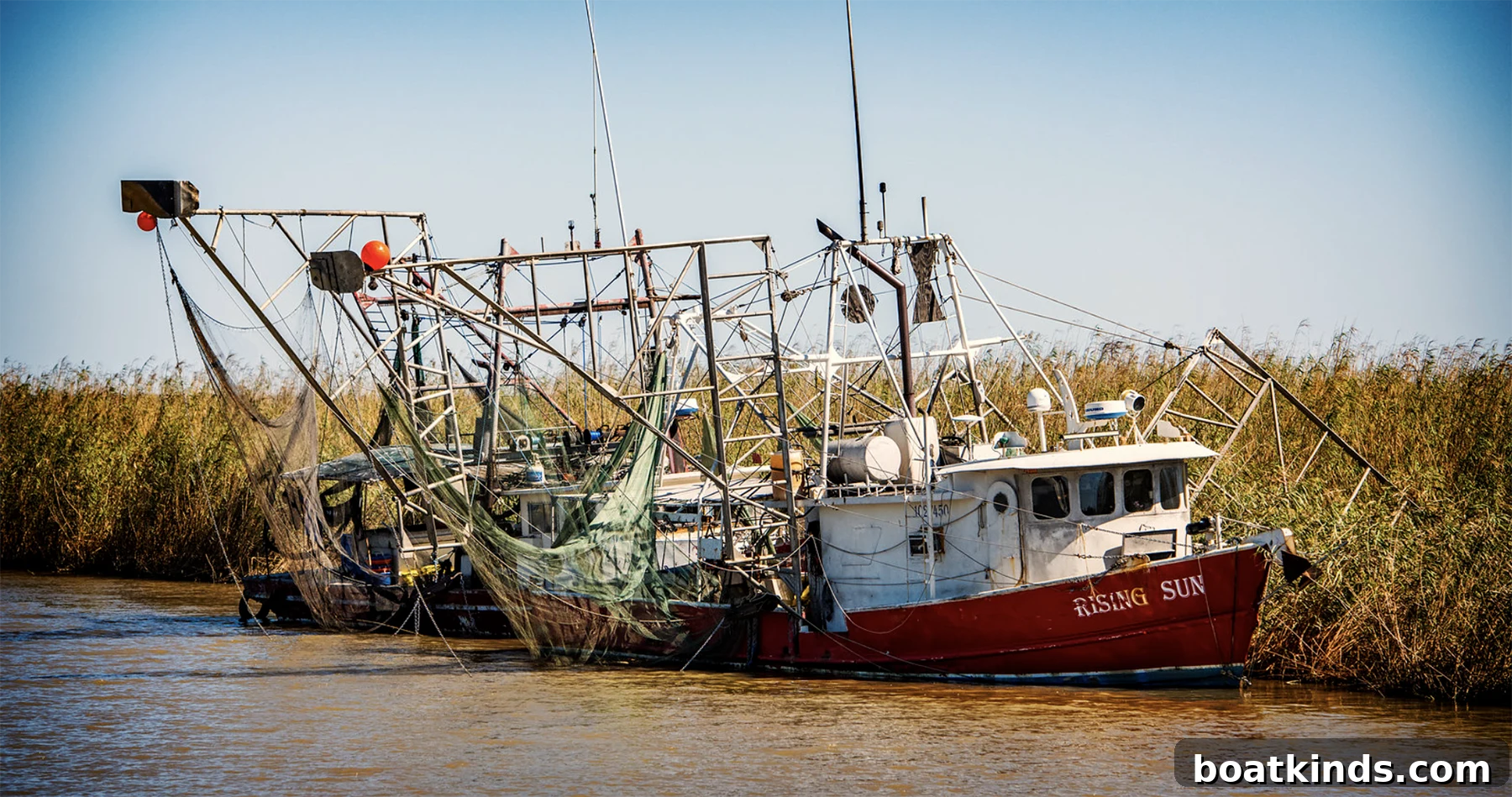
The town of Venice, Louisiana, sits near the end of State Route 23, about a 90-minute drive from New Orleans. It’s a small working town—stores, simple restaurants, equipment yards and docks supporting the fleet of workboats that serve offshore production platforms. It’s also home to Venice Sportsman’s Marina, run by brothers Bill and Mike Butler, who grew up on a Delta island and learned to navigate these waters from childhood. The marina, tucked in a protected harbor beside Tiger Pass and close to the Mississippi’s main channel, provides quick access to both marsh and Gulf fishing.
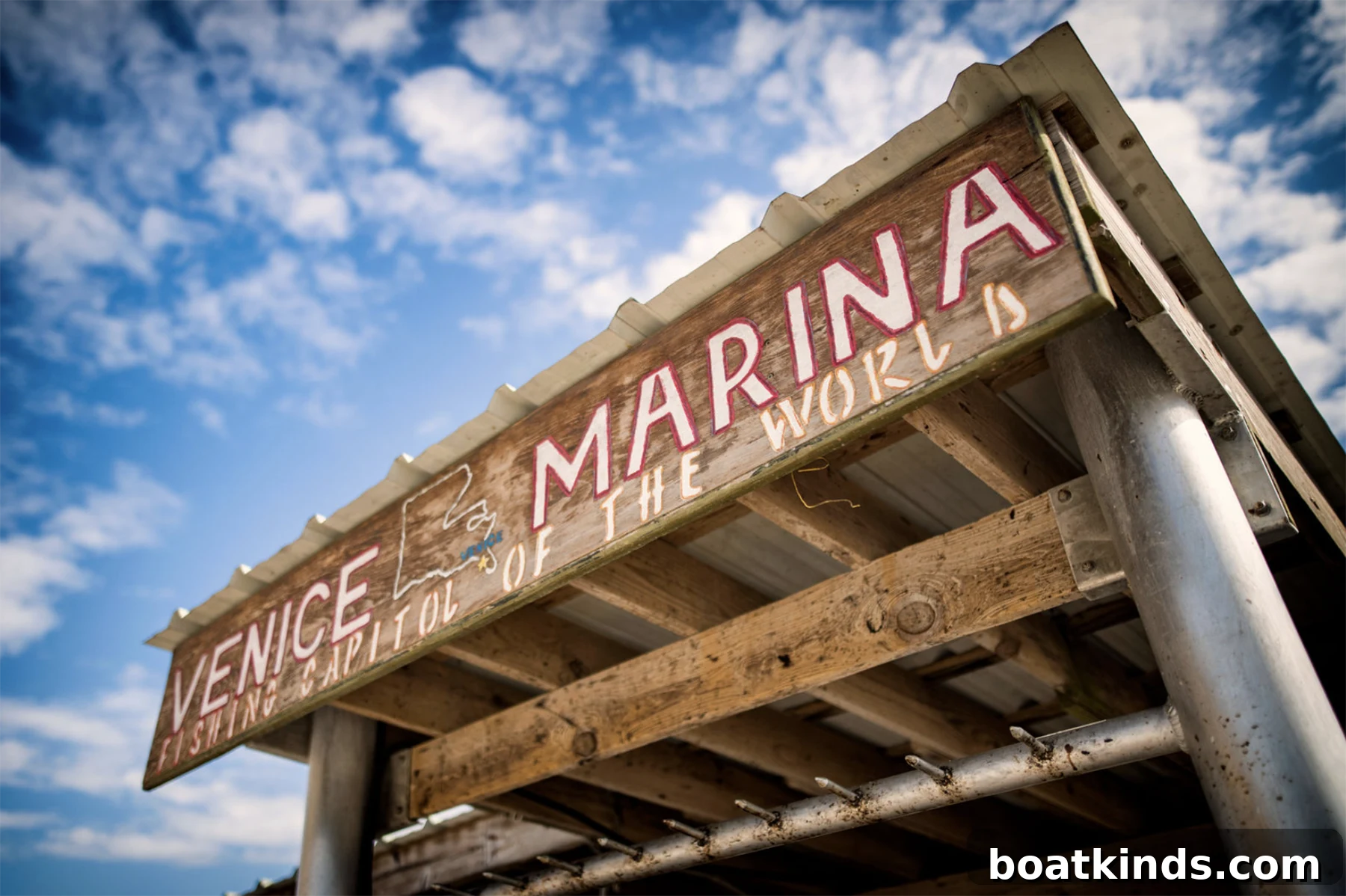
Venice Sportsman’s Marina functions as a full-service base for serious anglers. Slips, launch ramps, fuel, a tackle and bait shop, a convenience store and a restaurant open from early morning into the evening make the marina convenient for multi-day trips. Overnight lodging options include condos, houseboats and cabins, and staff can clean, vacuum-pack and ship your catch. The facility also hosts one of the Gulf’s largest charter fleets—dozens of backwater guides and offshore boats operate from the marina, making it easy to hire a knowledgeable captain or get tips if you’re running your own boat.
If you prefer to boat in, Venice is reachable by highway if your vessel is trailerable, and it’s a reasonable cruise from other Gulf locations for larger boats. On one trip I ran a twin-outboard 30-footer from Tampa, stopping at Port St. Joe overnight, then continuing to Main Pass the next day and arriving in Venice by mid-afternoon. Along the way we caught mahi around weed patches, prepared fresh ceviche for lunch, spotted sea turtles and even a blue marlin in calm water. Fishing out of Venice that week mixed shallow-water redfishing with offshore tuna and a couple nights of great grouper for dinner—an ideal variety of Delta angling.
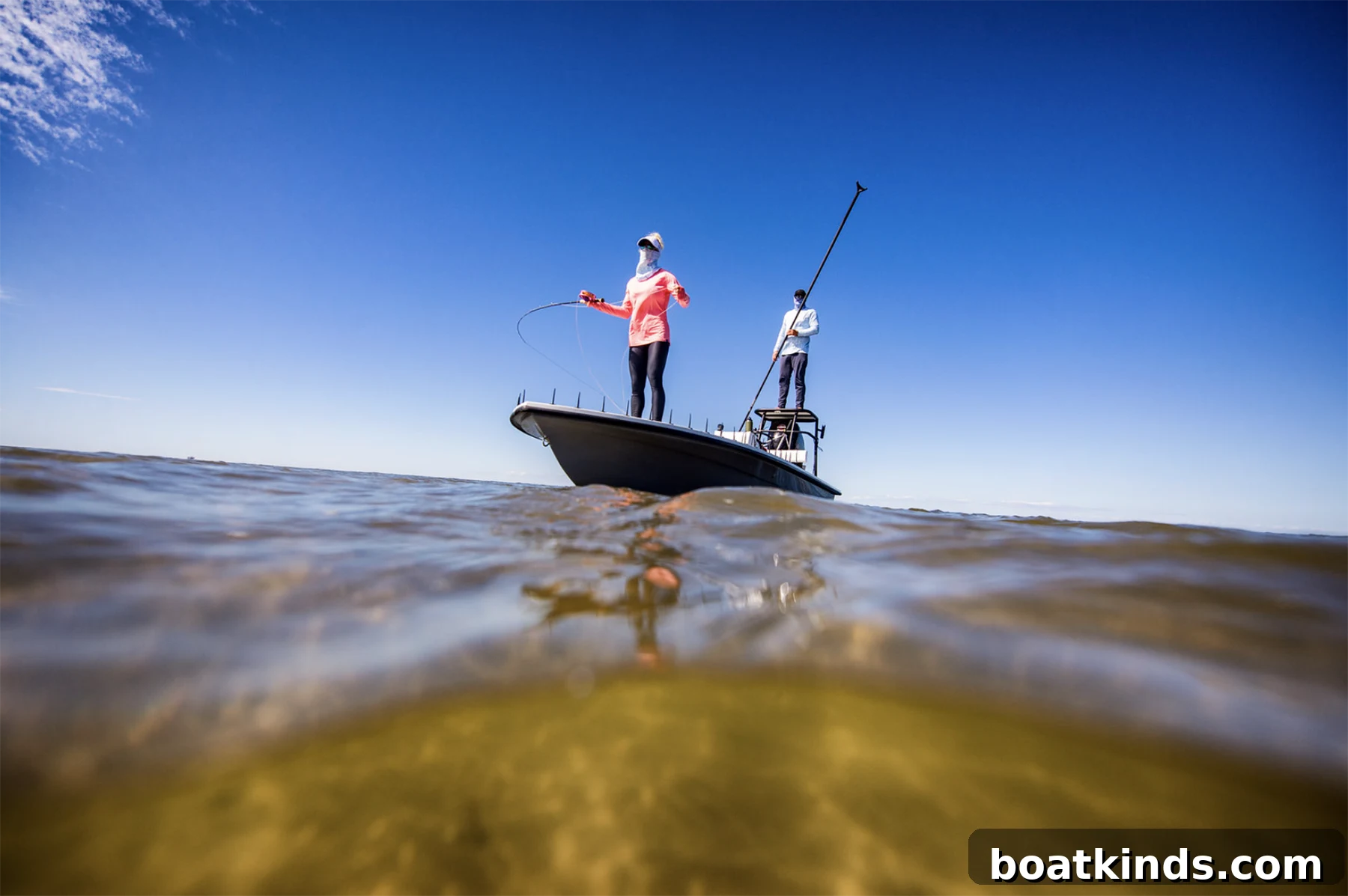
Targeting reds often requires bay boats or small- to midsize center consoles for the skinny water inside the marshes, but in spring the biggest action can happen in open Gulf waters near the Delta where larger boats can participate. This is run-and-gun fishing—find the bait and you’ll likely find the reds. Watch for working birds, surface slicks and marauding gulls; these are reliable indicators of menhaden schools. Bait schools may show up well away from the marshes or along sandbars, jetties and other structure as they migrate, and large reds will follow.
Some of the most productive locations include the mouths of Southwest and South Pass, where extensive jetties and bars concentrate bait and attract bull reds. When a feeding frenzy starts, the water boils with baitfish, seatrout and sometimes spinner and blacktip sharks leaping and slashing at the surface. Other consistent hot spots include Batiste Collette Bayou, Deepwater Point, Breton Island and California Point, among many others. Local charter captains and guides are excellent resources for finding the current hot areas if you’re unfamiliar with the Delta.
Necessary Gear
Safety and navigation are paramount when running the Delta. Carry a full complement of safety gear and alternate communications—cell service is spotty and VHF range can be limited. Keep your chartplotter updated because many areas that look fishable are shallower than they appear; in this region 10 feet of water is often considered deep. Even with a shallow-draft bay boat you’ll encounter dead ends, obstructions and mudflats.
Tackle needs are straightforward. A 7’6″ light- to medium-action spinning or casting rod paired with a smooth-drag reel that holds 300 yards of line will cast light jigs and popping cork rigs well and provide the flex needed to tire big reds without breaking line. Use braid or monofilament in the 12- to 20-pound range. Lures that work consistently are 1/2- to 3/4-ounce jig heads dressed with soft-plastic bodies; the same rigs work under a popping cork—a brightly colored foam cork that pops and clacks to attract strikes. Fly anglers will find spring ideal for breaking out an 8-weight with a 12-pound tippet and patterns such as Clouser Minnows, Lefty’s Deceivers and Chernobyl Shrimp in natural shrimp and baitfish colors tied on 1/0 hooks.
When planning a trip, start by contacting the marina or the guides who work out of Venice Sportsman’s Marina for up-to-date local knowledge and charter options. Fish the Delta once and you’ll understand why anglers return year after year.
This article was originally published in the April 2023 issue.