
Fishing Boat Recovered After Sinking: Trawler Hauls in Surprising Catch off Mooloolaba
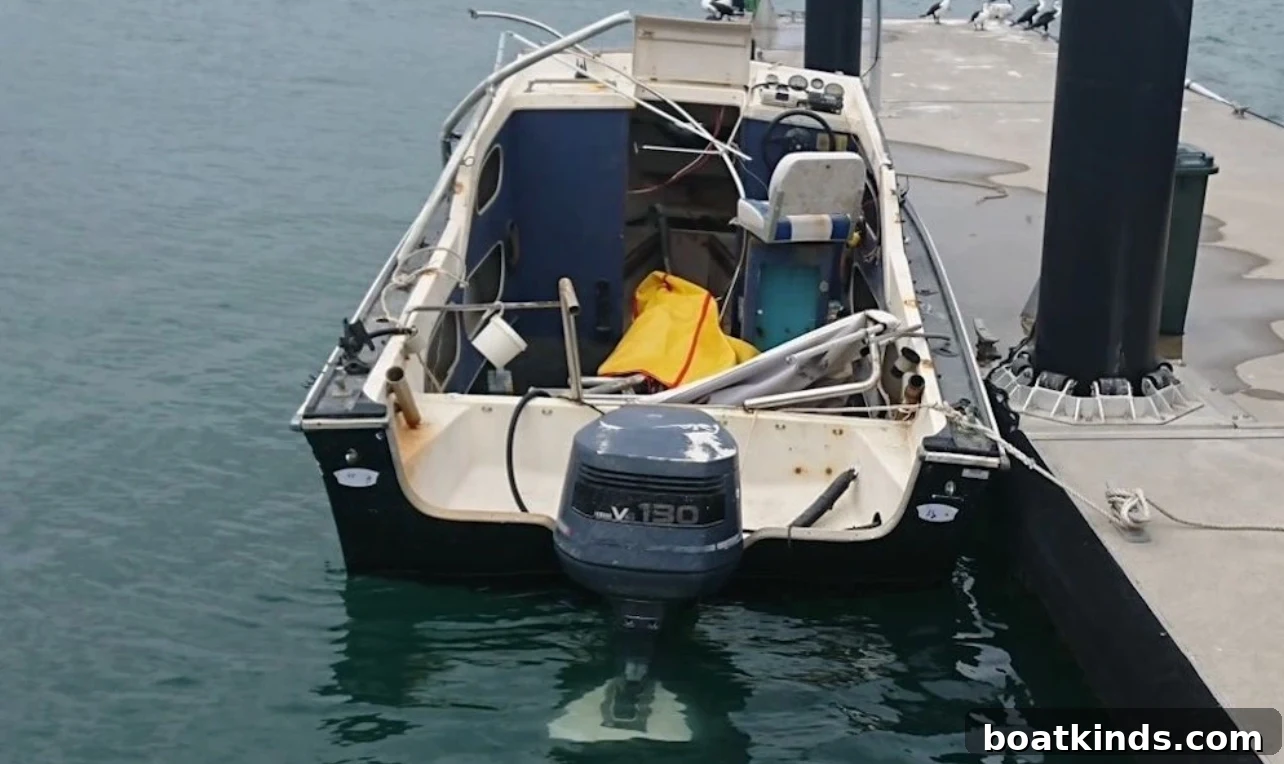
Commercial fishermen working off the coast of Mooloolaba in Queensland recently experienced an unexpected turn of events when their trawl net hauled up more than just fish. What initially looked like a large catch turned out to be a sunken fishing boat that had been missing since it sank several weeks earlier. The discovery has drawn attention to both the unpredictability of life at sea and the life-saving value of emergency equipment such as EPIRBs and inflatable PFDs.
How the Boat Was Found
The vessel recovered by the commercial trawler belonged to two fishermen whose boat sank approximately 20 nautical miles off Mooloolaba in August. After their boat went down, the pair made emergency calls over the radio and activated their Emergency Position Indicating Radio Beacon (EPIRB). A search and rescue response followed, and the Coast Guard located the two men clinging to an ice chest while wearing inflatable personal flotation devices. Thanks to those emergency measures, both men were rescued.
Unexpected Recovery by a Trawler
Weeks after the sinking, a commercial trawler operating in the same waters hauled its nets and brought an unusual object to the surface: the sunken fishing boat. The trawler crew realized immediately that their catch was not marine life but a previously lost vessel. Salvage crews worked to refloat and stabilize the recovered boat so it could be towed back to shore. Against the odds, the vessel was successfully returned to port and is now moored at the Water Police pontoon.
Why This Recovery Matters
Recoveries like this are rare, and they highlight several important points for anyone who spends time on the water. First, the incident underscores the effectiveness of emergency signaling devices such as EPIRBs. When activated promptly, these devices relay a distress signal to search and rescue authorities, greatly improving the odds of a successful rescue. Second, wearing appropriate flotation — in this case, inflatable personal flotation devices — can mean the difference between life and death while awaiting rescue. The two fishermen’s survival illustrates how preparedness and quick action can save lives.
Salvage and Safety Considerations
Raising a sunken vessel presents logistical and environmental challenges. Although specifics of the salvage operation were handled by the trawler’s crew and local authorities, the successful refloating and return to port demonstrate coordination between commercial mariners and emergency services. Recovering a boat intact enough to refloat is not always possible, so this outcome was fortunate for the original owners.
Community Response and Final Placement
After the boat was recovered and transported back to shore, it was delivered to the Water Police pontoon, where it remains secured. The presence of the vessel there allows authorities to inspect it and complete any necessary procedures related to the sinking and salvage. For the two fishermen who were rescued in August, the unexpected return of their boat is likely a poignant reminder of both loss and recovery.
Lessons for Boaters and Fishermen
This incident off Mooloolaba serves as a reminder for all recreational and commercial mariners to maintain working emergency equipment, keep communication devices on hand, and know how to respond if things go wrong. Carrying and correctly using an EPIRB, wearing suitable flotation, and following established distress protocols all contribute to safer outcomes when accidents occur at sea. Cooperation between commercial crews and rescue services can also play a crucial role in locating people and, occasionally, in recovering lost vessels.
While the sea can be unpredictable, the combined actions of the fishermen, the Coast Guard, and the trawler crew in this case produced an unexpectedly positive result: two men rescued and their boat returned to port. The incident will likely be remembered locally as an extraordinary example of survival, teamwork, and the value of emergency preparedness on Queensland waters.