
U.S. Electric Powerboating Picks Up Speed: Navier, Pure Watercraft, Arc and GM Make Big Moves
Over the course of a single week last November, three separate announcements signaled that electric powerboating in the United States is moving from niche to notable. Startups and established manufacturers alike revealed new investments, partnerships and product plans that suggest a shift toward electric propulsion, hydrofoiling platforms and even autonomous capability on recreational boats.
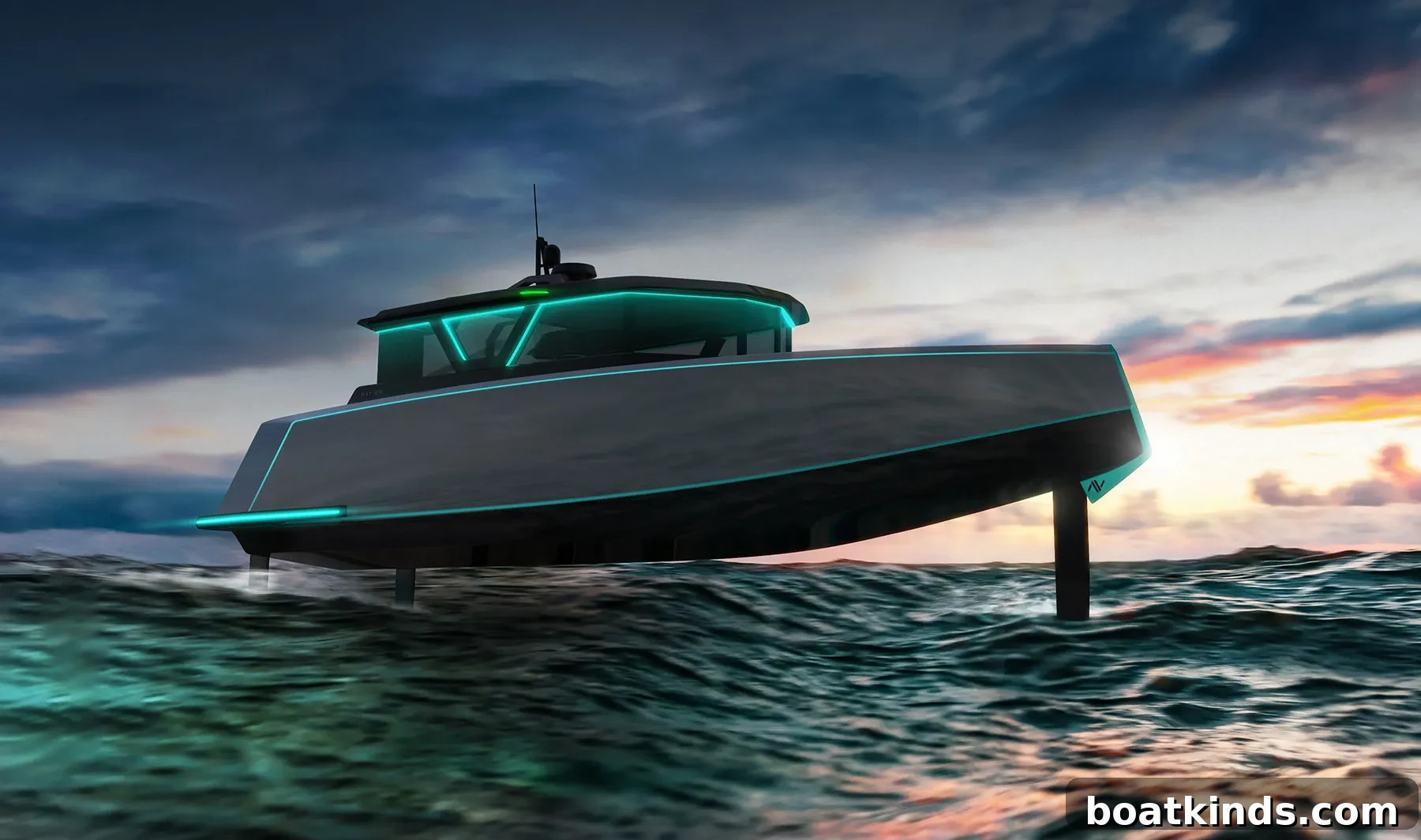
First came Navier, a Silicon Valley startup, which revealed a partnership with Maine’s respected Lyman-Morse boatyard to build a fully self-driving, electric hydrofoiling boat. The visually striking Navier design resembles several Scandinavian electric foilers already in development, but the company has set ambitious performance goals: a reported range of 75 miles while cruising steadily at 20 knots, the capacity to fly up to four feet above waves, and aerospace-derived stabilization systems that underpin its self-driving claims. Navier says the 27-foot model is intended for multiple uses, including fishing, waterskiing, family outings and serving as a yacht tender.
Navier’s leadership brings strong technical credentials. Co-founders Sampriti Bhattacharyya and Reo Baird both hold advanced engineering backgrounds and domain experience relevant to hydrodynamics and autonomy. Bhattacharyya, who serves as CEO, has a PhD in mechanical engineering, hydrodynamic design experience and has worked on flight control systems at NASA. CTO Reo Baird holds degrees in aerospace and electrical and computer engineering, brings marine industry experience, specializes in autonomous systems and has logged more than 10,000 ocean miles. For hydrofoil design expertise, Navier tapped naval architect Paul Bieker of Seattle’s Bieker Boats, notable for his role as principal design engineer on Oracle Team USA during the 2017 America’s Cup.
Lyman-Morse’s involvement lends manufacturing credibility to the Navier program. The boatyard will build pre-production examples and produce a small run of Navier 27s for early buyers participating in Navier’s Pioneer Program. The company planned to unveil the 27 at the Fort Lauderdale International Boat Show in October 2022.
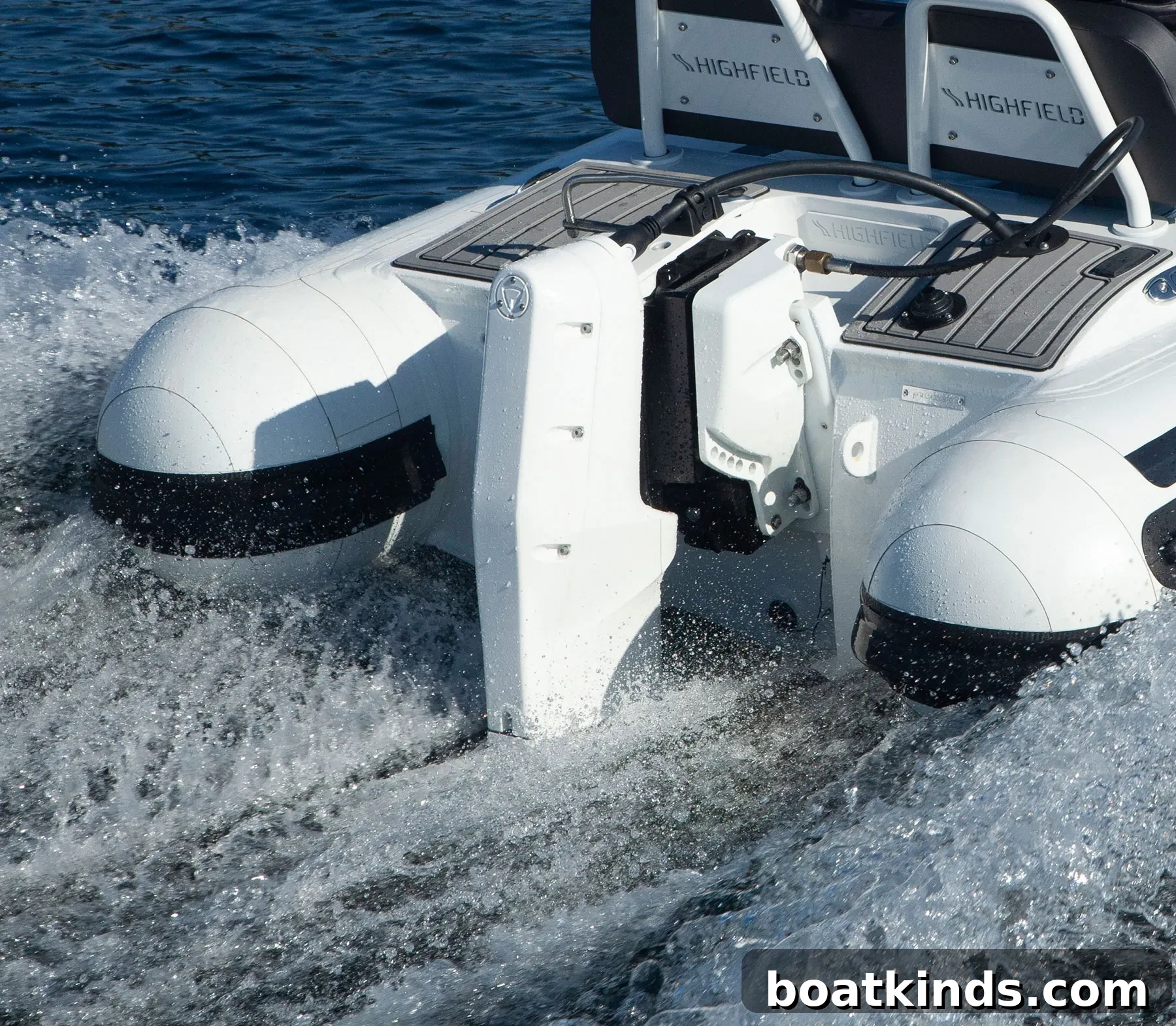
In Seattle, Pure Watercraft — a company focused on all-electric outboard systems and boat partnerships — announced a major strategic investment from General Motors. GM acquired a 25 percent stake in Pure Watercraft through a $125 million cash investment and committed engineering, supply-chain, manufacturing and EV know-how to the partnership. Pure Watercraft already produces an electric outboard system, including a 50-hp Pure Outboard that the company says can support a nearly four-hour, 20-mile fishing trip while leaving a margin of power reserve. GM framed the investment as part of its broader plan to invest $35 billion in electrification through 2025, and the companies said they will collaborate on developing battery technologies and integrating GM systems into a variety of applications.
Meanwhile, Los Angeles-based Arc Boat Company — a startup founded by former Tesla and SpaceX engineers — disclosed a $30 million funding round featuring celebrity investors such as Will Smith, Kevin Durant and Sean “Diddy” Combs. Arc’s immediate product focus is a limited-edition, luxury 24-foot model called the Arc One, a purpose-built aluminum hull powered by bespoke battery packs. The company describes the Arc One as delivering 475 horsepower, a top speed near 35 knots and three to five hours of runtime on a single charge, and plans to produce fewer than 25 units of this initial model. Arc’s founders say the platform suits watersports enthusiasts and that early prototypes have already demonstrated wakeboarding and waterskiing capability. The company has framed the Arc One as a first step toward wider electrification of marine craft across different price points and uses.
Taken together, the Navier, Pure Watercraft and Arc announcements reflect multiple routes into electric boating: advanced hydrofoiling designs with autonomous systems, electric outboard propulsion paired with major automotive partner resources, and high-performance, purpose-built electric boats aimed at watersports and luxury buyers. Each approach addresses different buyer priorities — range and autonomy, mass-market manufacturing and battery scale, or performance and niche desirability — but all contribute to a broader industry shift toward zero-emission propulsion and new technology platforms on the water.
Whether these products and investments will rapidly grow consumer adoption of electric boats in the U.S. remains uncertain. Challenges such as charging infrastructure, cost parity with gasoline-powered boats and consumer perceptions will influence how quickly electric boating expands. Still, the level of capital, strategic partnerships and technical ambition on display suggests the industry may be approaching a turning point similar to where electric cars stood less than a decade ago.
This article was originally published in the February 2022 issue.