
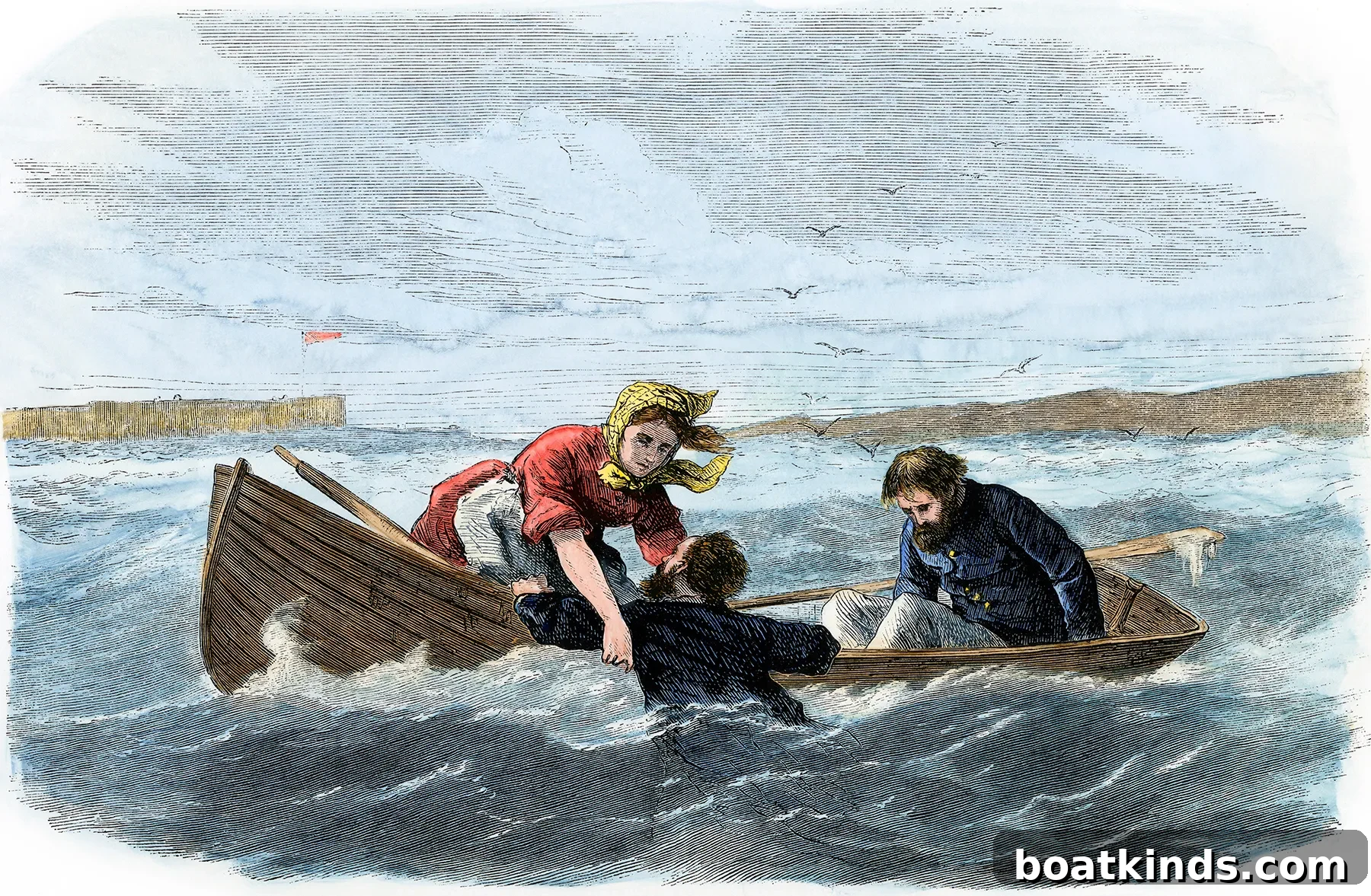
Idawalley Zoradia Lewis was roughly 12 years old when she performed her first rescue at sea, beginning a lifetime of bravery and service that would make her a celebrated figure in Newport, Rhode Island. Her father, Hosea Lewis, was a retired captain who had taken the post of keeper at Lime Rock Light, the small lighthouse that guarded a dangerous stretch of ledges in Newport Harbor. Just months after the family moved to the island, Hosea suffered a stroke. With her father incapacitated and her mother responsible for the household, Ida stepped into the essential, demanding duties that kept the light burning and sailors safe.
As lighthouse keeper-in-training, Ida learned to tend the lamp twice a night—lighting it at dusk and checking it again at midnight—to ensure the beam warned mariners away from The Lime Rocks, a chain of limestone ledges located about 900 feet from shore. Newport Harbor in the mid-19th century was a bustling maritime crossroads, crowded with steamships and sailing vessels alike; it was a major port and a summer retreat for the well-to-do. Against that busy backdrop the risks were real, and Ida’s responsibilities extended beyond the lamp. She rowed her younger siblings to school each day and ferried supplies back to Lime Rock Island, developing the seamanship and stamina that would prove lifesaving.
In the autumn of 1854, Ida put those skills to immediate use. She watched four men capsize from a sailboat nearby, leapt into a rowboat, and pulled them back aboard—her first recorded rescue. That event marked the beginning of a long record of lifesaving acts. Depending on which historical accounts are referenced, Ida Lewis eventually rescued between 18 and 36 people from peril on the water. Her rescues ranged from pulling shipwrecked sailors from stormy seas to, on occasion, braving freezing conditions to reach victims who had fallen through ice. One notable episode involved two soldiers who capsized while attempting to row to Fort Adams during a storm; grateful comrades at the fort collected $218 to thank her, a substantial sum for the time. In 1881, after another daring rescue in which she saved two soldiers who had broken through the ice, Ida received the Gold Lifesaving Medal from the U.S. Coast Guard in recognition of her courage and skill.
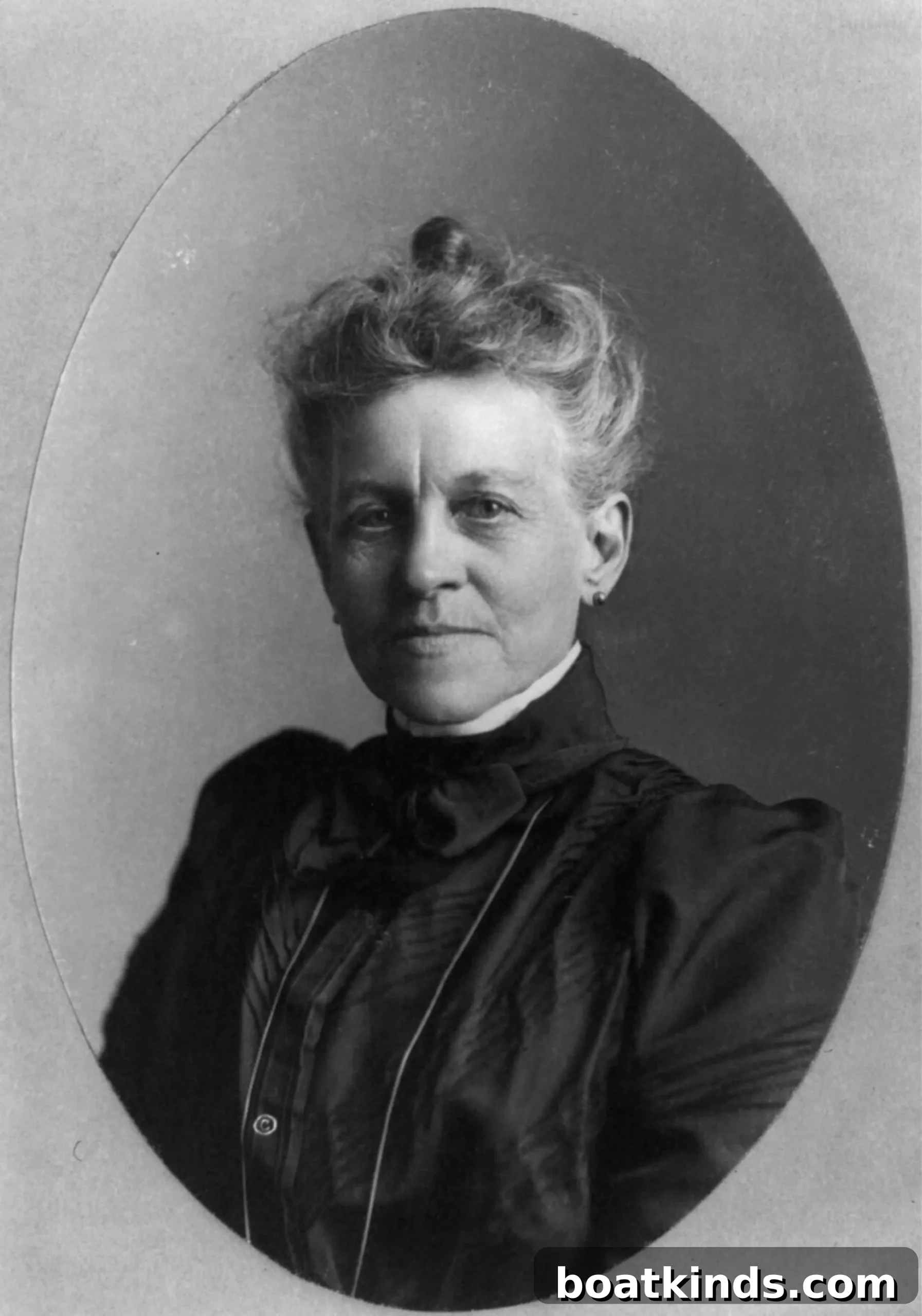
After her father’s death, the keeper’s title passed to her mother, and later to Ida herself. She served as the lighthouse keeper for many years, carrying on the family’s duty to protect mariners. Her last recorded rescue occurred when she was 63 years old, a testament to decades of vigilance and physical endurance. Ida’s reputation for heroism brought her national attention; she was featured on the cover of Harper’s Weekly and in newspapers such as The New York Tribune, and contemporaries sometimes called her the bravest woman in America. Even as praise and publicity followed, she continued to perform her duties without fanfare until she suffered a fatal stroke while on duty in 1911 at the age of 69.
The legacy of Ida Lewis endures in the structure she tended. The former Lime Rock Light is now commonly known as Ida Lewis Lighthouse and serves as the clubhouse for the Ida Lewis Yacht Club. The building itself is listed on the National Register of Historic Places, recognized for its historical significance and its association with one of Newport’s most famous keepers. The yacht club’s burgee—a small, triangular flag—displays a blue lighthouse surrounded by 18 white stars arranged in a cross, symbolizing the number of lives she officially saved.
This article was originally published in the July 2022 issue.