Preparing to Go Offshore: Lessons from a South Pacific Circumnavigation
In 2018 Jeff Bolster and his wife, Molly, left Portsmouth, New Hampshire, aboard their Valiant 40, Chanticleer, intending to circumnavigate. After stops in the Caribbean, Panama, the Galápagos, French Polynesia, the Cook Islands and Tonga, they reached New Zealand to wait out the South Pacific cyclone season. Then the Covid‑19 pandemic interrupted their plans. Rather than sit idle, they cruised New Zealand’s northern coast for 19 months before leaving the boat and flying back to the U.S. Jeff and Molly planned to return to the boat in late 2022. These reflections on how they managed a voyage of a lifetime are part of a series; this is the second installment.
Long offshore passages put you far from repair facilities and spare parts, so preparation needs to be thorough. Before you leave, service every system you can and assemble a practical inventory of spares and consumables. Even for short coastal trips it’s wise to carry basic tools and replacement parts; for extended, remote passages the list gets longer and more deliberate. Check halyards and lines for UV damage, consider upgrading legacy electronics like an older VHF, and stock adhesives, lubricants and penetrating fluids for repairs and maintenance underway.
When the sun sets and land disappears for days or weeks, you naturally take stock: is the crew ready, is the vessel prepared, and are the systems reliable? For me, that first sunset outward bound is a brief but serious checkpoint—then the excitement of the voyage takes over. The essentials for a small boat on a long passage are few but critical: keep the seawater out, maintain steering, and retain propulsion. Many comforts can fail for a while—a refrigerator, pressurized water, or onboard lighting—so long as you have manual bilge pumps, a way to access potable water from tanks by hand, and dependable flashlights.
Redundancy in navigation and power is also vital. A stand‑alone battery‑powered GPS, independent of the boat’s electrical system, can get you where you need to go; alternatively, traditional celestial navigation with a sextant, accurate timepiece and navigation tables still works. Without electricity you lose radar, AIS, running lights and some communications, so watch procedures and lookout duties must be heightened to compensate.
Anticipate likely failures and run through “what if” scenarios in your head and on paper. What if a sail rips, an alternator quits, the engine won’t start, or the galley stove fails? Diagnose what you can, carry spares where practical, and have contingency plans to manage without a failed system for days or weeks. We treated these possibilities seriously and, with careful prep, avoided major failures during our long trip—though we did lose a windlass gypsy later on, and mercifully that happened in New Zealand rather than a remote atoll.
Redundant systems help you sleep at night. Before the South Pacific leg we could charge batteries with solar panels, the engine alternator and the generator’s charger. If one source faltered, the others would keep the house running. Our mechanical Monitor wind vane handled most offshore steering, backed up by an electronic autopilot. We left with a new genoa and a spare, plus ample sail repair materials. The principle is simple: don’t put all your eggs in one basket.
Prepare at multiple levels: major upgrades and small maintenance tasks alike. We replaced standing rigging before the New Zealand passage and routinely changed fuel filters. Equally important is testing your work in real conditions; a pressure hose on the dock won’t reveal a hatch gasket’s performance in a steep seaway. After replacing sun‑damaged Lewmar hatches we discovered leaks pounding to windward and had to redo the bedding—an inconvenient but necessary step toward reliability.
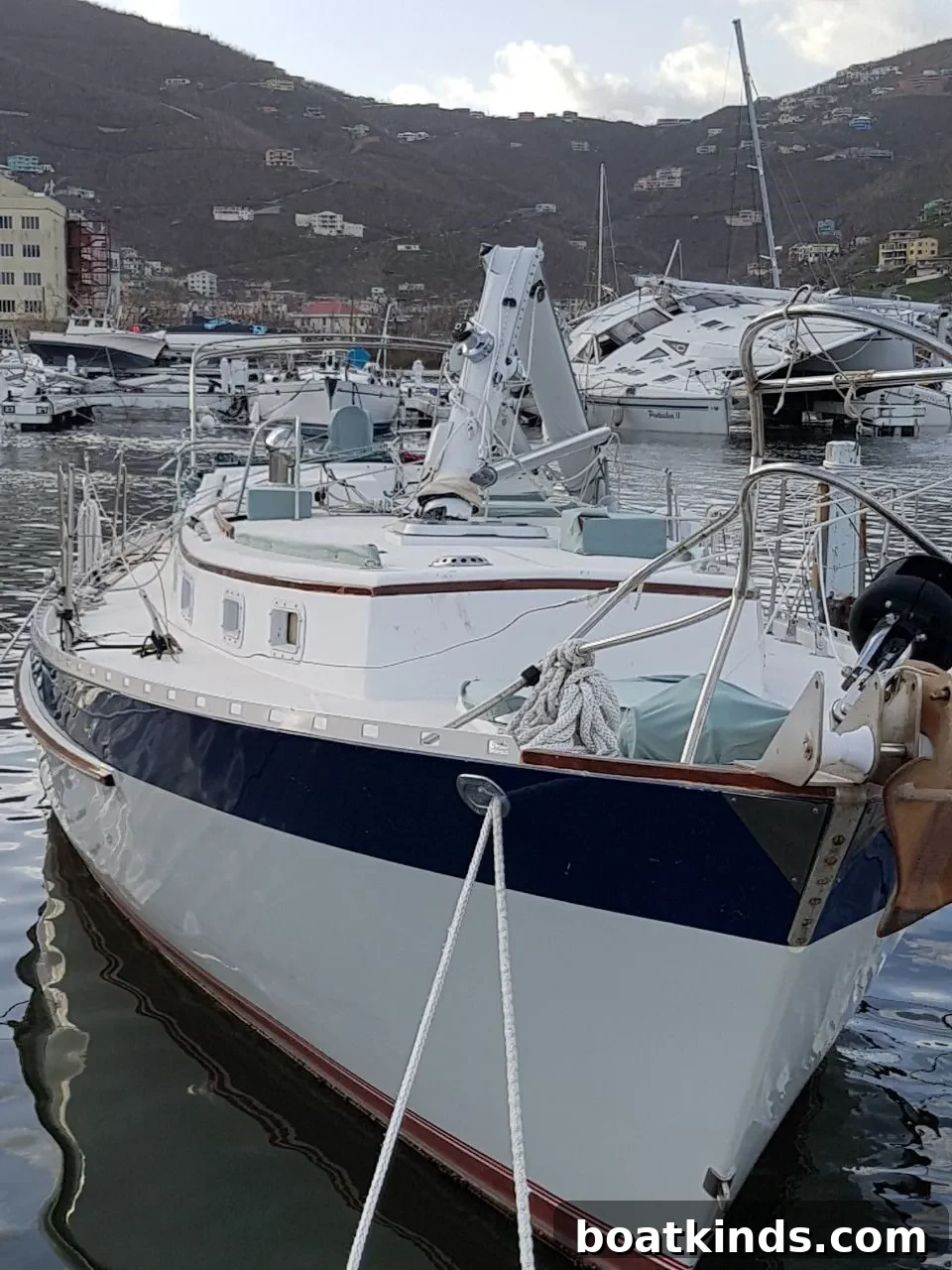
Our boat’s history reinforced that lesson. Chanticleer spent time in Tortola in the path of Hurricanes Irma and Maria and suffered dismasting and other damage. The long recovery period forced systematic upgrades we might otherwise have deferred. That investment paid dividends during 33 months underway, with no major failures except the windlass gypsy.
Shopping for safety and redundancy can be satisfying and pragmatic. Before leaving New Hampshire we purchased items such as a rechargeable remote jump starter for the engine and an Iridium Go satellite hotspot through PredictWind for voice calls, email and weather downloads—equipment we used daily. Assemble a comprehensive medical kit and a ditch bag, stock tools and emergency spares, and collect paper charts and cruising guides to back up electronic navigation. We found Admiralty charts bought at Islamorada useful in remote parts of the South Pacific; in several cases paper charts and local knowledge proved more reliable than electronic charts.
Health preparation matters as well. Make sure vaccinations and preventive medicines for tropical illnesses are current. In Tahuata, one of the Marquesas, a local nurse told us elephantiasis was still endemic; a once‑yearly preventive pill was available and we took it gladly.
Preparing a deep‑sea boat for a small crew requires thoroughness, patience and a clear focus on the goal. Test systems, plan for redundancy, learn basic diagnostics and carry pragmatic spares. Do the work before you leave: your greatest regret may be not making the voyage you dreamed about because you failed to prepare.
This article was originally published in the November 2022 issue.