
Before we ever saw one in person, the word “cala” painted a magical picture in my mind. Formed by ancient rivers, calas are sheltered coves of turquoise water and white sand, hemmed in by steep cliffs. Mallorca — where we spent a week on charter — is rich with these sheltered bays. My partner Michaela and I thought a cala would be the perfect place to introduce our one-year-old daughter, Sarah (on her first proper charter), to the Mediterranean. When we dropped anchor in our first cala, Cala Màrmols, on the first full day of sailing about 30 miles from the Navigare Yachting base in Palma, we were speechless.
Sailing Mallorca’s southeastern coast, we left Palma’s high-rise hotels and busy beaches behind and watched the landscape become more rugged and wild. Rounding the island’s southern tip along a forbidding rocky shoreline, a sudden cleft in the cliffs revealed Cala Màrmols. Màrmol means marble in Spanish — a name earned by the 60-foot marble cliffs cradling a pristine bay of powdery white sand and water so strikingly blue it felt otherworldly.
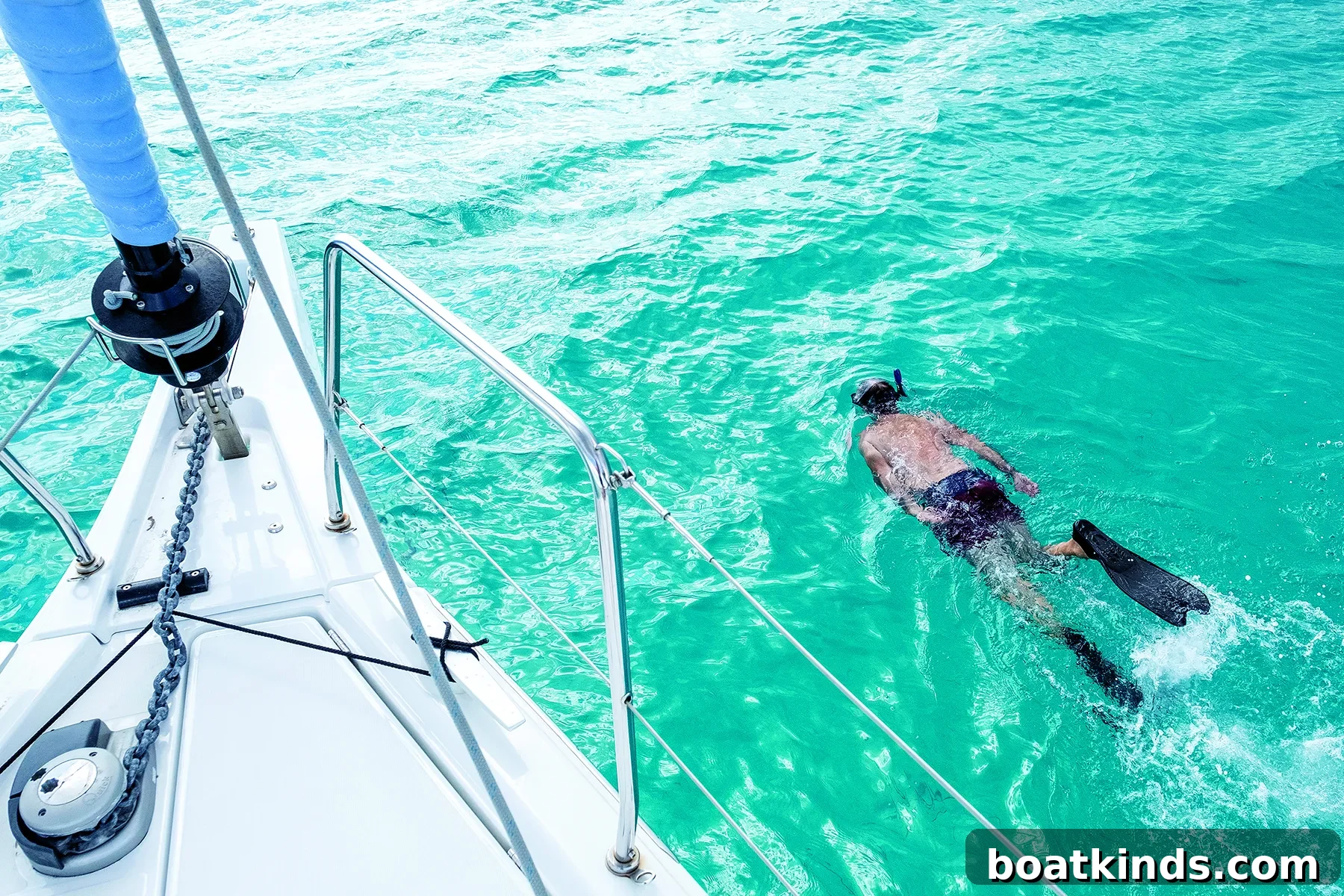
Reaching Cala Màrmols by land requires a long drive on narrow roads from Palma and a 3-mile hike, so arriving by boat felt like stumbling into untouched wilderness. After anchoring on the sandy bottom — sharing the bay with only one other boat — Michaela and Sarah made a little beach camp and built sandcastles while my crew-mate Ian and I explored the trails behind the beach with a GPS, food, and water. The hike passed scented juniper, mastic bushes, and Aleppo pines and rewarded us with sweeping views of the Mediterranean and a distant glimpse of Cabrera Island, our next stop.
That September week of sailing in Mallorca — part of the Balearic Islands with Menorca, Ibiza, and Formentera — was an ideal mix of wild coastline and sheltered anchorages. With 344 miles of coastline much of it undeveloped, Mallorca is a charterer’s dream: countless calas, secure sandy bottoms for good holding, and shelter from many wind directions. The biggest challenge is deciding how much to see without trying to do it all.
Getting Started
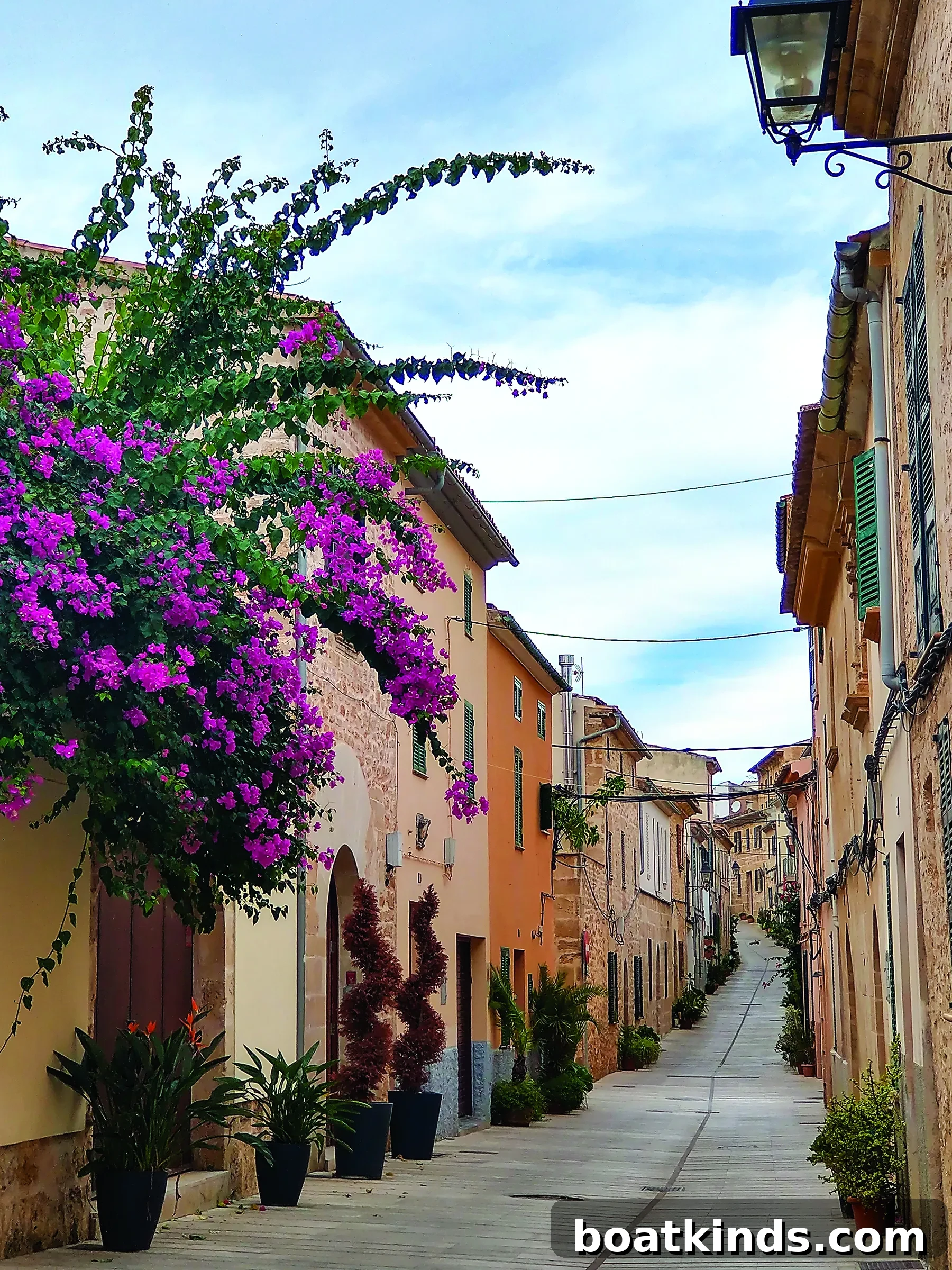
Most charters begin in Palma, and ours did too. Palma’s ancient, south-facing port city boasts a medieval quarter of narrow streets, ornate fountains, vibrant outdoor restaurants, and historic architecture — most notably the 13th-century Gothic cathedral overlooking the bay.
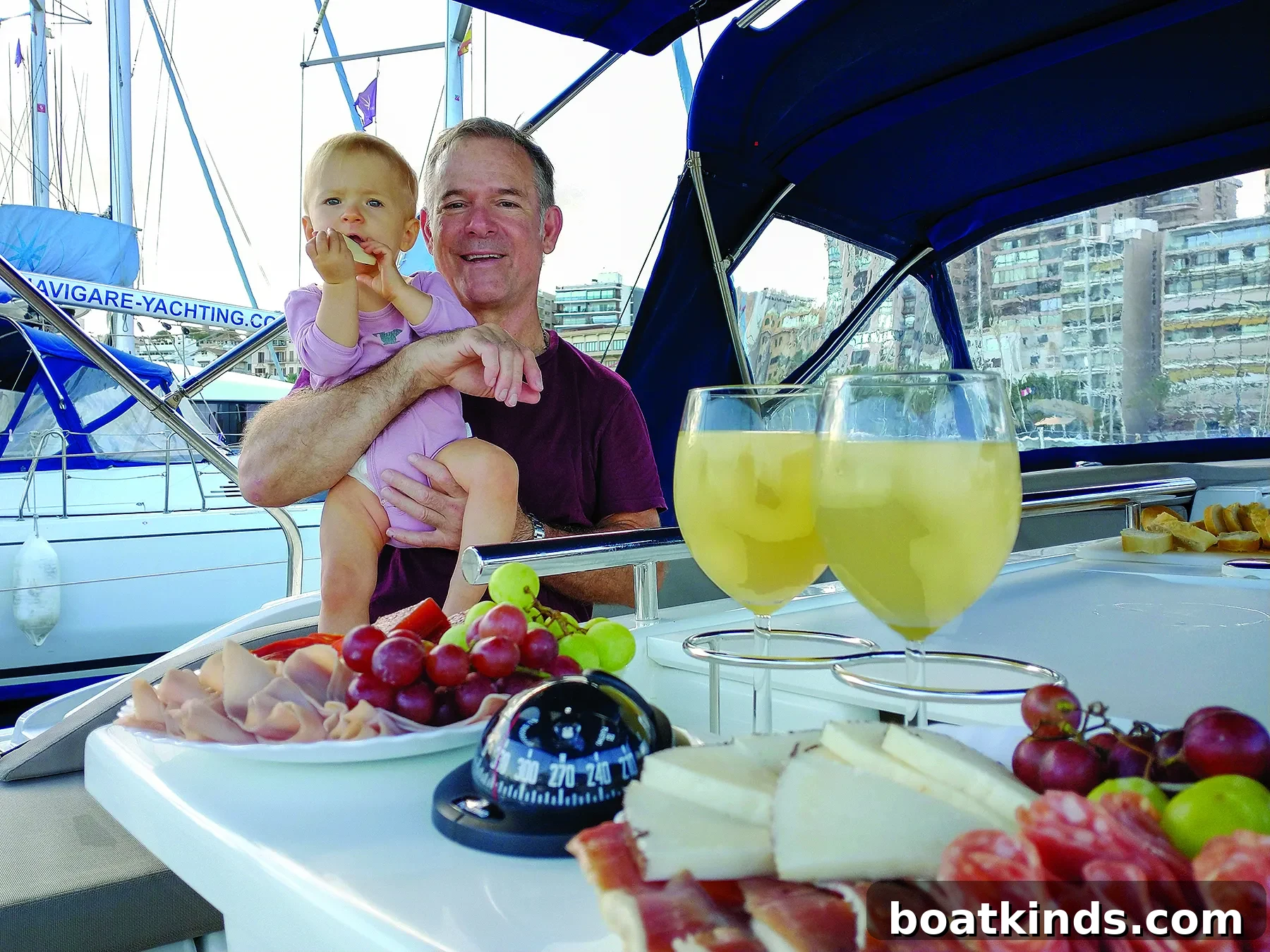
We chartered a 2022 Beneteau Oceanis 46.1 through Navigare Yachting, conveniently located within walking distance of Palma’s center. The boat was new and well-equipped, and the crew appreciated the thoughtful welcome tray with local snacks and chilled beverages. Free Wi‑Fi on board proved particularly useful for checking shifting weather and thermal winds, which are common in Mallorca and can change direction depending on time of day and location.
In September the thermals typically ease, but we still found plenty of steady, if shifting, wind most days and rarely had to motor. We avoided the stronger storms the Mediterranean can produce, though I’ve had my share of rough weather in other seasons and regions, so careful planning and weather-watching are essential.
Although our original idea was to circumnavigate Mallorca, the seven-day charter made that unrealistic and unsafe, especially along the exposed northwest coast where safe harbors are scarce. Instead we focused on the southern coast east and west of Palma. Beyond Cala Màrmols lie many tempting coves, but not all are suitable for anchoring — some are restricted for swimmers or require stern anchors — so research and local knowledge are vital.
Blue Caves and Beaches
From Màrmols we sailed about 12 nautical miles south to the Cabrera Archipelago, a national park of 19 islands and islets. The sheltered anchorage on the north side of the main island offers protection in most wind directions — a welcome feature in an area where winds can shift quickly. We had reserved a mooring ball and secured the park permit in advance, which I recommend since availability and prices can vary by date.
On shore, park rangers provided maps and details about guided tours by kayak and on foot. Following their advice, we hiked the eastern shore, found a quiet sandy spot for a picnic (Sarah immediately approved by pointing and saying “dis da”), and snorkeled among lush seagrass in search of loggerhead turtles. We didn’t spot any turtles, but swimming through the emerald seagrass was a peaceful escape from the intense Mallorcan sun.
We then climbed to Fort Cabrera, a 16th-century fortification on one of the island’s highest points, to take in sweeping views of Cabrera and Mallorca. Cabrera also has a somber history: during the Peninsular War, thousands of prisoners were left on the island for years, and many did not survive.
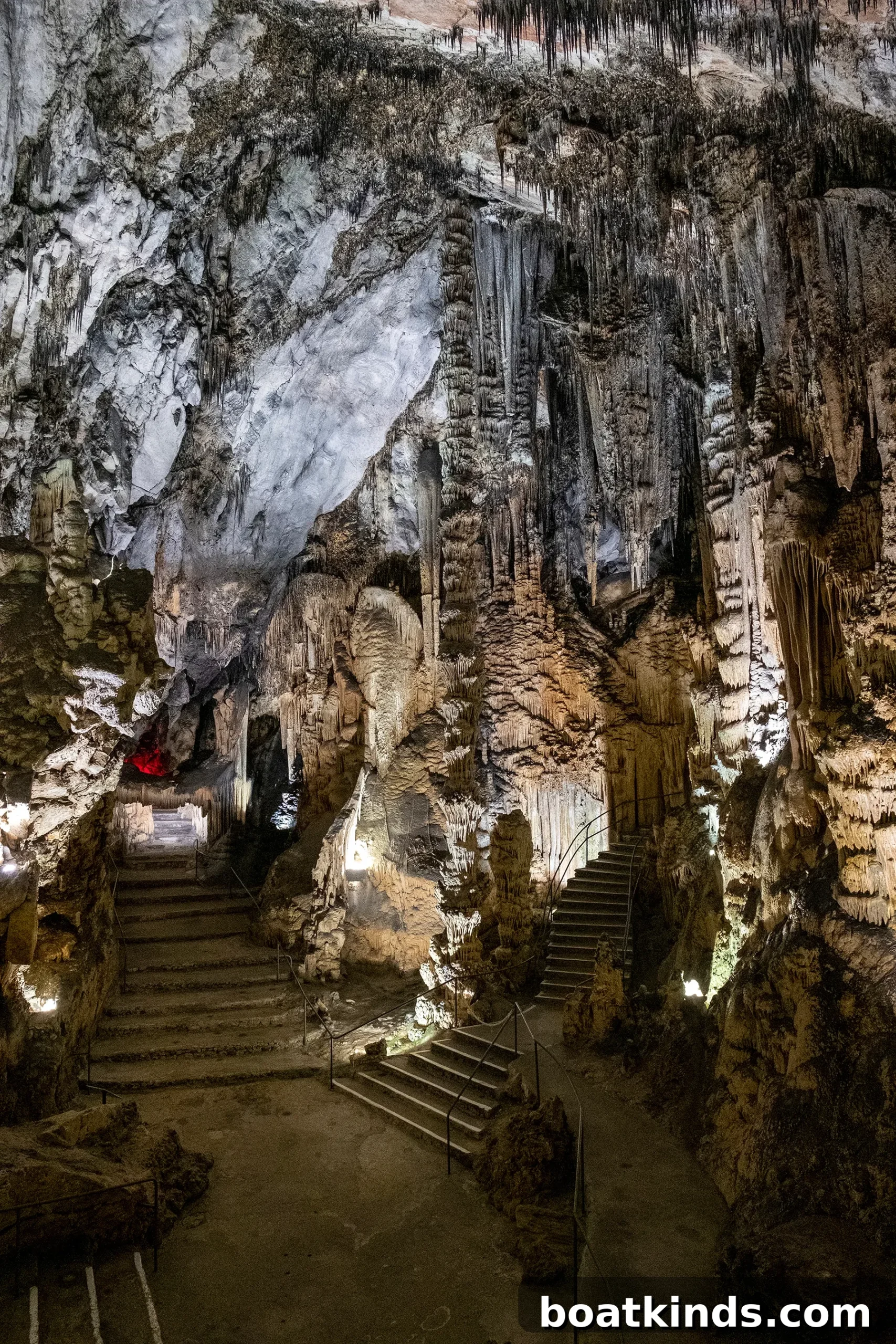
A highlight was the Cova Blava (Blue Cave). The late-afternoon sun lights the cave’s clear waters into a breathtaking blue — best experienced by dinghy on a calm day. Note that large portions of Cabrera are strictly protected; we learned this the hard way when rangers intercepted us after we unknowingly crossed a restricted boundary. A sincere apology and a cute toddler smile spared us a fine.
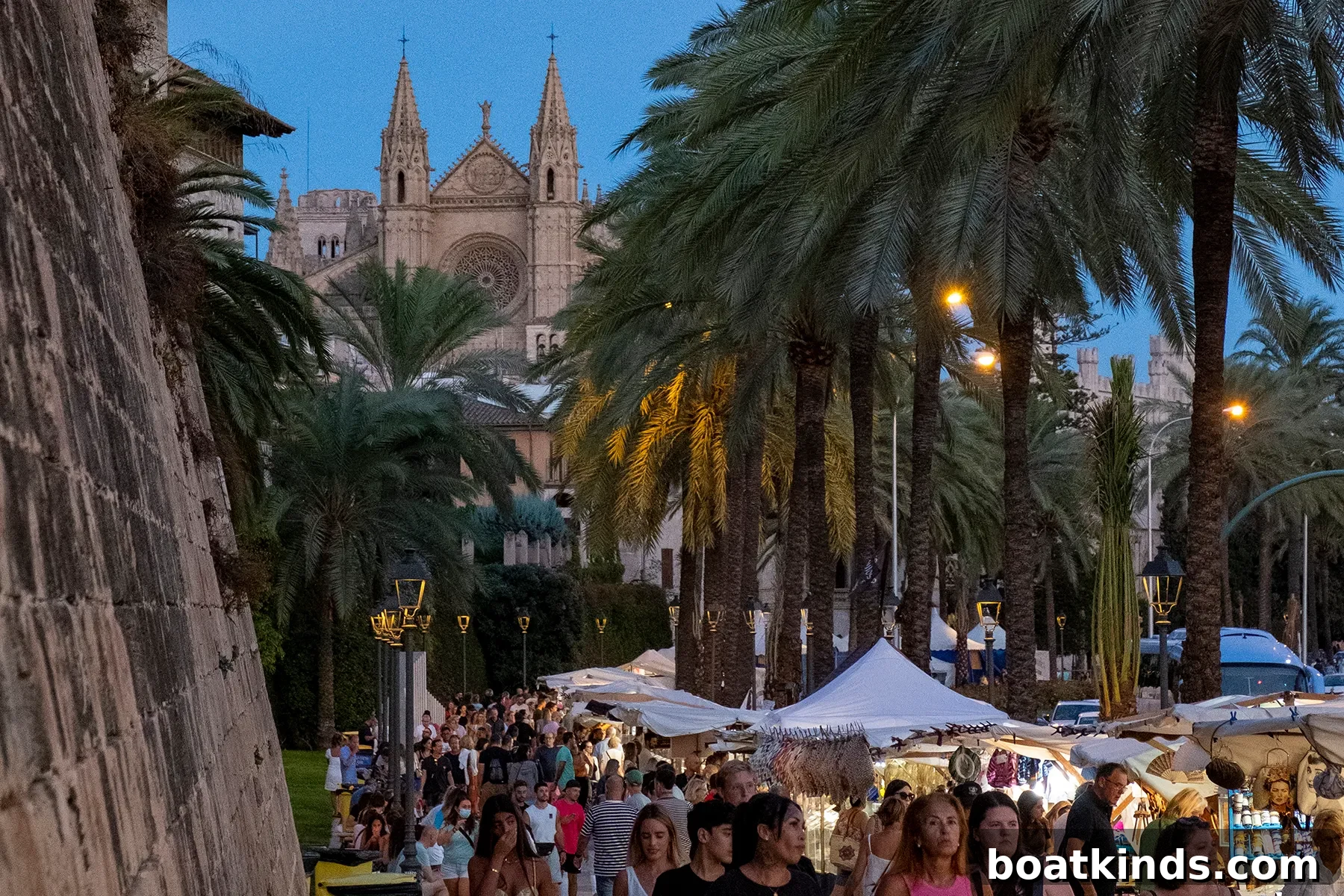
Heading West
After Cabrera we explored the coast between Palma and Sant Elm on Mallorca’s southwest tip. Development increases closer to the capital, but there are still lovely anchorages. One favorite was a sandy-bottomed cala west of Punta Negra, a convenient first-night spot after provisioning and final checks. Further west lies Sant Elm, near the dragon-shaped island of Dragonera — a place we liked enough to return and rent a small villa after the charter.
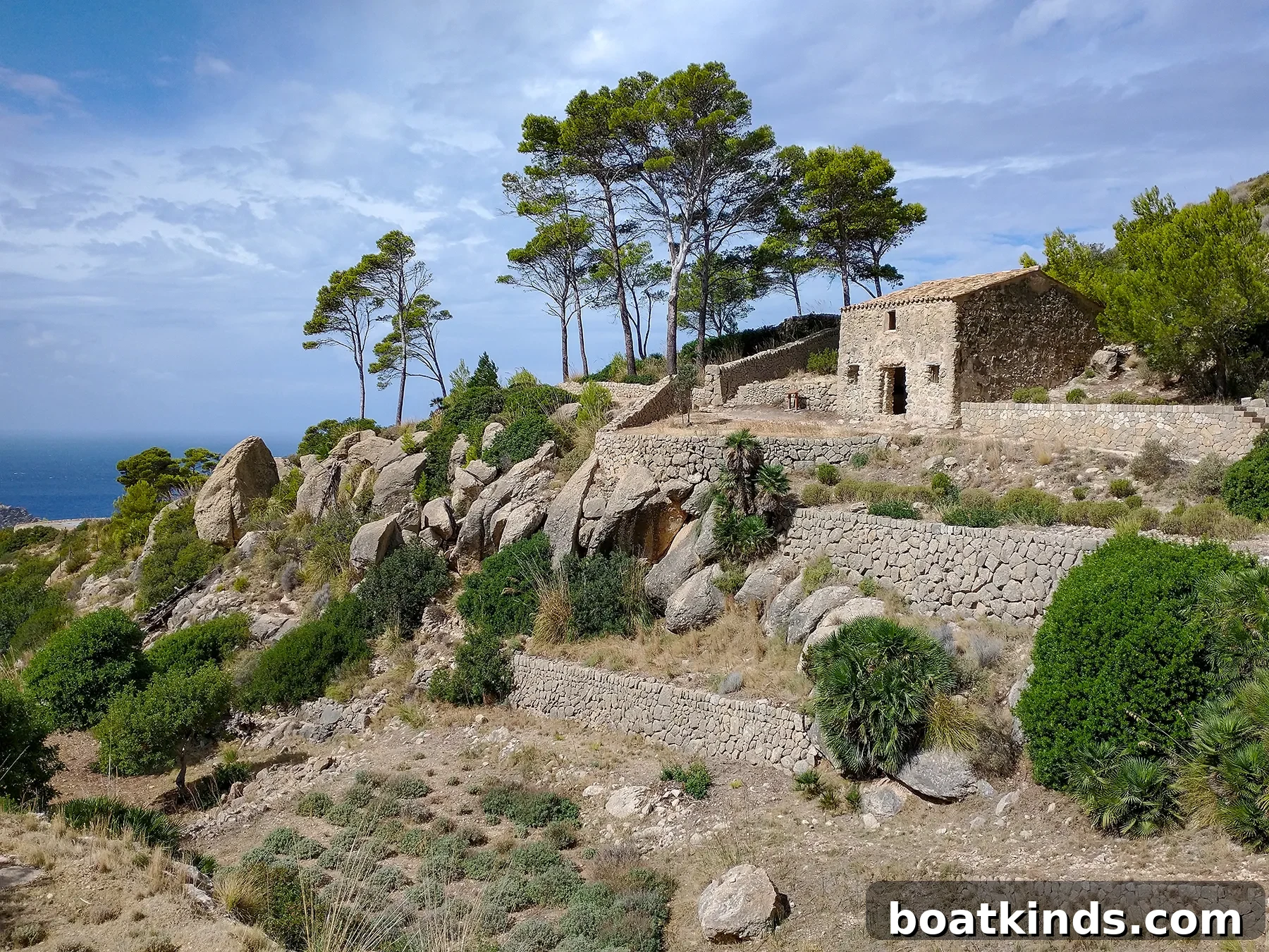
Sant Elm offered quiet beaches, roaming herds of feral goats, and a memorable hike in the Serra de Tramuntana to the ruins of La Trapa Monastery with dramatic coastal views. From the ridge we watched a few determined sailors tackle the northwest coast’s winds and waves — it looked thrilling but confirmed we’d chosen the safer southern route for this trip.
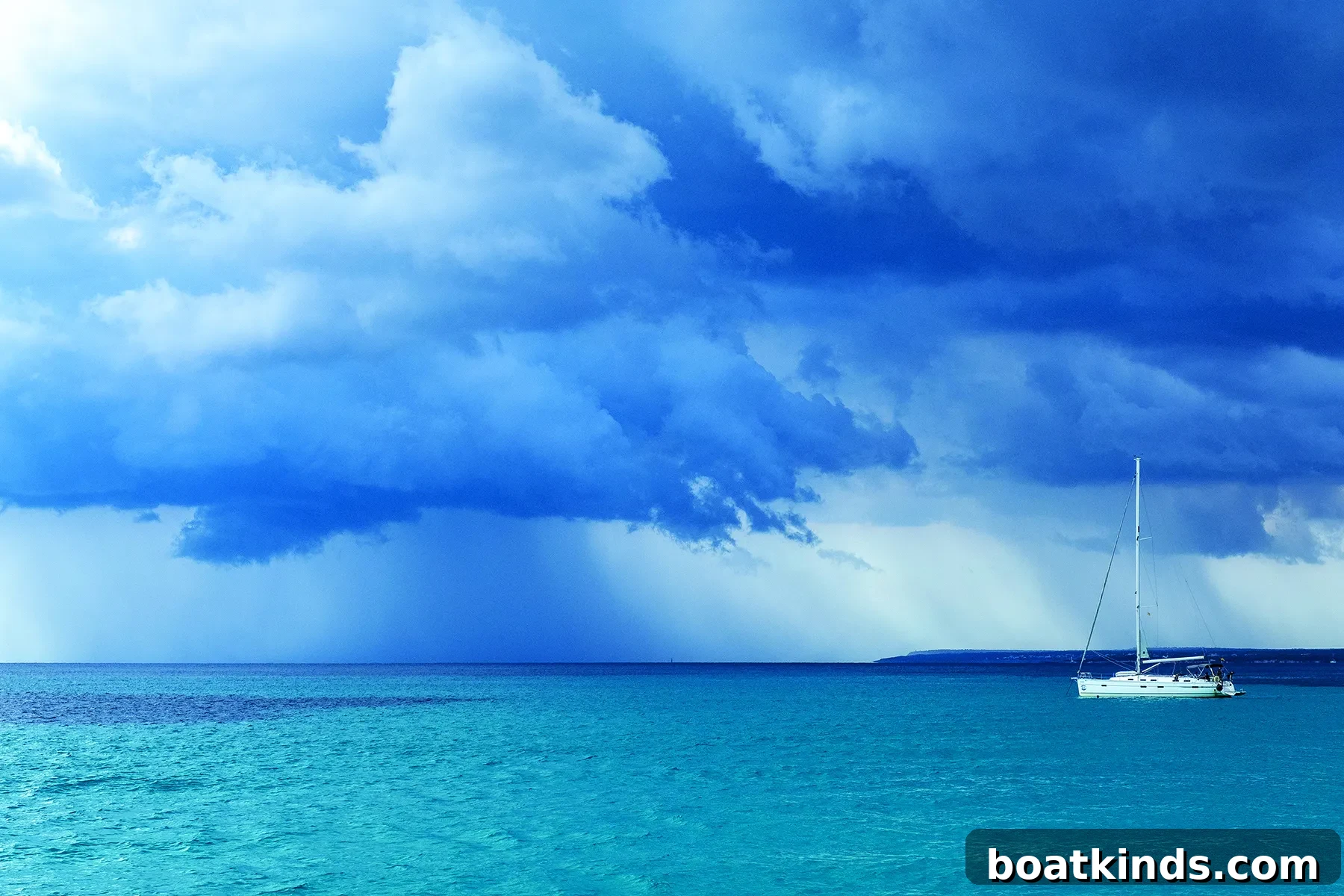
I judge a sailing trip successful if I’d do it again, and Mallorca easily earns that verdict. Between the endless calas, protected anchorages, culture, and history across Mallorca and the other Balearics — Menorca, Ibiza, and Formentera — there’s always more to explore. Even with a return trip, you’ll still leave wanting to see just one more cove.
This article was originally published in the December 2023 issue.