
Power Catamarans Are Becoming the Top Choice for Bareboat Charters
Owners of runabouts, sailboats, fishing boats and midsize motoryachts are increasingly contacting bareboat charter companies with a specific request: power catamarans. These twin-hulled vessels are drawing attention as an ideal option for vacationers who want more space, comfort and versatility while cruising.
“The power catamaran is new for these owners, but it seems to be the consensus best yacht for charter vacations, and an easy step for most of these boaters to take,” says Ian Pedersen, senior marketing manager for The Moorings.
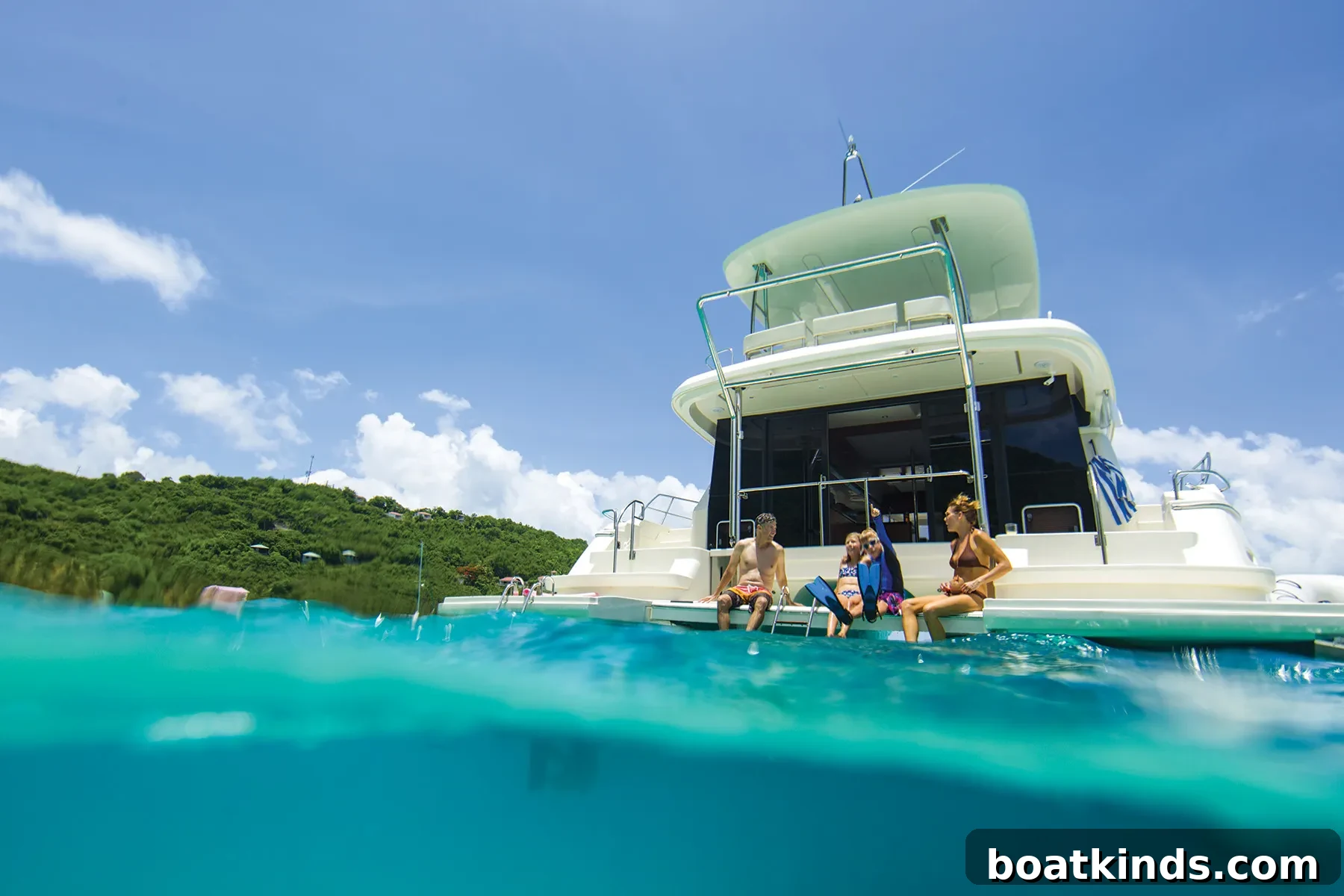
MarineMax Vacations reports a similar trend. Vice President Raul Bermudez explains that many customers rent powercats either to enjoy the extra onboard living space for family and friends or to try a model before buying. To ease the transition from narrower monohulls, the company provides targeted training so guests learn to handle the wider beam confidently.
“We give them a half-day of training to show them how to handle the beam,” Bermudez says. “With the bigger powercats, we do a full day of training and take them to the first anchorage to make sure they’re comfortable and we’re comfortable.”
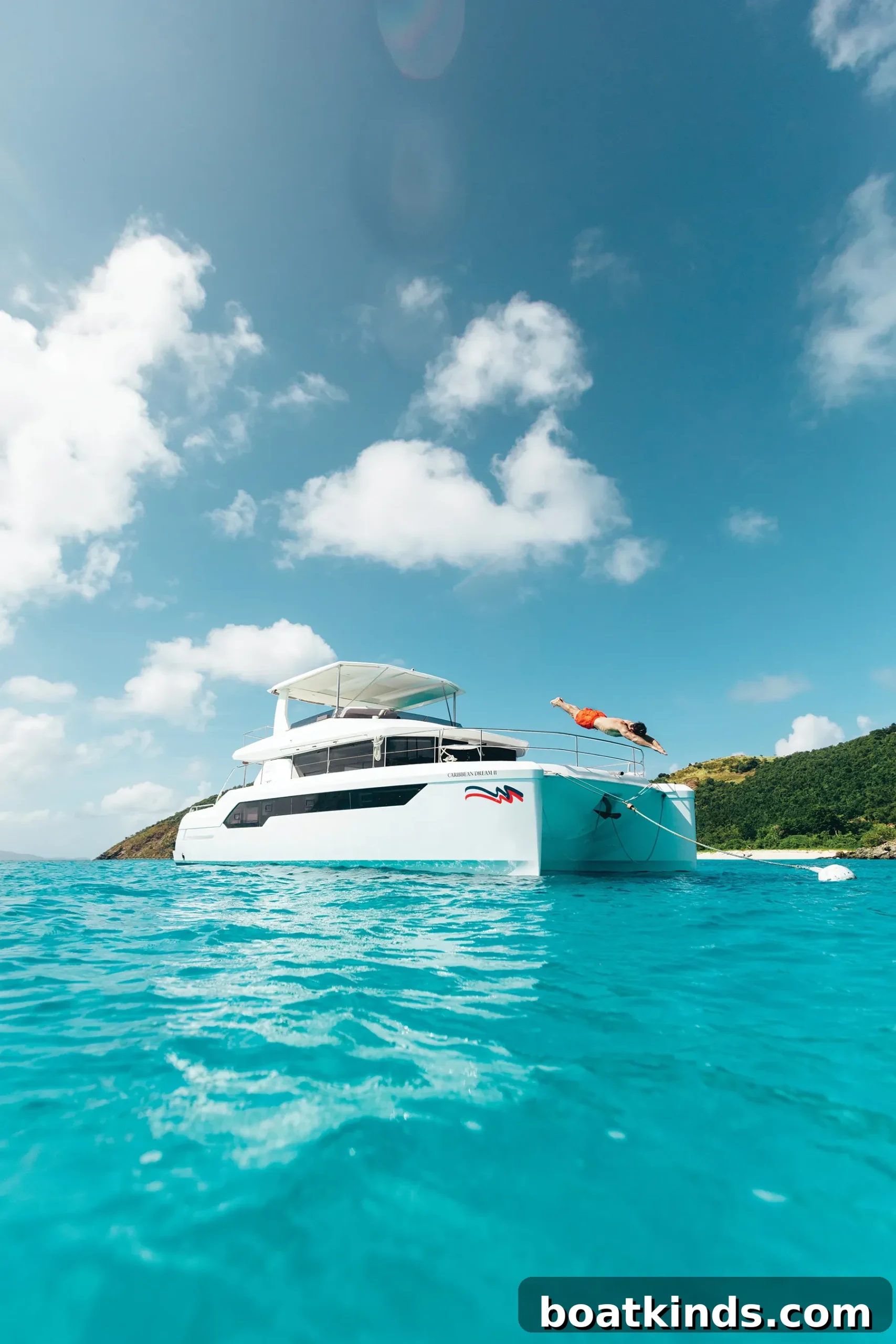
That hands-on, on-the-water instruction is often invaluable to charterers. And the benefit for anyone curious about powercats is that these boats are available in many prime cruising areas worldwide. Operators such as Dream Yacht Charter list powercat options in destinations like Mexico, Greece and Australia, but two regions stand out as the most popular for powercat charters: the Bahamas and the British Virgin Islands.
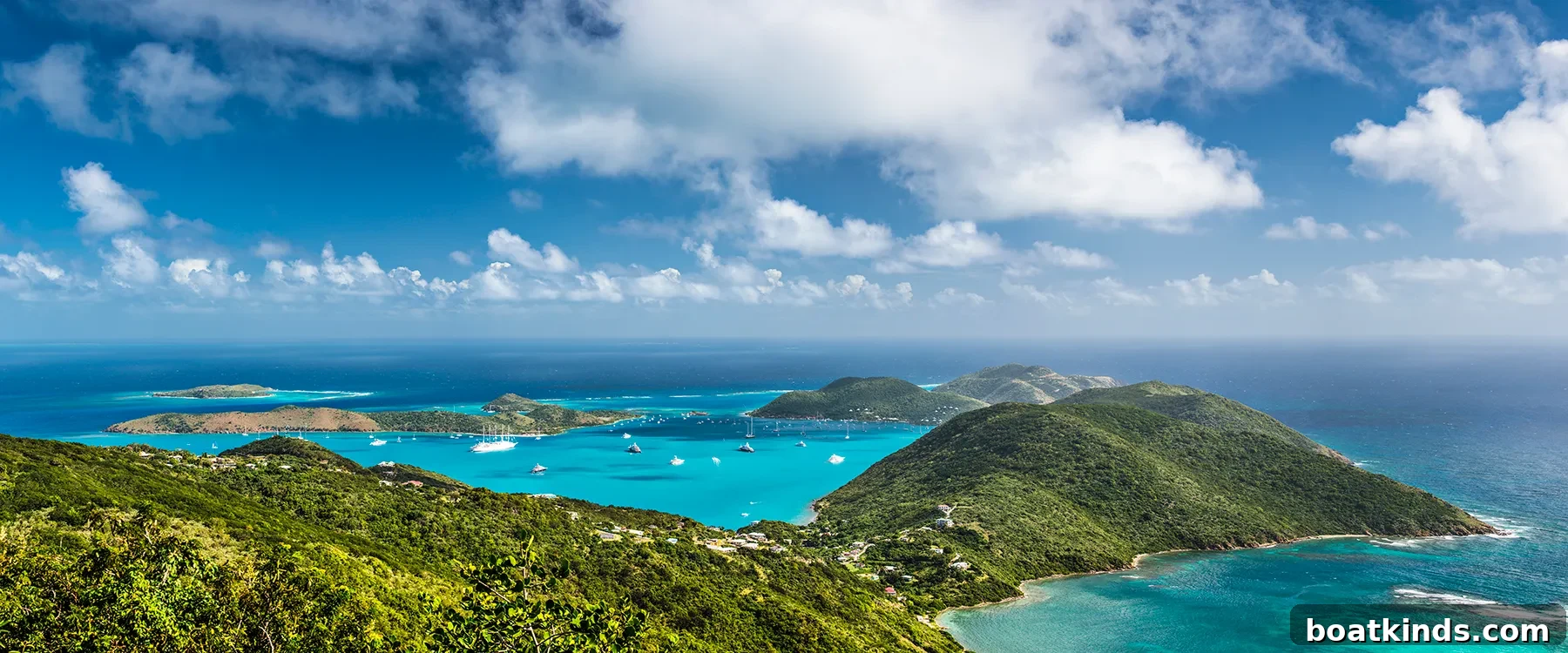
“The Virgin Islands and the Bahamas are by far the most popular destinations in the world for our power catamarans,” Pedersen says. He notes The Moorings operates bareboat locations in both regions—the Exumas and Abacos in the Bahamas, and both the U.S. and British Virgin Islands. Easy access from the U.S., calm cruising waters, excellent fishing and snorkeling, and plentiful restaurants and bars make these areas especially appealing to powercat charterers.
Bermudez says MarineMax now bases much of its powercat fleet in the British Virgin Islands, where charterers favor a few standout stops. Saba Rock, in North Sound on Virgin Gorda, is popular for its side-tie dockage and 18 mooring balls capable of handling boats up to 80 feet—more than enough room for a 40-foot powercat. The on-site restaurant and bars provide a convenient and pleasant dining option during a charter.
Another favorite is the Bitter End Yacht Club, which has been rebuilt following Hurricane Irma and now offers mooring balls and a marina for tie-ups. The property includes dining, bars and a market stocked with provisions and prepared meals—helpful amenities for bareboaters who want fewer provisioning chores. Oil Nut Bay on Virgin Gorda is also in demand; it provides mooring balls, side-tie spaces and marina slips that accommodate powercats, plus a restaurant and facilities for day visitors.
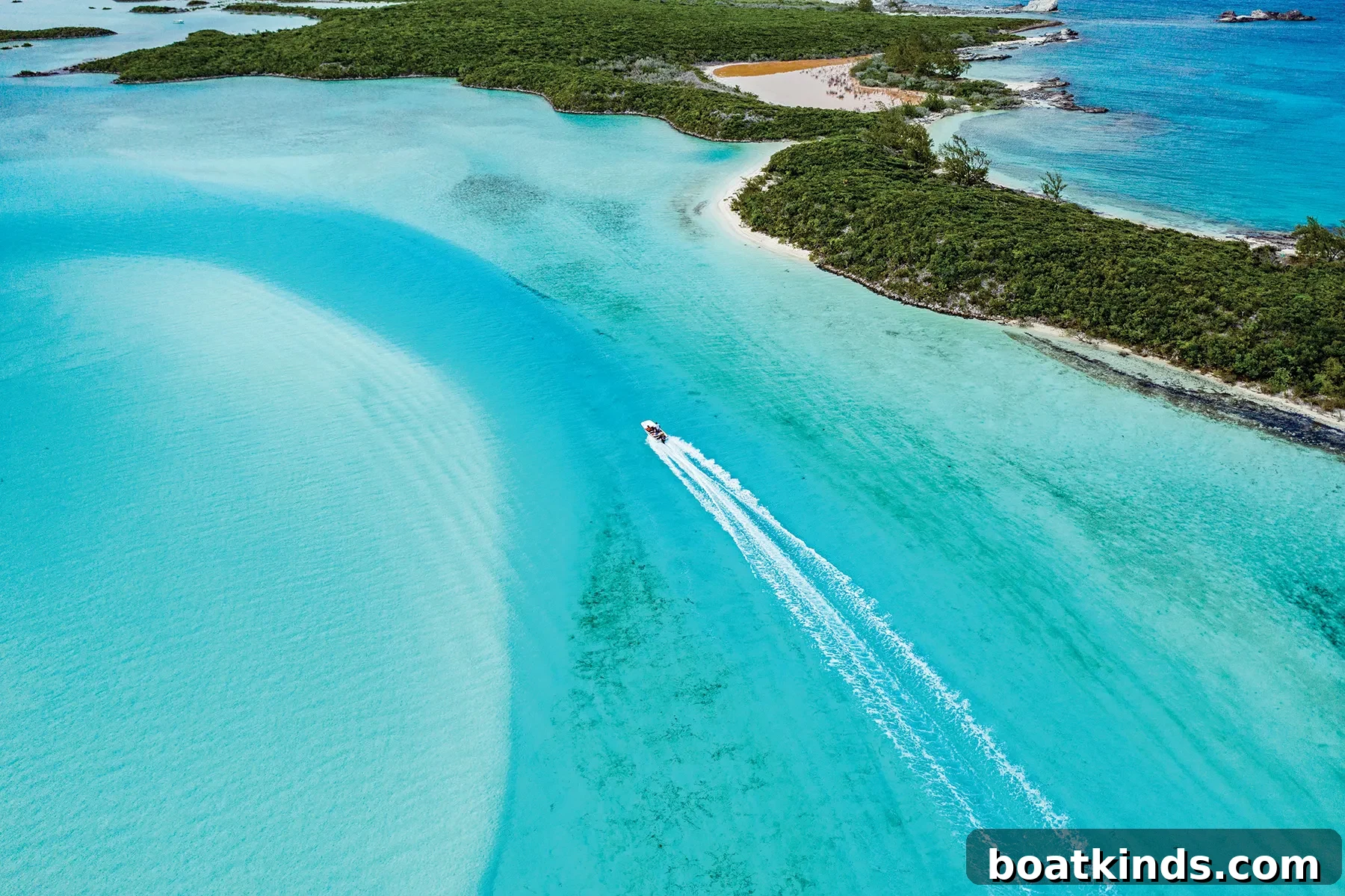
In the Bahamas’ Exumas, Staniel Cay is a typical stop for powercat charters. The marina offers side-tie space that fits catamarans alongside motoryachts, and a yacht club ashore gives charterers an easy break from anchoring. Much of the Exumas remains remote, with numerous anchorages ideal for those seeking a quieter, more secluded cruising experience.
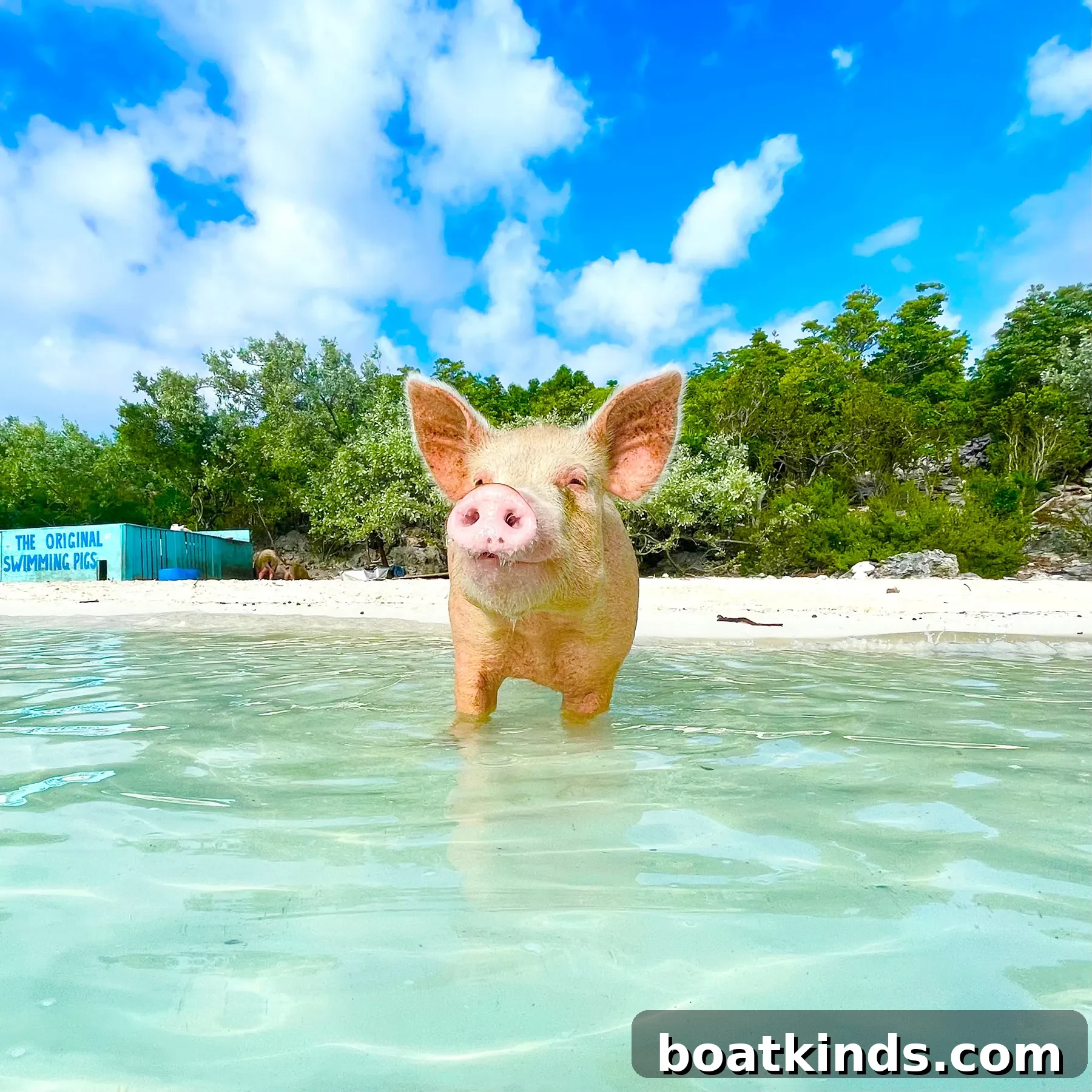
Carol Hansen, director of marketing for Dream Yacht Charter, points out that powercats are especially well-suited to shorter charters in places like the Abacos and Exumas. “Power is a great option because of the longer cruising distances between islands,” she says. For groups with less than a week to spare, a powercat can cover more ground comfortably, allowing them to see and experience the cruising ground in a limited time.
Dockage availability remains the main constraint for powercat charters, which helps explain why these boats aren’t present in every cruising area. But the advantages often outweigh that limitation. Bermudez highlights their fuel efficiency at low speeds alongside respectable top speeds: “They’ll do 22 or 23 knots, with a cruising speed around 15 or 16. But if you’re not in a hurry and you’re going at 9 knots, you’re only burning about 4 gallons of fuel an hour. They’re a lot more fuel-efficient than what people are cruising on at home.”
The combination of roomy layouts, modern systems and efficient performance is convincing many charterers to become buyers. Bermudez adds that demand is strong: “From a sales point of view, we’re pre-sold for the next 12 to 18 months. Powercats are growing in popularity. Our 44 is the best-selling powercat in the world, I think. It has a full-beam master. These boats have big engines, big generators, Raymarine electronics, watermakers—they’re fully loaded. It’s a floating resort.”
This article was originally published in the December 2022 issue.